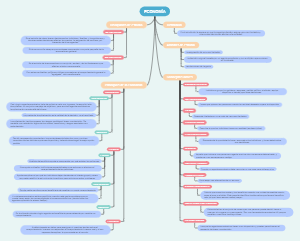
Economic Uncertainty
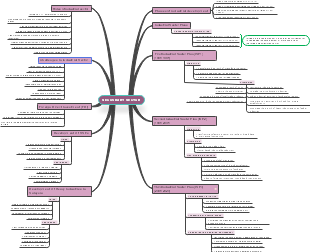
Fluctuating exchange rates and trade tensions affect global businesses.
Shifts in consumer behavior and demand patterns due to economic instability.
Technological Advancements
Rapid development in artificial intelligence, data analytics, and automation.
Integration of blockchain technology for secure transactions and supply chain management.
Political and Legal Regulations
Compliance with diverse international laws and regulations.
Government policies and trade agreements impacting global business operations.
Global Competition
Intensifying competition from emerging markets and multinational corporations.
Increased need for innovation to stay ahead in the global marketplace.
Environmental Sustainability
Growing focus on eco-friendly practices and reduction of carbon footprint.
Changing consumer preferences towards sustainable products and services.
Drivers in Global Business
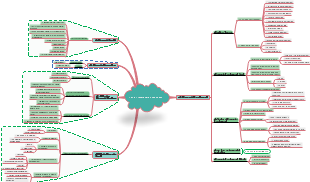
Digital Transformation
Increased reliance on digital platforms for communication and business processes.
Adoption of cloud computing and remote working to enhance global connectivity.
Globalization
Expansion of multinational corporations and cross-border investment.
Collaborative partnerships and joint ventures for global market penetration.
Emerging Markets
Rising economic power of countries like China, India, and Brazil.
Opportunities for market expansion and tapping into new consumer bases.
Consumer Demands
Shift towards personalized and customized products and services.
Increasing emphasis on ethical sourcing, social responsibility, and brand values.
Talent Management
Need for skilled workforce with cross-cultural understanding and adaptable skills.
Talent retention strategies to attract and retain top talent in global business.
Trends in Global Business
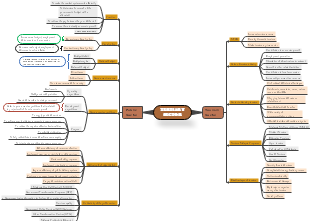
E-commerce
Growing popularity of online shopping and digital payment methods.
Increased investment in logistics and last-mile delivery solutions.
Sustainable Practices
Integration of sustainable business practices into core strategies.
Rise of circular economy and emphasis on waste reduction and recycling.
Data-driven Decision Making
Utilization of big data analytics for making informed business decisions.
Implementation of predictive analytics to anticipate market trends.
Geopolitical Changes
Impact of geopolitical events on global business strategies.
Shifts in global power and trade alliances influencing market dynamics.
Supply Chain Resilience
Focus on developing robust supply chain networks to withstand disruptions.
Adoption of agile and flexible supply chain management practices.
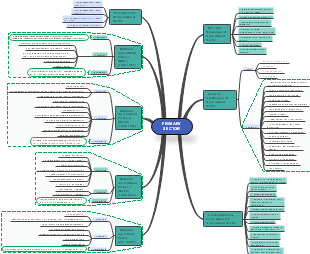
Remember, this is just a brief outline showcasing the most important challenges, drivers, and trends in global business for this decade. Further elaboration and details can be added as needed.
 Wondershare EdrawMind