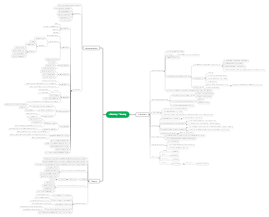
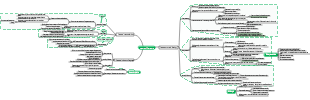
MindMap Gallery Introduction to Literature Introduction
Regarding the mind map of the introduction to literature, the research objects, nature and characteristics of literary theory, the guiding ideology of literary theory, etc., students may have compiled it incorrectly. Corrections welcome!
Edited at 2024-02-04 16:56:41本テンプレートは、日本人に人気の海外リゾート地「ハワイ・オアフ島」を対象とした、5 日間の充実したモデル旅行プランを体系化したマインドマップです。初めてハワイを訪れる旅行者、リピーター、家族連れやカップルなど、多様なニーズに対応するため、旅行基本情報・持ち物チェックリスト・5 日間詳細スケジュール・オプションプラン・事前準備情報の 5 つの軸で構成されています。対象読者は日本からオアフ島へ旅行を計画中の 20〜50 代の旅行者であり、成果指標としては、情報の網羅性(渡航手続きから現地体験まで必要な項目が過不足なく含まれているか)、実用性(移動時間や費用、予約のタイミングなどの正確さ)、体験の充実度(自然・文化・アクティビティ・食事のバランス)を測定します。 ユーザーニーズ分析では、渡航準備・現地移動・体験プラン・安全情報の 4 領域を掘り下げます。渡航準備においては、ESTA 申請、飛行機の予約、為替、パスポートの有効期限、海外旅行保険など、事前に整えるべき情報が不足していると計画が難しくなります。求められる価値としては、渡航に必要な手続きの流れ、必要な持ち物リスト、季節別の服装アドバイス、現地で使えるアプリや連絡先などが考えられます。現地移動では、ワイキキ内の徒歩・バス移動、レンタカーの利用方法、空港からのアクセス、交通機関のルール(右側通行など)が主な関心事です。悩みとしては、バスの路線が分からない、レンタカーの予約手続きが不安、現地での移動時間の目安が分からないなどが挙げられます。体験プランでは、ビーチでのんびり、ダイヤモンドヘッドのハイキング、ノースショアでのサーフィン、ハレイワタウン散策、ポリネシアン・カルチャーセンターでの文化体験など、オアフ島の魅力を網羅したプランが求められます。悩みとしては、限られた日数で主要スポットを効率よく回れない、予算に合ったアクティビティの選び方が分からない、人気のレストランやショップの情報が不足しているなどが挙げられます。安全情報では、ハワイ特有の注意点(紫外線対策、海での安全ルール、治安情報)、緊急時の連絡先、現地でのトラブル対応方法など、旅行者が不安に感じる点を整理することが重要です。 5 日間のモデルコースでは、各日のテーマを明確に設定し、体験のバランスを考慮しています。1 日目は「到着日・ワイキキ慣らし」として、ホノルル国際空港に到着後、ワイキキのホテルにチェックインし、夕方からワイキキビーチでのんびりしたり、夜は地元料理を味わったりして、ハワイの雰囲気に慣れる行程です。2 日目は「自然体験&ショッピング」として、午前中にダイヤモンドヘッドのハイキングに挑戦し、午後はアラモアナセンターやワイキキでショッピングを楽しみ、夜はハワイアン・ルアウショーを鑑賞する行程です。3 日目は「歴史文化巡り」として、イオラニ宮殿やパールハーバー(真珠湾)を訪れてハワイの歴史に触れ、午後はダウンタウンホノルルで街歩きをし、夜はインターナショナルマーケットプレイスで食事や買い物を楽しむ行程です。4 日目は「北海岸&大自然体験」として、オプションでノースショアへ向かい、ハレイワタウンで散策したり、サーフィンを体験したり、美しいビーチでのんびり過ごす行程で、夜はワイキキに戻って食事を楽しみます。5 日目は「最終日・思い出作り」として、午前中にワイキキビーチでの最後の散策や、お土産を買いに街を巡り、午後は空港へ移動して帰国する行程です。各日には、おすすめの時間帯、混雑しにくいタイミング、予約が必要なアクティビティの情報などを付け加え、実際に旅行する際の参考になるよう工夫しています。 また、テンプレートには持ち物チェックリストも含まれており、パスポート・ESTA、海外旅行保険証書、現金・クレジットカード、日焼け止め・帽子・サングラス、歩きやすい靴、薬、充電器など、海外旅行に必要なアイテムをリストアップしています。さらに、事前準備情報として、ネット環境の確保、現地で使えるアプリ、緊急連絡先、季節別の服装アドバイスなども記載し、旅行者の不安を解消するようサポートします。 EdrawMind のマインドマップ機能を活用することで、ユーザーは自身の旅行スタイルに合わせて行程を追加・削除したり、好みのアクティビティをハイライトしたりすることができます。例えば、ゆっくりリゾートを楽しみたい方はショッピングやハイキングの時間を減らしてビーチでの時間を増やしたり、アクティブに過ごしたい方はノースショアでのサーフィンやダイビングを追加したりするなど、カスタマイズも自由自在です。このテンプレートは、オアフ島の旅行計画を立てる際の基盤として活用することを想定しており、主要な情報が一目で分かるよう整理されているため、初めてハワイを

本テンプレートは、古都・奈良の世界遺産、鹿とのふれあい、歴史的な雰囲気を存分に楽しむための 1 泊 2 日旅行プランを体系化したマインドマップです。修学旅行や短期文化旅行、週末の小旅行に人気の奈良を対象に、イメージ・種類・交通・宿泊の 4 つの基本軸を設け、2 日間の具体的な行程を時系列で整理しています。対象読者は大阪・京都在住の 20〜40 代の一人旅・カップル・家族連れ、初めて奈良を訪れる旅行者、世界遺産や日本文化に興味のある層であり、成果指標としては、行程の網羅性(主要スポットが過不足なく含まれているか)、実用性(移動時間や混雑情報の正確さ)、体験の充実度(鹿とのふれあい・文化体験の満足度)を測定します。 ユーザーニーズ分析では、行程・体験・交通・注意点の 4 領域を掘り下げます。行程においては、「東大寺」「春日大社」「奈良国立博物館」といった世界遺産の回り方、「奈良公園」での鹿とのふれあい、「奈良町」の古い町並み散策がユーザーの関心事となります。悩みとしては、限られた時間で主要スポットを効率よく回れない、鹿との接し方が分からない、徒歩移動の負担が心配などが挙げられます。求められる価値としては、時間帯別のおすすめルート、鹿と安全に接するためのマナー説明、無理のない徒歩移動のための休憩ポイント案内が考えられます。体験面では、鹿せんべいの購入場所や与え方、春日大社の灯篭や御朱印の魅力、奈良町のカフェや伝統工芸体験など、現地でしか味わえない体験情報が求められます。交通においては、奈良市内のバス路線や一日券の情報、主要スポット間の徒歩時間、雨天時の移動手段など、事前に知っておくべき情報が不足していると計画が難しくなります。注意点では、天候対策(夏の暑さや冬の寒さ)、スケジュールのゆとり作り、写真撮影のルールやマナー、ゴミの持ち帰りなど、旅行者が見落としがちな点を整理することが重要です。 行程の中でも、特に人気の高いスポットには詳細な情報を盛り込んでいます。「東大寺」は世界遺産に登録されており、奈良時代に建立された日本を代表する寺院で、世界最大級の木造建築物である大仏殿や、高さ約 15 メートルの盧舎那仏(奈良の大仏)が有名です。事前にコインロッカーに荷物を預けて身軽になってから訪れることで、ゆっくりと境内を散策できるほか、大仏殿の柱の穴をくぐると「厄除けになる」という言い伝えもあり、多くの観光客が体験しています。「奈良公園」は東大寺や春日大社を含む広大な公園で、約 1,300 頭の野生の鹿が自由に生息しており、鹿せんべいを使って鹿とふれあうことができます。ただし、鹿は野生動物であるため、エサの与え方や触れ方には注意が必要で、事前にルールを確認しておくことが推奨されます。「春日大社」は朱色の社殿と美しい灯篭が特徴的な世界遺産で、参道には 3,000 基を超える石灯篭が並び、神聖な雰囲気を醸し出しています。特に夜間にライトアップされた灯篭は幻想的で、写真撮影にも人気です。 1 泊 2 日のモデルコースでは、初日に東大寺・奈良公園・春日大社を巡り、夜は奈良町の古い町並みを散策して地元料理を味わう行程を提案しています。二日目には、若草山から奈良の街並みを一望した後、興福寺や奈良国立博物館を訪れ、奈良町で伝統工芸体験やカフェ巡りを楽しんでから帰路に就く流れとなっています。各スポットには、徒歩時間や混雑しにくい時間帯、おすすめの食事処などの情報を付け加え、実際に旅行する際の参考になるよう工夫しています。また、旅行の注意点として、スケジュールは体調に合わせて無理のないペースで調整すること、天候に合わせて水分補給や防寒・防暑対策を徹底すること、神社仏閣での写真撮影ルールを守ることなどを記載し、安全で快適な旅行をサポートします。 EdrawMind のマインドマップ機能を活用することで、ユーザーは自身の旅行スタイルに合わせて行程を追加・削除したり、好みのスポットをハイライトしたりすることができます。一人旅向けには静かなカフェ巡りを追加したり、家族連れ向けには鹿とのふれあい体験を充実させたりするなど、カスタマイズも自由自在です。このテンプレートは、奈良の旅行計画を立てる際の基盤として活用することを想定しており、主要な情報が一目で分かるよう整理されているため、初めて奈良を訪れる方でも安心して旅行を楽しむことができます。
本テンプレートは、東京から約90分でアクセス可能な温泉・富士山・美術館が融合したリゾート地「箱根」の週末旅行ガイドを体系化したマインドマップです。カップルや家族連れに人気の週末旅行先として、交通アクセス、観光スポット、名物料理の3軸で構成され、効率的な旅行計画と満足度の高い体験を実現することを目的としています。対象読者は東京在住の20〜40代のカップル・家族連れ、初めて箱根を訪れる旅行者、週末の小旅行を計画中の層であり、成果指標としては、情報の網羅性(必要な項目が過不足なく含まれているか)、実用性(実際の移動時間や料金の正確さ)、満足度(モデルプランの再現性)を測定します。 ユーザーニーズ分析では、交通アクセス、観光スポット、グルメの3領域を掘り下げます。交通アクセスにおいては、東京からの行き方(小田急ロマンスカー約85分・指定席、新宿→箱根湯本、普通電車約2時間・乗換2回)、箱根内の移動手段(登山電車・バス・ケーブルカー・ロープウェイ)、お得な周遊券(箱根フリーパス・2日券)の情報が不足していると計画が難しくなります。求められる価値としては、交通機関別の所要時間・料金・乗換回数を比較した表、周遊券の特典内容(主要観光施設の割引)と購入場所、移動手段ごとのメリット・デメリットが考えられます。観光スポットでは、「箱根ガラスの森美術館」「クモ箱根(早雲山駅)」「芦ノ湖の夕暮れ遊覧船」などが代表的です。悩みとしては、美術館や自然スポットが多すぎて選べない、夕暮れ時の遊覧船のベストタイミングが分からない、写真映えするスポットを知りたいなどが挙げられます。価値ある情報として、おすすめスポットの特徴と所要時間、夕暮れ時の撮影ポイント、カップル向け・家族向けの選別基準を提供します。名物料理では、「黒たまご(大涌谷)」「温泉豆腐」などが代表的です。悩みは、どこで何を食べれば良いか分からない、観光地価格に見合う価値があるか、アレルギーや食事制限への対応などです。求められる価値として、名物料理の特徴とおすすめ店舗、価格帯、食べるタイミング(例:黒たまごは大涌谷観光の合間に)を整理します。 カップルにおすすめスポットとして、「箱根ガラスの森美術館」はユネスコ世界遺産(※正確には箱根地域全体がジオパークに認定されていますが、イメージとして)の美しい庭園とガラス作品が魅力です。写真はイメージですが、実際の訪日客にも人気のスポットです。名物料理のセクションでは、「黒たまご」は大涌谷の火山活動を利用して茹でられた卵で、殻が黒くなるのが特徴です。伝統的な名物料理として、食べると寿命が延びると言われています。「温泉豆腐」も地元の温泉を利用した料理で、なめらかな食感が特徴です。これらの情報をマップ上で可視化し、移動ルートと組み合わせることで、無駄のない観光計画が立てられます。 成功するための具体施策としては、主要スポットを時系列で結んだ「1泊2日モデルコース」を提供する(例:1日目:新宿→箱根湯本→登山電車→強羅→大涌谷→芦ノ湖遊覧船→宿泊、2日目:箱根ガラスの森美術館→箱根湯本→帰京)、各スポットの「混雑予想時間帯」と「穴場時間帯」をデータで示す(例:芦ノ湖遊覧船は夕暮れ時が混雑するが、その分景色は絶景)、名物料理を食べられる店舗の「営業時間・定休日・予約可否」をリスト化する、の3点が有効です。よくある失敗とその回避策としては、移動手段の乗換えが複雑で迷ってしまうケースでは箱根フリーパスの活用と事前のルート確認を推奨すること、観光スポットの滞在時間を見誤って計画が詰まりすぎるケースでは余裕を持ったスケジューリングと優先順位付けをアドバイスすること、天候によって富士山が見えない場合の代替プラン(雨天でも楽しめる美術館や温泉施設)を用意しておくことが有効です。本テンプレートは、週末旅行ガイドのコンテンツを計画・評価する際の基盤として活用することを想定しています。
本テンプレートは、日本人に人気の海外リゾート地「ハワイ・オアフ島」を対象とした、5 日間の充実したモデル旅行プランを体系化したマインドマップです。初めてハワイを訪れる旅行者、リピーター、家族連れやカップルなど、多様なニーズに対応するため、旅行基本情報・持ち物チェックリスト・5 日間詳細スケジュール・オプションプラン・事前準備情報の 5 つの軸で構成されています。対象読者は日本からオアフ島へ旅行を計画中の 20〜50 代の旅行者であり、成果指標としては、情報の網羅性(渡航手続きから現地体験まで必要な項目が過不足なく含まれているか)、実用性(移動時間や費用、予約のタイミングなどの正確さ)、体験の充実度(自然・文化・アクティビティ・食事のバランス)を測定します。 ユーザーニーズ分析では、渡航準備・現地移動・体験プラン・安全情報の 4 領域を掘り下げます。渡航準備においては、ESTA 申請、飛行機の予約、為替、パスポートの有効期限、海外旅行保険など、事前に整えるべき情報が不足していると計画が難しくなります。求められる価値としては、渡航に必要な手続きの流れ、必要な持ち物リスト、季節別の服装アドバイス、現地で使えるアプリや連絡先などが考えられます。現地移動では、ワイキキ内の徒歩・バス移動、レンタカーの利用方法、空港からのアクセス、交通機関のルール(右側通行など)が主な関心事です。悩みとしては、バスの路線が分からない、レンタカーの予約手続きが不安、現地での移動時間の目安が分からないなどが挙げられます。体験プランでは、ビーチでのんびり、ダイヤモンドヘッドのハイキング、ノースショアでのサーフィン、ハレイワタウン散策、ポリネシアン・カルチャーセンターでの文化体験など、オアフ島の魅力を網羅したプランが求められます。悩みとしては、限られた日数で主要スポットを効率よく回れない、予算に合ったアクティビティの選び方が分からない、人気のレストランやショップの情報が不足しているなどが挙げられます。安全情報では、ハワイ特有の注意点(紫外線対策、海での安全ルール、治安情報)、緊急時の連絡先、現地でのトラブル対応方法など、旅行者が不安に感じる点を整理することが重要です。 5 日間のモデルコースでは、各日のテーマを明確に設定し、体験のバランスを考慮しています。1 日目は「到着日・ワイキキ慣らし」として、ホノルル国際空港に到着後、ワイキキのホテルにチェックインし、夕方からワイキキビーチでのんびりしたり、夜は地元料理を味わったりして、ハワイの雰囲気に慣れる行程です。2 日目は「自然体験&ショッピング」として、午前中にダイヤモンドヘッドのハイキングに挑戦し、午後はアラモアナセンターやワイキキでショッピングを楽しみ、夜はハワイアン・ルアウショーを鑑賞する行程です。3 日目は「歴史文化巡り」として、イオラニ宮殿やパールハーバー(真珠湾)を訪れてハワイの歴史に触れ、午後はダウンタウンホノルルで街歩きをし、夜はインターナショナルマーケットプレイスで食事や買い物を楽しむ行程です。4 日目は「北海岸&大自然体験」として、オプションでノースショアへ向かい、ハレイワタウンで散策したり、サーフィンを体験したり、美しいビーチでのんびり過ごす行程で、夜はワイキキに戻って食事を楽しみます。5 日目は「最終日・思い出作り」として、午前中にワイキキビーチでの最後の散策や、お土産を買いに街を巡り、午後は空港へ移動して帰国する行程です。各日には、おすすめの時間帯、混雑しにくいタイミング、予約が必要なアクティビティの情報などを付け加え、実際に旅行する際の参考になるよう工夫しています。 また、テンプレートには持ち物チェックリストも含まれており、パスポート・ESTA、海外旅行保険証書、現金・クレジットカード、日焼け止め・帽子・サングラス、歩きやすい靴、薬、充電器など、海外旅行に必要なアイテムをリストアップしています。さらに、事前準備情報として、ネット環境の確保、現地で使えるアプリ、緊急連絡先、季節別の服装アドバイスなども記載し、旅行者の不安を解消するようサポートします。 EdrawMind のマインドマップ機能を活用することで、ユーザーは自身の旅行スタイルに合わせて行程を追加・削除したり、好みのアクティビティをハイライトしたりすることができます。例えば、ゆっくりリゾートを楽しみたい方はショッピングやハイキングの時間を減らしてビーチでの時間を増やしたり、アクティブに過ごしたい方はノースショアでのサーフィンやダイビングを追加したりするなど、カスタマイズも自由自在です。このテンプレートは、オアフ島の旅行計画を立てる際の基盤として活用することを想定しており、主要な情報が一目で分かるよう整理されているため、初めてハワイを
本テンプレートは、古都・奈良の世界遺産、鹿とのふれあい、歴史的な雰囲気を存分に楽しむための 1 泊 2 日旅行プランを体系化したマインドマップです。修学旅行や短期文化旅行、週末の小旅行に人気の奈良を対象に、イメージ・種類・交通・宿泊の 4 つの基本軸を設け、2 日間の具体的な行程を時系列で整理しています。対象読者は大阪・京都在住の 20〜40 代の一人旅・カップル・家族連れ、初めて奈良を訪れる旅行者、世界遺産や日本文化に興味のある層であり、成果指標としては、行程の網羅性(主要スポットが過不足なく含まれているか)、実用性(移動時間や混雑情報の正確さ)、体験の充実度(鹿とのふれあい・文化体験の満足度)を測定します。 ユーザーニーズ分析では、行程・体験・交通・注意点の 4 領域を掘り下げます。行程においては、「東大寺」「春日大社」「奈良国立博物館」といった世界遺産の回り方、「奈良公園」での鹿とのふれあい、「奈良町」の古い町並み散策がユーザーの関心事となります。悩みとしては、限られた時間で主要スポットを効率よく回れない、鹿との接し方が分からない、徒歩移動の負担が心配などが挙げられます。求められる価値としては、時間帯別のおすすめルート、鹿と安全に接するためのマナー説明、無理のない徒歩移動のための休憩ポイント案内が考えられます。体験面では、鹿せんべいの購入場所や与え方、春日大社の灯篭や御朱印の魅力、奈良町のカフェや伝統工芸体験など、現地でしか味わえない体験情報が求められます。交通においては、奈良市内のバス路線や一日券の情報、主要スポット間の徒歩時間、雨天時の移動手段など、事前に知っておくべき情報が不足していると計画が難しくなります。注意点では、天候対策(夏の暑さや冬の寒さ)、スケジュールのゆとり作り、写真撮影のルールやマナー、ゴミの持ち帰りなど、旅行者が見落としがちな点を整理することが重要です。 行程の中でも、特に人気の高いスポットには詳細な情報を盛り込んでいます。「東大寺」は世界遺産に登録されており、奈良時代に建立された日本を代表する寺院で、世界最大級の木造建築物である大仏殿や、高さ約 15 メートルの盧舎那仏(奈良の大仏)が有名です。事前にコインロッカーに荷物を預けて身軽になってから訪れることで、ゆっくりと境内を散策できるほか、大仏殿の柱の穴をくぐると「厄除けになる」という言い伝えもあり、多くの観光客が体験しています。「奈良公園」は東大寺や春日大社を含む広大な公園で、約 1,300 頭の野生の鹿が自由に生息しており、鹿せんべいを使って鹿とふれあうことができます。ただし、鹿は野生動物であるため、エサの与え方や触れ方には注意が必要で、事前にルールを確認しておくことが推奨されます。「春日大社」は朱色の社殿と美しい灯篭が特徴的な世界遺産で、参道には 3,000 基を超える石灯篭が並び、神聖な雰囲気を醸し出しています。特に夜間にライトアップされた灯篭は幻想的で、写真撮影にも人気です。 1 泊 2 日のモデルコースでは、初日に東大寺・奈良公園・春日大社を巡り、夜は奈良町の古い町並みを散策して地元料理を味わう行程を提案しています。二日目には、若草山から奈良の街並みを一望した後、興福寺や奈良国立博物館を訪れ、奈良町で伝統工芸体験やカフェ巡りを楽しんでから帰路に就く流れとなっています。各スポットには、徒歩時間や混雑しにくい時間帯、おすすめの食事処などの情報を付け加え、実際に旅行する際の参考になるよう工夫しています。また、旅行の注意点として、スケジュールは体調に合わせて無理のないペースで調整すること、天候に合わせて水分補給や防寒・防暑対策を徹底すること、神社仏閣での写真撮影ルールを守ることなどを記載し、安全で快適な旅行をサポートします。 EdrawMind のマインドマップ機能を活用することで、ユーザーは自身の旅行スタイルに合わせて行程を追加・削除したり、好みのスポットをハイライトしたりすることができます。一人旅向けには静かなカフェ巡りを追加したり、家族連れ向けには鹿とのふれあい体験を充実させたりするなど、カスタマイズも自由自在です。このテンプレートは、奈良の旅行計画を立てる際の基盤として活用することを想定しており、主要な情報が一目で分かるよう整理されているため、初めて奈良を訪れる方でも安心して旅行を楽しむことができます。
本テンプレートは、東京から約90分でアクセス可能な温泉・富士山・美術館が融合したリゾート地「箱根」の週末旅行ガイドを体系化したマインドマップです。カップルや家族連れに人気の週末旅行先として、交通アクセス、観光スポット、名物料理の3軸で構成され、効率的な旅行計画と満足度の高い体験を実現することを目的としています。対象読者は東京在住の20〜40代のカップル・家族連れ、初めて箱根を訪れる旅行者、週末の小旅行を計画中の層であり、成果指標としては、情報の網羅性(必要な項目が過不足なく含まれているか)、実用性(実際の移動時間や料金の正確さ)、満足度(モデルプランの再現性)を測定します。 ユーザーニーズ分析では、交通アクセス、観光スポット、グルメの3領域を掘り下げます。交通アクセスにおいては、東京からの行き方(小田急ロマンスカー約85分・指定席、新宿→箱根湯本、普通電車約2時間・乗換2回)、箱根内の移動手段(登山電車・バス・ケーブルカー・ロープウェイ)、お得な周遊券(箱根フリーパス・2日券)の情報が不足していると計画が難しくなります。求められる価値としては、交通機関別の所要時間・料金・乗換回数を比較した表、周遊券の特典内容(主要観光施設の割引)と購入場所、移動手段ごとのメリット・デメリットが考えられます。観光スポットでは、「箱根ガラスの森美術館」「クモ箱根(早雲山駅)」「芦ノ湖の夕暮れ遊覧船」などが代表的です。悩みとしては、美術館や自然スポットが多すぎて選べない、夕暮れ時の遊覧船のベストタイミングが分からない、写真映えするスポットを知りたいなどが挙げられます。価値ある情報として、おすすめスポットの特徴と所要時間、夕暮れ時の撮影ポイント、カップル向け・家族向けの選別基準を提供します。名物料理では、「黒たまご(大涌谷)」「温泉豆腐」などが代表的です。悩みは、どこで何を食べれば良いか分からない、観光地価格に見合う価値があるか、アレルギーや食事制限への対応などです。求められる価値として、名物料理の特徴とおすすめ店舗、価格帯、食べるタイミング(例:黒たまごは大涌谷観光の合間に)を整理します。 カップルにおすすめスポットとして、「箱根ガラスの森美術館」はユネスコ世界遺産(※正確には箱根地域全体がジオパークに認定されていますが、イメージとして)の美しい庭園とガラス作品が魅力です。写真はイメージですが、実際の訪日客にも人気のスポットです。名物料理のセクションでは、「黒たまご」は大涌谷の火山活動を利用して茹でられた卵で、殻が黒くなるのが特徴です。伝統的な名物料理として、食べると寿命が延びると言われています。「温泉豆腐」も地元の温泉を利用した料理で、なめらかな食感が特徴です。これらの情報をマップ上で可視化し、移動ルートと組み合わせることで、無駄のない観光計画が立てられます。 成功するための具体施策としては、主要スポットを時系列で結んだ「1泊2日モデルコース」を提供する(例:1日目:新宿→箱根湯本→登山電車→強羅→大涌谷→芦ノ湖遊覧船→宿泊、2日目:箱根ガラスの森美術館→箱根湯本→帰京)、各スポットの「混雑予想時間帯」と「穴場時間帯」をデータで示す(例:芦ノ湖遊覧船は夕暮れ時が混雑するが、その分景色は絶景)、名物料理を食べられる店舗の「営業時間・定休日・予約可否」をリスト化する、の3点が有効です。よくある失敗とその回避策としては、移動手段の乗換えが複雑で迷ってしまうケースでは箱根フリーパスの活用と事前のルート確認を推奨すること、観光スポットの滞在時間を見誤って計画が詰まりすぎるケースでは余裕を持ったスケジューリングと優先順位付けをアドバイスすること、天候によって富士山が見えない場合の代替プラン(雨天でも楽しめる美術館や温泉施設)を用意しておくことが有効です。本テンプレートは、週末旅行ガイドのコンテンツを計画・評価する際の基盤として活用することを想定しています。
Introduction to Literature Introduction
Research objects, nature and characteristics of literary theory
Research object: Literature (specifically, the laws and characteristics of literary activities in social life.)
Literature exists in the form of literary activities.
Literary theory is a discipline that studies the laws and characteristics of literature.
Writers are the main body of literary creation.
Poems, novels, dramas and essays constitute the basic genres of literature.
Readers and critics are recipients, appreciators, and re-creators of literature.
Writers create literary works based on their life materials. After readers and critics read and accept them, the entire process of literary activities is completed.
Literature is the objectification of human essential power. (The works I write can show my strength.)
The essential power of the novelist is rooted in social life. (Literature is a spiritual activity that only humans can display in a concentrated manner. It comes from the subjective power of human beings in social life.
Literary theory must abstract universal laws and characteristics from literary phenomena. (Research using specific theories and methods)
The nature and characteristics of literary theory
Its nature is that it is a theoretical discipline that studies the universal laws and characteristics of literature. (The particularity of the research object itself. The research method is mainly conceptual judgment and reasoning. It mainly uses rational methods to ideologically reflect social existence or basic socio-economic conditions.)
Literary theory mainly attempts to generalize from specific literary phenomena to a broader and more universal understanding.
Some people believe that literary theory has four characteristics.
interdisciplinarity
is an analysis and discourse
It is a criticism of common sense.
Be reflexive or self-reflexive.
The above four perspectives come from Jonathan Culler's "Introduction to Contemporary Academics: Literary Theory"
Contemporary literary theory must continue to adhere to its own theoretical character, self-confidence, and cultural self-confidence, and be guided by the Marxist worldview and methodology. In the impact, blending, or confrontation of various ideas or discourse practices in the contemporary world, in the face of new literary and artistic practices Amidst the challenges, we seek development and achieve theoretical innovation through continuous self-reform and self-innovation. Thus it truly becomes a literary theory that belongs to and leads the literary practice of this era.
Short answer questions are available. How should literary theory be done?
It is summarized and refined from the practice of literary activities and has distinct practicality.
Mao Zedong said. There is only one true theory in the world, and that is a theory extracted from objective reality and proven in objective reality. Nothing else can support the theory we are talking about.
Literary theory reveals the objective laws and characteristics of literary activities, so it is scientific.
It is required to adhere to the Marxist worldview and methodology. Research the practice of analyzing and scientifically summarizing literary activities. Grasp the essence through phenomena and extract regular understanding.
It also requires knowledge systems to keep pace with the times.
Literary theory must also study and evaluate the humanistic nature of literature and reflect the characteristics of humanistic nature.
Committed to caring for the current condition and belonging of the human spirit or soul.
The most important manifestation of the humanistic nature of literary theory is to adhere to the people-centered approach and the fundamental interests of the people, and consider whether it is conducive to meeting the spiritual and cultural needs of the people, improving the country’s cultural soft power, promoting the all-round development of people, and enhancing cultural confidence and Bacon's Soul Casting serves as the fundamental criterion for literary value judgment.
The guiding ideology of literary theory
The guiding ideology of literary theory is Marxism.
Marxist criticism inherits the excellent cultural heritage of mankind and the heritage of literary and artistic theory, and scientifically summarizes the practical experience of literary and artistic activities. Form a unique literary and artistic ideological system. It has been continuously enriched and developed with the development of the times and literary and artistic activities, and has important guiding significance for the current literary and artistic undertakings and its theoretical construction in our country.
(1) Marx and Engels’ essays and art
Establish the foundation of historical materialism for literary theory.
Scientific discussion, social status and role of literature.
Acknowledge that the economic base has a determining and restrictive effect on literature on the superstructure, and at the same time see the reaction of literature on them. There is a certain intermediary between the economic base and the superstructure, such as people's social psychology. Grasp the balanced and unbalanced relationship between literature and art and economic and social development, fully respect the development laws of literature and art, and better play its positive role in social development.
Pay attention to the characteristics of literature and art.
Marx said: The whole, when it (literature and art) appears in the mind as a whole of thought, is the product of the thinker's mind, which grasps the world in its own way, and this way is different from the world. The artistic spirit, the religious spirit, and the mastery of the practical spirit.
There are at least four ways for humans to grasp the spiritual world: the theoretical way, the artistic spiritual way, the religious spiritual way and the practical spiritual way. Literature is a method of language art (use your imagination, shape typical artistic images, and pay attention to the particularity of literary language)
Provide unique humanistic ideas for literary theory.
Starting from real people constitutes the fundamental starting point of literary theory and even all humanities.
Consider free and conscious activities as the general characteristic that distinguishes humans from animals.
A scientific explanation of human nature.
Marx believed that human essence is not an abstract object inherent in a single person. In its reality, it is the sum of all social relations.
Emphasize that the people are the creators of history.
Max and Engels believed that historical activities are activities of the masses. As historical activities deepen, the ranks of the masses will inevitably expand.
Connecting the comprehensive development of human freedom with the future of literature.
Marx and Engels believed that the free development of each person is the condition for the free development of all people.
Starting from the laws of beauty, the creative principles and criticism standards of literature are clarified.
Marx put forward the scientific proposition that human beings are also structured according to the laws of beauty.
This proposition has important guiding significance for the creation and criticism of literature and art.
Marx and Engels scientifically summarized the laws of literary development, critically inherited the outstanding literary achievements of mankind, created the Marxist literary theory system, and opened up infinite prospects for the dissemination and development of Marxist literary theory around the world.
(2) Lenin’s Literature and Art (creatively developed Marxism and enriched Marxist literary theory.)
Clarify the fundamental direction of literary development.
Lenin put forward the slogan that the literary cause "serves the millions of working people." (Art belongs to the people.)
The task of socialist literature is to serve the cause of socialist revolution.
Explain the relationship between the party's leadership of the literary cause and creative freedom.
The cause of literary creation should become part of the entire proletarian cause.
The writing career should accept the leadership of the proletarian party.
Lenin said: It is absolutely necessary to ensure that there is a broad world for personal creativity and personal hobbies, as well as a broad world for the form and content of thoughts and fantasies.
Call on people to get close to the workers and peasants and create a typical image.
Lenin said: If you want to observe, you should go down below to observe - where you can observe the construction of new life; you should go to workers' residential areas in other places or to the countryside to observe.
A dialectical answer was given to criticize the relationship between inheriting excellent cultural heritage and building socialist culture.
Emphasizing that the development of socialist culture cannot cut off history.
Lenin said: Only by accurately understanding the culture created by the entire development process of mankind and transforming this culture can we build a proletarian culture.
Further enriched and developed the Marxist cultural outlook and literary theory.
Establish a model of Marxist literary criticism. (Apply this to criticism of Leo Tolstoy's work.)
Lenin's literary thought is an important component of Marxist literary theory, and his critical practice fully embodies the principles and characteristics of Marxist literary criticism. Contemporary Marxist literary theory and criticism must creatively inherit this precious theoretical legacy.
(3) Mao Zedong’s literary and artistic thought
Mao Zedong's literary and artistic thoughts were formed during the period of my country's new democratic revolution and developed in the early stages of socialist construction. The formation of Mao Zedong's literary and artistic thoughts is an inevitable result of China's modern historical development. It is a scientific summary of China's excellent cultural traditions and new literary and artistic experience.
1. Establish the fundamental direction of literature and art serving the people.
Mao Zedong's "Speech at the Yan'an Forum on Literature and Art" proposed that the question of "who is for" literature and art "is a fundamental question, a question of principle."
First, literary and art workers should establish a proletarian stance and world view, and should transfer their standpoints, thoughts and feelings to the masses of workers, peasants and soldiers.
Second, literary and art workers should go deep into the lives of the people, learn from society, and learn from the people. Understand and be familiar with various people and things.
Third, literary and art workers should proceed from the actual ideological level and spiritual needs of the people, correctly handle the relationship between the popularization and improvement of literature and art, improve on the basis of popularization, and popularize under the guidance of improvement.
2. Clarify the relationship between literature and art and social life
Mao Zedong said: "People's life is the only inexhaustible source of all literature and art."
Mao Zedong specifically explained the relationship between the "source" and "flow" of literature and art. ("Source" refers to the source of life. "Flow" refers to the history of literature and art itself. Including actual works, creative experience, form application, knowledge and skills, etc.)
"Source" and "flow" are not parallel. Instead, there is the source first and then the flow. The source is the starting point of the flow, and the flow is the development of the source. Once the source of literature is clarified, creation must start from life; if the flow of literature is clarified, then one should know how to draw lessons from past literary works.
You can learn from past works, but it cannot replace learning from life and replacing your own creation.
Mao Zedong said. "The life reflected in literary and artistic works can, and should, be higher and more intense than ordinary real life. It is more concentrated, more typical, more ideal, and therefore more universal."
3. Reveal the social nature and social functions of literature and art
(The relationship between literature and art and social politics and economy.) Mao Zedong believed that "a certain culture is a reflection of a certain society, politics and economy, and it also gives great influence and effect on the politics and economy of a certain society."
(Especially the relationship between literature, art and politics) Mao Zedong believed that "literary meaning is subordinate to politics, but it is reversed to give great influence and politics."
Proletarian literature and art are part of the entire revolutionary cause. To continue to advance the revolutionary cause and build new democratic culture and socialist culture, we must vigorously develop revolutionary literature and art.
4. Emphasis on the unity of ideological content and artistic form of literary and artistic works
(The dialectical relationship between the ideological content of the work and the artistic form.) Mao Zedong believed: "Our requirement is the unity of politics and art, the unity of content and form, the unity of revolutionary political content and the most perfect artistic form possible. Lack of artistry Art of art has no power no matter how politically advanced it is.”
Literary criticism should have two standards, one is political and the other is artistic, with political standards first and artistic standards second. Insist on the unity of the two. However, the relationship between political standards and artistic standards cannot be made absolute, let alone a narrow understanding of political standards.
5. Propose the policy of letting a hundred flowers bloom, a hundred schools of thought contending and bringing forth the new.
According to the Double Hundred Policy, issues of right and wrong in art and science should be resolved through free discussion in the art and scientific circles. It should be solved through the practice of art and science, rather than through simple coercive methods.
According to the policy of introducing the new from the old, we should solve the problem of how to treat traditional culture correctly, and create the literature and art of the new era on the basis of criticizing and inheriting the heritage of literature and art.
This is a concrete application of Mao Zedong’s thought on the dialectical relationship between cultural inheritance and cultural creation, and it is also a scientific summary of the laws of literary and art development.
(4) Deng Xiaoping Theory, the important thought of Three Represents, and the Scientific Outlook on Development’s important exposition on literature and art.
Since the reform and opening up, along with the great practice of socialism with Chinese characteristics, Deng Xiaoping Theory, the important thought of Three Represents, and the Scientific Outlook on Development have been formed. The rich literary and artistic discussions contained in these major theoretical achievements answer a series of major literary theoretical and practical questions in the new era of reform and opening up, and are important innovative developments in Marxist literary and artistic theory.
First, clearly put forward the "two directions" of literature and art serving the people and serving socialism.
It accurately summarizes the basic nature of socialist literature and art and establishes the fundamental direction of literature and art in the new era.
The second is that the orientation and the Double Hundred Policy are closely integrated and cannot be separated. The second is that the orientation clarifies the basic nature of socialist literature and art. The Double Hundred Policy emphasizes respecting the laws and freedom of literary and artistic creation. The organic combination of the two constitutes the fundamental policy guiding the prosperity and development of literature and art in our country. Adhering to the unity of the two-dimensional direction and the double-hundred policy requires both maintaining the relative independence of literature and art. We must fully affirm the characteristics, attributes and development laws of literature and art, oppose the erroneous guidance of mechanical and purely instrumental theory, and insist on holding high the great banner of socialism with Chinese characteristics. Oppose the erosion of the decadent ideology and culture of all exploiting classes, and encourage people to work hard for the cause of socialist modernization.
Jiang Zemin, Hu Jintao
Second, further enrich the connotation of literature and art serving the people.
Deng Xiaoping pointed out: "Our literature and art belong to the people." "The people need art, and art needs the people even more."
Jiang Zemin, Hu Jintao...
Third, advocate the unity of carrying forward the main theme and advocating diversity (the main theme here refers to the national spirit with patriotism as the core and the spirit of the times with reform and innovation as the core as the social development trend of the times)
Jiang Zemin, Hu Jintao...
Fourth, promote literary and artistic innovation on the basis of critical inheritance and absorption.
Jiang Zemin and Hu Jintao...
Fifth, strengthen the party’s leadership over literary and artistic work.
Deng Xiaoping pointed out: The party’s leadership over literary and artistic work is not to issue orders or require literature and art to be subordinate to temporary, specific and direct political tasks, but to help literary and art workers obtain conditions to continuously improve the level of literature and art and prosper based on the characteristics and development laws of literature and art. Literary and artistic undertakings. At the same time, we must help writers and artists establish a sense of social responsibility and realize the lofty nature of literature and art.
(5) Xi Jinping’s important exposition on literature and art in Xi Jinping Thought on Socialism with Chinese Characteristics for a New Era
Xi Jinping’s Thought on Socialism with Chinese Characteristics for a New Era is contemporary Chinese Marxism, Marxism of the 21st century, which includes this series of important expositions in literature and art, which is based on the changes in the main contradictions in society. Against the background of profound changes in literary and artistic practice, it systematically answers and discusses major fundamental and directional theoretical and practical issues related to the prosperity and development of literature and art. It embodies the Party's new ideas, new judgments, and new requirements for literary and artistic work. It has important guiding significance for the development of literature and art in the new era.
First, carry out literary and artistic creation worthy of the times.
Literature and art are the clarion call for the progress of the times. They can best represent the style of an era and best lead the ethos of an era. To achieve the two centenary goals and realize the Chinese Dream of the great rejuvenation of the Chinese nation, the role of literature and art is irreplaceable. Literary and artistic authors have a lot to offer.
To measure the literary and artistic achievements of an era ultimately depends on the works. , literary and art workers should regard creation as their central task. Dedicate the best spiritual food to the people and nation of the times. Originality is the mark of good work.
Second, adhere to the people-centered creative orientation.
People-centeredness is the Marxist stance that socialist literature and art with Chinese characteristics in the new era should adhere to.
Xi Jinping pointed out: "The people are not abstract symbols, but a collection of concrete people. Everyone has flesh and blood, emotions, love and hate, and dreams. This brings me inner conflict and sadness."
Xi Jinping pointed out: "Taking meeting the people's spiritual and cultural needs as the starting point and goal of literature and art and literary and artistic work. Treat the people as the subject of literary and artistic expression, and the people as the connoisseurs and judges of literary and artistic aesthetics. Serving the people as the mission of literary and art workers vocation."
Third, the Chinese spirit is the soul of socialist literature and art.
Give full play to the role of literature and art in cultivating and carrying forward socialist core values. Contemporary literature and art should regard patriotism as the main theme of literary and artistic creation, and guide the people to establish a correct view of history, nation, country, and culture. Pursue truth, goodness and beauty. Convey upward and good values.
Literary and artistic creations must not only have the foundation of contemporary life, but also have the blood of cultural traditions. They must vigorously promote the ideological and moral essence of China’s excellent traditional culture, and should not exclude learning from the world’s outstanding cultural achievements. Adhere to using Yang for Chinese purposes, pioneering and innovating, merging Chinese and Western things, and integrating them.
Fourth, strengthen and improve literary theory and literary criticism.
Literary criticism is the mirror of literary and artistic creation. It is an important force that guides creation, improves aesthetics and leads fashion.
First, guided by Marxist literary theory, inherit and innovate the excellent legacy of ancient Chinese literary criticism theory, and critically draw on modern Western literary theory. Advocate telling the truth and being reasonable. Praising the good and criticizing the bad is integrated with the times, changes according to the situation, maintains innovation, and constantly enhances the pertinence and effectiveness of literary criticism.
Fifth, effectively strengthen and improve the party’s leadership over literary and artistic work
The leadership of the party is the fundamental guarantee for the development of socialist literature and art
Xi Jinping pointed out that we must rely on the majority of literary and art workers to respect and follow the laws of literature and art and "lead the literary and art undertakings in a way that conforms to the laws of literature and art."
Respect the creative personality and creative work of literary and artistic workers, create a good environment conducive to literary and artistic creation, listen to the voices and wishes of literary and artistic workers, and not provide channels for the dissemination of harmful literary and artistic works
Xi Jinping pointed out: "Respect differences, tolerate diversity, and promote mutual learning and equal discussion between different academic viewpoints and styles." Encourage the collision of ideas and academic debate.
In short, if we adhere to Marxism as the guiding ideology, we should use Marxist standpoints, viewpoints, and methods to observe and analyze literary phenomena, understand and grasp the characteristics and laws of literary activities, initially master systematic literary theoretical knowledge, and establish a scientific literary outlook.
Ideological Resources of Literary Theory
Research methods and research branches of literary theory
The logical structure of the book
Literary criticism focuses on using specific knowledge to make keen evaluations when facing specific contemporary literary phenomena.
Literary history focuses on using historical materials to clarify the laws and characteristics of certain literary historical phenomena.