 Wondershare EdrawMind
MindMap Gallery [Community Works] AI Healthcare Application and Future of Intelligent Healthcare
- 33
[Community Works] AI Healthcare Application and Future of Intelligent Healthcare
The mind map of "AI Healthcare: Application and Future of Intelligent Healthcare" will help you understand this book more intuitively. I hope this mind map will be helpful to you!
Edited at 2024-01-31 17:23:23
- Aeon SWOT Analysis
Discover how Aeon can navigate the competitive online landscape with a strategic SWOT analysis. This comprehensive overview highlights Aeon’s strengths, such as its strong brand recognition, omnichannel capabilities, and customer loyalty programs, alongside its weaknesses, including digital maturity gaps and cost structure challenges. Opportunities for growth include enhancing e-commerce competitiveness and leveraging data-driven strategies, while threats from online-first players and market dynamics require attention. Explore how Aeon can strengthen its market position through innovation and customer-centric approaches in the ever-evolving retail environment.
- Aeon Market Segmentation, Targeting and Positioning Analysis
Discover how Aeon effectively tailors its offerings to meet the diverse needs of family-oriented consumers through a comprehensive Segmentation, Targeting, and Positioning (STP) analysis. Our approach begins with demographic segmentation, examining family life stages, household sizes, income levels, and parent age bands to identify distinct consumer groups. Geographic segmentation highlights store catchment types and community characteristics, while psychographic segmentation delves into family values and lifestyle orientations. Behavioral segmentation focuses on shopping missions, price sensitivity, and channel preferences. Finally, needs-based segmentation reveals core family needs related to value and budget considerations. Join us as we explore these insights to enhance family shopping experiences at Aeon.
- Nike Market Segmentation, Targeting and Positioning Analysis
Discover the dynamics of sneaker transactions with our Kream Sneaker Consumption Scene Analysis Template. This comprehensive framework aims to visualize the purchasing and consumption journeys of sneakers, identifying key demand drivers and obstacles. It covers user behavior within Kream and external influences, targeting various sneaker categories over specific timeframes and regions. The analysis defines user segments, including collectors, resellers, sneakerheads, casual trend followers, and gift purchasers, each with unique values and KPIs. It outlines the consumption journey from awareness to resale, highlighting critical touchpoints such as search, purchase, inspection, and sharing experiences. Key performance indicators are established to measure engagement and satisfaction throughout the process. Join us in exploring the intricate world of sneaker trading!
[Community Works] AI Healthcare Application and Future of Intelligent Healthcare
- Aeon SWOT Analysis
Discover how Aeon can navigate the competitive online landscape with a strategic SWOT analysis. This comprehensive overview highlights Aeon’s strengths, such as its strong brand recognition, omnichannel capabilities, and customer loyalty programs, alongside its weaknesses, including digital maturity gaps and cost structure challenges. Opportunities for growth include enhancing e-commerce competitiveness and leveraging data-driven strategies, while threats from online-first players and market dynamics require attention. Explore how Aeon can strengthen its market position through innovation and customer-centric approaches in the ever-evolving retail environment.
- Aeon Market Segmentation, Targeting and Positioning Analysis
Discover how Aeon effectively tailors its offerings to meet the diverse needs of family-oriented consumers through a comprehensive Segmentation, Targeting, and Positioning (STP) analysis. Our approach begins with demographic segmentation, examining family life stages, household sizes, income levels, and parent age bands to identify distinct consumer groups. Geographic segmentation highlights store catchment types and community characteristics, while psychographic segmentation delves into family values and lifestyle orientations. Behavioral segmentation focuses on shopping missions, price sensitivity, and channel preferences. Finally, needs-based segmentation reveals core family needs related to value and budget considerations. Join us as we explore these insights to enhance family shopping experiences at Aeon.
- Nike Market Segmentation, Targeting and Positioning Analysis
Discover the dynamics of sneaker transactions with our Kream Sneaker Consumption Scene Analysis Template. This comprehensive framework aims to visualize the purchasing and consumption journeys of sneakers, identifying key demand drivers and obstacles. It covers user behavior within Kream and external influences, targeting various sneaker categories over specific timeframes and regions. The analysis defines user segments, including collectors, resellers, sneakerheads, casual trend followers, and gift purchasers, each with unique values and KPIs. It outlines the consumption journey from awareness to resale, highlighting critical touchpoints such as search, purchase, inspection, and sharing experiences. Key performance indicators are established to measure engagement and satisfaction throughout the process. Join us in exploring the intricate world of sneaker trading!
- Recommended to you
- Outline
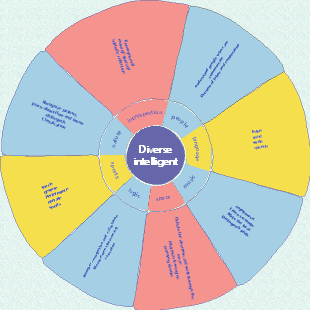
Thinking about the differences in advantages from the perspective of multiple intelligences
- 31
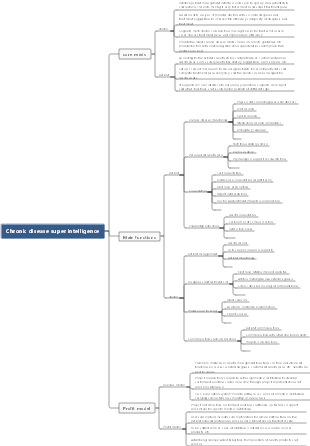

AI Healthcare: Application and Future of Intelligent Healthcare
Chapter 1 Artificial Intelligence empowers the medical and health industry
1.1 Artificial Intelligence Medical and Health Development Background
1.1.1 Industry pain points stimulate new demands
Medical health is one of the most fundamental livelihood needs of the people
On the demand side, demand for medical and health services continues to grow rapidly.
In 2002, my country's population aged 65 and over accounted for 7.01%, and it has entered an aging society.
It is expected that the proportion of the population aged 65 and above will reach 14% in 2027, and it has entered a deeply aging society.
Chronic diseases spread and sub-health becomes normal
On the supply side, first, the total amount of medical resources is insufficient. my country's total medical resources are scarce and its population is large, resulting in a huge resource gap; second, resources are uneven, and high-quality medical resources are tilted towards big cities.
1.1.2 Technological breakthroughs provide new means
In terms of computing power, graphics processing units (GPUs) have significantly improved computing performance and have parallel computing capabilities that far exceed those of central processing units (CPUs).
In terms of algorithm models, deep learning is a hot algorithm in current research and application, and is also an important field of artificial intelligence.
In terms of data resources, there are many scenarios where medical and health care data are generated.
One is medical institution data.
Second, genetic and clinical trial data
Third, patient data
Fourth, medical insurance and payment data
1.1.3 Policies are introduced to create a new environment
In recent years, artificial intelligence has attracted increasing attention around the world and has developed rapidly. It has become a strategic focus of countries around the world.
1.2 What can artificial intelligence do for health care?
1.2.1 The technological evolution history of medical and health informatization
Subtopic 1
1.2.2 Pre-diagnosis: disease prevention and health management
Most diseases are preventable, but because the symptoms are usually not obvious in the early stages of the disease, they are not discovered until the condition worsens.
1.2.3 Pre-diagnosis: Gene sequencing
Gene sequencing is a new type of genetic testing technology. It analyzes and determines gene sequences and can be used in clinical genetic disease diagnosis, prenatal screening, tumor prediction and treatment, etc.
1.2.4 In-diagnosis: Medical imaging-assisted diagnosis
Manual analysis can only rely on experience to judge, and misjudgments are prone to occur.
1.2.5 In-diagnosis: clinical decision-making aid
The clinical decision support system can provide the most accurate diagnosis and best treatment through massive literature learning and continuous error correction.
1.2.6 Diagnosis: medical robots
At present, medical robots mainly include surgical robots, rehabilitation robots, nursing robots, dispensing robots, etc.
1.2.7 Post-diagnosis: Rehabilitation assistance
Rehabilitation assistive devices refer to products that improve, compensate, replace human body functions and provide auxiliary treatment and prevent disability, including orthotics, prostheses, personal mobility assistive devices, exoskeleton rehabilitation robots, etc. The applicable groups mainly include disabled people, the elderly, and injured people. patients etc.
1.2.8 Biomedicine
Through machine learning and natural language processing technology, information in medical literature, papers, patents, and genomic data can be analyzed to find corresponding drug candidates and screen out effective compounds for specific diseases, thus significantly reducing research and development time and costs.
1.3 Artificial Intelligence Medical and Health Technology Industrial System
1.3.1 Artificial Intelligence Medical and Health Technology System
Perception link
Computer vision is the science of using computers to imitate the human visual system, allowing computers to have human-like capabilities of extracting, processing, understanding and analyzing images and image sequences. It is widely used in medical image recognition, pathological auxiliary diagnosis, ECG auxiliary diagnosis, etc.
Natural language processing is an important direction in the field of computer science and artificial intelligence. It studies various theories and methods that can achieve effective communication between humans and computers using natural language. It involves many fields, including machine translation, machine translation, etc. Reading comprehension and question and answer systems, etc., are mainly used in patient information collection and analysis in areas such as intelligent triage, intelligent guidance, and virtual assistants.
Biosign sensing technology refers to the technology that identifies and authenticates an individual's identity through individual physiological characteristics or behavioral characteristics. Biosign sensing technology covers a wide range of content and is mainly used in health and medical wearable devices, chronic disease management, disease prediction and other fields.
The thinking stage is to enable the computer to have enough computing power to simulate certain human thinking processes and behaviors to make judgments on the collected data and information.
The action link is to translate the results of preliminary processing and judgment into body movements and media information and transmit them to the human-machine interactive interface or external devices to achieve information exchange and physical interaction between humans and machines and machines.
The action link is closely related to mechanical technology, control technology, perception technology, etc.
1.3.2 Artificial Intelligence Medical and Health Industry Ecology
1.3.3 Artificial Intelligence Healthcare Industry Pattern
According to statistics, the total value of the artificial intelligence application market will reach US$127 billion by 2025, of which the medical industry will account for one-fifth of the market size
Domestic and foreign technology companies have begun to deploy in the field of medical artificial intelligence
Chapter 2 Medical image recognition, computer-assisted doctor “reading”
2.1 Application scenarios
2.1.1 Development background
Clinically, more than 70% of diagnoses rely on medical imaging
There is a huge shortage of medical imaging doctors
Medical imaging diagnosis has high misdiagnosis rate and low efficiency
The degree of informatization of medical imaging is low
The development of artificial intelligence technology has accelerated the speed of medical imaging diagnosis, improved the accuracy of imaging diagnosis, and brought changes to the way imaging doctors "read"
(1) Changes in reading methods. The application of artificial intelligence directly enables the machine to automatically perform preliminary screening, judgment, and lesion selection on the film, etc. The doctor only needs to be responsible for the final judgment.
(2) The reading speed changes. Artificial intelligence automatically and quickly screens and selects lesions. The doctor is only responsible for re-evaluation of key parts, saving doctors a lot of cumbersome initial screening process. Time is greatly shortened and efficiency is improved
(3) Accuracy changes. Artificial intelligence has the dual characteristics of stability and comprehensiveness, and is not affected by the length of working hours. It can completely observe the entire film without missing any omissions, quickly and stably complete the initial screening and judgment, and finally have a professional doctor re-judge the key parts. Therefore, the accuracy of image reading is double guaranteed.
2.1.2 Main application scenarios
(1) Image case classification
Case classification mainly analyzes a set of typical pictures to obtain the corresponding case classification results.
(2) Target or lesion detection and segmentation
It focuses more on the classification of a certain part of the image or local differences such as small tissues and lesions, such as the detection and classification of common pulmonary nodules.
2.2 Key technologies
2.2.1 Current status of technological development
(1) Current status of academic research
Artificial intelligence algorithms such as radiomics, deep learning, and transfer learning have been developed and tested on medical imaging data, forming multiple application models such as lesion detection, lesion segmentation, lesion nature judgment, treatment planning, and prognosis prediction.
(2) Current status of product development
Many large enterprises and start-up companies at home and abroad have invested in the development of AI medical imaging products.
Tencent Miying, Shenrui Medical, Jianpei Technology, Yidu Cloud, Zhiying Medical, Ruijia Yiying RayPlus, Diyinga, Laxon, etc.
(3)Clinical application status
Due to insufficient clinical verification of the effectiveness of artificial intelligence, the lack of standard databases and scenarios suitable for artificial intelligence research, and clinical ethical and regulatory issues that have yet to be resolved, there is a lack of products that can be applied in real clinical practice.
2.2.2 Model design
The problem solved by the model must be of common concern to clinicians and radiologists, and the improvement in its solving efficiency or accuracy can generally benefit patients.
Model design needs to refer to the latest clinical guidelines and specifications in relevant fields and contribute to disease diagnosis and treatment based on existing medical procedures.
A sufficient amount of data and data annotations must be used for learning. For example, the focus of learning should be on the identification of common tumors rather than the diagnosis of rare tumors.
The key to model design is to select the problem that is most conducive to physician decision-making and patient benefit, and the problem chosen to solve must also have a large amount of learning data that is easy to obtain and label.
2.2.3 Model construction
The establishment of the model includes the structured construction of learning data, the use of learning algorithms to build the model, and finally the verification of the model.
2.2.4 Algorithm selection
The choice of different modeling methods should be planned based on the data volume and complexity of the learning data.
First, for large amounts of learning data, it is recommended to use deep learning including various neural networks as learner modeling
Second, for medium amounts of learning data, you can try to use deep learning modeling. If the effect is not good, you can consider using a neural network to extract features and use machine learning methods to build a model.
Third, for a small amount of learning data, it is recommended to use radiomics methods to conduct high-throughput testing first, extract image features within the lesion range, and use machine learning methods to build models.
Fourth, although there is only a moderate amount of learning data, there is a large amount of similar modal data facing other problems. You can try to use transfer learning methods to apply large sample data experience to small sample data learning.
2.2.5 Service establishment
Establish a reasonable service model based on the application characteristics, clinical needs and doctors' working habits during model design
First, cloud imaging technology is developing rapidly. Its combination with AI technology can better provide medical institutions, especially grassroots hospitals, with a package of image transmission, storage, and auxiliary diagnosis solutions, which will help improve the operational efficiency and efficiency of medical institutions. diagnostic accuracy
Second, in terms of integration with existing workflows, it can be combined with the RIS system to provide AI structured reports, and at the same time combined with the PACS system, the AI comprehensive analysis report can be submitted to the PACS system using DICOM format, and lesions can be annotated when doctors browse images. hint
2.3 Business model
2.3.1 Industrial development model
Medical imaging equipment, the ultimate service target is hospitals and imaging doctors
Using the sales revenue of machines or systems as a statistical basis, the barriers include R&D accumulation, precision manufacturing level and supporting services.
Medical imaging diagnostic services, the ultimate service target is patients
Using diagnostic service income as a statistical basis, doctors’ labor costs are added to the images produced by imaging equipment. The most important factor in the diagnostic service link is professional and reliable diagnostic conclusions.
2.3.2 Application Difficulties
(1) Correlation reasoning based on probability analysis cannot determine the cause and effect of the disease.
However, the development of AI overemphasizes "probabilistic correlation", but diseases will always have unknown areas for people. How to combine the two models of data and knowledge based on existing medical knowledge is medical imaging artificial intelligence. The key to the application of intelligence to deeper levels of treatment and intervention in the medical field.
(2) Although the data resources are large in volume, their quality is not high and they cannot be interconnected.
Although pre-medical imaging has accumulated a large amount of data, laying the foundation for artificial intelligence analysis, the quality is not high, and major hospitals cannot be interconnected. And the data openness of tertiary hospitals with large amounts of digital imaging data is also a big problem.
(3) The degree of standardization of image data is low
In addition to the serious shortage of medical image standardization and structured data, data annotation is particularly difficult.
(4) Data labeling is difficult
The training of medical imaging artificial intelligence requires a large amount of labeled image data, and labeling requires a lot of labor costs and has a direct impact on the training results.
(5) The supply and demand for medical resources are extremely unbalanced
Imaging or imaging specialist outpatient clinics, online expert consultations, prominent doctor-patient conflicts, poor medical environment, waste of medical resources, and high medical costs are also obstacles.
Chapter 3 Clinical Decision Support System, Doctor’s Virtual Assistant
3.1 Application scenarios
3.1.1 Generate background
Clinical Decision Support System (CDSS) refers to a software system that uses clinical data as input information and inference results as output to help clinicians make decisions.
The basic principle of the clinical decision support system is to build a knowledge base of various diseases, input the diagnostic standards, threshold judgments, treatment prescriptions, expert experience, etc. of various conditions into the computer, and use the computer's super and accurate information storage, extraction functions and rapid The computing power uses artificial intelligence technology and computer logical reasoning to simulate doctors' diagnostic and treatment thinking, helping doctors make rapid diagnosis and treatment decisions.
Faced with the complex and changeable conditions of patients, doctors often feel overwhelmed. Even if they work hard and are meticulous, omissions and errors will inevitably occur. Investigations show that medication errors or improper handling due to poor decision-making are important causes of medical errors and even liability accidents.
3.1.2 Development history
Research on clinical decision support systems began in the late 1950s. The earliest research direction was the development of medical expert systems. By applying the reasoning engine of production rules, the professional knowledge and clinical experience of medical experts were sorted and stored in the computer. In the knowledge base, reasoning and pattern matching are used to help users make diagnostic inferences.
3.1.3 Application prospects
Diagnostic decision-making: A universal clinical decision support system that can prompt doctors with diagnostic requirements, identification points, and related diagnosis and treatment plans according to standard diagnosis and treatment guidelines based on the clinician's description of the patient's symptoms before diagnosis, medication, and surgery, including prompts during surgical diagnosis. Key points of surgical operations and preoperative examinations, etc.
Treatment decision-making: Based on the patient's condition, the doctor's clinical observation, combined with medical guidelines and evidence-based basis, the clinical decision support system prompts the doctor with drug indications, pharmacology, efficacy, etc., including common symptoms of surgical complications, and comprehensive postoperative treatment. and evaluation plans, etc.
Prognostic decision-making: The clinical decision support system mines data related to patients and their past medical information and clinical research to predict future health problems of patients, and stores and analyzes treatments that do not comply with the "Clinical Diagnosis and Treatment Guidelines" and "Clinical Technical Operating Standards" The plan provides a basis for medical quality assessment, improves hospital management levels, standardizes medical behavior, and also provides scientific evidence for evidence-based medicine.
3.2 Key technologies
3.2.1 System key technologies
Clinical decision support system is one of the core evaluation points in HIMSS electronic medical record rating (EMRAM)
The entire level 0-7 is actually a process of progressive and continuous upgrading of clinical decision support functions, until it finally reaches level seven comprehensive clinical decision support capability (full CDSS)
CDSS classification
Decision algorithm mechanism: In the internal decision support process, a wide range of algorithms can currently be applied
The difference in the application of decision-making algorithms mainly depends on the internal knowledge representation method of the clinical decision support system. There are different knowledge representation methods for different decision-making needs, thus forming different decision-making mechanisms.
System function design: Specifically, what is input and what is output? If the output is diagnostic conclusions and medication recommendations, then the basis will come from clinical guidelines, evidence-based cases, and authoritative literature.
One is to help make decisions about what is right.
The second is to help doctors decide what to do next
Interaction method: In the process of outputting decision support information, how is the interaction process designed, whether the user is allowed to have the initiative in the interaction, and whether the user can intervene in the final result. The recommendation methods of clinical decision-making system are divided into two types: active and passive.
The proactive approach means that the system proactively provides decision-making suggestions to doctors, regardless of whether the doctor needs decision-making help at this time.
The passive method means that the system only gives decision-making suggestions when the doctor actively asks the system.
System integration: Whether the working logic of CDSS should be integrated with the hospital’s current information system or run independently, and whether it needs to be integrated with the doctor’s workflow, are all important factors to consider.
Level of decision support: In terms of decision support, whether to directly output results or to provide auxiliary decision-making knowledge more indirectly, reference cases also have an important relationship with the clinical application level of CDSS.
3.2.2 Key data technologies
(1) Integrate data
In hospitals, patient data required for clinical decision support is collected through the electronic medical record system, and then extracted and organized through a data pump.
(2) Medical knowledge base
The reasoning program at the core of the clinical decision support system can generate recommendations based on the knowledge and experience of the knowledge base to support decision-making.
(3) Decision support formation
. Its function is to apply medical knowledge to the results of patient data, analyze and summarize, and finally make corresponding decisions and suggestions for specific patients.
Important characteristics and necessary conditions of CDSS for data
First, it is supported by a powerful medical knowledge database
Second, the open neural network knowledge structure is used to track the entire process, so that the system has the ability to randomly construct procedural diagnosis and treatment channels to assist doctors in making accurate, secure and timely diagnosis and treatment of patients.
Third, simulate clinical thinking and provide auxiliary decision-making throughout the clinical process.
Fourth, as the patient's condition changes, multiple clinical decision-making channels are generated to provide doctors with reference for decision-making, making clinical diagnosis and treatment have the nature of multi-perspective consultation.
3.3 Business model
3.3.1 Market segments
(1) Informatization of large hospitals
Since 2018, the informatization bidding documents of tertiary hospitals in many cities have not formed truly clinically meaningful expressions and requirements for the CDSS part.
(2) Primary medical and health market
Primary medical institutions cover a sizable population in China. Even if measured in terms of money, the payment capacity of 277,000 medical institutions is enough to support a huge primary CDSS market.
3.3.2 Typical application cases
IBM Watson system
Its first step in commercialization is to cooperate with Memorial Sloan-Kettering Cancer Center to jointly train the IBM Watson tumor solution
A team of doctors and researchers uploaded thousands of patient records, nearly 500 medical journals and textbooks, and 15 million pages of medical literature to train IBM Watson into an outstanding "oncology medical expert"
In July 2015, IBM Watson became one of the first commercial projects of IBM Watson Health, officially putting oncology solutions for four cancer types: lung cancer, breast cancer, colon cancer, and rectal cancer into commercial use.
In August 2016, IBM announced that it had completed training on adjuvant treatment of gastric cancer and officially launched it for use.
Typical CDSS application models and directions in China
(1) Human health clinical assistant
The main data source of Health Clinical Assistant is the 63-year-old quality monographs of People's Medical Publishing House, which collects more than 2,000 hospital case materials. An expert review committee has been established to formulate a resource review and release process and select authoritative content for inclusion in the database.
(2) Huimei clinical decision aid system
In 2015, Huimei Medical Group officially introduced Mayo’s entire knowledge system, and in 2016, it released the artificial intelligence-based Huimei clinical decision-making assistance system.
Pre-diagnosis consultation/triage stage: Patients can conduct self-examination in the Huimei Intelligent Triage System. Through a series of guiding questions, they can get an appropriate assessment of their condition before treatment and clarify the "mild, severe, slow, and mild" of medical treatment. Urgent" to get authoritative processing advice quickly.
In-diagnosis decision-making stage: With the authorization of the hospital, the Huimei clinical decision-making assistant system cooperates with the electronic medical record system (CPOE) manufacturer to implant the data in the electronic medical record into the Huimei clinical decision-making assistant system, so that outpatient doctors can Subject to standardization and professionalization.
The system can also automatically mine the relationship between symptoms and diseases, such as the relationship between fever and cold, fever and pneumonia, etc., providing standardized diagnosis and treatment paths for chain clinics, helping doctors improve their business capabilities and work efficiency, and improving clinics. Brand appeal.
Post-diagnosis and treatment stage: Huimei clinical decision-making assistance system not only has rich disease details, but also covers comprehensive disease treatment suggestions, including treatment suggestions, examination suggestions, medication suggestions and patient guidance, etc.
In terms of rational drug use, the system has a strict medication review function, providing drug descriptions, drug interactions, contraindication checks, etc., and promptly reminding doctors to prevent mismatching of drugs and abuse of antibiotics.
Huimei clinical decision-making assistance system digitizes and intelligentizes the chronic disease medication guide, completely evaluates the patient's condition, automatically generates treatment plans for doctors' reference, and recommends combined medication regimens and contraindicated medication regimens.
3.3.3 Development direction
First, clinical decision support systems based on clinical medical record text data began to add various elements, including images, to enrich the data chain for diagnostic decisions.
From a specialist perspective, cranial nerve-related diseases are also one of the important directions for the evolution of clinical decision support systems. This is because cranial nerve diseases have the characteristics of many types of data involved in decision-making and the diagnosis process relies on the long-term accumulated experience of experts. They are suitable for Decision enhancement using artificial intelligence methods such as machine learning
Finally, we should also face the difficulties in the application of clinical decision support systems from research and development to implementation.
(1) The intersection and integration of information technology and medicine
(2) How to establish and cite a large-scale, unified clinical knowledge database
Chapter 4 Gene sequencing opens the era of precision medicine
4.1 Application scenarios
4.1.1 Non-invasive prenatal testing
Non-invasive prenatal genetic testing can collect the peripheral blood of pregnant women and sequence the fragments of free DNA in the maternal peripheral blood (including fetal free DNA). After analysis, the risk of the fetus suffering from chromosomal aneuploidy can be calculated. This technology can simultaneously detect trisomy 21, trisomy 18 and trisomy 13, and the current accuracy can reach 99.9%
4.1.2 Tumor detection
NGS companion diagnosis of tumors allows doctors to formulate the best treatment plan based on the patient's own genetic variation and corresponding clinical conditions, discover potentially available targeted drugs as early as possible, and improve the treatment efficiency of anti-tumor drugs.
4.1.3 Screening for rare genetic diseases
The third example of using genetic testing to treat "preventive diseases" is the screening of rare genetic diseases.
4.1.4 Precision health management
Genetic testing can help a person start to prevent future diseases before they develop the disease.
4.1.5 Identity confirmation
DNA
4.2 Key technologies
4.2.1 First-generation gene sequencing technology
Mainly uses four-color fluorescence and capillary electrophoresis technology for sequencing, which is closely related to the Human Genome Project
4.2.2 Second-generation gene sequencing technology
That is the Next Generation Sequencing (NGS) technology that is often heard now.
4.2.3 Third-generation gene sequencing technology
Third-generation sequencing technology can directly sequence RNA and methylated DNA sequences
4.3 Business model
4.3.1 Gene sequencing instrument manufacturing
4.3.2 Gene sequencing services
Gene sequencing services for scientific research services take gene sequencing as service content
Direct-to-consumer gene sequencing services all use gene chips as the sequencing technology platform to provide services.
Gene sequencing services with medical diagnosis as the main mode. The sequencing projects involved include the previously mentioned Down syndrome screening, tumor detection, rare disease detection, unknown pathogen detection, etc.
4.3.3 Software development and cloud services
Users will rent sequencing capabilities just like computing and storage resources, and can choose different sequencing platforms and technologies. They can even quickly obtain sequencing services through bidding just like choosing cloud computing services.
Chapter 5: Health management, not treating the “existing disease” but treating the “pre-disease”
5.1 Application scenarios
5.1.1 Disease prevention
Disease prevention applications collect users' personal life information such as eating habits, exercise cycles, and medication habits, and use artificial intelligence technology to conduct data analysis to quantitatively evaluate the user's health status, helping users to understand their physical conditions more comprehensively and accurately, and to provide corrective measures. Unhealthy behaviors and habits provide the foundation
5.1.2 Chronic disease management
Chronic disease management applications serve as a bridge for communication between doctors and patients, reducing doctors' work while ensuring that patients' conditions are judged and dealt with under known and controllable conditions.
5.1.3 Sports management
Movement management applications use sensors and their algorithms to capture movement data through movement management wearables (such as those clipped to the back of running shorts). They measure cadence by counting steps per minute and can also provide information on vertical pelvic oscillations. Data to help adjust for pelvic rotation and over-striding tendencies associated with prolonged sitting, and support the identification and correction of pelvic drop issues.
5.1.4 Sleep monitoring
The sleep monitoring device uses BCG (cardiogram) to measure the mechanical activity of the heart, lungs and other body functions, and can monitor the user's daily sleep habits through the iPhone, including snoring, sleep duration, resting heart rate, breathing rate, how long it takes to The number of times you can fall asleep, get up, and the total time you spend in deep sleep, etc.
5.1.5 Maternal and infant health management
On the one hand, it is for data monitoring of women before and after pregnancy, usually combined with smart hardware or wearable devices to monitor individual physiological symptoms, emotional state, sleep and other data.
On the other hand, there are questions and answers about parenting knowledge. From maternal and child health to giving birth to a new life, to the birth and growth of the baby, including personal physical changes, psychological and emotional changes, parenting skills, and even solving various complex family problems
5.1.6 Elderly Care
The elderly care system is mainly aimed at the elderly care life, allowing family members to remotely understand the condition of the elderly and provide timely assistance in the event of emergencies.
5.2 Key technologies
5.2.1 Key terminal technologies
The health management terminal realizes the collection and transmission of various human body sign data (blood sugar, blood pressure, blood oxygen, heartbeat, etc.) by integrating with application software and cloud services.
Health management equipment
It mainly includes health bracelets, health watches, wearable monitoring equipment, etc., which can conduct real-time and continuous monitoring of physiological parameters and health status information such as blood pressure, blood sugar, blood oxygen, and ECG, and achieve online real-time management and early warning.
Medical testing equipment
Mainly including portable health monitoring equipment, self-service health testing equipment, etc.
Nursing care equipment
It mainly includes intelligent monitoring, rehabilitation, and care equipment such as smart wheelchairs and monitoring beds for home care and institutional care, and high-precision indoor and outdoor positioning terminals to prevent Alzheimer’s patients from getting lost, etc.
5.2.2 Key network technologies
The network layer transmits information between the perception layer, platform layer and application layer through wireless or wired communication through public or private networks.
5.2.3 Key platform technologies
Currently, the key technologies of the big data platform include five core technologies: data collection technology, data storage technology, data platform technology, data processing technology, and data representation technology.
problem
(1) Issues of interconnection of health data
Basic information and various clinical information resources are scattered, duplicated, and isolated
(2) Health status assessment data quality control issues
There are no relevant standards to measure the accuracy of data and the scientific identification of complex disease conditions.
5.3 Business model
5.3.1 Hardware sales model
Most companies are in the stage of selling products and collecting data, and may provide downstream services to manage patients in the future.
The competition for selling terminal products that collect health data is very fierce. Product usage experience and follow-up services are the core of customer stickiness.
5.3.2 Service provision model
The patient-oriented charging model is to provide patients with chronic disease management services at their own expense.
The charging model for doctors is relatively common in the United States. After the US medical insurance policy pays according to service quality, hospitals are under pressure from medical insurance and have the incentive to help patients achieve optimal treatment results at the lowest cost. Hospitals or doctors are willing to pay for health management.
5.3.3 Data integration model
A way to provide scientific research data to research institutions
Another comprehensive data management service for medical institutions
5.3.4 Insurance payment model
Service providers reduce insurance companies' claims expenses and gain profits by conducting precise analysis of policyholders or providing medical services.
Chapter 6 Medical Robots, Diagnosis, Treatment, Rehabilitation and Services
6.1 Application scenarios
6.1.1 Surgical robot
A surgical robot is a combination device of a set of components. It is usually assembled from an endoscope (probe), surgical instruments such as scissors, miniature cameras, and joysticks.
The biggest feature of the robot is that it has dexterity that humans do not have. Its basis is: 1) the tremor filtering system can filter out the tremor of the surgeon's hand; 2) the motion reduction system can reduce the surgeon's range of motion proportionally (5:1) .
6.1.2 Non-surgical diagnosis and treatment robots
Non-surgical diagnosis and treatment robots mainly include radiotherapy robots, capsule robots, imaging robots and other robot systems that assist diagnosis and treatment.
6.1.3 Rehabilitation robot
To respond to new medical and health needs such as precision/minimally invasive surgery, functional compensation and rehabilitation, and elderly services
6.1.4 Medical service robots
The focus of medical service robots is also to help medical staff share some heavy and cumbersome transportation work and improve the work efficiency of medical staff.
6.2 Key technologies
6.2.1 Ergonomics
In order to understand the interactive relationship between people and other elements in the system, its theories, principles and methods are mainly used in the robot design process, with the purpose of optimizing human health and system performance.
The integration of ergonomics and medical robots refers to the technology of realizing dialogue between humans and computers in an effective way through computer input and output devices. Related technologies include machines providing a large amount of relevant information and prompts for instructions through output or display devices, and humans Use input devices to input relevant information into the machine, answer questions and provide prompts, etc.
Medical guidance robot
6.2.2 Remote operation
Teleoperation technology means that the operator controls the main controller locally to complete remote control of machinery in remote locations that are inaccessible or in special environments.
Telesurgery means that surgeons can use instruments to perform surgical treatment locally on patients in a distant place. It can alleviate the shortage of high-quality surgeons in remote areas, reduce medical costs, and give hope to many patients living in remote or special environments.
6.2.3 Spatial positioning technology
The surgical space positioning system accurately matches the patient's preoperative or intraoperative image data with the patient's anatomical structure on the operating bed, tracks the surgical instruments during the operation, and updates and displays the position of the surgical instruments in the form of a virtual probe on the patient's image in real time, allowing the doctor's Surgical operations are more precise, efficient and safe.
(1) Navigation systems based on preoperative images require preoperative planning and intraoperative registration and tracking. Typical preoperative CT navigation systems can be used for orthopedic and spine surgical navigation, and typical preoperative MRI navigation systems can be used for neurosurgical navigation.
(2) C-arm X-ray fluoroscopy surgical navigation system: No pre-operative or intra-operative registration is required. It can present the anatomical structure of the image in real time and obtain the spatial positional relationship of the surgical instruments relative to the patient. The doctor can infer the path of the surgical instruments based on this. It is a research hotspot in recent years
(3) Ultrasound can produce real-time imaging, is safe, convenient, and low-cost. It is currently commonly used in ultrasound-guided lumbar puncture, craniocerebral trauma surgery, coronary artery bypass surgery and other operations.
(4) Intraoperative MRI can monitor the displacement of intraoperative anatomical structures in real time and can completely solve the problem of intraoperative image drift in the existing preoperative image navigation system.
(5) Endoscopes are widely used in minimally invasive surgery. Doctors can perform operations such as biopsy, stone removal, and suturing under the guidance of the visual image of the endoscope.
6.2.4 Multi-mode image processing
Medical image registration is to find some kind of spatial transformation to make the corresponding points of the two images completely consistent in terms of spatial position and anatomical structure.
The main purpose of image fusion is to improve the readability of images by processing redundant data between multiple images, and to improve the clarity of images by processing complementary information between multiple images.
Image segmentation is to separate different areas of special significance in the image so that each disjoint area satisfies the consistency of the specific area.
Three-dimensional visualization of medical images performs three-dimensional reconstruction of the acquired image, and reduces the noise impact of the two-dimensional tomographic image through two-dimensional filtering, improves the signal-to-noise ratio, and eliminates the wake of the image.
6.2.5 Artificial Intelligence Technology
At present, artificial intelligence can be used for imaging diagnosis of many diseases such as ophthalmology, internal medicine, and tumors. It can also perform reasoning and judgment based on the knowledge and experience provided by one or more experts in a certain field, simulate the decision-making process of human experts, and solve problems in the field. medical problems
6.2.6 Medical big data
Medical big data is a medical-oriented database technology, which is oriented to electronic medical records, medical imaging, hospital videos and other types of data, including structured information extraction for medical electronic medical records, data analysis for medical imaging, and hospital surveillance videos. Intelligent analysis, etc.
6.2.7 Virtual reality/augmented reality technology
Virtual reality technology provides three key links for rehabilitation treatment: repeated practice, performance feedback, and motivation maintenance. By setting up a reasonable virtual environment and effective information feedback, patients can objectively evaluate their own conditions, thus greatly improving rehabilitation training. Effect.
6.3 Business model
6.3.1 Surgical robot business model
Category A: Surgical Participation Robot System (Surgical CAD/CAM)
Medical robots in Class A systems mainly participate in and complete the entire surgical process, including resection and suturing. The surgeon plays a guiding and assisting role
Category B: Surgical Assistants Robot Systems (Surgical Assistants)
Medical robots in Class B systems mainly assist doctors in performing surgeries, including preoperative planning, intraoperative positioning, etc.
6.3.2 Non-surgical diagnosis and treatment robot business model
(1) Radiotherapy robot
Typical products of radiotherapy robots include CyberKnife. CyberKnife is a new type of whole-body stereotactic radiotherapy equipment used to treat various types of cancer and tumors in the body.
(2) Imaging system robot
The reading robot can be used in image diagnosis fields such as thyroid nodule ultrasound, cervical cancer screening, and lung disease screening. It is a typical example of the combination of artificial intelligence, medical big data, and medical robots.
(3) Capsule robot
The capsule robot is an intelligent micro-tool that can enter the human gastrointestinal tract for medical exploration and treatment. It is a new breakthrough in medical technology for in vivo interventional examination and treatment.
6.3.3 Rehabilitation robot business model
(1) Motor function rehabilitation
Motor function rehabilitation is mainly aimed at people with disabilities, the elderly, and people with limited mobility
(2) Intelligent prosthetics
Intelligent prosthetics collect residual muscle contraction electromyographic signals and establish a corresponding relationship between electromyographic signals and prosthetic joint movements during training, thereby intelligently simulating real limb movements.
(3) Other rehabilitation robots
The application fields of rehabilitation robots also include cardiopulmonary function rehabilitation, language function rehabilitation, cognitive function rehabilitation and other types of rehabilitation robots.
6.3.4 Medical Service Robot Business Model
telemedicine robot
It can continuously answer new questions raised by people by accumulating and updating data, and can efficiently fill the huge and complex information service needs in hospitals.
Item transport robot
Able to realize independent path planning, obstacle avoidance, charging, item transportation, etc.
pharmacy service robot
Dispensing medicine
Chapter 7 Industrial Internet, new direction for biomedicine development
7.1 Full life cycle management of medical equipment
7.1 Full life cycle management of medical equipment
7.1.1 Development background
As my country's health authorities have increased the quality management requirements for medical equipment in the management of graded hospitals and gradually improved relevant rules and regulations, medical equipment quality safety and risk management have gradually become an important part of ensuring the safety of clinical work in hospitals at all levels.
Intelligent management helps medical equipment-related management departments establish practical connections while conducting system management to prevent information islands.
7.1.2 Key technologies
Intelligent management of medical equipment covers the entire life cycle management process of medical equipment and supporting medical consumables from admission to scrapping.
Medical equipment management
General consumables management
High value consumables management
Medical intelligent management takes the life cycle of medical equipment as the core, uses intelligent means, and combines with other information systems of medical units to achieve refined management of medical equipment.
7.1.3 Problems faced
(1) Improve intelligent management standards for medical equipment
(2) Clarify the development level of intelligent management of medical equipment
(3) Determine the content of intelligent management of medical equipment
7.2 Biomedical additive manufacturing (3D printing)
7.2.1 Development background
Additive manufacturing (3D printing) first requires that the designed product be presented in 3D form through a computer, and then specific printing materials are used to print layer by layer until the product is formed.
Common additive manufacturing (3D printing) technologies in the field of biomedicine mainly include selective laser sintering molding, laser photocuring, fused deposition modeling, layered solid manufacturing technology, etc.
7.2.2 Key technologies
(1) Medical model design
(2) Regenerative tissue and organ manufacturing
(3) Medical device manufacturing
7.2.3 Problems faced
Mainly limited to the material characteristics and singleness of printing materials
7.3 Artificial intelligence-assisted drug research and development
7.3.1 Development background
New drug research and development is a high-risk, long-term, capital- and technology-intensive technical field, and the drug research and development failure rate is also as high as over 90% (especially original drugs)
7.3.2 Key technologies
(1) Target screening
(2) Drug screening and optimization
(3) Patient discovery and recruitment
(4) Compliance management
(5) Drug crystal form prediction
(6) Patient big data and real-world research
Chapter 8 Prospects for China’s Artificial Intelligence Medical and Health Development
8.1 Policy standards
8.1.1 Promotion of industrial development
National policy support
8.1.2 Industry supervision and management
Currently, regulatory authorities prohibit virtual assistant software from providing diagnostic advice on any disease and only allow users to provide light health consultation services.
Artificial intelligence medical and health products and services must meet relevant national standards to ensure requirements for security, trustworthiness, traceability, privacy protection, etc.
8.1.3 Data security protection
In the development process of health and medical big data and artificial intelligence, issues such as personal privacy protection, data security, and even national security have received increasing attention.
8.2 Technological innovation
8.2.1 Key technology research and development
Technologies such as smart sensors, neural network chips, and open source open platforms have been applied in the medical and health fields and have achieved remarkable results.
8.2.2 Training data set construction
The next step will be to initially build and open various types of artificial intelligence massive training resource libraries for the research and development of key artificial intelligence and medical health products and industry application needs.
8.2.3 Information security assurance
The smart medical application structure system is huge, the platform is highly open, the business is complex, there are many user identities, especially patients with sensitive private information, a large amount of spatial data, and the information is also highly interconnected in the metropolitan area.
Artificial intelligence, medical and health network security technology research and development continue to strengthen, and product and system network security protection will be further strengthened in the future
The information security market will gradually become concentrated, and information security strategies will shift to active defense.
The construction of the artificial intelligence medical and health safety system will continue to accelerate, a safety management responsibility system will be initially established, and rules for labeling, scientific classification, risk classification, and safety review will be initially formulated.
Level protection?
8.3 Business model
8.3.1 Internet giants
Baidu, Alibaba, Tencent
8.3.2 Start-up enterprises
In contrast, for start-up companies, cooperation with B-side businesses is more worthy of in-depth exploration.
8.3.3 Medical equipment companies
The data collected for products of the same brand is more standardized and the format is more unified, which facilitates data mining and application.
8.4 Talent resources
The talent demand for artificial intelligence and medical health mainly comes from two different fields: artificial intelligence and medical health (complex talents)
. Adhere to the combination of training and introduction to attract and cultivate leading artificial intelligence talents with development potential. Encourage and guide domestic innovative talents and teams, and strengthen cooperation and interaction with top global institutions.
8.5 Regulatory Ethics
Legal regulations need to protect technological innovation, and technological innovation and development also need to abide by the legal value bottom line.