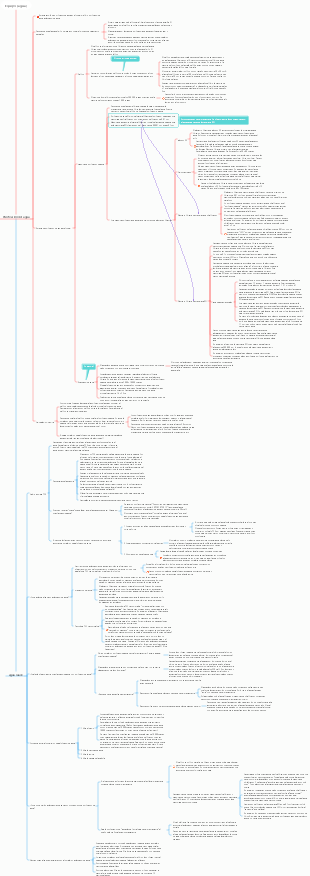
MindMap Gallery Art Introduction Mind Map
Introduces the concept of art, the functions of art, works of art, artistic creation, art acceptance, etc. Applicable to postgraduate entrance examination, hope it will be helpful to you!
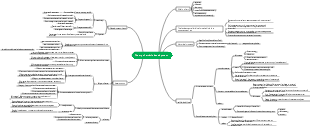
Edited at 2024-01-25 23:46:47Mappa mentale per l’analisi del controllo della gestione del portata di progetto. Tre sezioni principali: 1. WBS Scope Breakdown – scomposizione gerarchica del lavoro con dettaglio dello Scopo del progetto. 2. Scope Boundary / Exclusions – definizione chiara dei confini del progetto e di ciò che è escluso per evitare scope creep. Strumento ideale per project manager e team di controllo per mantenere allineamento e ridurre rischi.

Questo template, ideato con EdrawMind, è un modello completo per il miglioramento continuo del sistema di gestione della qualità, con una descrizione di circa 500 parole. È strutturato come un diagramma a lisca di pesce, strumento efficace per analizzare le cause principali dei problemi di qualità e definire le leve di controllo necessarie per risolverli. Il processo è organizzato in quattro fasi chiave: la prima è lo standard e la pianificazione, dove si definiscono gli obiettivi di qualità, i criteri di accettazione, i requisiti di prova e le porte di qualità (Quality Gate). La seconda fase analizza i processi e le porte di controllo, per garantire che ogni passaggio del lavoro segua i standard stabiliti. La terza fase riguarda l’esecuzione QA/QC, con la definizione di metodi di prova e ispezione, nonché regole per la gestione dei difetti e delle non conformità. L’ultima fase è il miglioramento e le azioni correttive e preventive (CAPA), insieme a una catena di audit per monitorare l’efficacia delle misure adottate. In basso, una tabella "Quality Gate" permette di tracciare ogni punto di controllo, con criteri specifici, metodi di prova, proprietario e stato di avanzamento. Grazie alla visualizzazione chiara e intuitiva di EdrawMind, questo strumento aiuta il team a identificare le cause root dei problemi di qualità, implementare azioni efficaci e mantenere un ciclo di miglioramento continuo, garantendo la qualità finale del prodotto o servizio.
Questo template, creato con EdrawMind, è un modello di piano di comunicazione ottimizzato, con una descrizione di circa 500 parole. È uno strumento chiave per evitare incomprensioni tra stakeholder, garantire la trasparenza e mantenere il team allineato agli obiettivi del progetto. Il modello è composto da tre elementi fondamentali e interconnessi: la matrice di comunicazione, la cadenza timeline e le regole di comunicazione/SLA. La matrice di comunicazione è una tabella dettagliata dove per ogni pubblico o stakeholder, si definisce il tipo di informazioni da condividere, lo scopo della comunicazione, il canale da utilizzare (email, riunioni, piattaforme di progetto), la frequenza, il proprietario responsabile, il formato e il percorso di escalazione in caso di problemi. La cadenza timeline è una linea temporale che definisce le scadenze delle comunicazioni chiave, garantendo che le informazioni siano condivise in momento opportuno e non si verifichino ritardi o omissioni. Le regole di comunicazione e gli accordi sul livello di servizio (SLA) definiscono le norme formali della comunicazione, come i tempi di risposta, il tono da adottare e le responsabilità di ciascun membro del team. Grazie alla struttura visuale di EdrawMind, questo template permette di pianificare la comunicazione in modo strategico, trasparente e efficiente, riducendo i rischi di cattiva informazione, migliorando la collaborazione e garantendo che tutti gli stakeholder siano informati e coinvolti nel progetto.
Mappa mentale per l’analisi del controllo della gestione del portata di progetto. Tre sezioni principali: 1. WBS Scope Breakdown – scomposizione gerarchica del lavoro con dettaglio dello Scopo del progetto. 2. Scope Boundary / Exclusions – definizione chiara dei confini del progetto e di ciò che è escluso per evitare scope creep. Strumento ideale per project manager e team di controllo per mantenere allineamento e ridurre rischi.
Questo template, ideato con EdrawMind, è un modello completo per il miglioramento continuo del sistema di gestione della qualità, con una descrizione di circa 500 parole. È strutturato come un diagramma a lisca di pesce, strumento efficace per analizzare le cause principali dei problemi di qualità e definire le leve di controllo necessarie per risolverli. Il processo è organizzato in quattro fasi chiave: la prima è lo standard e la pianificazione, dove si definiscono gli obiettivi di qualità, i criteri di accettazione, i requisiti di prova e le porte di qualità (Quality Gate). La seconda fase analizza i processi e le porte di controllo, per garantire che ogni passaggio del lavoro segua i standard stabiliti. La terza fase riguarda l’esecuzione QA/QC, con la definizione di metodi di prova e ispezione, nonché regole per la gestione dei difetti e delle non conformità. L’ultima fase è il miglioramento e le azioni correttive e preventive (CAPA), insieme a una catena di audit per monitorare l’efficacia delle misure adottate. In basso, una tabella "Quality Gate" permette di tracciare ogni punto di controllo, con criteri specifici, metodi di prova, proprietario e stato di avanzamento. Grazie alla visualizzazione chiara e intuitiva di EdrawMind, questo strumento aiuta il team a identificare le cause root dei problemi di qualità, implementare azioni efficaci e mantenere un ciclo di miglioramento continuo, garantendo la qualità finale del prodotto o servizio.
Questo template, creato con EdrawMind, è un modello di piano di comunicazione ottimizzato, con una descrizione di circa 500 parole. È uno strumento chiave per evitare incomprensioni tra stakeholder, garantire la trasparenza e mantenere il team allineato agli obiettivi del progetto. Il modello è composto da tre elementi fondamentali e interconnessi: la matrice di comunicazione, la cadenza timeline e le regole di comunicazione/SLA. La matrice di comunicazione è una tabella dettagliata dove per ogni pubblico o stakeholder, si definisce il tipo di informazioni da condividere, lo scopo della comunicazione, il canale da utilizzare (email, riunioni, piattaforme di progetto), la frequenza, il proprietario responsabile, il formato e il percorso di escalazione in caso di problemi. La cadenza timeline è una linea temporale che definisce le scadenze delle comunicazioni chiave, garantendo che le informazioni siano condivise in momento opportuno e non si verifichino ritardi o omissioni. Le regole di comunicazione e gli accordi sul livello di servizio (SLA) definiscono le norme formali della comunicazione, come i tempi di risposta, il tono da adottare e le responsabilità di ciascun membro del team. Grazie alla struttura visuale di EdrawMind, questo template permette di pianificare la comunicazione in modo strategico, trasparente e efficiente, riducendo i rischi di cattiva informazione, migliorando la collaborazione e garantendo che tutti gli stakeholder siano informati e coinvolti nel progetto.
Introduction to Art
Chapter 1 Artistic Concept
Section 1 The Evolution of Artistic Concepts
3. Marxist concept of art (What is the basic Marxist concept of art?)
The development of Marxist artistic concepts in China
Xi Jinping’s literary and artistic expression of socialism with Chinese characteristics in the new era
Socialist Literature and Art Theory with Chinese Characteristics
Mao Zedong’s Literary Thoughts
Thinking about art and beauty from the perspective of human nature
Art is a form of social ideology.
The dialectical relationship between artistic content and form
1. The evolution of Chinese artistic concepts (Chinese artistic concepts)
Confucian artistic concept of integrating ritual and music
Taoist artistic concept of natural freedom
Zen art concept
2. The evolution of Western artistic concepts (Western artistic concepts)
Art System Theory
imitation theory
Expressionism
formalism
Section 2 Artistic Characteristics
3. Aesthetic characteristics of art (in what aspects are the aesthetic characteristics of art manifested?)
The aesthetic characteristics of art are the concentrated expression of human aesthetic experience
The spiritual connotation of transcendence is the highest value of artistic aesthetics
Image and form are the sources of aesthetic characteristics of art
Emotion is the foundation of artistic aesthetic characteristics
2. Art production and consumption
The meaning of art production (how to understand the theory of art production?)
The imbalance between the development of material production and the development of art
The complete process of art production and art consumption
1. Marx on “The Way Art Masters the World”
imaginative
typicality
formality
Chapter 7 The Development of Art
Section 1 The Origin of Art
1. The main theories about the origin of art (the main theories about the origin of art in history, how to understand their connotation?)
labor theory
imitation theory
game says
performance theory
Witchcraft
Section 2 The development process of art
3. Several major issues in the development of art
1. Balance and imbalance in the development of art (How to understand and recognize the relationship between balance and imbalance in the development of art?)
2. Inheritance and innovation in the development of art (How to fully understand the relationship between inheritance and innovation in the development of art?)
1. Practical activities on the laws of art development in history (theory of the laws of art development)
• The Theory of Production Practice (How to use the Marxist theory of development to explain the process of art production?)
• The theory of self-discipline in art (2020 real question)
• Theory of era determination
• Concept evolution theory
2. Factors related to art development (what are the internal and external factors for art development, and what role do they play?)
Chapter 8 Art Styles, Schools and Trends of Thought
Section 1 Artistic Style
2. Categories of artistic styles
Divide according to the characteristics of artistic activities and works in the social and historical process
Divided according to the main body and carrier of artistic style
Classified according to the aesthetic characteristics presented by works of art
3. Basic characteristics and significance of artistic style
Diversity and Identity (Try to describe the significance of promoting diversity in art)
Inheritance and originality
stability and variability
1. Definition of artistic style (briefly describing the definition of artistic style)
The formation of artistic style
Subjective factors
Objective factors
Section 3 Artistic Trends
2. Types of artistic trends
An artistic trend aiming at ideological emancipation and social change.
A trend of artistic thought with the theme of innovation in art forms
An artistic trend aiming at cultural innovation
1. The conditions for its emergence (discussing the meaning and conditions for the emergence of artistic trends)
Internal factors of artistic trends.
social conditions.
Philosophical basis.
3. Comments on artistic trends
Section 2 Art Schools
3. The influence of art schools (discuss the meaning and influence of art schools)
1. The formation of art schools
2. The evolution of art schools
Chapter 9 Art Criticism
Section 3 Dimensions and methods of art criticism (talk about the angles from which art criticism can be carried out)
1. Dimension or angle of art criticism
Language and formal dimensions: art ontology system
Psychological Acceptance Dimension: Audience System
world or reality latitude
Creation subject latitude
2. Methods of art criticism (give examples of the main methods of art criticism)
A critical method that focuses on the object of expression of works of art, that is, the ontology of the world.
Other criticism methods with certain comprehensive and multi-dimensional characteristics
Mythological archetypal criticism method
method of ideological criticism
A critical method that focuses on the subject of artistic creation. subject criticism
A criticism method that focuses on acceptance and audience psychology
A critical approach that focuses on the work itself
Section 2 The subject and subject composition of art criticism
1. The subject of art criticism
2. The main body composition of art criticism (talk about the main body composition of art criticism)
A non-professional group of people and netizen critics who criticize based on their own interests
artist critic
professional critic
media critic
Section 1 The meaning, nature, principles and significance of art criticism
Principles: (What are the important principles that art criticism should follow?)
Meaning: (What is the relationship between art criticism and artistic creation)
Meaning: (What is art criticism?)
nature:
(How does art criticism relate to art theory and art history?)
What are the new changes in art criticism in the Internet era?
Chapter 4 Works of Art
Section 3 Contents of Art Works
2. The image and situation of the artistic work
image of a work of art
Visual image
auditory image
literary image
comprehensive image
context of the work of art
Typical (What is a "typical" situation in an art work? Please explain it in conjunction with the specific art work)
Artistic conception (Why is "artistic conception" an important category in traditional Chinese aesthetics? Please discuss the characteristics of Chinese artistic conception in conjunction with specific works of art)
3. The meaning of art
1. The subject matter and theme of the artwork
theme
theme
Section 1 The medium of artistic works
1. Categories of art media (What media are the works generally in? Combined with the description of the specific art work)
material media
art language medium
2. The role of artistic media
Distinguishing types of art media and works of art
Art media and formal construction of artworks
Section 2 The Form of Art Works
1. Characteristics of art forms
2. Diversity of art forms
Art language combination (external form)
Structure (internal form)
Chapter 5 Art Acceptance
Section 1 The Subject of Art Acceptance
1. The subjective conditions of the subject of acceptance (what are the subjective conditions of the subject of acceptance)
Components of the subject’s subjective conditions
aesthetic appreciation
Artistic literacy
cultural accomplishment
Life experience
Active transformation of subjective conditions (one state and three forces)
2. Accepting the status and role of the subject (what are the new changes in art theory in the 20th century)
• Accept the subject’s participation in the construction of art history
• The dominant role of the receiving subject in accepting art
• Accept the subject’s reaction to artistic creation
Section 2 Characteristics of Art Acceptance
4. Re-creation (Why is art acceptance a creative activity?)
3. Similarities and Differences (How to understand the differences in art acceptance?)
2. Process nature
Aesthetic attention
aesthetic expectations
aesthetic perception
aesthetic experience
aesthetic understanding
1. Experience
What is reception aesthetics? What ideological sources of Marxism have been absorbed by reception aesthetics?
The formation of "aesthetic disinterest" (how aesthetic disinterest is formed)
"The Theory of Aesthetic Contemplation" - Schopenhauer
Aesthetic disinterest—Kant
"Psychic Distance" - Blow
Chapter 3 Artistic Creation
Section 1 The subject of artistic creation (What basic qualities should the subject of artistic creation possess?)
2. Humanistic accomplishment
Humanistic feelings are the concrete embodiment of humanistic accomplishment in creation
Humanistic knowledge is the foundation of humanistic cultivation
Humanistic spirit is the core of humanistic cultivation
1. Social role
Artists are the inheritors and pioneers of advanced culture.
Artists are creators of excellent works
Artists are engineers of the human soul
3. Psychological mechanism (p132)
Image thinking and artistic creation
Abstract thinking and artistic creation
Inspirational thinking and artistic creation
4. Creative personality
Creative personality and social responsibility
The formation of creative personality
Creative personality and works
Section 3 The basic process of artistic creation (What is the basic process of artistic creation?)
3. Materialization
Deep understanding of art media
Proficient in controlling language systems
Flexible use of expression standards
2. Concept
Delineate the subject matter
Determine the topic
Complete positioning
1. Motivation
Section 2 Characteristics of creative methods (art creation and art production, individual creation and collective creation, what are the main characteristics of primary creation and secondary creation?)
2. Individual Creation and Collective Creation
individual creation
Collective creation (such as film and television creation)
1. Art production and artistic creation
artistic creation
art production
3. Primary creation and secondary creation
once created
Second creation
Chapter 10 Contemporary Evolution of Art
Section 1 The grand occasion of art in the context of economic globalization
1. Diversity and localization in art
(Combined with specific cases, let’s talk about the diversification and localization of Chinese art)
2. High art and popular art (How do you view the emphasis on elegance and vulgarity in art?)
Section 2 Creative Industries and Art Market
1. Current Development Status of Cultural and Creative Industries
(How to understand the role and role of the government in promoting the development of cultural and creative industries?)
2. Art Market and Marketing
Section 3 Art under the condition of digital technology (What positive impacts does digital technology have on various categories of contemporary art? What problems should be avoided?)
2. Musical art under the condition of digital technology
1. Art under the condition of digital technology
3. Stage art under digital conditions
4. Comprehensive art under digital conditions
Section 4 Contemporary Media and Art Communication
Internet media compared to electronic media
Internet Media and Art Communication
Paper media and art communication
Electronic media and art communication
Chapter 6 Types of Art (whatever you take the exam to learn)
Section 2 Main Types of Art
3. Dramatic Art
Tragedy (please explain the main types of Western tragedy with specific dramatic works)
Opera Art (Why is Chinese opera characterized by stylization and fictitiousness? What are its specific manifestations?)
5. Fine Arts
2. Painting art
Chinese painting (please discuss the aesthetic characteristics of Chinese painting based on specific works of art)
1. Calligraphy art
3. Sculpture art
4. Arts and crafts
1. Musical Art
Symphony (How many movements does a symphony generally have?)
2. Dance Art
4. Film and Television Art
6. Design Art
7. Architectural gardens
Section 3 The relationship between various arts
1. Interrelationships among various arts
2. Differentiation and synthesis of art types
Section 1 The Historical Evolution of Art Classification
1. Historical classification of art
2. Principles of Classification of Art Types
Chapter 2 The Function of Art
Section 1 Theoretical Review of Art Function
1. Discussion of China
2. Western discussion
Section 2 The main functions of art
4. Aesthetic experience function (Why is the aesthetic experience function room of art the most important or core function?)
1. Aesthetic cognitive function (try to illustrate the aesthetic cognitive function of art with examples)
2. Aesthetic education function
3. Aesthetic entertainment function
This color, after-school thinking questions
This symbol, the key content
Introduction to Art (Ma Engineering, Higher Education Press) Big framework of mind mapping, suitable for postgraduate entrance examinations, etc. Details are available on the homepage