MindMap Gallery Art development theory mind map
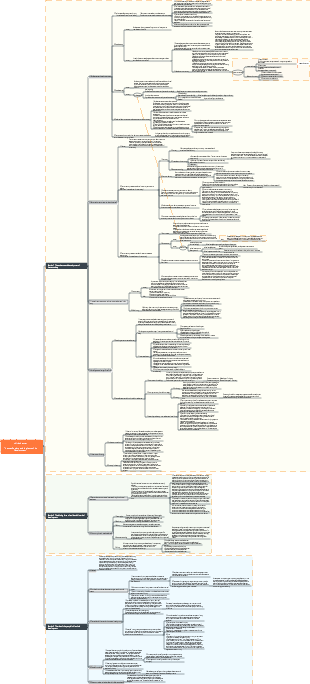
This is a mind map about the development theory of art, including the laws of development, the origin of art, self-discipline, and the fundamental driving force for the occurrence of art.
Edited at 2023-11-02 20:18:51This is a mind map about bacteria, and its main contents include: overview, morphology, types, structure, reproduction, distribution, application, and expansion. The summary is comprehensive and meticulous, suitable as review materials.

This is a mind map about plant asexual reproduction, and its main contents include: concept, spore reproduction, vegetative reproduction, tissue culture, and buds. The summary is comprehensive and meticulous, suitable as review materials.
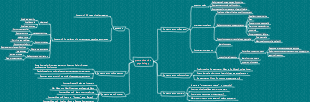
This is a mind map about the reproductive development of animals, and its main contents include: insects, frogs, birds, sexual reproduction, and asexual reproduction. The summary is comprehensive and meticulous, suitable as review materials.
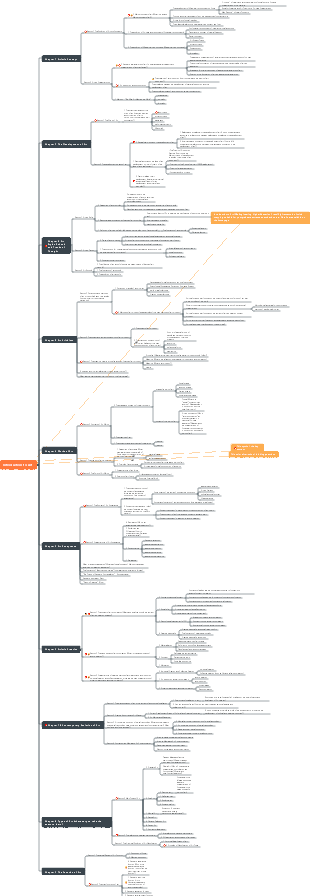
This is a mind map about bacteria, and its main contents include: overview, morphology, types, structure, reproduction, distribution, application, and expansion. The summary is comprehensive and meticulous, suitable as review materials.
This is a mind map about plant asexual reproduction, and its main contents include: concept, spore reproduction, vegetative reproduction, tissue culture, and buds. The summary is comprehensive and meticulous, suitable as review materials.
This is a mind map about the reproductive development of animals, and its main contents include: insects, frogs, birds, sexual reproduction, and asexual reproduction. The summary is comprehensive and meticulous, suitable as review materials.
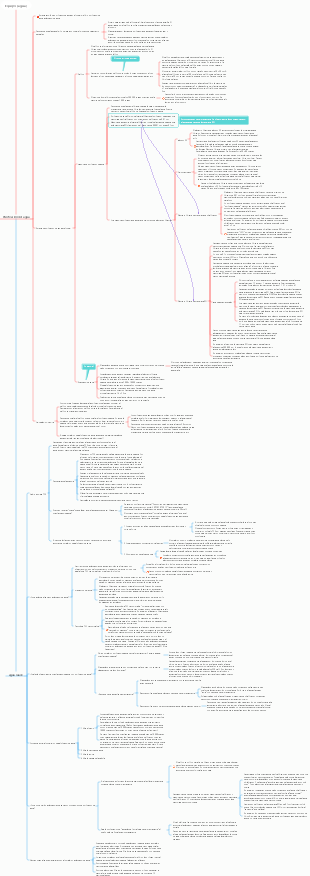
Theory of artistic development
Origin of art
game says
Witchcraft
labor theory
imitation theory/reappearance theory
performance theory
Polydeterminism (Understanding)
The fundamental driving force behind the occurrence of art
The practice of productive labor creates the prerequisite for the occurrence of art
The first necessary condition for the occurrence of art: the practice of productive labor promotes the generation of thoughts and emotions (emotionality)
The second necessary condition: productive labor promotes the emergence and development of aesthetic consciousness (aesthetics)
Production labor practice is the direct cause of primitive art
historical process
Stage One: Purely Practical Goods (Tools)
The second stage: both practical products and works of art (quasi-art)
emergence/prosperity/decline
The third stage: pure art (art in civilized society)
self-discipline
Art inheritance and innovation
historical inheritance
Performance
Thought content
Work form
Types of art and creative methods
aesthetic concept
reason
1. Historical inheritance is determined by the continuity of the development of social material life.
2. Inheritance is determined by the nature of art itself
3. Determined by the task of art expressing life
The Principle of Inheritance: A Critique
Inheritance conditions: Similar artistic styles, inheritance conditions determine the inheritance type
Types of inheritance: 1. Inheritance in the gradual continuation of the same style 2. Inheritance in leaps between different artistic styles
Innovation--the inevitable law of artistic development
Reasons: the task of art (reflecting life), the nature of art (based on innovation), the aesthetic needs of the appreciator, the artist’s personality and uniqueness of thoughts and feelings
Performance
Innovation in the content and form of artistic works (innovation in content will inevitably lead to innovation in form)
Artist - Transcendence of others and self (only artistic achievements that transcend brilliance can be brilliant)
Degree - Innovation in the transformation of the same artistic style and different artistic styles
relation
The worldliness and nationality of art
national character
National Spirit/Diversity of National Arts
The mutual integration/influence of the arts of various ethnic groups
necessity
Performance
condition
world art
Features (3 points)
relation
Everything of the world belongs to the nation. Without the nation, there is no world. (Globality is based on nationality)
Not all nationalities are world-class (there are conditions for national art to become world art)
heteronomy
The relationship with economy is the decisive force and ultimate reason for the development of art.
determine the occurrence of art
determine the nature of art
determine the development of art
imbalance in economic development
Vertical/horizontal/internal art/relative independence of art
Politics - has direct, significant and profound impact
1. The two influence and interact with each other, not the relationship between decision and being determined.
2. Any work of art will, to a greater or lesser extent, directly or indirectly express certain political overtones or views.
3. Art versus politics: satire, exposure
4. Politics versus art: promoting and hindering the development of art, using artistic works as political means
Religion--influence
Hindering artistic development (opposite)
1. Religion - distorted reaction, art - true reaction
2. The object of religion is God, and the object of art is comprehensive social life.
3. Religion requires spiritual enlightenment of the other side of the world, while art requires the visual expression of the real world and secular feelings.
4. Religion - spiritual anesthesia; art - spiritual purification
5. In practice, religion rejects art - the "iconoclastic movement" launched by Byzantium
Promote the development of the arts (common ground)
1. Imagery - God and the Virgin Mary have specific and vivid images
2. All contain emotions and fantasy parts
3. A comprehensive reflection of social life
4. It can soothe the human spirit and produce joy and hope.
Performance: 1. Religion prompts art to break through the limitations of doctrine and develop 2. Provides subject matter for art
Morality - both essential differences and mutual influence
morality versus art
The ethical and moral thoughts of a certain era and a certain society must always be reflected through the content of artistic works.
The artist's worldview and moral values and artistic works must be integrated with the artist's own moral evaluation.
art versus morality
The role of moral education - its impact on social moral consciousness and concepts
philosophy
philosophy versus art
influence on artists
Promote the birth of philosophical works of art
Promote the formation of artistic trends
art versus philosophy
Development Law
model theory
The inevitable law of "start-up-prosperity-decline"
Advantages Disadvantages
"Negation of negation"
The first stage: symbolic (material > spiritual)
The second stage: classical type (material = spiritual)
The third stage: romantic type (spiritual > material)
Advantages Disadvantages
"Changes between poles"
"Tactile - visual"; "linear - painterly"
Advantages and Disadvantages
Dynamism
Theory of Human Nature
Disadvantages: Human nature will be affected by the external social environment.