MindMap Gallery holistic learning strategies
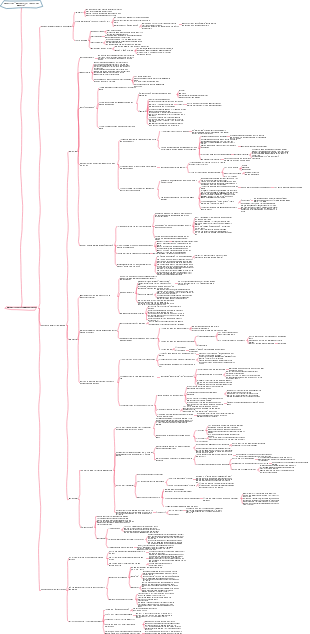
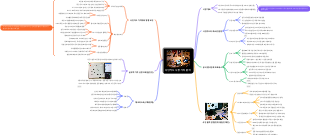
Holistic learning strategy knowledge mind map, including: 1. Learning goals; 2. Learning habits; 3. Analysis of your strengths and weaknesses; 4. Main points; 5. The sequence of holistic learning; 6. Holistic learning techniques; 7. Review; 8. Beyond holistic learning.
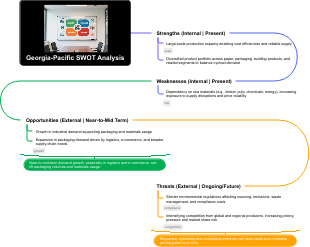
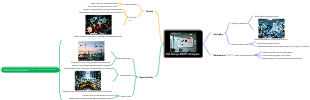
Edited at 2022-06-18 20:52:23This strategic SWOT analysis explores how Aeon can navigate the competitive online landscape, highlighting strengths, weaknesses, opportunities, and threats. Strengths include strong brand recognition (trusted Japanese heritage, quality), omnichannel capabilities (stores + online + mall integration), customer loyalty programs (Aeon Card, points, member pricing), and physical footprint (extensive store network for pickup/returns). Weaknesses encompass digital maturity gaps (e-commerce penetration, app functionality, personalization vs. Amazon, Alibaba), cost structure challenges (store-heavy, real estate, labor), and supply chain complexity (fresh food, frozen logistics for online). Opportunities include enhancing e-commerce competitiveness (faster delivery, wider assortment, lower minimum order), leveraging data-driven strategies (purchase history, personalized offers, inventory optimization), expanding omnichannel integration (buy online pick up in store, ship from store), and private label growth (Topvalu, localized brands). Threats involve online-first players (Amazon, Alibaba, Sea Limited) with lower costs, wider selection, faster delivery, market dynamics (changing consumer behavior post-COVID, discount competitors), and regulatory risks (data privacy, cross-border e-commerce rules). Aeon can strengthen market position by investing in digital capabilities, leveraging store assets for omnichannel, and using customer data for personalization, while addressing cost structure and online competition.

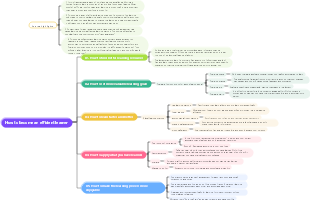
This analysis explores how Aeon effectively tailors offerings to meet the diverse needs of family-oriented consumers through a comprehensive Segmentation, Targeting, and Positioning (STP) framework. Demographic segmentation examines family life stages (young families with babies, school-aged children, teenagers, empty nesters), household sizes (small vs. large), income levels (mass, premium), and parent age bands (millennials, Gen X). This identifies distinct consumer groups with different spending patterns. Geographic segmentation highlights store catchment types (urban, suburban, rural), community characteristics (density, income, competition), and local preferences (fresh food, halal, Japanese products). Psychographic segmentation delves into family values (health, safety, education, convenience), lifestyle orientations (busy professionals, home-centered, eco-conscious). Behavioral segmentation focuses on shopping missions (daily grocery, weekly stock-up, seasonal shopping), price sensitivity (value seekers, premium), channel preferences (in-store, online, pickup). Needs-based segmentation reveals core family needs related to value (good-better-best pricing), budget considerations (affordability, promotions, member pricing), safety (food quality, product recall), convenience (one-stop shopping, parking, store hours). Targeting prioritizes young families with school-aged children, budget-conscious households, and convenience-seeking shoppers. Positioning emphasizes Aeon as a family-friendly, value-for-money, one-stop destination with Japanese quality and local relevance. These insights enhance family shopping experiences through tailored assortments (kids’ products, school supplies), promotions (family bundles, weekend events), and services (nursing rooms, kids’ play areas).
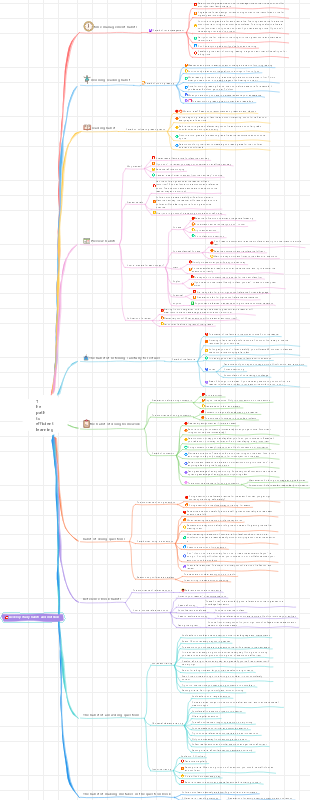
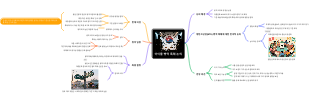
This Kream Sneaker Consumption Scene Analysis Template aims to visualize purchasing and consumption journeys of sneakers, identifying key demand drivers and obstacles. User behavior within Kream includes searching, bidding, buying, selling, authentication, and community engagement. External influences include brand drops (Nike, Adidas), social media (Instagram, TikTok), influencer hype, and cultural trends. Target categories: limited editions, collaborations, retro releases, performance sneakers, and general releases. Timeframes: launch day, first week, first month, long-term (seasonal, yearly). Regions: North America, Europe, Asia (Korea, China, Japan). User segments: Collectors: value rarity, condition, completeness (box, accessories). KPIs: collection size, spend, authentication rate. Resellers: value profit margin, volume, turnover. KPIs: sell-through rate, average profit, listing frequency. Sneakerheads: value hype, trends, community validation. KPIs: purchase frequency, social engagement, wishlist adds. Casual trend followers: value style, convenience, price. KPIs: conversion rate, average order value, repeat purchases. Gift purchasers: value ease, presentation, brand trust. KPIs: gift message usage, return rate. Consumption journey: Awareness: social media, email, push notifications. Search: browse, filter, search by brand, model, size. Purchase: bid, buy now, payment, shipping. Authentication: inspection, verification, certification. Resale: list, price, sell, transfer. Sharing: review, unboxing, social post, community discussion. Key performance indicators: conversion rate, sell-through rate, average order value, customer lifetime value, authentication pass rate, return rate, Net Promoter Score. This framework helps understand sneaker trading dynamics, user motivations, and touchpoints for engagement and satisfaction.
This strategic SWOT analysis explores how Aeon can navigate the competitive online landscape, highlighting strengths, weaknesses, opportunities, and threats. Strengths include strong brand recognition (trusted Japanese heritage, quality), omnichannel capabilities (stores + online + mall integration), customer loyalty programs (Aeon Card, points, member pricing), and physical footprint (extensive store network for pickup/returns). Weaknesses encompass digital maturity gaps (e-commerce penetration, app functionality, personalization vs. Amazon, Alibaba), cost structure challenges (store-heavy, real estate, labor), and supply chain complexity (fresh food, frozen logistics for online). Opportunities include enhancing e-commerce competitiveness (faster delivery, wider assortment, lower minimum order), leveraging data-driven strategies (purchase history, personalized offers, inventory optimization), expanding omnichannel integration (buy online pick up in store, ship from store), and private label growth (Topvalu, localized brands). Threats involve online-first players (Amazon, Alibaba, Sea Limited) with lower costs, wider selection, faster delivery, market dynamics (changing consumer behavior post-COVID, discount competitors), and regulatory risks (data privacy, cross-border e-commerce rules). Aeon can strengthen market position by investing in digital capabilities, leveraging store assets for omnichannel, and using customer data for personalization, while addressing cost structure and online competition.
This analysis explores how Aeon effectively tailors offerings to meet the diverse needs of family-oriented consumers through a comprehensive Segmentation, Targeting, and Positioning (STP) framework. Demographic segmentation examines family life stages (young families with babies, school-aged children, teenagers, empty nesters), household sizes (small vs. large), income levels (mass, premium), and parent age bands (millennials, Gen X). This identifies distinct consumer groups with different spending patterns. Geographic segmentation highlights store catchment types (urban, suburban, rural), community characteristics (density, income, competition), and local preferences (fresh food, halal, Japanese products). Psychographic segmentation delves into family values (health, safety, education, convenience), lifestyle orientations (busy professionals, home-centered, eco-conscious). Behavioral segmentation focuses on shopping missions (daily grocery, weekly stock-up, seasonal shopping), price sensitivity (value seekers, premium), channel preferences (in-store, online, pickup). Needs-based segmentation reveals core family needs related to value (good-better-best pricing), budget considerations (affordability, promotions, member pricing), safety (food quality, product recall), convenience (one-stop shopping, parking, store hours). Targeting prioritizes young families with school-aged children, budget-conscious households, and convenience-seeking shoppers. Positioning emphasizes Aeon as a family-friendly, value-for-money, one-stop destination with Japanese quality and local relevance. These insights enhance family shopping experiences through tailored assortments (kids’ products, school supplies), promotions (family bundles, weekend events), and services (nursing rooms, kids’ play areas).
This Kream Sneaker Consumption Scene Analysis Template aims to visualize purchasing and consumption journeys of sneakers, identifying key demand drivers and obstacles. User behavior within Kream includes searching, bidding, buying, selling, authentication, and community engagement. External influences include brand drops (Nike, Adidas), social media (Instagram, TikTok), influencer hype, and cultural trends. Target categories: limited editions, collaborations, retro releases, performance sneakers, and general releases. Timeframes: launch day, first week, first month, long-term (seasonal, yearly). Regions: North America, Europe, Asia (Korea, China, Japan). User segments: Collectors: value rarity, condition, completeness (box, accessories). KPIs: collection size, spend, authentication rate. Resellers: value profit margin, volume, turnover. KPIs: sell-through rate, average profit, listing frequency. Sneakerheads: value hype, trends, community validation. KPIs: purchase frequency, social engagement, wishlist adds. Casual trend followers: value style, convenience, price. KPIs: conversion rate, average order value, repeat purchases. Gift purchasers: value ease, presentation, brand trust. KPIs: gift message usage, return rate. Consumption journey: Awareness: social media, email, push notifications. Search: browse, filter, search by brand, model, size. Purchase: bid, buy now, payment, shipping. Authentication: inspection, verification, certification. Resale: list, price, sell, transfer. Sharing: review, unboxing, social post, community discussion. Key performance indicators: conversion rate, sell-through rate, average order value, customer lifetime value, authentication pass rate, return rate, Net Promoter Score. This framework helps understand sneaker trading dynamics, user motivations, and touchpoints for engagement and satisfaction.
holistic learning strategies
1. Learning objectives
1. Lifelong learning
Treat life with a lifelong learning attitude.
The essence of learning
imitate
practise
Reflection
learning pathways
Online education
studying group
Find the best teacher
Invest in yourself
Put into practice!
Give up all time wasters.
financial freedom
2. Learning objectives
Clarify learning goals
personal knowledge system
Cross-domain
Solve the problem
Judgment and decision-making
expressive communication
mind Mapping
become a habit of thinking
pyramid principle
become a habit of thinking
professional field
Apply what you learn
study circle
Motivate yourself
compete
study
studying group
write down deadline
Refinement progress bar
Deadlines
sequence
Target
How to learn better models
Set learning goals
A range of learning technologies
3. Effect evaluation
able to see
A4 paper method
specific actions
Specific every day of the week
Completion
good habits
learning environment
clear goal
100% execution
Reflect, think and improve
Confirm what you have learned
Participate in the competition
Discuss with people
studying group
willpower
Good work and rest
Stable life
keep exercising
confidence
maintain urgency
4. Information management
information anxiety
Evernote
mind mapping software
Micro Cloud
2. Study habits
learning type
The method that suits you
night owl type
Best from 9 a.m. to 1 p.m.
visual learning
Like to obtain information by looking at text and charts;
It is easy to "recognize" words by "looking"
Likes to take notes and write out my thoughts with a pen
Recall information by recalling its specific location and form on a page of content
thinking pattern
Specific and orderly.
Specific and random.
Abstract and random.
abstract random
Learn by doing
abstract and orderly
3. Analyze your strengths and weaknesses
overcoming setbacks
1. Write down any obstacles
2. Use the Internet
3. Find a reference book on “how to do it”
4. Establish good study habits
daily reading
daily practice
daily goals
5. Write it down
Learning disabilities and solutions
Not proficient in everything
excessive distraction
Focus on your own limited area
plateau
Once there is no progress, there is no motivation
lose freshness
opinionated
I am obsessed with various schools of thought and think that I am basically awesome if I read them.
The realm of seeing and the realm of achieving
No system, no stage
Pay attention to the accumulation of basics
Pay attention to the coherence and systematicness of learning
understanding of learning
No original text
Thoughts are confused
There is no own system
Most of the notes are simple excerpts from the book
Addicted to online novels
Keen to collect
Light collection does not learn
Doing too much useless work
Reflect regularly
Study fatigue and solutions
don't want to study
Learn twice as fast
do something else
Watch chicken blood video
cross learning
energy management
relaxation techniques
roll eyes
whole body tense
bath
easily distracted
Taste it briefly
attention
Focus
Clear objectives
Specify time limit
strong interest
good habits
Disconnected, mobile phone
Avoid interference from others
Thinking is too jumpy and easily distracted
Maintain long-term focus and resist distractions
Learning density and concentration, breadth and depth of thinking
Rejuvenate
tenacious
4. Main points
1. Four structures
Perception
life experience
relation
Basic Mathematics
metaphor
2. Model
3. Expressway
5. The sequence of holistic learning
1. Get
1. Simplify
"I am.x6",
delete
2. Capacity
3. Speed
4. Question
Slow reading and listening speed
Need to read again and again
5. Reason
Poor reading and study habits
Bad note-taking habits
Not understanding basic nouns and grammar
6. Solve
Develop good habits of studying, reading, and taking notes
2. Understand (understand)
learn
connect
not understand
break down
3. Expand (explore,
depth
Explore the background of knowledge
Horizontal
Explore knowledge relationships
portrait
metaphor
Explore knowledge from the perspective of other structures after making connections with them
Internalization
4. Error correction (debugging)
looking for errors
Delete is invalid
practice
5. Application
Apply knowledge to various situations
6. Test
Acquire---Have I seen or heard this knowledge before?
Understand, -----Do I understand the meaning of knowledge? (At least literally,
Expansion-----I know where knowledge comes from and what knowledge is related to it? Did I use a metaphor? How many times did it take
indivual?
Correction,----Did I delete those inappropriate contacts? Did I delete those false conclusions?
Application------Have I applied the knowledge to my actual life?
summary
Don't be superstitious
Identify weaknesses
6. Holistic Learning Technology
1. Get perspective
1. Speed Reading
1. Pointing reading method
2. Practice reading method
3. Active reading method
4)Read silently
5. Theme reading method
2. Note flow
What knowledge is the focus and the core content of teaching
Error notes
1. Re-enactment of the scene
2. Analysis errors
3. Avoid making mistakes
2. Contact viewpoints
1. Metaphor
It is somewhat similar to what we are studying now
2. Internalization
visualize
give emotion
3. Simple diagram
connect several ideas
3. Processing of random information
1. Lenovo
2. Hook
3. Compression
4. Knowledge expansion
1. Practical application
2. Model error correction
3. Goal-based learning
7. Review
review
1. Memory curve
5m,30m,24h,72h,168h
2. Retell to others
Writing summary
Think about it every day
Continuously deepen and continuously improve
repeat
Ask and answer yourself
Others ask questions
A topic is established every year, and then the whole year is spent learning knowledge in this new field.
And the ultimate goal of learning is to write a book about this field.
3. Brain map review
4. Learning Pyramid
Read 10%
20% have heard of it
Viewed 30%
Said 70%
Said and done 90% of the time
2 weeks after what I did
5. Memory method
memory principle
series connection
fixed pile
Images of
Senses
Lenovo
imagine
memory tips
exaggerate
Feel
color
Lenovo
imagine
rhythm
Number 7
sports
8. Beyond holistic learning
1. Energy management
Exercise regularly
healthy diet
Do not stay up all night
stay passionate
2. Don’t “study”
3. Never delay
time management
GTD
One thing at a time
chunk of time
Focus
An eventful moment
Different energy consumption
Use fragmented time
exercise
read aloud
4. Batch operations
workload
Complete the job in one go
Raise attention threshold
5. Organized