MindMap Gallery project scope management
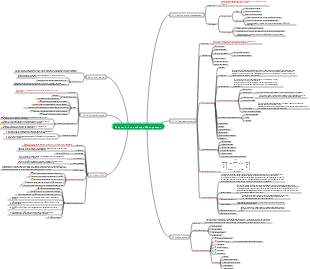
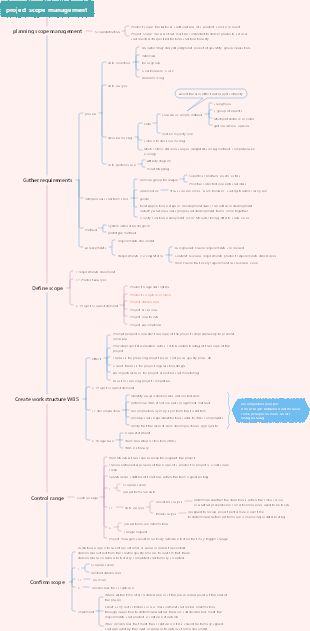
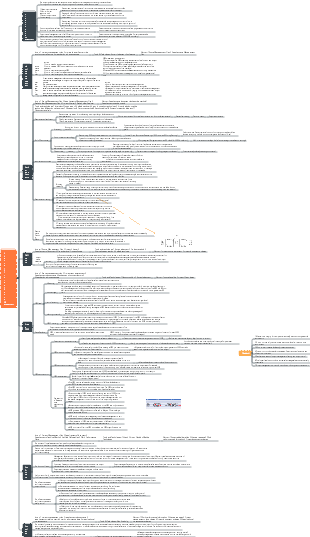
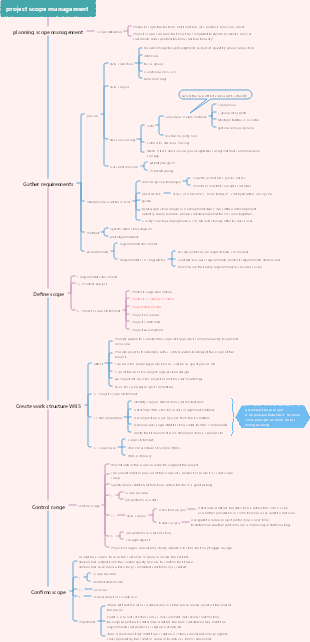
PMP Chapter 5 Project Scope Management, Project scope management includes the various processes of ensuring that the project does and only does all the work required to successfully complete the project. Validating scope is the process of formal acceptance of completed project deliverables.
Edited at 2022-02-24 18:41:57本テンプレートは、日本人に人気の海外リゾート地「ハワイ・オアフ島」を対象とした、5 日間の充実したモデル旅行プランを体系化したマインドマップです。初めてハワイを訪れる旅行者、リピーター、家族連れやカップルなど、多様なニーズに対応するため、旅行基本情報・持ち物チェックリスト・5 日間詳細スケジュール・オプションプラン・事前準備情報の 5 つの軸で構成されています。対象読者は日本からオアフ島へ旅行を計画中の 20〜50 代の旅行者であり、成果指標としては、情報の網羅性(渡航手続きから現地体験まで必要な項目が過不足なく含まれているか)、実用性(移動時間や費用、予約のタイミングなどの正確さ)、体験の充実度(自然・文化・アクティビティ・食事のバランス)を測定します。 ユーザーニーズ分析では、渡航準備・現地移動・体験プラン・安全情報の 4 領域を掘り下げます。渡航準備においては、ESTA 申請、飛行機の予約、為替、パスポートの有効期限、海外旅行保険など、事前に整えるべき情報が不足していると計画が難しくなります。求められる価値としては、渡航に必要な手続きの流れ、必要な持ち物リスト、季節別の服装アドバイス、現地で使えるアプリや連絡先などが考えられます。現地移動では、ワイキキ内の徒歩・バス移動、レンタカーの利用方法、空港からのアクセス、交通機関のルール(右側通行など)が主な関心事です。悩みとしては、バスの路線が分からない、レンタカーの予約手続きが不安、現地での移動時間の目安が分からないなどが挙げられます。体験プランでは、ビーチでのんびり、ダイヤモンドヘッドのハイキング、ノースショアでのサーフィン、ハレイワタウン散策、ポリネシアン・カルチャーセンターでの文化体験など、オアフ島の魅力を網羅したプランが求められます。悩みとしては、限られた日数で主要スポットを効率よく回れない、予算に合ったアクティビティの選び方が分からない、人気のレストランやショップの情報が不足しているなどが挙げられます。安全情報では、ハワイ特有の注意点(紫外線対策、海での安全ルール、治安情報)、緊急時の連絡先、現地でのトラブル対応方法など、旅行者が不安に感じる点を整理することが重要です。 5 日間のモデルコースでは、各日のテーマを明確に設定し、体験のバランスを考慮しています。1 日目は「到着日・ワイキキ慣らし」として、ホノルル国際空港に到着後、ワイキキのホテルにチェックインし、夕方からワイキキビーチでのんびりしたり、夜は地元料理を味わったりして、ハワイの雰囲気に慣れる行程です。2 日目は「自然体験&ショッピング」として、午前中にダイヤモンドヘッドのハイキングに挑戦し、午後はアラモアナセンターやワイキキでショッピングを楽しみ、夜はハワイアン・ルアウショーを鑑賞する行程です。3 日目は「歴史文化巡り」として、イオラニ宮殿やパールハーバー(真珠湾)を訪れてハワイの歴史に触れ、午後はダウンタウンホノルルで街歩きをし、夜はインターナショナルマーケットプレイスで食事や買い物を楽しむ行程です。4 日目は「北海岸&大自然体験」として、オプションでノースショアへ向かい、ハレイワタウンで散策したり、サーフィンを体験したり、美しいビーチでのんびり過ごす行程で、夜はワイキキに戻って食事を楽しみます。5 日目は「最終日・思い出作り」として、午前中にワイキキビーチでの最後の散策や、お土産を買いに街を巡り、午後は空港へ移動して帰国する行程です。各日には、おすすめの時間帯、混雑しにくいタイミング、予約が必要なアクティビティの情報などを付け加え、実際に旅行する際の参考になるよう工夫しています。 また、テンプレートには持ち物チェックリストも含まれており、パスポート・ESTA、海外旅行保険証書、現金・クレジットカード、日焼け止め・帽子・サングラス、歩きやすい靴、薬、充電器など、海外旅行に必要なアイテムをリストアップしています。さらに、事前準備情報として、ネット環境の確保、現地で使えるアプリ、緊急連絡先、季節別の服装アドバイスなども記載し、旅行者の不安を解消するようサポートします。 EdrawMind のマインドマップ機能を活用することで、ユーザーは自身の旅行スタイルに合わせて行程を追加・削除したり、好みのアクティビティをハイライトしたりすることができます。例えば、ゆっくりリゾートを楽しみたい方はショッピングやハイキングの時間を減らしてビーチでの時間を増やしたり、アクティブに過ごしたい方はノースショアでのサーフィンやダイビングを追加したりするなど、カスタマイズも自由自在です。このテンプレートは、オアフ島の旅行計画を立てる際の基盤として活用することを想定しており、主要な情報が一目で分かるよう整理されているため、初めてハワイを

本テンプレートは、古都・奈良の世界遺産、鹿とのふれあい、歴史的な雰囲気を存分に楽しむための 1 泊 2 日旅行プランを体系化したマインドマップです。修学旅行や短期文化旅行、週末の小旅行に人気の奈良を対象に、イメージ・種類・交通・宿泊の 4 つの基本軸を設け、2 日間の具体的な行程を時系列で整理しています。対象読者は大阪・京都在住の 20〜40 代の一人旅・カップル・家族連れ、初めて奈良を訪れる旅行者、世界遺産や日本文化に興味のある層であり、成果指標としては、行程の網羅性(主要スポットが過不足なく含まれているか)、実用性(移動時間や混雑情報の正確さ)、体験の充実度(鹿とのふれあい・文化体験の満足度)を測定します。 ユーザーニーズ分析では、行程・体験・交通・注意点の 4 領域を掘り下げます。行程においては、「東大寺」「春日大社」「奈良国立博物館」といった世界遺産の回り方、「奈良公園」での鹿とのふれあい、「奈良町」の古い町並み散策がユーザーの関心事となります。悩みとしては、限られた時間で主要スポットを効率よく回れない、鹿との接し方が分からない、徒歩移動の負担が心配などが挙げられます。求められる価値としては、時間帯別のおすすめルート、鹿と安全に接するためのマナー説明、無理のない徒歩移動のための休憩ポイント案内が考えられます。体験面では、鹿せんべいの購入場所や与え方、春日大社の灯篭や御朱印の魅力、奈良町のカフェや伝統工芸体験など、現地でしか味わえない体験情報が求められます。交通においては、奈良市内のバス路線や一日券の情報、主要スポット間の徒歩時間、雨天時の移動手段など、事前に知っておくべき情報が不足していると計画が難しくなります。注意点では、天候対策(夏の暑さや冬の寒さ)、スケジュールのゆとり作り、写真撮影のルールやマナー、ゴミの持ち帰りなど、旅行者が見落としがちな点を整理することが重要です。 行程の中でも、特に人気の高いスポットには詳細な情報を盛り込んでいます。「東大寺」は世界遺産に登録されており、奈良時代に建立された日本を代表する寺院で、世界最大級の木造建築物である大仏殿や、高さ約 15 メートルの盧舎那仏(奈良の大仏)が有名です。事前にコインロッカーに荷物を預けて身軽になってから訪れることで、ゆっくりと境内を散策できるほか、大仏殿の柱の穴をくぐると「厄除けになる」という言い伝えもあり、多くの観光客が体験しています。「奈良公園」は東大寺や春日大社を含む広大な公園で、約 1,300 頭の野生の鹿が自由に生息しており、鹿せんべいを使って鹿とふれあうことができます。ただし、鹿は野生動物であるため、エサの与え方や触れ方には注意が必要で、事前にルールを確認しておくことが推奨されます。「春日大社」は朱色の社殿と美しい灯篭が特徴的な世界遺産で、参道には 3,000 基を超える石灯篭が並び、神聖な雰囲気を醸し出しています。特に夜間にライトアップされた灯篭は幻想的で、写真撮影にも人気です。 1 泊 2 日のモデルコースでは、初日に東大寺・奈良公園・春日大社を巡り、夜は奈良町の古い町並みを散策して地元料理を味わう行程を提案しています。二日目には、若草山から奈良の街並みを一望した後、興福寺や奈良国立博物館を訪れ、奈良町で伝統工芸体験やカフェ巡りを楽しんでから帰路に就く流れとなっています。各スポットには、徒歩時間や混雑しにくい時間帯、おすすめの食事処などの情報を付け加え、実際に旅行する際の参考になるよう工夫しています。また、旅行の注意点として、スケジュールは体調に合わせて無理のないペースで調整すること、天候に合わせて水分補給や防寒・防暑対策を徹底すること、神社仏閣での写真撮影ルールを守ることなどを記載し、安全で快適な旅行をサポートします。 EdrawMind のマインドマップ機能を活用することで、ユーザーは自身の旅行スタイルに合わせて行程を追加・削除したり、好みのスポットをハイライトしたりすることができます。一人旅向けには静かなカフェ巡りを追加したり、家族連れ向けには鹿とのふれあい体験を充実させたりするなど、カスタマイズも自由自在です。このテンプレートは、奈良の旅行計画を立てる際の基盤として活用することを想定しており、主要な情報が一目で分かるよう整理されているため、初めて奈良を訪れる方でも安心して旅行を楽しむことができます。
本テンプレートは、東京から約90分でアクセス可能な温泉・富士山・美術館が融合したリゾート地「箱根」の週末旅行ガイドを体系化したマインドマップです。カップルや家族連れに人気の週末旅行先として、交通アクセス、観光スポット、名物料理の3軸で構成され、効率的な旅行計画と満足度の高い体験を実現することを目的としています。対象読者は東京在住の20〜40代のカップル・家族連れ、初めて箱根を訪れる旅行者、週末の小旅行を計画中の層であり、成果指標としては、情報の網羅性(必要な項目が過不足なく含まれているか)、実用性(実際の移動時間や料金の正確さ)、満足度(モデルプランの再現性)を測定します。 ユーザーニーズ分析では、交通アクセス、観光スポット、グルメの3領域を掘り下げます。交通アクセスにおいては、東京からの行き方(小田急ロマンスカー約85分・指定席、新宿→箱根湯本、普通電車約2時間・乗換2回)、箱根内の移動手段(登山電車・バス・ケーブルカー・ロープウェイ)、お得な周遊券(箱根フリーパス・2日券)の情報が不足していると計画が難しくなります。求められる価値としては、交通機関別の所要時間・料金・乗換回数を比較した表、周遊券の特典内容(主要観光施設の割引)と購入場所、移動手段ごとのメリット・デメリットが考えられます。観光スポットでは、「箱根ガラスの森美術館」「クモ箱根(早雲山駅)」「芦ノ湖の夕暮れ遊覧船」などが代表的です。悩みとしては、美術館や自然スポットが多すぎて選べない、夕暮れ時の遊覧船のベストタイミングが分からない、写真映えするスポットを知りたいなどが挙げられます。価値ある情報として、おすすめスポットの特徴と所要時間、夕暮れ時の撮影ポイント、カップル向け・家族向けの選別基準を提供します。名物料理では、「黒たまご(大涌谷)」「温泉豆腐」などが代表的です。悩みは、どこで何を食べれば良いか分からない、観光地価格に見合う価値があるか、アレルギーや食事制限への対応などです。求められる価値として、名物料理の特徴とおすすめ店舗、価格帯、食べるタイミング(例:黒たまごは大涌谷観光の合間に)を整理します。 カップルにおすすめスポットとして、「箱根ガラスの森美術館」はユネスコ世界遺産(※正確には箱根地域全体がジオパークに認定されていますが、イメージとして)の美しい庭園とガラス作品が魅力です。写真はイメージですが、実際の訪日客にも人気のスポットです。名物料理のセクションでは、「黒たまご」は大涌谷の火山活動を利用して茹でられた卵で、殻が黒くなるのが特徴です。伝統的な名物料理として、食べると寿命が延びると言われています。「温泉豆腐」も地元の温泉を利用した料理で、なめらかな食感が特徴です。これらの情報をマップ上で可視化し、移動ルートと組み合わせることで、無駄のない観光計画が立てられます。 成功するための具体施策としては、主要スポットを時系列で結んだ「1泊2日モデルコース」を提供する(例:1日目:新宿→箱根湯本→登山電車→強羅→大涌谷→芦ノ湖遊覧船→宿泊、2日目:箱根ガラスの森美術館→箱根湯本→帰京)、各スポットの「混雑予想時間帯」と「穴場時間帯」をデータで示す(例:芦ノ湖遊覧船は夕暮れ時が混雑するが、その分景色は絶景)、名物料理を食べられる店舗の「営業時間・定休日・予約可否」をリスト化する、の3点が有効です。よくある失敗とその回避策としては、移動手段の乗換えが複雑で迷ってしまうケースでは箱根フリーパスの活用と事前のルート確認を推奨すること、観光スポットの滞在時間を見誤って計画が詰まりすぎるケースでは余裕を持ったスケジューリングと優先順位付けをアドバイスすること、天候によって富士山が見えない場合の代替プラン(雨天でも楽しめる美術館や温泉施設)を用意しておくことが有効です。本テンプレートは、週末旅行ガイドのコンテンツを計画・評価する際の基盤として活用することを想定しています。
本テンプレートは、日本人に人気の海外リゾート地「ハワイ・オアフ島」を対象とした、5 日間の充実したモデル旅行プランを体系化したマインドマップです。初めてハワイを訪れる旅行者、リピーター、家族連れやカップルなど、多様なニーズに対応するため、旅行基本情報・持ち物チェックリスト・5 日間詳細スケジュール・オプションプラン・事前準備情報の 5 つの軸で構成されています。対象読者は日本からオアフ島へ旅行を計画中の 20〜50 代の旅行者であり、成果指標としては、情報の網羅性(渡航手続きから現地体験まで必要な項目が過不足なく含まれているか)、実用性(移動時間や費用、予約のタイミングなどの正確さ)、体験の充実度(自然・文化・アクティビティ・食事のバランス)を測定します。 ユーザーニーズ分析では、渡航準備・現地移動・体験プラン・安全情報の 4 領域を掘り下げます。渡航準備においては、ESTA 申請、飛行機の予約、為替、パスポートの有効期限、海外旅行保険など、事前に整えるべき情報が不足していると計画が難しくなります。求められる価値としては、渡航に必要な手続きの流れ、必要な持ち物リスト、季節別の服装アドバイス、現地で使えるアプリや連絡先などが考えられます。現地移動では、ワイキキ内の徒歩・バス移動、レンタカーの利用方法、空港からのアクセス、交通機関のルール(右側通行など)が主な関心事です。悩みとしては、バスの路線が分からない、レンタカーの予約手続きが不安、現地での移動時間の目安が分からないなどが挙げられます。体験プランでは、ビーチでのんびり、ダイヤモンドヘッドのハイキング、ノースショアでのサーフィン、ハレイワタウン散策、ポリネシアン・カルチャーセンターでの文化体験など、オアフ島の魅力を網羅したプランが求められます。悩みとしては、限られた日数で主要スポットを効率よく回れない、予算に合ったアクティビティの選び方が分からない、人気のレストランやショップの情報が不足しているなどが挙げられます。安全情報では、ハワイ特有の注意点(紫外線対策、海での安全ルール、治安情報)、緊急時の連絡先、現地でのトラブル対応方法など、旅行者が不安に感じる点を整理することが重要です。 5 日間のモデルコースでは、各日のテーマを明確に設定し、体験のバランスを考慮しています。1 日目は「到着日・ワイキキ慣らし」として、ホノルル国際空港に到着後、ワイキキのホテルにチェックインし、夕方からワイキキビーチでのんびりしたり、夜は地元料理を味わったりして、ハワイの雰囲気に慣れる行程です。2 日目は「自然体験&ショッピング」として、午前中にダイヤモンドヘッドのハイキングに挑戦し、午後はアラモアナセンターやワイキキでショッピングを楽しみ、夜はハワイアン・ルアウショーを鑑賞する行程です。3 日目は「歴史文化巡り」として、イオラニ宮殿やパールハーバー(真珠湾)を訪れてハワイの歴史に触れ、午後はダウンタウンホノルルで街歩きをし、夜はインターナショナルマーケットプレイスで食事や買い物を楽しむ行程です。4 日目は「北海岸&大自然体験」として、オプションでノースショアへ向かい、ハレイワタウンで散策したり、サーフィンを体験したり、美しいビーチでのんびり過ごす行程で、夜はワイキキに戻って食事を楽しみます。5 日目は「最終日・思い出作り」として、午前中にワイキキビーチでの最後の散策や、お土産を買いに街を巡り、午後は空港へ移動して帰国する行程です。各日には、おすすめの時間帯、混雑しにくいタイミング、予約が必要なアクティビティの情報などを付け加え、実際に旅行する際の参考になるよう工夫しています。 また、テンプレートには持ち物チェックリストも含まれており、パスポート・ESTA、海外旅行保険証書、現金・クレジットカード、日焼け止め・帽子・サングラス、歩きやすい靴、薬、充電器など、海外旅行に必要なアイテムをリストアップしています。さらに、事前準備情報として、ネット環境の確保、現地で使えるアプリ、緊急連絡先、季節別の服装アドバイスなども記載し、旅行者の不安を解消するようサポートします。 EdrawMind のマインドマップ機能を活用することで、ユーザーは自身の旅行スタイルに合わせて行程を追加・削除したり、好みのアクティビティをハイライトしたりすることができます。例えば、ゆっくりリゾートを楽しみたい方はショッピングやハイキングの時間を減らしてビーチでの時間を増やしたり、アクティブに過ごしたい方はノースショアでのサーフィンやダイビングを追加したりするなど、カスタマイズも自由自在です。このテンプレートは、オアフ島の旅行計画を立てる際の基盤として活用することを想定しており、主要な情報が一目で分かるよう整理されているため、初めてハワイを
本テンプレートは、古都・奈良の世界遺産、鹿とのふれあい、歴史的な雰囲気を存分に楽しむための 1 泊 2 日旅行プランを体系化したマインドマップです。修学旅行や短期文化旅行、週末の小旅行に人気の奈良を対象に、イメージ・種類・交通・宿泊の 4 つの基本軸を設け、2 日間の具体的な行程を時系列で整理しています。対象読者は大阪・京都在住の 20〜40 代の一人旅・カップル・家族連れ、初めて奈良を訪れる旅行者、世界遺産や日本文化に興味のある層であり、成果指標としては、行程の網羅性(主要スポットが過不足なく含まれているか)、実用性(移動時間や混雑情報の正確さ)、体験の充実度(鹿とのふれあい・文化体験の満足度)を測定します。 ユーザーニーズ分析では、行程・体験・交通・注意点の 4 領域を掘り下げます。行程においては、「東大寺」「春日大社」「奈良国立博物館」といった世界遺産の回り方、「奈良公園」での鹿とのふれあい、「奈良町」の古い町並み散策がユーザーの関心事となります。悩みとしては、限られた時間で主要スポットを効率よく回れない、鹿との接し方が分からない、徒歩移動の負担が心配などが挙げられます。求められる価値としては、時間帯別のおすすめルート、鹿と安全に接するためのマナー説明、無理のない徒歩移動のための休憩ポイント案内が考えられます。体験面では、鹿せんべいの購入場所や与え方、春日大社の灯篭や御朱印の魅力、奈良町のカフェや伝統工芸体験など、現地でしか味わえない体験情報が求められます。交通においては、奈良市内のバス路線や一日券の情報、主要スポット間の徒歩時間、雨天時の移動手段など、事前に知っておくべき情報が不足していると計画が難しくなります。注意点では、天候対策(夏の暑さや冬の寒さ)、スケジュールのゆとり作り、写真撮影のルールやマナー、ゴミの持ち帰りなど、旅行者が見落としがちな点を整理することが重要です。 行程の中でも、特に人気の高いスポットには詳細な情報を盛り込んでいます。「東大寺」は世界遺産に登録されており、奈良時代に建立された日本を代表する寺院で、世界最大級の木造建築物である大仏殿や、高さ約 15 メートルの盧舎那仏(奈良の大仏)が有名です。事前にコインロッカーに荷物を預けて身軽になってから訪れることで、ゆっくりと境内を散策できるほか、大仏殿の柱の穴をくぐると「厄除けになる」という言い伝えもあり、多くの観光客が体験しています。「奈良公園」は東大寺や春日大社を含む広大な公園で、約 1,300 頭の野生の鹿が自由に生息しており、鹿せんべいを使って鹿とふれあうことができます。ただし、鹿は野生動物であるため、エサの与え方や触れ方には注意が必要で、事前にルールを確認しておくことが推奨されます。「春日大社」は朱色の社殿と美しい灯篭が特徴的な世界遺産で、参道には 3,000 基を超える石灯篭が並び、神聖な雰囲気を醸し出しています。特に夜間にライトアップされた灯篭は幻想的で、写真撮影にも人気です。 1 泊 2 日のモデルコースでは、初日に東大寺・奈良公園・春日大社を巡り、夜は奈良町の古い町並みを散策して地元料理を味わう行程を提案しています。二日目には、若草山から奈良の街並みを一望した後、興福寺や奈良国立博物館を訪れ、奈良町で伝統工芸体験やカフェ巡りを楽しんでから帰路に就く流れとなっています。各スポットには、徒歩時間や混雑しにくい時間帯、おすすめの食事処などの情報を付け加え、実際に旅行する際の参考になるよう工夫しています。また、旅行の注意点として、スケジュールは体調に合わせて無理のないペースで調整すること、天候に合わせて水分補給や防寒・防暑対策を徹底すること、神社仏閣での写真撮影ルールを守ることなどを記載し、安全で快適な旅行をサポートします。 EdrawMind のマインドマップ機能を活用することで、ユーザーは自身の旅行スタイルに合わせて行程を追加・削除したり、好みのスポットをハイライトしたりすることができます。一人旅向けには静かなカフェ巡りを追加したり、家族連れ向けには鹿とのふれあい体験を充実させたりするなど、カスタマイズも自由自在です。このテンプレートは、奈良の旅行計画を立てる際の基盤として活用することを想定しており、主要な情報が一目で分かるよう整理されているため、初めて奈良を訪れる方でも安心して旅行を楽しむことができます。
本テンプレートは、東京から約90分でアクセス可能な温泉・富士山・美術館が融合したリゾート地「箱根」の週末旅行ガイドを体系化したマインドマップです。カップルや家族連れに人気の週末旅行先として、交通アクセス、観光スポット、名物料理の3軸で構成され、効率的な旅行計画と満足度の高い体験を実現することを目的としています。対象読者は東京在住の20〜40代のカップル・家族連れ、初めて箱根を訪れる旅行者、週末の小旅行を計画中の層であり、成果指標としては、情報の網羅性(必要な項目が過不足なく含まれているか)、実用性(実際の移動時間や料金の正確さ)、満足度(モデルプランの再現性)を測定します。 ユーザーニーズ分析では、交通アクセス、観光スポット、グルメの3領域を掘り下げます。交通アクセスにおいては、東京からの行き方(小田急ロマンスカー約85分・指定席、新宿→箱根湯本、普通電車約2時間・乗換2回)、箱根内の移動手段(登山電車・バス・ケーブルカー・ロープウェイ)、お得な周遊券(箱根フリーパス・2日券)の情報が不足していると計画が難しくなります。求められる価値としては、交通機関別の所要時間・料金・乗換回数を比較した表、周遊券の特典内容(主要観光施設の割引)と購入場所、移動手段ごとのメリット・デメリットが考えられます。観光スポットでは、「箱根ガラスの森美術館」「クモ箱根(早雲山駅)」「芦ノ湖の夕暮れ遊覧船」などが代表的です。悩みとしては、美術館や自然スポットが多すぎて選べない、夕暮れ時の遊覧船のベストタイミングが分からない、写真映えするスポットを知りたいなどが挙げられます。価値ある情報として、おすすめスポットの特徴と所要時間、夕暮れ時の撮影ポイント、カップル向け・家族向けの選別基準を提供します。名物料理では、「黒たまご(大涌谷)」「温泉豆腐」などが代表的です。悩みは、どこで何を食べれば良いか分からない、観光地価格に見合う価値があるか、アレルギーや食事制限への対応などです。求められる価値として、名物料理の特徴とおすすめ店舗、価格帯、食べるタイミング(例:黒たまごは大涌谷観光の合間に)を整理します。 カップルにおすすめスポットとして、「箱根ガラスの森美術館」はユネスコ世界遺産(※正確には箱根地域全体がジオパークに認定されていますが、イメージとして)の美しい庭園とガラス作品が魅力です。写真はイメージですが、実際の訪日客にも人気のスポットです。名物料理のセクションでは、「黒たまご」は大涌谷の火山活動を利用して茹でられた卵で、殻が黒くなるのが特徴です。伝統的な名物料理として、食べると寿命が延びると言われています。「温泉豆腐」も地元の温泉を利用した料理で、なめらかな食感が特徴です。これらの情報をマップ上で可視化し、移動ルートと組み合わせることで、無駄のない観光計画が立てられます。 成功するための具体施策としては、主要スポットを時系列で結んだ「1泊2日モデルコース」を提供する(例:1日目:新宿→箱根湯本→登山電車→強羅→大涌谷→芦ノ湖遊覧船→宿泊、2日目:箱根ガラスの森美術館→箱根湯本→帰京)、各スポットの「混雑予想時間帯」と「穴場時間帯」をデータで示す(例:芦ノ湖遊覧船は夕暮れ時が混雑するが、その分景色は絶景)、名物料理を食べられる店舗の「営業時間・定休日・予約可否」をリスト化する、の3点が有効です。よくある失敗とその回避策としては、移動手段の乗換えが複雑で迷ってしまうケースでは箱根フリーパスの活用と事前のルート確認を推奨すること、観光スポットの滞在時間を見誤って計画が詰まりすぎるケースでは余裕を持ったスケジューリングと優先順位付けをアドバイスすること、天候によって富士山が見えない場合の代替プラン(雨天でも楽しめる美術館や温泉施設)を用意しておくことが有効です。本テンプレートは、週末旅行ガイドのコンテンツを計画・評価する際の基盤として活用することを想定しています。
project scope management
definition
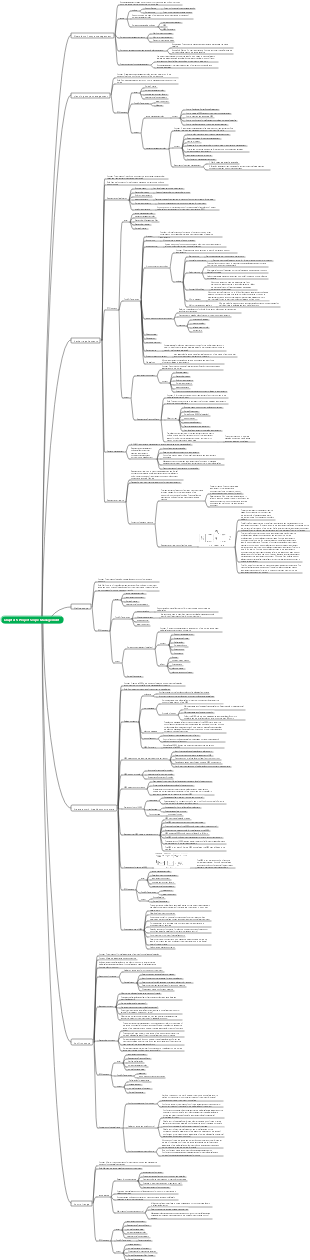
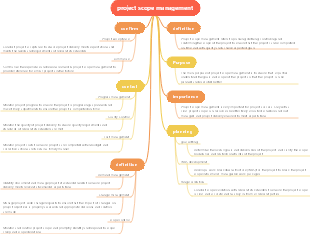
Project scope management includes the processes of ensuring that the project does, and only does, all the work required to successfully complete the project. Validating scope is the process of formal acceptance of completed project deliverables.
It mainly lies in defining and controlling which work should be included in the project and which should not be included in the project.
Product Range
Completion is measured against product requirements
The features and functions of a product, service or result.
Project scope
The work that must be done to deliver a product, service, or result with specified features and functionality. Project scope sometimes also includes product scope.
Completion of project scope is measured against the project management plan
Predictive lifecycle scope description
Project deliverables are defined at the beginning of the project and any scope changes are managed incrementally
Validating scope occurs as each deliverable is generated or at phase review points, while controlling scope is an ongoing process.
The approved project scope statement, work breakdown structure (WBS) and corresponding WBS dictionary constitute the project scope baseline. Baseline changes can only be made through a formal change control process
Adaptive Project Scope Statement
The overall scope is broken down into a series of requirements to be implemented and work to be performed (sometimes called product backlog). In each iteration, three processes are repeated: gathering requirements, defining scope, and creating a WBS
In each iteration, two processes are repeated: confirming scope and controlling scope.
Use backlog, including product requirements and user stories, to reflect current needs
Supplementary explanation: "Requirements" refer to the conditions or capabilities that products, services or results must have according to specific agreements or other mandatory specifications. Requirements will form the basis of the work breakdown structure (WBS) and will form the basis for cost, schedule, quality and procurement planning.
The requirements management process ends with requirements closure, which is the handover of the product, service, or outcome to the recipient so that benefits can be measured, monitored, realized, and sustained over the long term.
Factors to consider when tailoring
Knowledge and requirements management.
Validation and control.
development methods.
Stability of demand.
Governance.
plan
5.1 Planning scope management
definition
Its primary role is to provide guidance and direction on how to manage scope throughout the project.
The process of creating a scope management plan to document how project scope and product scope are defined, validated, and controlled
The scope management plan is the component of the project or program management plan that describes how the project scope will be defined, developed, monitored, controlled, and validated
enter
Project Charter
project management plan
quality management plan
The way in which the organization's quality policies, methods, and standards are implemented on projects affects the way in which project and product scope are managed
Item life cycle description
Defines a series of stages that a project goes through from inception to completion
development method
Defines whether the project uses waterfall, iterative, adaptive, agile or hybrid development methods
business environment factors
Organizational culture; infrastructure; personnel management systems; market conditions.
organizational process assets
Tools & Techniques
expert judgment
data analysis
Various methods for assessing and gathering requirements, detailing project and product scope, creating products, confirming scope, and controlling scope.
Meeting
Attendees may include the project manager, project sponsor, selected project team members, selected stakeholders, leaders of each scope management process, and other necessary personnel
output
scope management plan
Definition: The scope management plan is a component of the project management plan that describes how the project scope will be defined, developed, monitored, controlled, and validated
Develop project scope statement;
Create a WBS based on the detailed project scope statement
Determine how scope baselines will be approved and maintained;
Formal acceptance of completed project deliverables.
*Demand management plan
Definition: The component of a project management plan that describes how project and product requirements will be analyzed, documented, and managed. Some organizations call this a "Business Analysis Program"
How to plan, track and report on various requirements activities
Configuration management activities, such as how changes are initiated, how their impact is analyzed, and change approval permissions
Requirements prioritization process;
Measurement indicators and rationale for using them;
A trace structure that reflects which requirement attributes will be included in the trace matrix.
5.2 Collect requirements
Definition: The process of identifying, documenting, and managing the needs and wants of interested parties to achieve project objectives. Its purpose is to lay the foundation for defining the product scope and project scope and is carried out only once or only at predefined points in the project.
enter
Project Charter
project management plan
Scope management plan.
Demand management plan.
Stakeholder engagement plan.
project files
business plan
The business document that affects the requirements gathering process is the business case, which describes the necessary, expected, and optional standards that should be met to meet business needs.
protocol
business environment factors
organizational process assets
*Tools and techniques
expert judgment
Business analysis; requirements elicitation; requirements analysis; requirements documents; project requirements from similar previous projects; diagramming techniques; guided conflict management.
*data collection
Brainstorming
Interview
Interviews are formal or informal methods of obtaining information through direct conversations with interested parties.
An interview typically involves asking interviewees predetermined and impromptu questions and recording their responses.
Often a "one-on-one" conversation, but may include multiple interviewers and/or multiple interviewees
Interviews with experienced project participants, sponsors and other executives, as well as subject matter experts, help identify and define the characteristics and functionality of the required product deliverables. Interviews can also be used to obtain confidential information.
focus group
A focus group is a gathering of predetermined stakeholders and subject matter experts to understand their expectations and attitudes toward the product, service, or outcome in question
A trained moderator leads the interactive discussion.
Questionnaire
Ideal for situations where your audience is diverse, surveys need to be completed quickly, respondents are geographically dispersed, and statistical analysis is appropriate
Benchmark comparison see
Comparable organizations used for benchmarking can be internal or external
data analysis
*decision making
vote
collective decision making
autocratic decision making
Multi-criteria decision analysis
With the help of a decision matrix, this technology uses a systematic analysis method to establish various criteria such as risk level, uncertainty and value return to evaluate and rank many ideas.
*Data performance
Affinity diagram
Techniques used to group large numbers of ideas for further review and analysis
mind Mapping
*Interpersonal and team skills
nominal group technique
Rank the most useful ideas by voting for further brainstorming or prioritization.
Present a question or problem to the group. Everyone writes their thoughts after reflection.
Moderator records everyone’s ideas on a flip chart
Brainstorm ideas until all members reach a clear consensus.
Individuals vote privately to prioritize ideas, usually on a 5-point scale, with 1 being the lowest and 5 being the highest.
observe and talk
Observation and conversation are direct observations of how individuals perform work (or tasks) and implement processes in their respective environments
When product users are difficult or unwilling to articulate their needs, observation is particularly necessary to understand the details of their work.
Observation, also known as "job shadowing," typically involves a stand-in observer observing how a business expert performs his or her work, but can also be observed by a "participant observer," who experiences a process or procedure by actually performing it. How to implement it to uncover hidden needs.
guide
Facilitation is used in conjunction with topical workshops to bring key stakeholders together to define product requirements.
Used to quickly define cross-functional requirements and coordinate differences in requirements among relevant parties.
Because of the characteristics of group interaction, effectively guided workshops can help build trust, improve relationships, and improve communication among participants, thereby helping relevant parties reach a consensus.
Guidance Scenario
Joint Application Design or Development (JAD) to gather requirements and improve the software development process.
Quality Function Deployment (QFD), the manufacturing industry uses QFD as a guidance skill to help determine the key features of new products. Customer needs, also known as "voice of the customer," objectively classify and rank these needs, and set goals to achieve these needs.
User stories. User stories are short written descriptions of required functionality, often generated from requirements workshops. User stories describe which stakeholder will benefit from the functionality (role), what he needs to achieve (goal), and what benefits he expects to gain (motivation)
*System interaction method
A system interaction diagram is an example of a scope model, which is a visual depiction of the scope of a product, showing business systems (processes, equipment, computer systems, etc.) and how they interact with people and other systems (actors)
The system interaction diagram shows the inputs of the business system, the input providers, the outputs of the business system, and the output receivers.
*Prototype method
Definition: Creating a prototype of the desired product and soliciting early feedback on requirements before actually manufacturing the product.
including miniatures, computer-generated 2D and 3D models, physical models or simulations
A prototype is a tangible object that allows interested parties to experience a model of the final product, rather than being limited to discussing abstract descriptions of requirements.
The prototype method supports the concept of progressive detailing and requires an iterative process from model creation, user experience, feedback collection to prototype modification.
After enough feedback loops, enough requirement information can be obtained through the prototype to enter the design or manufacturing phase.
Storyboard
It is a prototyping technology that shows a sequence or navigation path through a series of images or diagrams.
Storyboards are used in a variety of projects across a variety of industries, such as film, advertising, instructional design, and agile and other software development projects.
In software development, storyboards use mockups to illustrate the navigation path of a web page, screen, or other user interface.
output
*Requirements document
Definition: Describe how various single requirements will satisfy the business needs associated with the project
It may start with only high-level requirements and then gradually refine them as information about the requirements increases.
Only requirements that are clear (measurable and testable), traceable, complete, coordinated, and willing to be recognized by the main stakeholders can serve as a baseline.
The requirements document can be in various formats, it can be a simple document listing all requirements classified by relevant parties and priorities, or it can be a detailed document including an executive summary, detailed descriptions, attachments, etc.
Requirements are divided into different categories such as business solutions and technical solutions. The former refers to the needs of relevant parties, and the latter refers to how to achieve these needs.
Category of requirements
Business needs: high-level needs of the entire organization
Stakeholder needs
Solution requirements
Functional Requirements.
Functional requirements describe what the product should do, for example, the actions, processes, data, and interactions the product should perform
Non-functional requirements.
Non-functional requirements are supplements to functional requirements and are the environmental conditions or quality requirements required for the normal operation of the product, such as reliability, confidentiality, performance, security, service level, supportability, retention or removal, etc.
Transition and readiness needs
These requirements describe the temporary capabilities required to transition from the "current state" to the "future state", such as data transformation and training needs.
Project requirements
Actions, processes or other conditions that need to be met by the project, such as milestone dates, contractual obligations, constraints, etc.
quality requirements
Any conditions or standards used to confirm the successful completion of project deliverables or achievement of other project requirements, such as testing, certification, validation, etc.
*Requirements matrix tracking method
A form that connects product requirements from their sources to the deliverables that satisfy the requirements.
A requirements traceability matrix is a table that connects product requirements from their source to the deliverables that satisfy the requirements. Making a requirements traceability matrix, linking each requirement to business goals or project goals, helps ensure that each requirement has business value.
The requirements tracking matrix provides a way to track requirements throughout the project life cycle, helping to ensure that each approved requirement in the requirements document can be delivered at the end of the project.
Finally, the requirements tracking matrix also provides a framework for managing product scope changes.
category
Business needs, opportunities, goals and objectives; project goals; project scope and WBS deliverables; product design; product development; test strategy and test scenarios; high-level requirements to detailed requirements
The relevant attributes of each requirement should be recorded in the requirements tracking matrix. These attributes help clarify the key information of each requirement.
Typical attributes recorded in the requirements tracking matrix include unique identification, text description of the requirement, reason for including the requirement, owner, source, priority, version, current status (such as in progress, canceled, postponed, newly added, added Approved, Assigned, and Completed) and status date
To ensure stakeholder satisfaction, additional attributes such as stability, complexity, and acceptance criteria may need to be added. It lists relevant requirement attributes.
5.3 Define scope
Definition: The process of developing detailed descriptions of projects and products.
The Define Scope process selects the final project requirements from the requirements document (the output of the Collect Requirements process) and then develops a detailed description of the project and its products, services, or results. Preparing a detailed project scope statement is critical to project success
A detailed project scope statement should be prepared based on the key deliverables, assumptions, and constraints documented during project initiation
As more information is learned about the project, the project scope should be defined and described in more detail.
The completeness of existing risks, assumptions, and constraints needs to be analyzed and necessary additions or updates made.
Plan the work for the next iteration in detail as the project scope and deliverables for the current iteration progress.
enter
Project Charter
The project charter contains a high-level description of the project, product features, and approval requirements
project management plan
Project management plan components include (but are not limited to) a scope management plan, which documents how the project scope will be defined, validated, and controlled.
project files
Assumption log. Requirements document. Risk register.
business environment factors
organizational process assets
Tools & Techniques
expert judgment
data analysis
decision making
Interpersonal and team skills
*product analysis
Product analysis can be used to define products and services and involves asking and answering questions about the product or service to describe the purpose, characteristics, and other aspects of the product to be delivered.
Every application area has one or more generally recognized methods for transforming high-level product or service descriptions into meaningful deliverables. Start by capturing high-level requirements and then refine them to the level of detail required for the final product design
Product Analysis Technology:
Product decomposition; demand analysis; system analysis; systems engineering; value analysis; value engineering.
output
*Project Scope Statement
A project scope statement is a description of the project scope, key deliverables, assumptions, and constraints
It documents the entire scope, including project and product scope; details the project's deliverables
It also represents the consensus among project stakeholders on the scope of the project. To make it easier to manage stakeholder expectations, the project scope statement can clearly indicate what work is outside the scope of the project.
The project scope statement enables the project team to plan in more detail, guides the project team's work during execution and provides a baseline for evaluating whether change requests or additional work exceed the project boundaries.
The level of detail with which the project scope statement describes what will and will not be done determines how effectively the project management team can control the entire project scope.
content
Product range description. Deliverables. Acceptance Criteria. Project Exclusions.
While there is some degree of overlap in the content of the project charter and the project scope statement, their levels of detail are completely different. The project charter contains high-level information, while the project scope statement is a detailed description of the components of the scope that are required to be implemented in the project. Progressive details during the process
Project file updates
5.4 Create WBS
The process of breaking down project deliverables and project work into smaller, more manageable components. work package
The WBS is a hierarchical breakdown of the entire scope of work that the project team needs to perform to achieve the project goals and create the required deliverables.
The WBS organizes and defines the overall scope of the project and represents the work specified in the approved current project scope statement.
The lowest level component is called a work package and contains the planned work. Work packages categorize related activities in order to schedule, estimate, supervise and control work.
In the term "work breakdown structure", "work" refers to the work products or deliverables that are the result of activities rather than the activities themselves
The degree of decomposition depends on the degree of control required. University management of the project has been achieved. The level of detail in the work package will vary depending on the project size and complexity.
enter
project management plan
project files
Project Scope Statement. Requirements document.
business environment factors
WBS standards for the industry in which the project is located, these standards can be used as external reference materials for creating WBS
organizational process assets
Tools & Techniques
expert judgment
break down
Decomposition is a technique for progressively dividing the project scope and project deliverables into smaller, more manageable components
Identify and analyze deliverables and related work; determine the structure and arrangement method of WBS; refine the decomposition from top to bottom; develop and assign identification codes to WBS components; verify whether the degree of decomposition of deliverables is appropriate
How to create a WBS
Top-down decomposition approach, bottom-up validation using organization-specific guidelines and using WBS templates
Each stage of the project life cycle is used as the second level of decomposition, and the products and project deliverables are placed on the third level.
With the main deliverables as the second level of decomposition,
Incorporate various lower-level components developed by organizations outside the project team (such as outsourced work). Subsequently, as part of the outsourced work, the seller must prepare a corresponding contract WBS
output
Scope Baseline
Project Scope Statement, Work Package, WBS, Planning Package
WBS Dictionary
It is a document that details deliverables, activities and progress information for each component in the WBS. The WBS dictionary provides support for WBS, where most of the information is created by other processes and then added to the dictionary at a later stage.
Project file updates
control
Confirm scope
The process of formal acceptance of completed project deliverables. This process should be carried out regularly throughout the project as needed
enter
project management plan
Scope management plan. Demand management plan. Scope baseline.
project files
Lessons learned register. Quality reporting. Requirements document. Requirements tracking matrix.
Verified deliverables
Refers to a deliverable that has been completed and checked as correct by the control quality process.
job performance data
This may include the degree to which requirements are met, the number of inconsistencies, the severity of inconsistencies, or the number of validations performed within a certain time period.
Tools & Techniques
examine
To determine whether the work and deliverables meet the requirements and product acceptance standards; inspections are sometimes called reviews, product reviews, inspections, etc.
decision making
output
*Deliverables for acceptance
Deliverables that meet the acceptance criteria should be formally signed off by the client or sponsor.
job performance information
update request
Project file updates
Control range
Monitor project and product scope status and manage the process of scope baseline changes
The main function is to maintain the scope baseline throughout the project and needs to be carried out throughout the project.
enter
project management plan
Scope management plan. Demand management plan. Change management plan. Configuration management plan. Scope baseline. Performance measurement benchmarks.
project files
job performance data
organizational process assets
Tools & Techniques
data analysis
Deviation analysis. trend analysis.
Determining the causes and extent of deviations from the scope baseline and deciding whether corrective or preventive actions need to be taken are important tasks of project scope control
output
job performance information
change request
Project Management Plan Update
Project file updates
If acceptance has been completed and bugs appear, improvements are needed. If the customer adds requirements, improvements will not be accepted and will be moved to the next stage.
Great PMs use expert judgment, novices use decomposition
The requirements document is entered for proofreading