MindMap Gallery Chapter 5 Project Scope Management
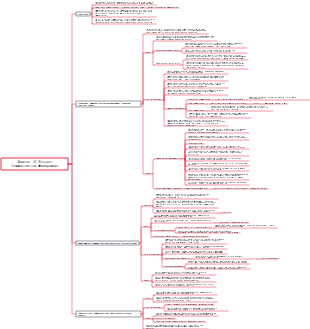
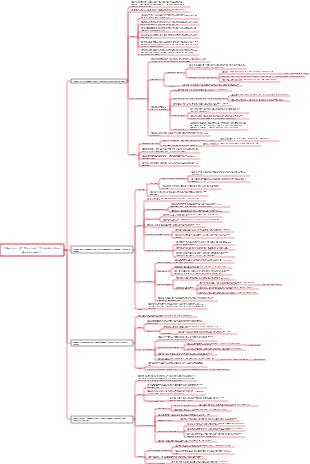
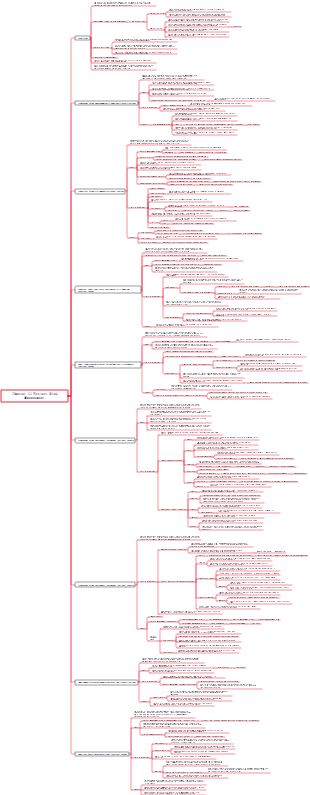
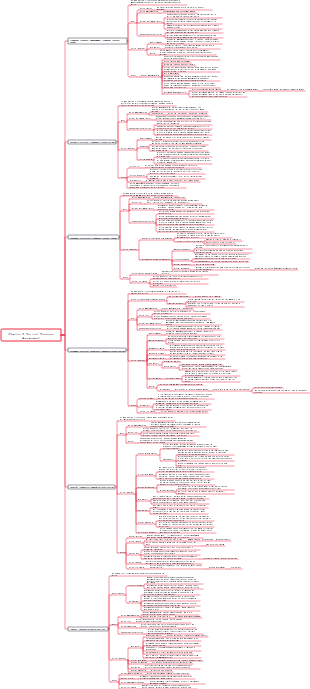
This chapter mainly includes the following contents: Preface Gather requirements planning process group Define Scope Planning Process Group Create a WBS planning process group Confirm Scope Monitoring Process Group Control Scope Monitoring Process Group Everyone is welcome to learn and communicate ~
Edited at 2023-04-15 22:29:21This is a panoramic infographic—currently sweeping across the web—illustrating the comprehensive applications of OpenClaw, a popular open-source AI agent platform. It systematically introduces this intelligent agent framework—affectionately dubbed "Lobster Farming"—helping readers quickly grasp its core value, technical features, application scenarios, and security protocols. It serves as an excellent introductory guide and practical manual.

這是一張最近風靡全網關於熱門開源AI代理平台OpenClaw的全網應用全景圖解。它系統性地介紹了這款被稱為「養龍蝦」的智慧體框架,幫助讀者快速理解其核心價值、技術特性、應用場景及安全規範,是一份極佳的入門指南與實操手冊。此圖主要針對希望利用AI建構自動化工作流程的技術從業人員、中小企業主及效率追求者,透過9大模組層層遞進,全面剖析了OpenClaw從概念到落地的整個過程。 圖中核心內容首先釐清了「養龍蝦」指涉的是OpenClawd開源智能體,並強調其本質是「AI基建」而非一般聊天機器人。隨後詳細比較其與傳統AI助理的區別,擁有記憶管理、權限控制、會話隔離和異常恢復四大基礎能力,支援跨平台存取和多模型相容(如GPT、Claude、Ollama)。同時,圖解提供了完整的部署方案(雲端/本地/Docker),並列舉了辦公室自動化、內容創作、資料收集等五大應用程式場景。此外,還展示了其火爆程度、政府與大廠佈局、安全部署建議及適合/不適合的人群分類。幫助你快速掌握OpenClaw技術架構與應用價值,指導個人或企業建構AI自動化系統,規避資料外洩與權限失控風險,是學習「執行式AI」轉型的權威參考圖譜。
本圖由萬興腦圖繪製,是針對IT研發崗位的結構化個人履歷模板,完整涵蓋求職核心資訊模組。基本資訊區包含姓名、電話、信箱、求職意願及GitHub連結;專業概要要求以2-3句提煉核心優勢;工作經驗以「公司A高級Java開發工程師」為例,以「透過(行動),達成(量化成果)」格式呈現微服務架構設計、系統效能優化、團隊技術規範制定等職責,公司B經歷則聚焦功能模組開發與Elasticsearch搜尋優化;技能專長分程式語言、後端框架、中介軟體、資料庫、容器雲等維度,清楚展示技術堆疊;專案成果以「電商平台秒殺系統」為例,說明技術棧、架構設計、個人貢獻(Redis Lua庫存原子扣減)及KPI;教育背景包含一流大學電腦專業學歷,以及AWS認證解決方案架構師、軟考中級軟體設計師證書。模板邏輯嚴謹,涵蓋IT研發求職全流程關鍵訊息,幫助求職者清晰、量化展示專業能力。
This is a panoramic infographic—currently sweeping across the web—illustrating the comprehensive applications of OpenClaw, a popular open-source AI agent platform. It systematically introduces this intelligent agent framework—affectionately dubbed "Lobster Farming"—helping readers quickly grasp its core value, technical features, application scenarios, and security protocols. It serves as an excellent introductory guide and practical manual.
這是一張最近風靡全網關於熱門開源AI代理平台OpenClaw的全網應用全景圖解。它系統性地介紹了這款被稱為「養龍蝦」的智慧體框架,幫助讀者快速理解其核心價值、技術特性、應用場景及安全規範,是一份極佳的入門指南與實操手冊。此圖主要針對希望利用AI建構自動化工作流程的技術從業人員、中小企業主及效率追求者,透過9大模組層層遞進,全面剖析了OpenClaw從概念到落地的整個過程。 圖中核心內容首先釐清了「養龍蝦」指涉的是OpenClawd開源智能體,並強調其本質是「AI基建」而非一般聊天機器人。隨後詳細比較其與傳統AI助理的區別,擁有記憶管理、權限控制、會話隔離和異常恢復四大基礎能力,支援跨平台存取和多模型相容(如GPT、Claude、Ollama)。同時,圖解提供了完整的部署方案(雲端/本地/Docker),並列舉了辦公室自動化、內容創作、資料收集等五大應用程式場景。此外,還展示了其火爆程度、政府與大廠佈局、安全部署建議及適合/不適合的人群分類。幫助你快速掌握OpenClaw技術架構與應用價值,指導個人或企業建構AI自動化系統,規避資料外洩與權限失控風險,是學習「執行式AI」轉型的權威參考圖譜。
本圖由萬興腦圖繪製,是針對IT研發崗位的結構化個人履歷模板,完整涵蓋求職核心資訊模組。基本資訊區包含姓名、電話、信箱、求職意願及GitHub連結;專業概要要求以2-3句提煉核心優勢;工作經驗以「公司A高級Java開發工程師」為例,以「透過(行動),達成(量化成果)」格式呈現微服務架構設計、系統效能優化、團隊技術規範制定等職責,公司B經歷則聚焦功能模組開發與Elasticsearch搜尋優化;技能專長分程式語言、後端框架、中介軟體、資料庫、容器雲等維度,清楚展示技術堆疊;專案成果以「電商平台秒殺系統」為例,說明技術棧、架構設計、個人貢獻(Redis Lua庫存原子扣減)及KPI;教育背景包含一流大學電腦專業學歷,以及AWS認證解決方案架構師、軟考中級軟體設計師證書。模板邏輯嚴謹,涵蓋IT研發求職全流程關鍵訊息,幫助求職者清晰、量化展示專業能力。
Chapter 5 Project Scope Management
Preface
Core Concepts of Project Scope Management
Product Range
The features and functions of a product, service or achievement
Project scope
Work that must be done to deliver a product, service, or result with specified features and functionality
Project scope sometimes also includes product scope. Product life cycle includes project life cycle
Adaptive in each iteration
Gather requirements
Define scope
Create WBS
Predictive projects
The above process is carried out at the beginning of the project
and updated when necessary by implementing an overall change control process
Adaptive or agile, every iteration
Confirm scope. Control range
Sponsors and client representatives should remain involved in the project. Use backlog items (product requirements and user stories) to reflect current needs
Predictive projects
Validating scope occurs as each deliverable is produced or at stage review points
Scope of control is an ongoing process. and updated when necessary by implementing an overall change control process
The outputs of the control quality process, the verification deliverables, are also inputs to the validation scope, while the acceptance deliverables are the outputs of the validation scope.
project scope management Development trends and emerging practices
Define problems and identify business needs. Drive successful application of a program or project’s products, services, or end results
Collect, document and manage stakeholder requirements to meet business and project objectives
Identify and recommend feasible solutions that meet these needs
Factors to consider when cutting
Knowledge and requirements management
Validation and control
development method
stability of demand
governance
Factors to consider in an agile or adaptive environment
planning scope management planning process group
The primary role is to provide guidance and direction on how to manage scope throughout the project.
enter
Project Charter
Document project purpose
Project Overview
Assumptions
Constraints
High-level requirements that the project intends to achieve
project management plan
quality management plan
Project life cycle description
development method
Waterfall
iterative
adaptive
Agile
Hybrid
business environment factors
group Culture
infrastructure
Personnel management system
market conditions
organizational process assets
policies and procedures
Knowledge base of historical information and lessons learned
Tools & Techniques
expert judgment
Similar projects in the past
Information on specific industries, disciplines and application areas
data analysis
Alternatives analysis
Methods for assessing collection requirements, specifying project and product scope, creating products, validating scope, and controlling scope
Meeting
project manager
Project sponsor
Selected project team members
selected stakeholders
The person responsible for each scope management process
Other necessary personnel
output
scope management plan
Develop a project scope statement. Create a WBS based on the detailed project scope statement
Determine how the scope baseline will be approved and maintained. Formal acceptance of completed project deliverables
demand management plan
How to plan, track and report on various requirements activities
Requirements prioritization process
Metrics to measure and reasons for using them
Configuration management activities
How to initiate changes
How to analyze its impact
How to trace, track and report
Change approval authority
A tracking structure that reflects which requirement attributes will be included in the tracking matrix
also called business analysis plan
Gather requirements planning process group
The process of identifying, documenting, and managing the needs and requirements of stakeholders to achieve project objectives
enter
Project Charter. High-level requirements for formulating detailed requirements
Project management plan. Scope Management Plan . Demand management plan. Stakeholder engagement plan. project files. Assumption. log
Business documents. Business case and agreement. Will include project and product requirements. Lessons learned register. Stakeholder register
Business environment factors. group Culture. Infrastructure.Personnel management system.Market conditions
Organizational process assets. Policies and Procedures. Historical information and lessons learned knowledge base containing information from past projects
Tools & Techniques
expert judgment
Business analysis. Requirements elicitation. Requirements analysis. Requirements documents
Project requirements from similar previous projects. Graphical techniques. Guidance. Conflict management
data collection
Brainstorming. Interview. Confidential Information. Interviews are formal or informal methods of obtaining information through direct conversations with stakeholders.
Focus groups. Gather intended stakeholders and subject matter experts. A trained moderator leads the interactive discussion
Questionnaire. Audience diversity. Investigations need to be completed quickly. Respondents were geographically dispersed. Suitable for statistical analysis
Benchmark comparison. Compare to identify best practices with other people’s children. Comparable organizations can be internal or external
data analysis
File analysis
protocol. Business plan. Business process or interface documentation. Business rules library. Market literature
question. Logs. Policies and procedures. Regulatory documents. Invitation to Proposal.Use Case
decision making
Vote - Agree. Majority agrees. The number of participants is an odd number. A relative majority agrees. Used when there are more than two options
Autocratic decision making. Multi-criteria decision analysis. Evaluate and rank many ideas
Data performance
Affinity diagram. Group a large number of ideas for further review and analysis. mind Mapping. Reflect the commonalities and differences among creatives
Interpersonal and team skills
nominal group technique
The moderator asks a question and everyone thinks about it and writes down their own thoughts. Moderator records everyone’s ideas on a flip chart
Brainstorm ideas until everyone understands them clearly. Individuals vote privately to prioritize ideas
Observe and talk. Observation, also known as "work following"
guide
Joint application design or development JAD (software). Quality Function Deployment QFD (Collect Requirements, Classify and Sequence). user stories
system interaction circle
A visual depiction of the product range
prototype method
Before manufacturing the intended product, a prototype of the product is built. Storyboarding is a prototyping technique
Prototype included. Miniature products. Computer generated 2D and 3D models. Mock-up or simulation
output
requirements document
Business needs. Stakeholder needs. Transition and readiness requirements. Project requirements. Quality requirements
Solution needs. Functional Requirements. non-functional requirements
Requirements Tracking Matrix
Business needs, opportunities, goals and objectives. Project Objectives. Project scope and WBS deliverables. product design
product development. Test strategies and test scenarios. High-level requirements to detailed requirements
Define Scope Planning Process Group
The process of developing detailed project and product descriptions that describe the boundaries and acceptance criteria for a product, service, or outcome.
enter
Project Charter
High-level description. Product features. Approval requirements. Project scope plan. scope management plan
project files
Assumption. log. Assumptions. Constraints.Requirements document. risk register
business environment factors
group Culture. Infrastructure.Personnel management system. market conditions
organizational process assets
Policies, procedures, and templates for developing project scope statements. Project files/lessons learned from previous projects
Tools & Techniques
expert judgment
Data analysis (alternative analysis). Interpersonal and team skills (facilitation). Decision-making (multi-criteria decision analysis)
Product analysis. Product breakdown. Requirements analysis. System analysis. Systems engineering. Value analysis. Value engineering.
output
Project scope statement (excluding scope baseline). Product scope description. Deliverables. Acceptance Criteria. Project Exclusions
Project file updates.Assumptions. Log.Requirements document.Requirements tracking matrix. Stakeholder register
Create a WBS planning process group
Break down project deliverables and project work into smaller, more manageable components
enter
Project management plan. Scope management plan. Project documents. Project Scope Statement. Requirements document.Business environment factors
Organizational process assets. Policies, procedures and templates for creating WBS. Project archives of past projects. Lessons learned from past projects
Tools & Techniques
expert judgment
Identify and analyze deliverables and related work. Determine the structure and orchestration method of WBS. Decomposition layer by layer from top to bottom
Develop and assign identification codes to WBS components. Verify that deliverables are broken down to the appropriate extent
Progressively divide the project scope and project deliverables into smaller, more manageable components. A work package is the lowest level of work in the WBS
Create WBS
Top down. Merge lower-level components from the bottom up. Each stage of the project life cycle is the second layer, and products and project deliverables are the third layer.
Primary deliverables serve as the second layer. Incorporate various lower-level components developed by organizations outside the project team, such as contract WBS for outsourced work
The agile method is to break down long stories into user stories. Rolling planning to decompose. 100% principle: summarizing upward layer by layer
output
Scope Baseline
project scope statement
Product Scope Description. Deliverables. Acceptance Criteria. Project Exclusions
WBS
Hierarchical breakdown of the entire scope of work
work package
The lowest level of WBS is work package and account code. Each work package is part of a control account
A control account has two or more work packages, and each work package is associated with only one control account
planning package
A control account contains one or more planning packages. The work content is known, but the detailed schedule activities are unknown
Planning packages are work breakdown structure components below control accounts and above work packages
WBS Dictionary
Account code ID
Work description. Assumptions and constraints. Responsible organization. Schedule milestones. Related schedule activities
Required resources
Cost Estimate. Quality requirements. Acceptance criteria. Technical references. Protocol information
Documents detailing deliverables, activities and progress information for each component in the WBS
Project files updated. Assumption. log. requirements document
Confirm Scope Monitoring Process Group
The process of formal acceptance of completed project deliverables
Confirm scope and control quality. Confirmation scope focuses on the acceptance of deliverables. Quality control focuses on the correctness of deliverables and whether they meet quality requirements.
enter
project management plan
Scope management plan. Requirements management plan. Scope baseline
project files
Lessons Learned Register. Quality Report. Requirements Document. Requirements Tracking Matrix
Verified deliverables
Deliverables that have been completed and checked as correct by the control quality process
job performance data
The degree to which it meets the needs. No amount. The severity of the inconsistency or the number of confirmations performed within a certain time period
Tools & Techniques
examine
Conduct activities such as measurement, review and validation to determine whether work and deliverables meet requirements and product acceptance criteria
review. Product Review. Inspection
decision making
vote
output
Deliverables for acceptance
Job performance information. Change request. It may be necessary to submit a change request for the deliverables and carry out defect remediation
Project file updates
Lessons learned register.Requirements document. Requirements Tracking Matrix
Control Scope Monitoring Process Group
Monitor project and product scope status and manage the process of scope baseline changes
enter
project management plan
Scope management plan. Requirements management plan. Change management plan. Configuration management plan. Scope benchmark. performance measurement benchmarks
project files
Lessons Learned Register. Requirements Document
Requirements tracking matrix. Exploring the impact of any changes or deviations from the scope baseline on the project objectives
job performance data
The number of change requests received. The number of change requests accepted. Number of deliverables verified, validated and completed
organizational process assets
Existing, formal and informal policies, procedures and guidance related to scope control. Available monitoring and reporting methods and templates
Tools & Techniques
data analysis
Deviation analysis. Determine whether corrective or preventive action is needed
trend analysis. Determine whether performance is improving or deteriorating
output
job performance information
Classification of changes. Identified scope deviations and causes. Impact of deviations on schedule and cost. Predictions of future scope performance
change request
Project document updates. Lessons learned register. Causes of deviations and selected corrective actions. Requirements documentation. Requirements tracking matrix
Project Management Plan Update
scope management plan
Scope benchmark.
scope. Scope Statement . WBS. WBS Dictionary
Progress benchmark. scope. resource. progress estimate
Cost basis. scope. resource. Cost Estimate
Performance measurement benchmarks. scope. Progress performance. Cost Estimate