MindMap Gallery The Little Prince mind map author content introduction character introduction excerpts after reading
"The Little Prince" mind map author's content introduction, character introduction, good sentence excerpts, and after-reading feelings. The main content includes the author, content introduction, character introduction, good sentence excerpts, and after-reading feelings.
Edited at 2022-12-17 11:06:46This strategic SWOT analysis explores how Aeon can navigate the competitive online landscape, highlighting strengths, weaknesses, opportunities, and threats. Strengths include strong brand recognition (trusted Japanese heritage, quality), omnichannel capabilities (stores + online + mall integration), customer loyalty programs (Aeon Card, points, member pricing), and physical footprint (extensive store network for pickup/returns). Weaknesses encompass digital maturity gaps (e-commerce penetration, app functionality, personalization vs. Amazon, Alibaba), cost structure challenges (store-heavy, real estate, labor), and supply chain complexity (fresh food, frozen logistics for online). Opportunities include enhancing e-commerce competitiveness (faster delivery, wider assortment, lower minimum order), leveraging data-driven strategies (purchase history, personalized offers, inventory optimization), expanding omnichannel integration (buy online pick up in store, ship from store), and private label growth (Topvalu, localized brands). Threats involve online-first players (Amazon, Alibaba, Sea Limited) with lower costs, wider selection, faster delivery, market dynamics (changing consumer behavior post-COVID, discount competitors), and regulatory risks (data privacy, cross-border e-commerce rules). Aeon can strengthen market position by investing in digital capabilities, leveraging store assets for omnichannel, and using customer data for personalization, while addressing cost structure and online competition.

This analysis explores how Aeon effectively tailors offerings to meet the diverse needs of family-oriented consumers through a comprehensive Segmentation, Targeting, and Positioning (STP) framework. Demographic segmentation examines family life stages (young families with babies, school-aged children, teenagers, empty nesters), household sizes (small vs. large), income levels (mass, premium), and parent age bands (millennials, Gen X). This identifies distinct consumer groups with different spending patterns. Geographic segmentation highlights store catchment types (urban, suburban, rural), community characteristics (density, income, competition), and local preferences (fresh food, halal, Japanese products). Psychographic segmentation delves into family values (health, safety, education, convenience), lifestyle orientations (busy professionals, home-centered, eco-conscious). Behavioral segmentation focuses on shopping missions (daily grocery, weekly stock-up, seasonal shopping), price sensitivity (value seekers, premium), channel preferences (in-store, online, pickup). Needs-based segmentation reveals core family needs related to value (good-better-best pricing), budget considerations (affordability, promotions, member pricing), safety (food quality, product recall), convenience (one-stop shopping, parking, store hours). Targeting prioritizes young families with school-aged children, budget-conscious households, and convenience-seeking shoppers. Positioning emphasizes Aeon as a family-friendly, value-for-money, one-stop destination with Japanese quality and local relevance. These insights enhance family shopping experiences through tailored assortments (kids’ products, school supplies), promotions (family bundles, weekend events), and services (nursing rooms, kids’ play areas).
This Kream Sneaker Consumption Scene Analysis Template aims to visualize purchasing and consumption journeys of sneakers, identifying key demand drivers and obstacles. User behavior within Kream includes searching, bidding, buying, selling, authentication, and community engagement. External influences include brand drops (Nike, Adidas), social media (Instagram, TikTok), influencer hype, and cultural trends. Target categories: limited editions, collaborations, retro releases, performance sneakers, and general releases. Timeframes: launch day, first week, first month, long-term (seasonal, yearly). Regions: North America, Europe, Asia (Korea, China, Japan). User segments: Collectors: value rarity, condition, completeness (box, accessories). KPIs: collection size, spend, authentication rate. Resellers: value profit margin, volume, turnover. KPIs: sell-through rate, average profit, listing frequency. Sneakerheads: value hype, trends, community validation. KPIs: purchase frequency, social engagement, wishlist adds. Casual trend followers: value style, convenience, price. KPIs: conversion rate, average order value, repeat purchases. Gift purchasers: value ease, presentation, brand trust. KPIs: gift message usage, return rate. Consumption journey: Awareness: social media, email, push notifications. Search: browse, filter, search by brand, model, size. Purchase: bid, buy now, payment, shipping. Authentication: inspection, verification, certification. Resale: list, price, sell, transfer. Sharing: review, unboxing, social post, community discussion. Key performance indicators: conversion rate, sell-through rate, average order value, customer lifetime value, authentication pass rate, return rate, Net Promoter Score. This framework helps understand sneaker trading dynamics, user motivations, and touchpoints for engagement and satisfaction.
This strategic SWOT analysis explores how Aeon can navigate the competitive online landscape, highlighting strengths, weaknesses, opportunities, and threats. Strengths include strong brand recognition (trusted Japanese heritage, quality), omnichannel capabilities (stores + online + mall integration), customer loyalty programs (Aeon Card, points, member pricing), and physical footprint (extensive store network for pickup/returns). Weaknesses encompass digital maturity gaps (e-commerce penetration, app functionality, personalization vs. Amazon, Alibaba), cost structure challenges (store-heavy, real estate, labor), and supply chain complexity (fresh food, frozen logistics for online). Opportunities include enhancing e-commerce competitiveness (faster delivery, wider assortment, lower minimum order), leveraging data-driven strategies (purchase history, personalized offers, inventory optimization), expanding omnichannel integration (buy online pick up in store, ship from store), and private label growth (Topvalu, localized brands). Threats involve online-first players (Amazon, Alibaba, Sea Limited) with lower costs, wider selection, faster delivery, market dynamics (changing consumer behavior post-COVID, discount competitors), and regulatory risks (data privacy, cross-border e-commerce rules). Aeon can strengthen market position by investing in digital capabilities, leveraging store assets for omnichannel, and using customer data for personalization, while addressing cost structure and online competition.
This analysis explores how Aeon effectively tailors offerings to meet the diverse needs of family-oriented consumers through a comprehensive Segmentation, Targeting, and Positioning (STP) framework. Demographic segmentation examines family life stages (young families with babies, school-aged children, teenagers, empty nesters), household sizes (small vs. large), income levels (mass, premium), and parent age bands (millennials, Gen X). This identifies distinct consumer groups with different spending patterns. Geographic segmentation highlights store catchment types (urban, suburban, rural), community characteristics (density, income, competition), and local preferences (fresh food, halal, Japanese products). Psychographic segmentation delves into family values (health, safety, education, convenience), lifestyle orientations (busy professionals, home-centered, eco-conscious). Behavioral segmentation focuses on shopping missions (daily grocery, weekly stock-up, seasonal shopping), price sensitivity (value seekers, premium), channel preferences (in-store, online, pickup). Needs-based segmentation reveals core family needs related to value (good-better-best pricing), budget considerations (affordability, promotions, member pricing), safety (food quality, product recall), convenience (one-stop shopping, parking, store hours). Targeting prioritizes young families with school-aged children, budget-conscious households, and convenience-seeking shoppers. Positioning emphasizes Aeon as a family-friendly, value-for-money, one-stop destination with Japanese quality and local relevance. These insights enhance family shopping experiences through tailored assortments (kids’ products, school supplies), promotions (family bundles, weekend events), and services (nursing rooms, kids’ play areas).
This Kream Sneaker Consumption Scene Analysis Template aims to visualize purchasing and consumption journeys of sneakers, identifying key demand drivers and obstacles. User behavior within Kream includes searching, bidding, buying, selling, authentication, and community engagement. External influences include brand drops (Nike, Adidas), social media (Instagram, TikTok), influencer hype, and cultural trends. Target categories: limited editions, collaborations, retro releases, performance sneakers, and general releases. Timeframes: launch day, first week, first month, long-term (seasonal, yearly). Regions: North America, Europe, Asia (Korea, China, Japan). User segments: Collectors: value rarity, condition, completeness (box, accessories). KPIs: collection size, spend, authentication rate. Resellers: value profit margin, volume, turnover. KPIs: sell-through rate, average profit, listing frequency. Sneakerheads: value hype, trends, community validation. KPIs: purchase frequency, social engagement, wishlist adds. Casual trend followers: value style, convenience, price. KPIs: conversion rate, average order value, repeat purchases. Gift purchasers: value ease, presentation, brand trust. KPIs: gift message usage, return rate. Consumption journey: Awareness: social media, email, push notifications. Search: browse, filter, search by brand, model, size. Purchase: bid, buy now, payment, shipping. Authentication: inspection, verification, certification. Resale: list, price, sell, transfer. Sharing: review, unboxing, social post, community discussion. Key performance indicators: conversion rate, sell-through rate, average order value, customer lifetime value, authentication pass rate, return rate, Net Promoter Score. This framework helps understand sneaker trading dynamics, user motivations, and touchpoints for engagement and satisfaction.
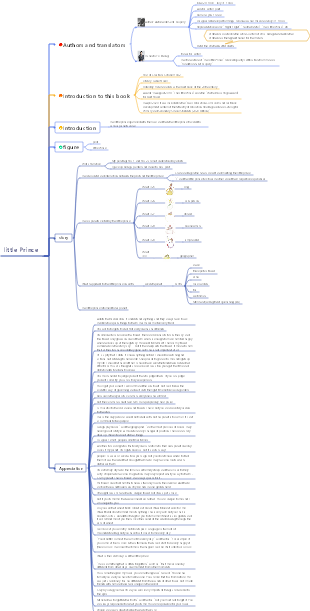
"little Prince"
author
Antoine de Saint-Exupéry
brief introduction
The narrator of the novel is a pilot. He tells the readers at the beginning of the story that he cannot find a speculative person in the adult world because adults are too practical.
Then, the pilot told the story of how he made an emergency landing in the Sahara Desert six years ago due to a plane malfunction and met the little prince. The mysterious little prince comes from another planet. The pilot tells the story of the little prince and his rose. Why did the little prince leave his own planet? What planets did he visit before arriving on earth? He recounted the adventures of the little prince on six planets. He met the king, the vain man, the drunkard, the businessman, the lamplighter, the geographer, the snake, the three-petal desert flower, the rose garden, the switchman, the merchant, Fox as well as our narrator, the pilot himself.
The pilot and the little prince shared a very precious friendship in the desert. When the little prince left the earth, the pilot was very sad. He had always missed the time they spent together. He wrote this novel in memory of the little prince.
Character introduction
narrator
The narrator of the novel is a pilot who tells the story of the little prince and their friendship. The pilot frankly tells readers that he is a fanciful person and is not used to adults who are too practical. Instead, he likes to get along with children, who are natural and pleasant. The pilot made an emergency landing in the Sahara Desert due to plane failure, where he met the little prince. The pilot wrote this story to calm his sadness at parting with the little prince. That encounter with the little prince made the pilot both sad and rejuvenated.
little Prince
The novel is named after him, a mysterious and lovely child. He lives on a small planet called B-612 and is the only inhabitant of that small planet. The little prince bid farewell to his planet and his beloved roses and began traveling through the universe, and finally came to the earth. In the Sahara Desert, the little prince met the pilot, the narrator of the novel, and became good friends with him. In the novel, the little prince symbolizes hope, love, innocence and the child-like wisdom buried deep in each of our hearts. Although the little prince met many people during his journey, he never stopped missing the rose.
fox
The little prince saw a fox in the desert. The clever fox asked the little prince to tame him. Although the fox was the more knowledgeable of the two, he made the little prince understand the essence of life. The secret that the fox told the little prince was: only by looking with your heart can you see clearly; it is separation that makes the little prince miss his rose more; love is responsibility.
Rose
Hua'er, who doesn't understand love and is a little "pretentious". She loved, relied on, and longed for the little prince in her heart, but her own character flaws prevented her from fully expressing her affection for the little prince, causing the little prince to run away. But in the days when he left, the little prince always had flowers in his heart. She and the little prince are companions who spend a long time together, symbolizing troublesome but beautiful love.
snake
The snake was the first person the little prince met on earth; it was he who finally bit the little prince and sent him back to heaven. The snake told the little prince that he was lonely in the world, which made the little prince think that the snake was very weak. But the snake told the little prince that he holds the mystery of life. He also told the little prince that the reason why he spoke in riddles was because he knew all the answers to the riddles. In the book, the snake seems to be an absolute authority and an eternal mystery, reminding people of the biblical story: Adam and Eve were tempted by the snake to eat the forbidden fruit and were expelled from the Garden of Eden.
astronomer
A small planet called B-612 was first discovered through a telescope in 1909. The narrator believes that the little prince comes from this planet. When a Turkish astronomer first demonstrated his discovery at an international astronomical conference, no one believed him because of his Turkish clothing. Years later, he made the same argument wearing an elegant suit. This time, everyone echoed his opinion. The two different treatments of Turkish astronomers reveal the dangers of xenophobia and narrow nationalism among ignorant people.
king
The king is the only resident on the first small planet 325 that the little prince visited after leaving his own planet. This king claims to rule over everything, and his rule must be respected and not allowed to be disobeyed; however, in fact he is only in name only, and he can only let others do what they want.
vain person
The vain man lives on the second planet visited by the little prince. He insisted that everyone worship him. A vain person will only hear praise for the opinions of others.
drunkard
The drunkard is the third person the little prince meets after leaving home. The little prince asked him why he was drunk all day long. The drunkard replied that it was to forget the things he was embarrassed about. What made him embarrassed? Because I was drunk all day.
merchant
The businessman is the fourth person the little prince meets, a funny adult. He sat there counting his own stars, so busy that he didn't even have time to look up. He thinks he owns the stars, making him rich. However, he did not do anything useful to the stars. Although the little prince has seen some extremely weird adults, the businessman is the only adult the little prince has ever criticized.
lamplighter
The lamplighter is the fifth person the little prince meets, and he is also a more complex image. At first the lamplighter seemed like another adult whose behavior was ridiculous; however, his selfless dedication was admired by the little prince. The lamplighter was the only adult the little prince thought he could be friends with before he came to earth.
geographer
The geographer is the sixth and last person the little prince sees before arriving on earth. The geographer seems to be very knowledgeable. He knows where the oceans, rivers, cities, mountains and deserts are. But he doesn't understand the planet he's on and refuses to explore it himself, because that's a matter for the explorers. He advised the little prince to visit the earth because the earth
switchman
The little prince meets the switchman on the earth. The switchman schedules the train. The train carries adults who are never satisfied with where they stay. He agreed with the little prince: children are the only ones who know how to appreciate and enjoy the beauty of a running train.
vendor
The vendor the little prince met on earth sold thirst-quenching medicine. Taking this medicine eliminates the need to drink water, thus saving fifty-three minutes a week. It symbolizes the modern world’s overemphasis on saving time and taking shortcuts. The little prince said that he would rather spend that time leisurely and contentedly looking for a well.
Desert flower with only three petals
The three-petaled flower grew alone in the desert. Occasionally she saw a caravan passing by, so she mistakenly told the little prince that there were only six or seven people on the earth. They had no roots. They were so lonely and had no support. Falling with the wind.
rose Garden
When the little prince saw a rose garden in full bloom, he was very sad. Because his rose lied to him that she was a unique flower in the universe. However, under the guidance of the fox, the little prince knew that although they were similar to his roses, it was because he had covered his roses with a cover, because he had erected a screen for her, because he had removed caterpillars for her, and because he had heard Her complaints, boasts, and even her silence made his rose the only one in the world.
Excerpts of good sentences
1. If someone falls in love with the only flower in the world, and when his heart is intoxicated with happiness, the sheep eats his beloved flower - for him, the whole world becomes bleak. Is such a thing still possible? Not important?
2. If you want to form a bond with others, you have to bear the risk of crying.
3. This is one of my secrets, the simplest secret: a person can only see the truth if he looks with his heart. The truth of the matter is invisible to the naked eye.
4. But, after all, I was too young at that time and didn't know how to love her.
5. You are always responsible for the things you tame, and you are responsible for your roses.
6. You may ask: "Why are the other pictures in this book not as beautiful as this picture of the baobab tree?" The answer is very simple: I also wanted to draw such a beautiful picture, but I failed. When painting the baobab tree, I am driven by a sense of urgency.
7. The fox has always loved the prince, but the prince already has a rose.
8. For example, if you come at four o'clock in the afternoon, then from three o'clock onwards, I will start to feel happy. The closer the time comes, the happier I feel. By four o'clock I will be restless: I will discover the price of happiness.
9. The stars are so beautiful because there is an invisible flower.
Thoughts after reading
There is always that one book that moves you and me deeply. This book is "The Little Prince". It is sad and a story about love and responsibility.
The book tells the story of the protagonist, the little prince, traveling to various planets, and my heart followed the little prince as he traveled through the book and became immersed in it. In the book, the little prince left his own planet and traveled to various planets because of a beautiful and delicate rose. In the planets he traveled, he met arrogant kings, money-obsessed businessmen, and pedantic lamplighters... These experiences made the little prince lament that "the world of adults is really strange." And I also followed the little prince, and gradually felt the emptiness, blindness and foolishness of the adults in the book, and also realized the loneliness and helpless situation of adults.
Each of us was once a child and will grow into an adult in the future. But in the process of growing up, in this flashy world, most people will lose their authenticity, forget their original intentions in the rolling world, and become indifferent, numb and hypocritical. They are gradually smoothed away by society and devoured by life.
But the little prince's love is pure, elegant, sincere and serious. In order to fulfill his responsibilities, he is willing to treat the rose, the fox, and all the people and things he meets with sincerity and give them love. He always looks at everything with a kind childlike heart.
"
Some things cannot be experienced with the eyes, but must be experienced with the heart. "The little prince always remembered what the fox said to him. He began to slowly realize that love is a mutual contribution and responsibility, just like him and his roses, and just like the lamplighter fulfilling his responsibility as always...
A childlike innocence is full of happiness. The innocence of the little prince deeply moved me. The little prince maintained a beautiful childlike innocence throughout his life. People should always maintain a beautiful childlike innocence, and the future will be better. Because of the story of the little prince, when we live quietly, we have hope and tenderness in our hearts, as well as the responsibility to move and tame.
I like the dreamy book "The Little Prince", and I would rather be a person who always loves and has a childlike heart! Because everyone gives a little love, the world will become a more beautiful world...