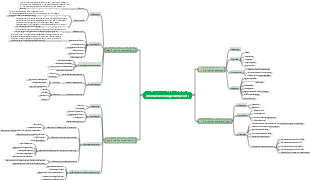
MindMap Gallery little Prince
"The Little Prince" is a famous children's literature short story written by French writer Antoine de Saint-Exupéry in 1942. The protagonist of this book is a little prince from an alien planet. The book uses a pilot as the narrator to tell the story of the various adventures the little prince experienced during his journey from his own planet to the earth.
Edited at 2022-04-22 20:51:22This strategic SWOT analysis explores how Aeon can navigate the competitive online landscape, highlighting strengths, weaknesses, opportunities, and threats. Strengths include strong brand recognition (trusted Japanese heritage, quality), omnichannel capabilities (stores + online + mall integration), customer loyalty programs (Aeon Card, points, member pricing), and physical footprint (extensive store network for pickup/returns). Weaknesses encompass digital maturity gaps (e-commerce penetration, app functionality, personalization vs. Amazon, Alibaba), cost structure challenges (store-heavy, real estate, labor), and supply chain complexity (fresh food, frozen logistics for online). Opportunities include enhancing e-commerce competitiveness (faster delivery, wider assortment, lower minimum order), leveraging data-driven strategies (purchase history, personalized offers, inventory optimization), expanding omnichannel integration (buy online pick up in store, ship from store), and private label growth (Topvalu, localized brands). Threats involve online-first players (Amazon, Alibaba, Sea Limited) with lower costs, wider selection, faster delivery, market dynamics (changing consumer behavior post-COVID, discount competitors), and regulatory risks (data privacy, cross-border e-commerce rules). Aeon can strengthen market position by investing in digital capabilities, leveraging store assets for omnichannel, and using customer data for personalization, while addressing cost structure and online competition.
This analysis explores how Aeon effectively tailors offerings to meet the diverse needs of family-oriented consumers through a comprehensive Segmentation, Targeting, and Positioning (STP) framework. Demographic segmentation examines family life stages (young families with babies, school-aged children, teenagers, empty nesters), household sizes (small vs. large), income levels (mass, premium), and parent age bands (millennials, Gen X). This identifies distinct consumer groups with different spending patterns. Geographic segmentation highlights store catchment types (urban, suburban, rural), community characteristics (density, income, competition), and local preferences (fresh food, halal, Japanese products). Psychographic segmentation delves into family values (health, safety, education, convenience), lifestyle orientations (busy professionals, home-centered, eco-conscious). Behavioral segmentation focuses on shopping missions (daily grocery, weekly stock-up, seasonal shopping), price sensitivity (value seekers, premium), channel preferences (in-store, online, pickup). Needs-based segmentation reveals core family needs related to value (good-better-best pricing), budget considerations (affordability, promotions, member pricing), safety (food quality, product recall), convenience (one-stop shopping, parking, store hours). Targeting prioritizes young families with school-aged children, budget-conscious households, and convenience-seeking shoppers. Positioning emphasizes Aeon as a family-friendly, value-for-money, one-stop destination with Japanese quality and local relevance. These insights enhance family shopping experiences through tailored assortments (kids’ products, school supplies), promotions (family bundles, weekend events), and services (nursing rooms, kids’ play areas).
This Kream Sneaker Consumption Scene Analysis Template aims to visualize purchasing and consumption journeys of sneakers, identifying key demand drivers and obstacles. User behavior within Kream includes searching, bidding, buying, selling, authentication, and community engagement. External influences include brand drops (Nike, Adidas), social media (Instagram, TikTok), influencer hype, and cultural trends. Target categories: limited editions, collaborations, retro releases, performance sneakers, and general releases. Timeframes: launch day, first week, first month, long-term (seasonal, yearly). Regions: North America, Europe, Asia (Korea, China, Japan). User segments: Collectors: value rarity, condition, completeness (box, accessories). KPIs: collection size, spend, authentication rate. Resellers: value profit margin, volume, turnover. KPIs: sell-through rate, average profit, listing frequency. Sneakerheads: value hype, trends, community validation. KPIs: purchase frequency, social engagement, wishlist adds. Casual trend followers: value style, convenience, price. KPIs: conversion rate, average order value, repeat purchases. Gift purchasers: value ease, presentation, brand trust. KPIs: gift message usage, return rate. Consumption journey: Awareness: social media, email, push notifications. Search: browse, filter, search by brand, model, size. Purchase: bid, buy now, payment, shipping. Authentication: inspection, verification, certification. Resale: list, price, sell, transfer. Sharing: review, unboxing, social post, community discussion. Key performance indicators: conversion rate, sell-through rate, average order value, customer lifetime value, authentication pass rate, return rate, Net Promoter Score. This framework helps understand sneaker trading dynamics, user motivations, and touchpoints for engagement and satisfaction.
This strategic SWOT analysis explores how Aeon can navigate the competitive online landscape, highlighting strengths, weaknesses, opportunities, and threats. Strengths include strong brand recognition (trusted Japanese heritage, quality), omnichannel capabilities (stores + online + mall integration), customer loyalty programs (Aeon Card, points, member pricing), and physical footprint (extensive store network for pickup/returns). Weaknesses encompass digital maturity gaps (e-commerce penetration, app functionality, personalization vs. Amazon, Alibaba), cost structure challenges (store-heavy, real estate, labor), and supply chain complexity (fresh food, frozen logistics for online). Opportunities include enhancing e-commerce competitiveness (faster delivery, wider assortment, lower minimum order), leveraging data-driven strategies (purchase history, personalized offers, inventory optimization), expanding omnichannel integration (buy online pick up in store, ship from store), and private label growth (Topvalu, localized brands). Threats involve online-first players (Amazon, Alibaba, Sea Limited) with lower costs, wider selection, faster delivery, market dynamics (changing consumer behavior post-COVID, discount competitors), and regulatory risks (data privacy, cross-border e-commerce rules). Aeon can strengthen market position by investing in digital capabilities, leveraging store assets for omnichannel, and using customer data for personalization, while addressing cost structure and online competition.
This analysis explores how Aeon effectively tailors offerings to meet the diverse needs of family-oriented consumers through a comprehensive Segmentation, Targeting, and Positioning (STP) framework. Demographic segmentation examines family life stages (young families with babies, school-aged children, teenagers, empty nesters), household sizes (small vs. large), income levels (mass, premium), and parent age bands (millennials, Gen X). This identifies distinct consumer groups with different spending patterns. Geographic segmentation highlights store catchment types (urban, suburban, rural), community characteristics (density, income, competition), and local preferences (fresh food, halal, Japanese products). Psychographic segmentation delves into family values (health, safety, education, convenience), lifestyle orientations (busy professionals, home-centered, eco-conscious). Behavioral segmentation focuses on shopping missions (daily grocery, weekly stock-up, seasonal shopping), price sensitivity (value seekers, premium), channel preferences (in-store, online, pickup). Needs-based segmentation reveals core family needs related to value (good-better-best pricing), budget considerations (affordability, promotions, member pricing), safety (food quality, product recall), convenience (one-stop shopping, parking, store hours). Targeting prioritizes young families with school-aged children, budget-conscious households, and convenience-seeking shoppers. Positioning emphasizes Aeon as a family-friendly, value-for-money, one-stop destination with Japanese quality and local relevance. These insights enhance family shopping experiences through tailored assortments (kids’ products, school supplies), promotions (family bundles, weekend events), and services (nursing rooms, kids’ play areas).
This Kream Sneaker Consumption Scene Analysis Template aims to visualize purchasing and consumption journeys of sneakers, identifying key demand drivers and obstacles. User behavior within Kream includes searching, bidding, buying, selling, authentication, and community engagement. External influences include brand drops (Nike, Adidas), social media (Instagram, TikTok), influencer hype, and cultural trends. Target categories: limited editions, collaborations, retro releases, performance sneakers, and general releases. Timeframes: launch day, first week, first month, long-term (seasonal, yearly). Regions: North America, Europe, Asia (Korea, China, Japan). User segments: Collectors: value rarity, condition, completeness (box, accessories). KPIs: collection size, spend, authentication rate. Resellers: value profit margin, volume, turnover. KPIs: sell-through rate, average profit, listing frequency. Sneakerheads: value hype, trends, community validation. KPIs: purchase frequency, social engagement, wishlist adds. Casual trend followers: value style, convenience, price. KPIs: conversion rate, average order value, repeat purchases. Gift purchasers: value ease, presentation, brand trust. KPIs: gift message usage, return rate. Consumption journey: Awareness: social media, email, push notifications. Search: browse, filter, search by brand, model, size. Purchase: bid, buy now, payment, shipping. Authentication: inspection, verification, certification. Resale: list, price, sell, transfer. Sharing: review, unboxing, social post, community discussion. Key performance indicators: conversion rate, sell-through rate, average order value, customer lifetime value, authentication pass rate, return rate, Net Promoter Score. This framework helps understand sneaker trading dynamics, user motivations, and touchpoints for engagement and satisfaction.
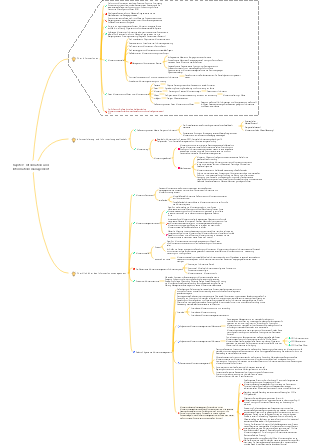
little Prince
Authors and translators
Author: Antoine de Saint-Exupéry
June 29, 1900 - July 31, 1944
Aviator, writer, poet
Born in Lyon, France
Disappeared while performing a reconnaissance mission on July 31, 1944.
Representative works: "Night Flight", "Southern Mail", "The Little Prince", etc.
Enter the Pantheon after death
Pantheon: Located in the Latin Quarter of Paris, being enshrined in the Pantheon is the highest honor for the French.
Translator: Li Jihong
translator, writer
The translation of "The Little Prince" received quality certification from France's "Fondation Saint-Exupéry"
Introduction to this book
Year of Creation: October 1942
Literary Genre:Novel
Voted by French readers as the best book of the 20th century
Awards: In August 2019, "The Little Prince" won the "Posthumous Hugo Award" for Best Novel
In April 2020, it was included in the "Basic Education Curriculum and Textbook Development Center of the Ministry of Education Reading Guidance Catalog for Primary and Secondary School Students (2020 Edition)"
Introduction
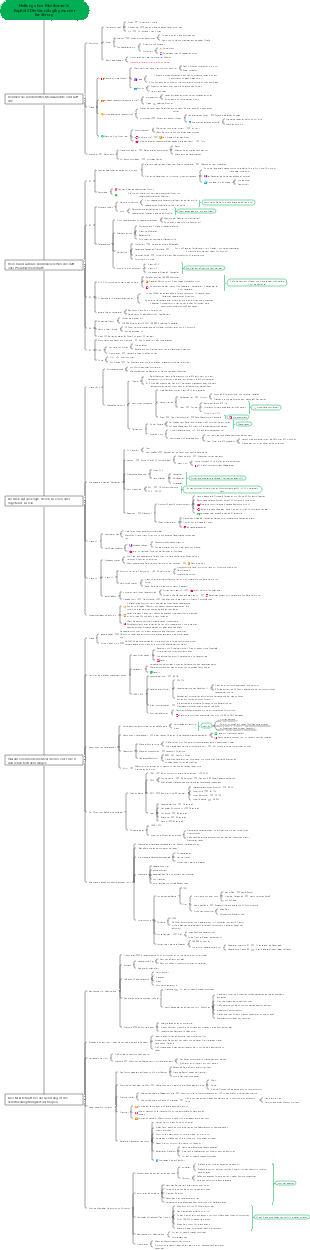
The little prince quarreled with the rose, and then the little prince traveled to various planets alone
figure
pilot
little Prince
story
Pilot's Narrative
My paintings No. 1 and No. 2 are not understood by adults.
I gave up being a painter and chose to be a pilot
The encounter and interaction between the pilot and the little prince
Crash landing in the Sahara Desert and meeting the little prince
"I" and the little prince talk to each other about their respective experiences
The six planets visited by the little prince
Planet 325
king
Planet 326
vain person
Planet 327
drinker
Planet 328
businessman
Planet 329
lamp holder
Planet 330
geographer
What happened to the little prince on earth
seventh planet
Earth
snake
three petals flower
echo
rose Garden
fox
switchman
Merchant (selling thirst quenching pills)
The little prince returned to his planet
Appreciation
Adults themselves don’t understand anything, and they always have to ask children to explain things to them. This makes me feel very tired.
It is sad to forget a friend. Not everyone has had friends.
If someone falls in love with a flower, there are billions of stars in the sky, and this flower only grows on one of them, which is enough to make him feel happy when he looks up at the night sky. He would tell himself: 'There is my flower somewhere in the starry sky. ’ But if the sheep eats the flower, it means to him that all the stars have suddenly gone out! This is not important at all!
It’s a pity that I didn’t know anything before! I should be watching her actions, not listening to her words! She spreads fragrance to me and lights up my life. I shouldn't have left her, I should have seen the tenderness behind her little tricks. Hua'er's thoughts are so elusive! I was too young at the time and didn't understand what love was.
It is much harder to judge yourself than to judge others. If you can judge yourself correctly, you are a truly wise person.
You'll get your sunset. I will command the sun to set. But I will follow the scientific way of governing and wait until the right time before issuing orders.
Because in the eyes of a vain man, everyone is his admirer.
But the vain man cannot hear him. Vain people only hear praise.
I am useful to the volcanoes and flowers I have. But you are absolutely useless to the stars...
This is the only person I would be friends with. But his planet is too small. It can't accommodate two people...
Geography books," said the geographer, "are the most precious of books. They never go out of style. A mountain rarely changes its position. The ocean rarely dries up. We write about eternal things.
To appear smart, people sometimes tell lies.
Are the stars so bright so that everyone can return to their own planet one day? Look at my planet. It's right above us...but it's so far away!
people? I saw six or seven a few years ago. But you don't know where to find them. It was the wind that brought them here. They have no roots, which distresses them.
It's extremely dry here, the terrain is extremely steep, and the air is extremely salty. People here have no imagination. They only repeat what you say to them… On my planet I have a flower: she always speaks first…
His flower once told him that she was the only rose in the universe. And there are five thousand flowers exactly like hers in one garden here!
I thought I was rich and had a unique flower, but it was just a rose.
But if you tame me, then we will need each other. You are unique to me and I am unique to you...
Do you see that wheat field? I don't eat bread. Wheat doesn't work for me. Wheat fields don't remind me of anything. This is very sad! But your hair is blonde. So it's a wonderful thing for you to tame me! Wheat is also golden and it will remind me of you then. I like the sound of the wind blowing through the ears of wheat...
I will look at you secretly, but don't speak. Language is the root of misunderstanding. But you have to sit closer to me every day...
"You'd better come at the same time every day," said the fox. "For example, if you come at four o'clock in the afternoon, then I will start to be very happy at three o'clock. The closer the time is, the happier I will be. Wait until four o'clock ”
What is the ceremony? said the little prince. "This is something that is often forgotten," said Fox, "that makes one day different from other days, one moment from other moments.
You are nothing like my roses, you are nothing now," he said. "No one has tamed you, and you have tamed no one. You are like that fox from before. He was just an ordinary fox, no different from thousands of other foxes. But I made friends with him and now he is unique in the world.
Only by using your heart can you see clearly. Important things are invisible to the eyes.
Mankind has forgotten this truth," said the fox, "but you must not forget it. You are always responsible for what you tame. You are responsible for your roses...
People are always dissatisfied with where they are,