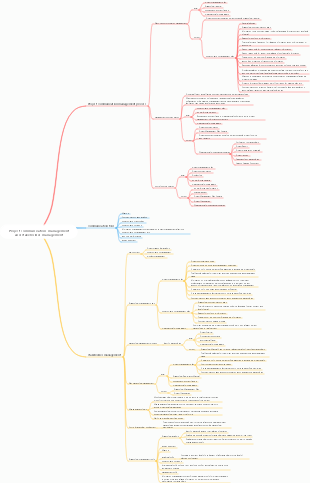
MindMap Gallery Chapter 10 of Advanced Project - Project Communication Management and Stakeholder Management Mind Map
This is a mind map about Chapter 10 of the High Project - Project Communication Management and Stakeholder Management. An overview of the basics of project communication and stakeholder management tools.
Edited at 2021-06-21 13:25:59This article discusses the Easter eggs and homages in Zootopia 2 that you may have discovered. The main content includes: character and archetype Easter eggs, cinematic universe crossover Easter eggs, animal ecology and behavior references, symbol and metaphor Easter eggs, social satire and brand allusions, and emotional storylines and sequel foreshadowing.

[Zootopia Character Relationship Chart] The idealistic rabbit police officer Judy and the cynical fox conman Nick form a charmingly contrasting duo, rising from street hustlers to become Zootopia police officers!
This is a mind map about Deep Analysis of Character Relationships in Zootopia 2, Main content: 1、 Multi-layer network of relationships: interweaving of main lines, branch lines, and hidden interactions, 2、 Motivation for Character Behavior: Active Promoter and Hidden Intendant, 3、 Key points of interaction: logic of conflict, collaboration, and covert support, 4、 Fun Easter eggs: metaphorical details hidden in interactions.
This article discusses the Easter eggs and homages in Zootopia 2 that you may have discovered. The main content includes: character and archetype Easter eggs, cinematic universe crossover Easter eggs, animal ecology and behavior references, symbol and metaphor Easter eggs, social satire and brand allusions, and emotional storylines and sequel foreshadowing.
[Zootopia Character Relationship Chart] The idealistic rabbit police officer Judy and the cynical fox conman Nick form a charmingly contrasting duo, rising from street hustlers to become Zootopia police officers!
This is a mind map about Deep Analysis of Character Relationships in Zootopia 2, Main content: 1、 Multi-layer network of relationships: interweaving of main lines, branch lines, and hidden interactions, 2、 Motivation for Character Behavior: Active Promoter and Hidden Intendant, 3、 Key points of interaction: logic of conflict, collaboration, and covert support, 4、 Fun Easter eggs: metaphorical details hidden in interactions.
Chapter 10 - Project Communication Management and Stakeholder Management
10.1 Basics of project communication management
Key elements of the communication model
coding
Translate thoughts or ideas into language that others can understand
Information & Feedback
The result of the coding process
medium
method used to convey information
noise
Any factors that interfere with the transmission and understanding of information (such as distance, new technology, lack of background information, etc.)
decoding
Reduce information into meaningful thoughts or ideas
5 basic states of the basic communication model
Has been sent
received
Understood
Approved
translated into positive actions
communication channels
personal
Through personal communication channels, two or more people communicate directly with each other, they can face to face, by phone, Even communicate via email. There is a phenomenon in personal communication channels called word-of-mouth influence that works well in many product areas
impersonal
It includes key media, atmosphere and events. The main media include newspaper media, broadcast media, and display media. Atmosphere is a specially designed environment that establishes and reinforces a buyer's tendency to purchase a product. Events are scheduled events that convey a message to a target audience
communication channels in organizations
Formal channels
informal channels
10.2 Project communication management process
Planning communication management
communication management plan
General glossary
Stakeholder communication needs
Information to be communicated, including language, format, content, and level of detail
Reason for publishing information
The time limit and frequency for releasing information and notifying receipt or responding
Person responsible for communicating relevant information
Person responsible for authorizing release of confidential information
The person or group who will receive the information
technology or method of transmitting information
10. Resources allocated for communications activities, including time and budget
11. Problem escalation procedures are used to stipulate the reporting time limit and reporting path when lower-level employees cannot solve the problem.
12. Methods to update and optimize the communication management plan as the project progresses
13. Project information flow diagram, work flow (including authorization procedures), report list, meeting plan, etc.
14. Communication constraints, usually arising from specific laws and regulations, technical requirements and organizational policies
15. Guidelines and templates for project status meetings, project team meetings, web conferencing, email messages, etc.
16. Instructions for using the website and project management software used in the project
definition
Develop appropriate project communication based on the information needs and requirements of stakeholders and the organization’s available assets. approach and planning process.
management communication
definition
The process for generating, collecting, distributing, storing, retrieving and ultimately disposing of project information in accordance with the communications management plan Procedure.
control communication
definition
The process of monitoring and controlling communications throughout the project life cycle to ensure that project stakeholders are satisfied Need for information.
10.3 Technical tools for project communication management
Meeting
Communication needs analysis
Number of communication channels = n* (n-1)/2; n = number of stakeholders
communication technology
communication method
interactive
Meetings, phone calls, instant messaging, etc.
Push type
Letters, emails, memos, diaries, etc.
sell
Pull type
Knowledge base, online courses, etc.
Use activities to attract people, suitable for situations where a large audience
reporting performance
Reporting performance refers to the collection and dissemination of performance information, including status reports, progress measurements, and forecasts
The report includes
Analysis of past performance
Project forecast analysis, including time and cost
Current status of risks and issues
Work completed during this reporting period
What needs to be done in the next reporting period
Summary of approved changes during the reporting period
Other relevant information that needs to be reviewed and discussed
10.4 Basics of project stakeholder management
Gain the support of more people to ensure project success
content
Stakeholder analysis
communication management
problem management
10.5 Project Stakeholder Management Process
Identify stakeholders
Stakeholder register
Includes basic information, assessment information, and stakeholder classification
definition
Identify individuals, groups or organizations that can influence project decisions, activities or results, as well as those affected by projects, activities or the individuals, groups, or organizations affected by the results, and the process of analyzing and recording their relevant information. This information includes their interests, involvement, interdependencies, influence and potential impact on project success.
Plan stakeholder management
Stakeholder Management Plan
Required and current level of involvement of key stakeholders
Scope and impact of stakeholder changes
Interrelationships and potential relationships among stakeholders
Stakeholder communication needs at the current stage of the project
Information that needs to be distributed to stakeholders
Reasons for distributing relevant information and possible impact
Frequency and timing of sending messages to stakeholders
How to update and optimize your stakeholder management plan
definition
Develop appropriate plans based on analysis of stakeholder needs, interests, and potential impact on project success Management strategies to effectively engage stakeholders throughout the project life cycle
Manage stakeholder engagement
Includes the following activities
Mobilize stakeholders to participate in the project in a timely manner to obtain or confirm their ongoing commitment to the success of the project
Manage stakeholder expectations through negotiation and communication to ensure project goals are achieved
Address stakeholder concerns that have not yet become issues and anticipate issues that stakeholders may raise in the future
Clarify and resolve identified issues
definition
Communicate and collaborate with stakeholders throughout the project life cycle to meet their needs and expectations, solve actual problems, and promote the process of reasonable participation of stakeholders in project activities
Control stakeholder involvement
definition
Is to comprehensively monitor the relationship between project stakeholders: adjust strategies and plans to mobilize stakeholder participation the process of
10.6 Technical tools for project stakeholder management
Stakeholder analysis
Different influences should be exerted on stakeholders at different stages of the project
step
Identify stakeholders and their related information
Analyze the possible impacts of stakeholders and categorize and prioritize them
Assess how stakeholders might react to different situations so you can develop strategies to positively influence them
Stakeholder classification model
power/interest grid
Account Project Managers and Leads - Focused Management
Power/Influence Grid
Influence/action grid
highlight model
Categorize stakeholders based on their power, urgency, and legitimacy