MindMap Gallery Project risk management essay strategy
If you don't know how to write a paper, you will be in trouble as an information systems manager. A step-by-step guide on how to write a risk management paper. If you need it, collect it quickly!
Edited at 2024-04-22 23:38:55This is a flowchart illustrating the process of archiving monthly failure analysis reports and tracking the implementation of improvement measures. The diagram is structured into five main steps, each with specific tasks and sub-tasks.Monthly Report Collection & Organization: This step involves collecting failure analysis reports from various departments, reviewing them for completeness, and categorizing them by product, failure mode, and severity. Root Cause Analysis & Statistics: Here, the focus is on categorizing causes, analyzing trends, identifying root causes, and compiling statistics on high-frequency failure modes and key components. Improvement Measure Formulation & Assignment: This step includes formulating improvement measures, assigning responsibilities, and setting timelines for implementation.Measure Implementation Tracking & Verification: It involves tracking the progress of implementation, verifying effectiveness, and confirming issue closure.Knowledge Base Update & Monthly Report Output: The final step covers archiving reports, updating the knowledge base, and compiling monthly summaries.This template can be easily reused and adapted using tools like EdrawMind to suit different organizational needs.

This is a timeline infographic detailing the annual product certification acquisition countdown process, structured into four sequential phases. The first phase, Certification Planning & Initiation, encompasses goal setting, timeline planning, resource preparation, defining specific certification objectives such as CCC/CE/FCC, formulating an annual plan with key milestones, and allocating necessary budget, personnel, and sample resources. Following this, the Application & Testing Phase involves material submission, coordination with certification agencies, core testing procedures, preparation of technical documents, application forms, and samples, selection of the appropriate certification agency, and execution of critical safety, EMC, and RF tests. The subsequent Rectification & Acquisition Phase focuses on addressing and rectifying any identified issues, re-verification processes, acquisition of the certificate, analysis of test issues, implementation of necessary fixes, and modification of samples for supplemental testing. Finally, the Countdown Monitoring phase emphasizes tracking progress, managing risks, monitoring remaining days and key milestones, managing time, technical, and cost risks, and maintaining effective internal and external communication throughout the process. This comprehensive template can be readily reused and adapted using tools like EdrawMind to meet diverse organizational requirements.
This is a flowchart detailing the weekly update and review plan for technical documents. The process is divided into six main stages, each with specific tasks and responsibilities. It begins with Weekly Planning, where the document scope is defined, update objectives are set, and schedules are arranged. Next, Document Updates involve maintaining various documents such as hardware design documents, test specifications, and BOM tables, alongside version control and archiving. Internal Review Preparation follows, focusing on compiling review materials, identifying participants, and setting agendas. The Review Meeting stage includes document examination, problem discussion, decision recording, and responsibility allocation. After the meeting, Review Feedback Processing takes place, involving issue tracking, document modification, quality checks, and closure verification. Finally, Output Deliverables are prepared, including official release versions, release notifications, review reports, and plans for the next week. This structured approach ensures systematic and efficient management of technical documents, and the template can be easily adapted using tools like EdrawMind.
This is a flowchart illustrating the process of archiving monthly failure analysis reports and tracking the implementation of improvement measures. The diagram is structured into five main steps, each with specific tasks and sub-tasks.Monthly Report Collection & Organization: This step involves collecting failure analysis reports from various departments, reviewing them for completeness, and categorizing them by product, failure mode, and severity. Root Cause Analysis & Statistics: Here, the focus is on categorizing causes, analyzing trends, identifying root causes, and compiling statistics on high-frequency failure modes and key components. Improvement Measure Formulation & Assignment: This step includes formulating improvement measures, assigning responsibilities, and setting timelines for implementation.Measure Implementation Tracking & Verification: It involves tracking the progress of implementation, verifying effectiveness, and confirming issue closure.Knowledge Base Update & Monthly Report Output: The final step covers archiving reports, updating the knowledge base, and compiling monthly summaries.This template can be easily reused and adapted using tools like EdrawMind to suit different organizational needs.
This is a timeline infographic detailing the annual product certification acquisition countdown process, structured into four sequential phases. The first phase, Certification Planning & Initiation, encompasses goal setting, timeline planning, resource preparation, defining specific certification objectives such as CCC/CE/FCC, formulating an annual plan with key milestones, and allocating necessary budget, personnel, and sample resources. Following this, the Application & Testing Phase involves material submission, coordination with certification agencies, core testing procedures, preparation of technical documents, application forms, and samples, selection of the appropriate certification agency, and execution of critical safety, EMC, and RF tests. The subsequent Rectification & Acquisition Phase focuses on addressing and rectifying any identified issues, re-verification processes, acquisition of the certificate, analysis of test issues, implementation of necessary fixes, and modification of samples for supplemental testing. Finally, the Countdown Monitoring phase emphasizes tracking progress, managing risks, monitoring remaining days and key milestones, managing time, technical, and cost risks, and maintaining effective internal and external communication throughout the process. This comprehensive template can be readily reused and adapted using tools like EdrawMind to meet diverse organizational requirements.
This is a flowchart detailing the weekly update and review plan for technical documents. The process is divided into six main stages, each with specific tasks and responsibilities. It begins with Weekly Planning, where the document scope is defined, update objectives are set, and schedules are arranged. Next, Document Updates involve maintaining various documents such as hardware design documents, test specifications, and BOM tables, alongside version control and archiving. Internal Review Preparation follows, focusing on compiling review materials, identifying participants, and setting agendas. The Review Meeting stage includes document examination, problem discussion, decision recording, and responsibility allocation. After the meeting, Review Feedback Processing takes place, involving issue tracking, document modification, quality checks, and closure verification. Finally, Output Deliverables are prepared, including official release versions, release notifications, review reports, and plans for the next week. This structured approach ensures systematic and efficient management of technical documents, and the template can be easily adapted using tools like EdrawMind.
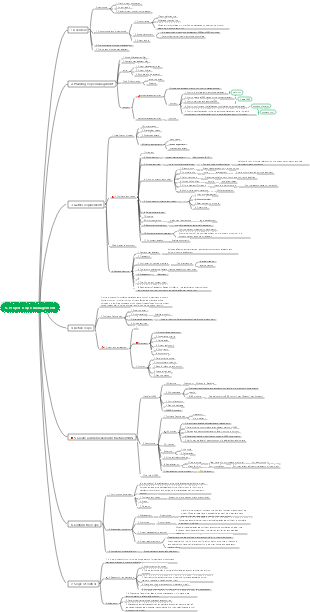
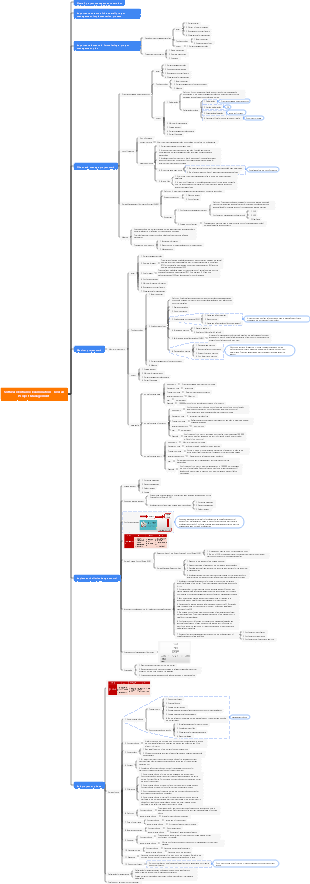
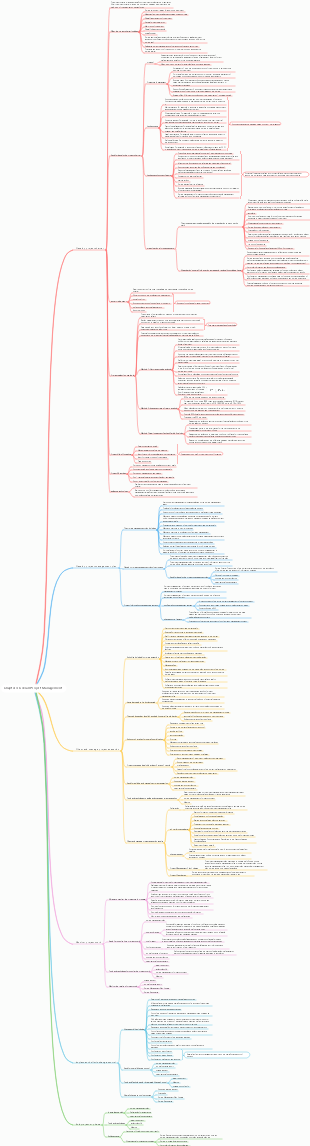
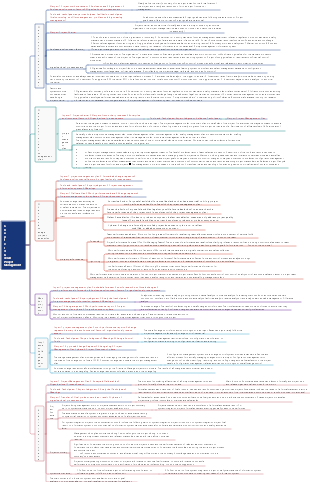
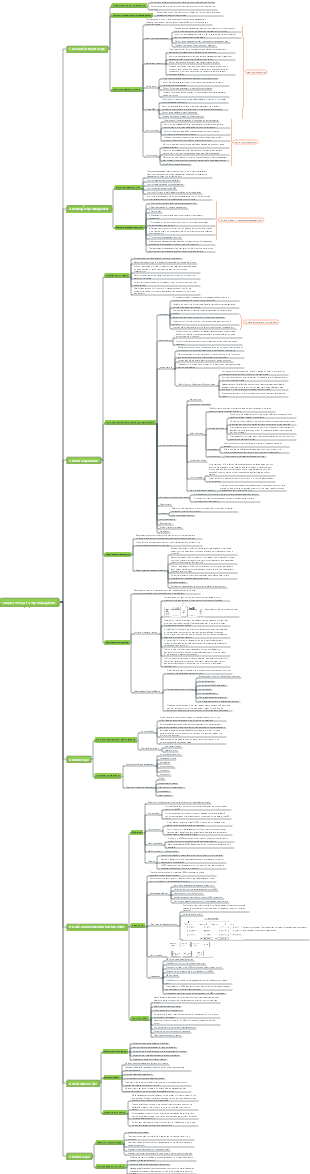
Project risk management essay strategy
Essay topic
Knowledge review
planning risk management
enter
Charter/Plan
File/Industry Group
output
risk management plan
tool
Specialized/meeting/data analysis
Identify risks
enter
Planning/writing/association/purchasing/industry group
output
Risk register & reporting/documentation updates
tool
Special/meeting/data collection & analysis
Tip list
Qualitative risk analysis
enter
plan
Risk Plan/Fan Base
document
risk register
industry group
output
File update
Risk Register & Reporting
tool
Probability and Impact Assessment & Matrix/Bubble Plot
Expert/Data Quality Assessment/Risk Classification
Other parameters
Quantitative risk analysis
enter
Plan/Document/Business Group
output
File update
risk register
tool
expert judgment
Data collection & analysis
Interpersonal Team/Uncertainty Expression Style
Plan risk responses
enter
Plan/Document/Business Group
output
change request
Update (plan document)
tool
Opportunities & Threats Response Strategies/Overall Strategies
Expert/data analysis/decision-making
Implement risk responses
enter
Plans/Documents/Assets
output
Change Request/Document Update
tool
Expert/Human Team/System
control risk
enter
Plans/Documents/Performance Data/Performance Reports
output
Job Performance Information/Change Requests
Organizational process asset updates
Plan & Document Updates
tool
Review meeting/audit/data analysis (performance & review)
Paper structure
Overview
word count
Within 500 words
paragraph
Suggest 2 paragraphs
Introduce the project
Project background
Project scale
Initiating unit
Purpose
Project Description
organizational structure
Project Cycle
deliverables
Introducing PM
Explain your role in it
Transition
word count
Within 200 words
paragraph
Suggest 2 paragraphs
Paragraph 1
Question 2 Question 1
project risk management and Connections and Differences in Safety Management
Paragraph 2
Risk and other knowledge areas
introduce main topics
text
word count
About 1350 words
paragraph structure
Structure one
process group sequence
planning
planning management
identify
Qualitative
Quantitative
planning response
monitor
control risk
Structure 2
in order of process
planning management
identify
Qualitative
Quantitative
planning response
control risk
Summary and experience
word count
About 300 words
paragraph
1~2 paragraphs
grateful
word count
Within 50 words
writing advice
Understand Shuangpin
This article is a double spelling paper
Risk-based
Main line
safety first
Integrate into risk management
Integrate security into every process
Planning, management and risk control are two processes Reflects the application of moderate safety and barrel effect
grasp knowledge
Master the core content/function of the knowledge field
Master the ITTO of every process
Prepare an outline
Reference questions, combination process, design paper outline
compilation material
Combining theory with practice
Theoretical tools and techniques are reflected in practice
Practice learning from scope/books/software and hardware classes
Please read "IT Project Manager Growth Notes" carefully
self-modification
self reading
Correct typos
The sentences are fluent
Storytelling
Compare textbooks
logically correct
knowledge correct
Teacher modified
Modify based on feedback
Carefully summarize knowledge points based on feedback
Reflect on feedback and reflect on how to tell stories
GPT
PDCA
essay writing
1. Project Overview
Answer question 1
Introduce the project
Project background
Project scale
Initiating unit
Purpose
Project Description
organizational structure
Project Cycle
deliverables
Introducing PM
Explain your role in it
Real question requirements Indispensable
2. Transition
Answer to question 2 and question 1
project risk management and Connections and Differences in Safety Management
Risk management includes security management
Safety management affects risk management
Briefly talk about the understanding of moderate safety and barrel effect
Explain how risk relates to other knowledge areas
introduce main topics
3. Text breakdown
1650 words
1. planning risks
word count
300 words
paragraph
1 paragraph
Main points
specification
Develop risk management plans based on XX risk systems, contracts, and safety policies
Make relevant plans and measures to prevent the "barrel effect" according to appropriate safety standards
major
Professionals do professional things
Content and Approval
risk management plan
Risk management plan content
2W2H
safety management plan
Qiding
Make a plan
Safety management responsibilities
Fixed posts
Team member responsibilities
position
Capacity
Set goals
Improve system security and stability
Customization
safety management system
Defined workflow
safety balance point
Moderately safe
safety standard
Effective control
Risk and safety
Security costs required to control risks
Second level protection or higher level protection
Relationships with other knowledge areas
Scope/Schedule/Cost/Risk/HR
routine
making plans
Based on XX/XX/XXX and other information,
Planned XXX risk management and safety management, and drafted a risk management plan/safety management plan
Seminar plan
Convene meetings with relevant stakeholders and relevant experts
According to the "input" seminar plan
2. Identify risks
word count
Within 300 words
paragraph
1 paragraph
Main points
core
Identify risks as early and as comprehensively as possible
Emphasis on identifying as a team
Main types of risks identified
routine
theory
Who, based on what, and what tools are used to identify risks?
What file is output?
practice
Identify risk frequency? Update file frequency
Example
output "Risk Register" & "Risk Report"
Examples of 5 risks
2 taller
Hit 1
2 lower
3. Qualitative analysis
word count
Within 200 words
paragraph
1 paragraph
Main points
core
Risk prioritization
routine
theory
One sentence emphasizes the essence of the process - prioritizing risks
What file to output
practice
Invite someone to define probabilistic impacts
Obtain the corresponding risk probability impact matrix
Determine risk level
Example
Update the Risk Register 5 risk priorities
The probability and impact are respectively
corresponds to the position in the matrix
High, medium and low risk treatment measures
4. Quantitative analysis
word count
Within 150 words
paragraph
1 paragraph
Main points
core
Quantitative analysis of high-priority risks
routine
theory
One sentence emphasizes the essence of the process - quantitative calculation of high-priority risks
What file to output
practice
What tools to use Estimating high priority risks
probability of occurrence
Influence
Progress impact
scope impact
quality impact
cost impact
Example
Update the Risk Register 2 high priority risks
Estimate specific figures
5. planning response
word count
Within 300 words
paragraph
1 paragraph
Main points
core
strategic planning
It's a plan, not an implementation
routine
theory
One sentence emphasizes the essence of the process - planning strategy
What file to output
practice
Example
Update the Risk Register risk response strategies
For high priority risks, separate strategies
Write a negative strategy
Write a positive strategy
Write an emergency response strategy
Write an acceptance policy for low-priority risks
6. Implement risk responses
word count
Within 150 words
paragraph
1 paragraph
Main points
core
When risks occur, respond according to plan
routine
theory
one sentence definition
practice
Example
Update the Risk Register
Update specific responses after the previously identified risks occur.
7. Oversight risk
word count
Within 250 words
paragraph
1 paragraph
Main points
core
Pay equal attention to theory and practice
Earned value analysis
risk audit
routine
theory
One sentence emphasizes the essence of the process - supervision risk definition
Effective risk management process
What file to output
practice
Example
Various meetings
Check risks at all levels
Review identified risks
Identify new risks
risk reassessment
Remove expired risks
Update the value of the risk that has changed
Earned value analysis
Discover new risks
Countermeasures
risk audit
Assess risk management process effectiveness
Update the Risk Register
Identified risk assessment
New risk updates
4. ending
Summarize the experience
word count
Around 300
paragraph
Experience
Lessons learned
grateful
word count
Within 50 words