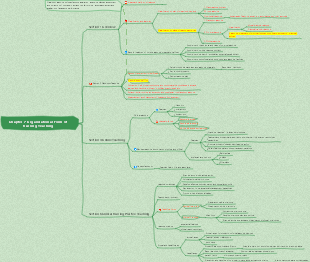
MindMap Gallery Chapter 6, Classroom Teaching
This is a mind map about Chapter 6, Classroom Teaching. Classroom teaching is an important link in the education process, mainly including teaching, teaching psychology, etc.
Edited at 2024-04-05 19:45:42Avatar 3 centers on the Sully family, showcasing the internal rift caused by the sacrifice of their eldest son, and their alliance with other tribes on Pandora against the external conflict of the Ashbringers, who adhere to the philosophy of fire and are allied with humans. It explores the grand themes of family, faith, and survival.

This article discusses the Easter eggs and homages in Zootopia 2 that you may have discovered. The main content includes: character and archetype Easter eggs, cinematic universe crossover Easter eggs, animal ecology and behavior references, symbol and metaphor Easter eggs, social satire and brand allusions, and emotional storylines and sequel foreshadowing.
[Zootopia Character Relationship Chart] The idealistic rabbit police officer Judy and the cynical fox conman Nick form a charmingly contrasting duo, rising from street hustlers to become Zootopia police officers!
Avatar 3 centers on the Sully family, showcasing the internal rift caused by the sacrifice of their eldest son, and their alliance with other tribes on Pandora against the external conflict of the Ashbringers, who adhere to the philosophy of fire and are allied with humans. It explores the grand themes of family, faith, and survival.
This article discusses the Easter eggs and homages in Zootopia 2 that you may have discovered. The main content includes: character and archetype Easter eggs, cinematic universe crossover Easter eggs, animal ecology and behavior references, symbol and metaphor Easter eggs, social satire and brand allusions, and emotional storylines and sequel foreshadowing.
[Zootopia Character Relationship Chart] The idealistic rabbit police officer Judy and the cynical fox conman Nick form a charmingly contrasting duo, rising from street hustlers to become Zootopia police officers!
Chapter 6, Classroom Teaching
teaching
1. Teaching and Teaching Theory
1. Teaching meaning
The premise is to respect students and regard them as subjects
teaching. The fundamental purpose is to cultivate all-round development of people
Teaching is composed of two parts: pedagogy. It is a joint activity between teachers and students. Bilateral activities. It is the dialectical unity, inseparability and mutual promotion of the two aspects of pedagogy.
Student awareness activities are an important part of
Teaching has many forms, and the form of teaching organization is the unity of commonality and diversity.
2. Teaching significance
The basic way to implement educational policies, achieve all-round development of people, achieve educational goals, and achieve training goals
Teaching is to promote student development and promote social development
Teaching is the central work of school education. School work adheres to the principle of teaching as the mainstay and comprehensive arrangement.
3. General tasks of teaching
The first task is to master the basic knowledge and skills of science and culture
Intelligent core provides guarantee. without
Moral character direction. Personality psychological characteristics, ideal goals
relation. inseparable, interconnected, mutually reinforcing
4. Schools of teaching theory
Cognitive teaching theory. Bruner
Teaching goals of intellectual development
The principle of sequence strengthening of motivation structure
Subject knowledge structure
discovery learning
Affective teaching theory. rogers
EE learning and non-directive teaching
The quality of the teacher-student relationship
Philosophically oriented teaching theory
behaviorist teaching theory
constructivist teaching theory
5. New curriculum reform teaching concept
Comprehensive development of teaching concepts
Emphasis on conclusion and process
Taking into account both, but focusing more on the process
Pay attention to subjects and pay more attention to people
All students
Morality and Personality
Emotional life and emotional experience
There is nothing better than a person who knows something, and nothing better than a person who loves it.
The teaching concept of communication and interaction
The teaching process advocated, the process of teacher-student communication, active interaction, and common development, is not a one-way transmission. But the prerequisite for communication is that everyone participates and has equal dialogue.
Promote teacher-student relationship. Partnership, democracy, equality, cooperation, respect
Teachers shift from the protagonist in teaching to the leader in equality and the promoter of student development
Open and generative teaching concepts
It’s not just the process of course delivery and execution. It is also the process of curriculum creation and development.
Authoritarian, democratic, closed, open, expert development, teacher development, course content, student experience. Text course. Experience course
example
Teach with textbooks instead of teaching textbooks
Teachers are curriculum builders and developers
creative orientation
generative goals
6. Several levels of teaching
memory level
Does the level of understanding inspire and engage students?
Does the level of exploration inspire and engage students?
2. Teaching process
1. Concept of teaching process
Teachers guide students to master the system through purposeful and planned guidance based on certain social requirements and students' physical and mental development characteristics. The process of scientific and cultural knowledge and basic skills, developing students' intelligence and physical strength, cultivating students' good moral character and healthy personality, and enabling them to form a scientific world view
Simplify teachers’ general tasks of guiding students to master teaching
2. Components of the teaching process
Basic elements, teaching content for teachers and students, and teaching methods
3. Theoretical development of teaching process
Confucius learns to think and act, learn to think and act
The Confucian school of thought and Mencius is to learn extensively, to interrogate, to think carefully, to distinguish clearly, and to practice it diligently. From the Book of Rites Zhongyong
Quintilian, first imitate, summarize the theory, and then practice. First imitate others, then summarize your experience, and then practice again and again
Comenius based teaching on sensory activities, requiring students' sensory organs to listen and smell
Herbart's four-stage teaching process theory marks the formation of the teaching process theory. It was only proposed before and only started to form from here.
Dewey
Learning by doing focuses on guiding students to connect with real life and actively explore
5-step teaching method, difficult questions, hypothesis verification and conclusion
Kailov
Emphasis on learning book knowledge, teacher-led role and classroom teaching
4 stages: perception, understanding, consolidation and application
inherited Herbart
The entire educational activity develops in two lines
Teacher teaching textbook in class
Children learn directly through activities
4. The nature of the teaching process
It is a process of understanding
The main contradiction in the teaching process. The basic contradiction is the contradiction between students and the knowledge they have learned
It is a special cognitive process
indirectness and generality
Simplicity and efficiency
Guidance and instructional teaching. Have leadership awareness
Communicativeness and Practicality
Educational. Herbart's teaching is educational, ideological and moral education, and moral education. developmental. Teaching is ahead of student development. Vygotsky Zankov
It is a process that promotes students' physical and mental development based on cognitive activities. not equal
5. Basic stages of the teaching process
Teacher teaching perspective
arouse learning motivation
Perceive the teaching materials and obtain representations
Understand the teaching materials and understand the essence and laws
Consolidation of knowledge
Apply knowledge
Check knowledge, skills, techniques
Student inquiry perspective
Clarify the problem. Initial stage
Delve deeper
make a conclusion
3. Teaching Principles and Teaching Methods
1. Concept of teaching principles
Basic guidelines for guiding teaching work formulated based on certain teaching purposes and teaching process rules.
2. Main teaching principles
The principle of unity of scientific nature and ideological nature. first principles
Meaning, scientific knowledge and moral character, correct outlook on life, scientific world view, avoid having talent without virtue, and need to have both ability and moral integrity
Substantial teaching and educating people
Require
Scientific nature of teaching
Pay attention to supplementing valuable information, examples, and videos
Carry out ideological and moral education through all aspects of teaching activities
Improve business ability and ideological level, not only through words, but also through example
The principle of integrating theory with practice. indirect rule
meaning
A layer of theory combined with real life
Level 2: Apply the learned theories to life and apply what you have learned
Require
Pay attention to the teaching of book knowledge and teach theory first
The ability to apply knowledge. ability training
Strengthen the practical link and practice brings true knowledge. The third study
Correctly handle the relationship between knowledge teaching and ability training
Supplement necessary local teaching materials and life experience
saying
What you get on paper is shallow, but you know you have to do it in detail
Knowing it is better than doing it. Learn to walk straight. In the name of action
read more, walk more
Apply what you learn
The difference between intuitive language and intuitive language
The principle of linking theory with practice means that practical examples of theoretical knowledge are related to knowledge
intuitiveness principle
meaning
Use multiple senses and existing direct experience to perceive phenomena and master perceptual knowledge
means
Intuitive and teaching-based visits to specimen experiments. specific things. real things
The devil is intuitive. Picture video globe of Paramecium. Model. substitute for real thing
The language is intuitive. Metaphor, metaphor. Vivid explanation and vivid description
Require
1 choose 2, will be three languages
Correct selection of visual aids and teaching methods
Demonstration of visual aids combined with language explanations
Pay attention to the intuitive use of language
example
Not hearing it is worse than hearing it, hearing it is worse than seeing it
Hearing it but not seeing it, even though he has learned a lot, it will be wonderful
Transmeneus. Look, touch, listen, kiss
Notice
Intuitively, more is not better. cannot be abused
Intuition is only a means, not an end. You cannot be intuitive for the sake of intuition.
The difference between theory and practice principles
Intuition, verbal intuition means that the metaphor is not related to the knowledge itself and is just for convenience of understanding.
The principle of combining step-by-step with promoting development and the principle of systematicity
meaning
Teaching according to the internal logic of scientific knowledge and students’ cognitive development rules
Require
Teaching must be systematic
Grasp the main contradictions and resolve the key points and difficulties
Guide students to transfer knowledge. Systematize, systematize
According to the order of students' understanding, teaching is carried out from shallow to deep, from easy to difficult, from simple to complex.
saying
Learn to be inferior
Lost without condensation
Yingke lags behind
Miscellaneous things without training will lead to unending chaos
step by step
Haste makes waste
the principle of consolidability
meaning
Review solid presentation and use
review
Review old knowledge related to it before class
After class exercises
Require
Strengthen the consolidation of knowledge throughout the teaching process
Teach students how to memorize
Consolidate knowledge through the process of expanding, restructuring, and applying it
saying
Do review after learning
Review the past and learn the new
The Consolidating Principle of ThrushNews Pedagogy
Ushinsky, review is the mother of learning
The principle of inspiration, the principle of combining the leading role of teachers with students’ initiative
meaning
Mobilize initiative and enthusiasm, guide independent thinking, and actively explore. Consciously master knowledge and improve the ability to analyze and solve problems
Require
mobilize initiative
Carry forward teaching democracy
Inspire independent thinking
Develop independent problem-solving skills
Good at asking questions, GE.
Guide students to reflect
saying
Socrates' midwife tree
If you don't work hard, you can't afford it. If you don't get angry, you won't be angry.
The Tao leads to the Buddha; the strong leads to the Buddha's ease; the enlightenment leads to the Buddha's enlightenment
A bad teacher teaches people the truth, a good teacher teaches people to discover the truth
Those who have no doubts in reading must be taught to have doubts, and those who have doubts must have no doubts
If you teach but don't accept it, it will be useless even if you force someone to tell you.
Principle of teaching students in accordance with their aptitude
meaning
Pay attention to individual differences. Exploit strengths and avoid weaknesses, focus on strengths
T1. Unify requirements and develop in an all-round way
Premise 2. For all students
Require
Unified requirements
to understand students
Good at discovering each student's interests and hobbies and creating conditions for them to be developed
saying
Confucius taught everyone according to his talents
Small successes, big successes
Gardner's theory of multiple intelligences
To seek, to retreat, so to advance, but to do both, so to retreat.
A key opens a lock
Principle of feasibility, acceptability or development
meaning
Suitable for students' development and acceptable. A certain degree of difficulty. within the zone of recent development
saying
A wise man must do what he can to the best of his ability. Sprite is beautiful
I don’t know about it, but I can give it up.
Vygotsky. principle of quantification
3. Concept of teaching methods
The way teachers and students work together, the way teachers teach and the ways students learn
4. Two opposing guiding ideologies
heuristic. See if students’ initiative can be mobilized
Inject the room to see if it can mobilize students’ initiative
5. Commonly used teaching methods
Focus on language transmission
Teaching method
meaning
Spoken language is systematically coherent. teach. The teacher speaks, the students listen, and the teacher takes the leading role
status
The most widely used, most basic, most common, and most important teaching method in primary and secondary schools
form
Talk about reading. Talk while reading, talk together
Narrative method, describing while talking
Explain the method. Explain, demonstrate, and illustrate concepts and principles. Existing
Lecture method, the highest form of lecture method. Starting from the question, a complete reasoning process. Summarize and summarize scientific concepts or conclusions through analysis, reasoning, and argumentation
Advantages and Disadvantages
advantage
Give full play to the leading role of teachers
Obtain a large amount of logical and systematic scientific knowledge in a short period of time
efficient. low cost. Can be combined with knowledge transfer to carry out ideological and moral education
shortcoming
It is difficult to give full play to students’ initiative and enthusiasm
Not conducive to teaching students in accordance with their aptitude
lack of practice
Not conducive to inspiring students’ thinking and imagination
Easy to fill the hall
Require
Formula. Grouping pays attention to language and methods
The content must be scientific, systematic and ideological
Pay attention to strategies and methods
Improve language expression and study language arts
Organize students to attend lectures
To be used in conjunction with other teaching methods
conversation method, question and answer method
meaning
The teacher asks and the students answer. Talk to each other. Socratic midwife tree
Require
Plan ahead
Asking questions from the middle and above, inspiring and inducing
Post-summary summary
Advantages and Disadvantages
Stimulate students' thinking and train students' language expression ability. Active thinking and independent thinking ability
discussion method
meaning
Student exchange, teacher guidance. Students discuss among themselves around a certain issue, brainstorm and express their opinions.
Require
money. Clarify the topic and requirements, and collect information
middle. Everyone can express their opinions and provide opportunities to speak.
Finally, the teacher summarized and raised questions for further consideration.
advantage
Conducive to training language expression skills
reading guide method
meaning
Teacher guides students to read
Focus on cultivating students’ self-learning ability
Focus on intuitive perception
demonstration method
In class, the teacher makes students watch
Visit method
Get out of class. Take students to the site. fieldwork research
Preparatory visit beforehand, visit before speaking
Visit in parallel, visit while talking
After the summary visit, we will talk about it after the visit
Focus on practical training
Practice method
meaning
Let students practice repeatedly to consolidate knowledge
status
Methods commonly used in teaching various subjects in primary and secondary schools
In order to make up for the lack of practice in the lecture method
advantage
Helps train students’ will quality
Experimental Method
Student seat. Independent operation, teacher guidance
Internship method
Can be completed by individual students. Put knowledge into practice
practical activity method
Completed collectively. From practice to ability development
Focus on guiding inquiry
meaning
Students actively discover, explore and solve problems to obtain answers to them
shortcoming
waste time
Mainly emotional cultivation
Appreciative teaching method
Experience the truth, goodness and beauty of objective things
situational teaching method
Create situations to arouse students’ emotional experiences
6. Basis for choosing teaching methods
Teaching purposes and task requirements
Course nature and characteristics
Key points and difficulties in each lesson
Student age characteristics
Teaching time, equipment conditions
Teachers’ professional level, practical experience and personality characteristics
4. Teaching organization form
1. Concept of teaching organization form
The social bonding methods used by teachers and students to achieve teaching goals. Individual teaching system was the main teaching form in ancient schools
2. Modern teaching organization form
Basic organizational form—class teaching system
Basic Features
Class size is fixed. class. The content of 1 class is fixed, and the time of 11 classes is fixed.
status
The basic main organizational forms of modern teaching
auxiliary form
individual teaching
In order to better teach students in accordance with their aptitude and make up for the shortcomings of the class teaching system
On-site teaching
brought to site
Exercise students' practical skills. Make up for the shortcomings of the class teaching system which is not conducive to direct experience
Special organizational form—duplex teaching
meaning
Place two or more students from different grade levels in one classroom. There is a teacher who uses different teaching materials. A special form of organization that teaches students of different grades in one class
Be applicable. Condition
Rural and remote areas or universities with few students, few teachers, poor school buildings and teaching equipment
Notice
Maintains all the essential characteristics of the class teaching system
Students’ basic training and self-study abilities are stronger
Dual teaching is teaching in turns
Direct instruction alternates with students' self-study or homework
Teachers’ teaching, students’ self-study and homework are carried out simultaneously
3. Other teaching organization forms
Group teaching, layered teaching
External grouping ability or achievement is divided into 1 time
Internal grouping comes first, age is divided into 2 times based on performance
Ability group courses are the same, but the years are different
Assignments are grouped, courses are different, years are the same
Dalton Chronicle
figure
Blog Host
measure
The first step is to abolish the class teaching system and make students self-study and establish a convention
The second step is to change all classrooms into homework rooms. The teacher will no longer teach, but will assign tasks
The third step is to implement the credit system. Teacher's evaluation
advantage
Helps mobilize students’ initiative in learning
meaning
Emphasize that teachers do not teach, students learn by themselves
Vennat card system
Split the course into two
Teaching by subject, better teaching students in accordance with their aptitude. teach theory
Group activities to develop social awareness, as academic courses tend to be divorced from reality. activity courses
Trump system
figure
Lloyd Trump
meaning
Classes are held in large classes and discussions are held in small classes. Individual and independent research. Emphasis on size
Flexible course schedule, freedom of choice
flipped classroom
In the information environment, teaching videos are the main form
Students learn videos first. When answering questions, the teacher emphasizes teaching first and then
Emphasis on learning first and teaching later
Teaching organization form with individual teaching characteristics
Wennut card system. Trump system. dalton system
5. Basic aspects of teaching work
1. Preparing lessons
status
Preparing lessons well is the prerequisite for teaching good lessons. Starting stage, prerequisites
Require
Do a good job in three aspects
Textbook. Study the textbook. Understand the language thoroughly
The teacher's thoughts and the thoughts of the teaching materials are combined into one, and they cannot follow the script. Should be fully integrated
by students. Get to know students
Being taught how to design teaching methods
Write three plans
Lowercase by Dawang. Academic year or semester teaching plan. Topic or unit plans, lesson plans, lesson plans
The teaching process is the basic part of the lesson plan
2. Attend class
status
Class attendance is the central link of the entire teaching work
Type of lesson
It can be divided into categories according to the number of types of tasks completed in a lesson. One task in a single lesson and two or more tasks in a comprehensive lesson
According to the teaching tasks, new teaching, reinforcement classes, skills classes, and inspection classes
Lecture classes, demonstration classes, practice classes, experimental classes, review classes according to the teaching methods used
Lesson Structure
Organize teaching. It doesn’t just start in class, but runs through every aspect of the teaching process until the end of get out of class.
Check and review to make connections between old and new knowledge
Teaching the core aspects of new textbooks
Consolidate necessary links in new teaching materials
Assign extracurricular homework
Require
Clear teaching goals
The teaching content is accurate. Be scientific and ideological
Reasonable teaching structure
Appropriate teaching methods
Pay attention to the art of teaching
Blackboard writing in order
Give full play to students' subjectivity. the most fundamental requirement
The teacher’s teaching style is calm and relaxed
Reasonable choice
3. Assignment and feedback of homework
status
A must for the continued extension of classroom teaching
form
Read the homework
Oral homework says
written homework writing
Practical homework to do
Require
Meet the curriculum standards. Meet the requirements of course standards
Examination needs. The difficulty of homework should be stratified to consider the ability needs of different students.
Medium difficulty. Appropriate portion, moderate difficulty
diversification. Various forms of assignments with multiple options
set time. The requirements are clear and the time for completion of the work cannot be vaguely specified.
Correction. Clear and timely feedback on assignments
Representative assignments must have typical significance and be able to draw inferences from one example
Inspire. Assignments should help stimulate students' thinking. Use your brain to think. Explore
Can solve real life problems. Link theory with practice
4. Extracurricular tutoring
status
Extracurricular tutoring is a necessary supplement to class. Dispensable. Only add when necessary. In order to teach students in accordance with their aptitude
content
For students with poor foundation
Students on sick leave
Students who have excellent grades but don’t have enough to eat
5. Inspection and evaluation of academic performance
Check method
Daily inspection
Oral questions. Check written work. Unit detection
take an exam
Midterm and Final Graduation Examinations
6. Teaching evaluation
1. Concept of teaching evaluation
Make value judgments on teaching activities and their results, with the purpose of making decisions on course teaching methods and student training plans
The content mainly includes student academic evaluation, classroom teaching evaluation, and teacher evaluation.
The new curriculum puts forward the resounding slogan of “discussing learning and teaching, and teaching in order to promote learning”.
2. Teaching evaluation function
diagnosis. Teaching issues. Evaluation before teaching
Provide feedback. Evaluation in teaching. Available to teachers and students
Regulate the direction of teaching. Evaluation in teaching
Test the teaching effect. Evaluation after teaching
3. Basic types of teaching evaluation
The role, purpose and function of evaluation
diagnostic evaluation, preparatory evaluation
time
Before teaching
Way
Basic test
effect
Understand students’ study readiness, basic academic qualifications, and current levels
formative assessment, process assessment
time
During the teaching process
Way
Oral questions, written tests, growth files to be evaluated
effect
Improve teaching and learning
summative evaluation
time
after teaching
Way
Midterm exam, final exam
effect
Evaluate students’ final overall grades
Criteria used for evaluation
Absolute evaluation. Goal-referenced evaluation. criterion-referenced evaluation
feature
Have the teaching objectives been achieved? Compared with the target standard score line
Function
Check whether it is qualified and up to standard
example
Certificate exams, CET-4 and CET-6 exams
Relative evaluation. norm-referenced assessment
feature
Sequence. Wage ranking. compare with others
Function
Screen and select talents and select the best among the best
example
Selective examination. Graduate Examination College Entrance Examination
individual class difference assessment
feature
Self-evaluation, comparison with oneself
Function
Less pressure to teach students in accordance with their aptitude
example
Compare past and present. Comparison of different aspects
Evaluation subject
internal evaluation
Self-evaluation
external evaluation
Reviews from professionals. Parents are not professionals
4 Principles of Teaching Evaluation
Principle of integrity, planning principle, comprehensive planning
The principle of objectivity, fairness, science and rationality
The principle of development should focus on students' learning progress and development to encourage enthusiasm and creativity.
We need to keep an eye on students’ progress and strengths, and discovering progress is not to discourage students, but to promote
Guiding principles and constructive suggestions
Teaching Psychology
1. Classroom teaching design
1. Overview of instructional design
2. Basic elements of instructional design
3. Content and methods of instructional design
Teaching goal design
Teaching content design
Teaching time design
Teaching strategy design
2. Classroom Teaching Skills
1. Import skills
2. Blackboard writing skills
3. Lecture skills
3. Classroom Management
1. Classroom management
meaning
Function
Factors affecting classroom management
2. Classroom group management
concept
The effect of groups on individuals
type of group
group dynamics
3. Classroom discipline management
meaning
Classroom Discipline Approach
Classroom structure
central theme
theme
theme
theme