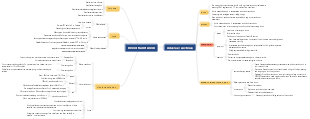
MindMap Gallery Surgery Chapter 4 - Blood Transfusion
This is a mind map about Chapter 4 of Surgery - Blood Transfusion. Blood transfusion refers to the process of instilling the formed components of blood and/or plasma extender from outside the body into the patient's body through blood vessels.
Edited at 2024-03-31 18:56:35This Valentine's Day brand marketing handbook provides businesses with five practical models, covering everything from creating offline experiences to driving online engagement. Whether you're a shopping mall, restaurant, or online brand, you'll find a suitable strategy: each model includes clear objectives and industry-specific guidelines, helping brands transform traffic into real sales and lasting emotional connections during this romantic season.

This Valentine's Day map illustrates love through 30 romantic possibilities, from the vintage charm of "handwritten love letters" to the urban landscape of "rooftop sunsets," from the tactile experience of a "pottery workshop" to the leisurely moments of "wine tasting at a vineyard"—offering a unique sense of occasion for every couple. Whether it's cozy, experiential, or luxurious, love always finds the most fitting expression. May you all find the perfect atmosphere for your love story.
The ice hockey schedule for the Milano Cortina 2026 Winter Olympics, featuring preliminary rounds, quarterfinals, and medal matches for both men's and women's tournaments from February 5–22. All game times are listed in Eastern Standard Time (EST).
This Valentine's Day brand marketing handbook provides businesses with five practical models, covering everything from creating offline experiences to driving online engagement. Whether you're a shopping mall, restaurant, or online brand, you'll find a suitable strategy: each model includes clear objectives and industry-specific guidelines, helping brands transform traffic into real sales and lasting emotional connections during this romantic season.
This Valentine's Day map illustrates love through 30 romantic possibilities, from the vintage charm of "handwritten love letters" to the urban landscape of "rooftop sunsets," from the tactile experience of a "pottery workshop" to the leisurely moments of "wine tasting at a vineyard"—offering a unique sense of occasion for every couple. Whether it's cozy, experiential, or luxurious, love always finds the most fitting expression. May you all find the perfect atmosphere for your love story.
The ice hockey schedule for the Milano Cortina 2026 Winter Olympics, featuring preliminary rounds, quarterfinals, and medal matches for both men's and women's tournaments from February 5–22. All game times are listed in Eastern Standard Time (EST).
Chapter 4, Blood Transfusion
Overview
Definition: Blood transfusion refers to the process of instilling formed components of blood and/or plasma extenders from outside the body into the patient's body through blood vessels. Function: replenish blood volume; improve circulation, enhance oxygen-carrying capacity; increase plasma protein; enhance coagulation function
Indications and precautions for blood transfusion
Indications
heavy bleeding
① Blood loss <500ml (10%), autoregulation, interstitial fluid → circulation ② If blood loss is 500~1000ml (10%-20%), inject crystalloid, colloid or a small amount of plasma substitute ③Blood loss >1000ml (20%), transfusion of concentrated red blood cells ④Blood loss >30%, half whole blood and half CRBC ⑤ If blood loss is >50%, pay attention to supplementing albumin, platelets, coagulation factors, etc.
anemia or hypoalbuminemia
① Mostly due to chronic blood loss and increased destruction of red blood cells ②Transfuse concentrated red blood cells to correct anemia based on the patient’s clinical manifestations and test results ③Supplement plasma or albumin to treat hypoalbuminemia
severe infection
① Provide antibodies, complement, etc. ② Enhance anti-infection ability ③ Input concentrated granulocytes ④Refractory infection → When neutrophils are low and antibiotic treatment is ineffective, the infusion of concentrated granulocytes may be considered to help control the infection. May cause cytomegalovirus infection and pulmonary complications, use with caution
Coagulation abnormalities
Hemophilia→Antihemophilic globulin Fibrinogen deficiency → Cryoprecipitate Thrombocytopenia → platelets
Indications for blood transfusion
hemoglobin
① Hb >100g/L, no need for blood transfusion ② Hb <70g/L, packed red blood cells can be transfused ③ If Hb is 70-100g/L, blood transfusion should be decided according to the patient’s specific condition. For patients who may or may not lose, try not to lose.
platelets
Platelet transfusion should be based on quantity or functional abnormalities associated with bleeding tendency or manifestations ① PLT >100x10⁹/L does not need to lose ② PLT <50x10⁹/L should be considered for loss ③ PLT is (50-100)x10⁹/L and should be determined based on whether the patient has bleeding tendency.
fresh frozen plasma
① PT (prothrombin time) or APTT (activated partial thromboplastin time) >1.5 times normal value, diffuse bleeding in the wound ②Major bleeding or transfusion of stored blood equivalent to the patient’s own blood volume ③Congenital or acquired coagulation disorder ④Emergency counteract the anticoagulant effect of warfarin
⚠️Notes
1. Verification: Double verification of patient and donor names, blood types, crosses and other information. 2. Check: blood color and whether the blood bag is leaking 3. Compatibility: Except for normal saline, no drugs are added to whole blood or concentrated red blood cells. 4. Observe: Are there any adverse reactions: T, P, Bp and urine color? Keep the blood bag for 1 day after blood transfusion.
Adverse reactions to blood transfusion and their prevention and treatment
febrile reaction
clinical manifestations
①The most common complications. The incidence rate is about 2%-10% ②Occurrence time: Within 15 minutes to 2 hours after the blood transfusion begins ③Clinical manifestations: Chill, chills and high fever, body temperature can reach 39~40℃ ④ Accompanying symptoms: sweating, headache, nausea, vomiting and skin flushing ◇ Symptoms may gradually ease, but blood pressure usually remains unchanged ⑤Severe cases: convulsions, difficulty breathing, drop in blood pressure, and even coma may occur
reason
①Immune reaction: Common in multiparous women or those who have received multiple blood transfusions ② Pyrogen: The blood transfusion equipment or blood products used are pyrogen, which is rare. ③Bacterial contamination ④Hemolysis
prevention
①Those who have received multiple blood transfusions: transfuse blood components that do not contain white blood cells and platelets ② Emphasis should be placed on controlling pyrogens. Blood transfusion equipment should be strictly sterilized
treat
①First analyze the possible reasons ②Slow down the blood transfusion speed. In severe cases, blood transfusion should be stopped. ③ Pay attention to symptomatic treatment. For those with chills, intramuscular injection of promethazine or pictidine can be given.
allergic reaction
clinical manifestations
The time of appearance is not necessarily sooner or later. Mostly manifested as skin localization or generalized itching or urticaria Severe cases may cause bronchospasm, angioedema, epiglottis edema, and even anaphylactic shock, coma, and death.
reason
①Patients with allergies are allergic to protein substances in the blood ② Blood donors with allergic constitution transfer certain antibodies in their body to the patient along with the blood, mainly IgE ③When patients receive multiple infusions of plasma products, a variety of antiserum immunoglobulin antibodies are produced in the body, mainly IgA.
treat
Mild illness: Temporarily suspend blood transfusion and take the antihistamine diphenhydramine 25 mg orally. Severe cases: stop blood transfusion, inject epinephrine intramuscularly (1:1000, 0.5~1ml), subcutaneously Corticosteroids, endotracheal intubation or incision to prevent suffocation
prevention
①For patients with a history of allergies, take anti-allergic drugs and intravenous infusion of glucocorticoids half an hour before blood transfusion ②For patients with low IgA levels or detected IgA antibodies, IgA-free blood or blood products should be transfused ③Those with a history of allergies should not donate blood. ④ Blood donors should fast 4 hours before blood collection
hemolytic reaction
clinical manifestations
The most severe and clinically manifest complications ①After infusion of 10 ml of blood with incompatible blood type, the patient ② Immediate redness, swelling and pain along the blood transfusion vein, chills, high fever, difficulty breathing, back pain, headache, chest tightness, and shock ③Hemoglobinuria and hemolytic jaundice will subsequently occur, and in severe cases, renal function damage may occur ④Surgical patients present with unexplained drop in blood pressure and bleeding in the surgical field ⑤ Delayed hemolytic reaction: fever, anemia, jaundice, hemoglobinuria 7-14 days after blood transfusion General Introduction to Surgery
reason
① Transfusion of blood with incompatible blood types triggers a complement-mediated immune response. Including ABO blood type, A subtype, Rh and other blood group incompatibility; transfusion of blood from different donors in large quantities ② Transfusion of defective red blood cells (improper blood storage and transportation, adding hypertonic or hypotonic solutions or drugs that damage red blood cells, etc.) ③When the recipient suffers from autoimmune anemia, the autoantibodies in the blood can also destroy the transfused allogeneic red blood cells and induce hemolysis.
prevention
Emergency treatment: Stop blood transfusion immediately, check blood type again, draw venous blood and observe the plasma color after centrifugation Diagnosis: ① pink plasma ② positive urinary occult blood ③ hemoglobinuria Prevention: ① Strengthen verification during blood transfusion and blood matching. ② Strictly follow the blood transfusion procedures ③ Transfusion of same type of blood
treat
① Anti-shock: transfusion + hormone → transfusion of fresh blood of the same type, platelets, coagulation factors and glucocorticoids. ② Protect renal function → Alkalinize urine: Give intravenous infusion of 5% sodium bicarbonate. Use mannitol, etc. to accelerate the discharge of free hemoglobin. In severe cases, hemodialysis may be considered ③Prevention and treatment of DIC formation: heparin ④Plasma exchange treatment: remove atypical red blood cells from the body; remove harmful antigen-antibody complexes
bacterial contamination response
clinical manifestations
1. Contaminated bacteria have low virulence and small quantity → may only have a fever reaction 2. If the bacteria are highly virulent and numerous, transfuse 10~20ml of blood → endotoxic shock and DIC will occur immediately ①Patients may have irritability, chills, high fever, nausea, vomiting, difficulty breathing, cyanosis, abdominal pain and shock ② Manifestations such as hemoglobinuria, acute renal failure, and pulmonary edema may occur
reason: Contamination due to loopholes in aseptic techniques during blood collection and storage E. coli is common treat: ① Stop the blood transfusion immediately and perform smear and bacterial culture. ② Take effective anti-infection and anti-shock treatment at the same time. prevention: ①Strict aseptic system, blood collection, storage and transfusion according to sterile requirements. ② Blood should be checked regularly during the storage period and before transfusion. Blood should not be used if possible contamination is found.
circulatory overload
Reason: too fast blood transfusion, original cardiac insufficiency, decreased lung function Clinical manifestations: acute heart failure and pulmonary edema, sudden increased heart rate, shortness of breath, cyanosis or coughing up pink frothy sputum, jugular venous distension, elevated venous pressure, and a large number of crackles audible in the lungs
treat: ①Stop losing immediately ② Oxygen inhalation ③Use cardiotonic drugs and diuretics to remove excess body fluids ④Those with low cardiac function: Strictly control the blood transfusion speed and blood transfusion volume ⑤For patients with severe anemia: transfusion of concentrated red blood cells is appropriate
Transfusion-related acute lung injury TRALI
reason
Occurrence has nothing to do with age, gender and original disease Mechanism: Caused by leukocyte agglutinins or HLA-specific antibodies present in donor plasma Clinically, TRALI is often difficult to distinguish from ARDS not caused by blood transfusion, such as pulmonary infection, aspiration pneumonia, or toxin absorption.
Clinical manifestations: ① Appears 1-6 hours after blood transfusion, with acute dyspnea, severe bilateral pulmonary edema and hypoxemia, which may be accompanied by fever and hypotension. ② Diagnosis requires excluding cardiogenic dyspnea. After timely and effective treatment, symptoms will be significantly improved within 48-96 hours; lung X-rays usually dissipate in 4-7 days. prevention: Do not use plasma from multiple pregnancy donors
Transfusion-related graft-versus-host reaction TA - GVHD
Immunocompetent lymphocytes are transfused into a recipient with severe immunodeficiency. The transfused lymphocytes become grafts and proliferate, reacting to the recipient's tissues.
Clinical symptoms: fever, rash, diarrhea, bone marrow suppression and infection, which can lead to death if the condition worsens. There is currently no effective treatment, so for bone marrow transplantation, immunodeficiency, and enhanced chemoradioactive cell-containing components, immune lymphocyte function should be lost through γ-ray irradiation.
Disease Transmission - Hepatitis virus, HIV, human T-lymphocytic leukemia virus, cytomegalovirus, Epstein-Barr virus, parvovirus, nosocomial virus, syphilis, malaria, brucellosis
Immunosuppressive
Blood transfusion can reduce the recipient's non-specific immune function and suppress antigen-specific immunity, increase the postoperative infection rate, and promote tumor growth, metastasis and recurrence. Red blood cell components less than 3u have little impact Allogeneic whole blood and red blood cells have a great impact, which is related to the amount and components of blood transfusion.
Effects of massive blood transfusions
After massive blood transfusion (replacing the patient's entire blood volume with banked blood within 24 hours or transfusing more than 4000ml of blood within a few hours) Clinical manifestations: ①Hypothermia: due to transfusion of refrigerated blood ②Alkalosis: sodium citrate is converted into sodium bicarbonate in the liver ③Temporary hypocalcemia: calcium ions are bound ④Hyperkalemia: transfuse stored blood ⑤ Abnormal coagulation: dilution of coagulation factors and hypothermia treat: Generally, there is no need to supplement calcium. If you lose 1000ml, you can supplement 10ml of 10% calcium gluconate. Pay attention to the transfusion of fresh frozen plasma, cryoprecipitate and platelet concentrate
autologous blood transfusion
Autotransfusion, also known as autotransfusion, is a blood transfusion method that collects the patient's own blood and then reinfuses it when needed.
benefit
Save bank blood No testing or cross-matching required Reduce transfusion reactions and disease transmission
salvage autologous blood transfusion
Use an autologous blood collection device to collect blood in the body cavity after trauma or blood loss during surgery, and then reinfuse it after anticoagulation and filtration.
Indications: ① Abdominal and intrathoracic bleeding: such as splenic rupture, ectopic pregnancy ②Major surgery with an estimated bleeding volume of more than 1000ml: such as major vascular surgery, open-heart surgery under cardiopulmonary bypass, liver lobectomy, etc. Blood should be drained and reinfused within 6 hours after surgery Advantages: The deformation ability and oxygen-carrying capacity of reinfused red blood cells are stronger than those of banked blood.
Pre-stored autologous blood transfusion
Suitable for elective surgery patients who are expected to have heavy intraoperative bleeding and require blood transfusions ①Start 1 month before surgery ② Once every 3 to 4 days, 300 to 400ml each time, until 3 days before surgery ③ Repeated blood collection and storage ④ Pay attention to supplementing iron, folic acid, vitamin C and providing nutritional support
diluted autologous blood transfusion
①Start before anesthesia, collect blood from the vein on one side and infuse the other side (3~4 times) ② Blood collection restrictions: The blood collection volume is 800~1000ml/time. HCT greater than 25%, protein >30g/L, Hb greater than 100g/L ③Start transfusion after blood loss of 300ml, collect first and then transfuse, collect first and then transfuse
Contraindications
①The blood is contaminated (gastrointestinal contents, digestive juices, urine) ②Blood may be contaminated with tumor cells ③Those with liver and kidney dysfunction ④Those with severe anemia should not collect blood before surgery. ⑤Those with existing coagulation disorder ⑥Sepsis or bacteremia ⑦Open injury to the chest and abdomen for more than 4 hours or blood remaining in the body cavity for too long
blood component products
Red blood cell products
Leukocyte-reduced red blood cells: ①Those who develop leukocyte antibodies after multiple blood transfusions ②Those who are expected to need long-term or repeated blood transfusions (start using it from the first time) ③Organ transplantation ④ It is generally believed that losing 2 units can increase 10g/L
Wash red blood cells: ①Allergic reaction; adapt to fever reaction to leukocyte agglutinin ②Liver and kidney dysfunction and hyperkalemia ③Immune autohemolytic anemia and paroxysmal nocturnal hemoglobinuria
Platelet preparations ① Machine-picking method and manual method. The machine-picking method is pure and can minimize the spread of diseases such as hepatitis. ②Adults transfuse 1 therapeutic amount of machine-collected platelets, and the platelets can increase by about 20~30x10/L
White blood cell preparations: many complications, use sparingly
Plasma and plasma protein preparations