MindMap Gallery blood transfusion
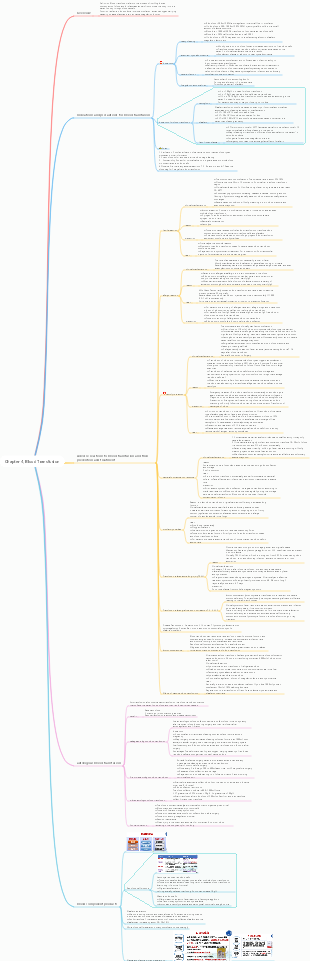
This is a mind map about blood transfusion. The main contents include: purpose, blood transfusion method, types, and adverse reactions. The main purpose of blood transfusion is to increase the blood's ability to carry oxygen, restore the body's blood volume, enhance immunity, and correct coagulation abnormalities.
Edited at 2024-03-14 18:36:10This is a mind map about bacteria, and its main contents include: overview, morphology, types, structure, reproduction, distribution, application, and expansion. The summary is comprehensive and meticulous, suitable as review materials.

This is a mind map about plant asexual reproduction, and its main contents include: concept, spore reproduction, vegetative reproduction, tissue culture, and buds. The summary is comprehensive and meticulous, suitable as review materials.
This is a mind map about the reproductive development of animals, and its main contents include: insects, frogs, birds, sexual reproduction, and asexual reproduction. The summary is comprehensive and meticulous, suitable as review materials.
This is a mind map about bacteria, and its main contents include: overview, morphology, types, structure, reproduction, distribution, application, and expansion. The summary is comprehensive and meticulous, suitable as review materials.
This is a mind map about plant asexual reproduction, and its main contents include: concept, spore reproduction, vegetative reproduction, tissue culture, and buds. The summary is comprehensive and meticulous, suitable as review materials.
This is a mind map about the reproductive development of animals, and its main contents include: insects, frogs, birds, sexual reproduction, and asexual reproduction. The summary is comprehensive and meticulous, suitable as review materials.
blood transfusion
Adverse reactions
fever
The most common symptoms are chills, chills, high fever, and body temperature reaching 38-41 degrees within 1-2 hours after blood transfusion.
In mild cases, slow down; in severe cases, stop blood transfusion.
Give antipyretic, analgesic and anti-allergic drugs
Send the blood transfusion set and residual blood bag to the transfusion department
allergy
In mild cases, slow down; in severe cases, stop blood transfusion.
Do not eat protein or fat-containing foods 4 hours before donating blood
Hemolysis
reason
transfusion of heterotypic blood
Enter spoiled blood
Transfusion of blood with different RH factors
symptom
Start: Head swelling and pain, numbness of limbs, low back pain, chest tightness, nausea and vomiting
Intermediate: jaundice, hemoglobinuria (soy sauce), chills, high fever, dyspnea, decreased blood pressure
Finally: acute renal failure (oliguria, anuria)
deal with
Stop transfusion.
Protect the kidneys: seal and apply with hot water bottle.
Sodium bicarbonate: increases hemoglobin solution.
massive blood transfusion
acute pulmonary edema
Cause: Cardiac overload caused by massive and rapid blood transfusion in a short period of time
Symptoms: Sudden onset of shortness of breath, cough, difficulty breathing, and coughing up pink frothy sputum
Treatment: Stop blood transfusion, sit upright, hang your legs, humidify with 20%-30% ethanol and inhale oxygen, use diuretics, cardiotonic, sedatives and vasodilators as directed by the doctor.
Bleeding tendency: add fresh blood.
citric acidosis
Reason: low calcium
Symptoms: convulsions, slow heart rate
Treatment: Calcium supplementation
Acidosis, high potassium
Caused by transfusion of large amounts of stock blood
blood transfusion
Before transfusion
Prepare blood
Conduct blood group identification and cross-match tests
Take blood
Do three checks and ten pairs of tasks
After taking blood
Do not shake the blood violently. Do not heat the blood. Leave it at room temperature for 15 to 20 minutes.
After taking blood
Only after two nurses have verified that everything is correct can they be entered.
blood transfusion
speed
Start <20d/min, observe for 10~15min
Normal dripping rate is 40~60d/min
Element
100ml of red blood cells=1 unit
White blood cells, platelets, coagulation factors 25ml=1 unit
self
Pre-storage: Start blood collection 3 to 5 weeks before surgery
Dilution and reinfusion. Blood collection begins on the day of surgery.
blood loss transfusion
Flow into the abdominal cavity within 6 hours
Within the total amount of 3500ml
Notice
Normal blood has two layers and no clots
Strictly implement the checking system and prohibit the collection of blood samples from two patients at the same time
No other drugs can be added to the blood
Strengthen inspections during blood transfusion and listen carefully to patients’ chief complaints
The blood bag is kept at low temperature for 24 hours after transfusion
type
Whole blood
fresh blood disease
in stock
Store at 4℃, valid for 2 to 3 weeks
Causes high potassium and acidosis.
blood component
Washing red blood cells Immunity, transplantation
Suspended red blood cells First aid, minor and medium surgeries
Leukocyte suspension agranulocytosis {leukocytes--stored at 4°C for 48 hours}
Platelet Suspension Thrombocytopenia {Platelets--store at 22°C for 24 hours}
Other blood products
Albumin liquid extracted from plasma
coagulation preparations {prothrombin complex}
Immunoglobulins and transfer factors
Purpose
Replenish blood volume
Supplement hemoglobin
Supplement platelets and coagulation factors
Supplement plasma protein
Supplement antibodies, complement