MindMap Gallery The shape and structure of bacteria
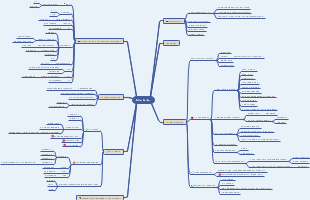
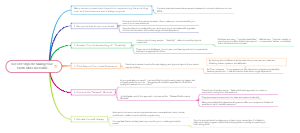
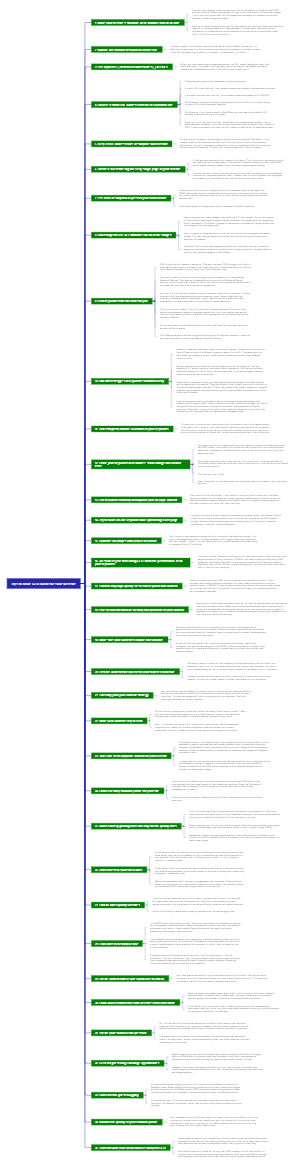
This is a mind map about the morphology and structure of microbial bacteria, which mainly includes the size and shape, basic structure, special structure, etc. of bacteria.
Edited at 2024-03-23 13:13:39This strategic SWOT analysis explores how Aeon can navigate the competitive online landscape, highlighting strengths, weaknesses, opportunities, and threats. Strengths include strong brand recognition (trusted Japanese heritage, quality), omnichannel capabilities (stores + online + mall integration), customer loyalty programs (Aeon Card, points, member pricing), and physical footprint (extensive store network for pickup/returns). Weaknesses encompass digital maturity gaps (e-commerce penetration, app functionality, personalization vs. Amazon, Alibaba), cost structure challenges (store-heavy, real estate, labor), and supply chain complexity (fresh food, frozen logistics for online). Opportunities include enhancing e-commerce competitiveness (faster delivery, wider assortment, lower minimum order), leveraging data-driven strategies (purchase history, personalized offers, inventory optimization), expanding omnichannel integration (buy online pick up in store, ship from store), and private label growth (Topvalu, localized brands). Threats involve online-first players (Amazon, Alibaba, Sea Limited) with lower costs, wider selection, faster delivery, market dynamics (changing consumer behavior post-COVID, discount competitors), and regulatory risks (data privacy, cross-border e-commerce rules). Aeon can strengthen market position by investing in digital capabilities, leveraging store assets for omnichannel, and using customer data for personalization, while addressing cost structure and online competition.
This analysis explores how Aeon effectively tailors offerings to meet the diverse needs of family-oriented consumers through a comprehensive Segmentation, Targeting, and Positioning (STP) framework. Demographic segmentation examines family life stages (young families with babies, school-aged children, teenagers, empty nesters), household sizes (small vs. large), income levels (mass, premium), and parent age bands (millennials, Gen X). This identifies distinct consumer groups with different spending patterns. Geographic segmentation highlights store catchment types (urban, suburban, rural), community characteristics (density, income, competition), and local preferences (fresh food, halal, Japanese products). Psychographic segmentation delves into family values (health, safety, education, convenience), lifestyle orientations (busy professionals, home-centered, eco-conscious). Behavioral segmentation focuses on shopping missions (daily grocery, weekly stock-up, seasonal shopping), price sensitivity (value seekers, premium), channel preferences (in-store, online, pickup). Needs-based segmentation reveals core family needs related to value (good-better-best pricing), budget considerations (affordability, promotions, member pricing), safety (food quality, product recall), convenience (one-stop shopping, parking, store hours). Targeting prioritizes young families with school-aged children, budget-conscious households, and convenience-seeking shoppers. Positioning emphasizes Aeon as a family-friendly, value-for-money, one-stop destination with Japanese quality and local relevance. These insights enhance family shopping experiences through tailored assortments (kids’ products, school supplies), promotions (family bundles, weekend events), and services (nursing rooms, kids’ play areas).
This Kream Sneaker Consumption Scene Analysis Template aims to visualize purchasing and consumption journeys of sneakers, identifying key demand drivers and obstacles. User behavior within Kream includes searching, bidding, buying, selling, authentication, and community engagement. External influences include brand drops (Nike, Adidas), social media (Instagram, TikTok), influencer hype, and cultural trends. Target categories: limited editions, collaborations, retro releases, performance sneakers, and general releases. Timeframes: launch day, first week, first month, long-term (seasonal, yearly). Regions: North America, Europe, Asia (Korea, China, Japan). User segments: Collectors: value rarity, condition, completeness (box, accessories). KPIs: collection size, spend, authentication rate. Resellers: value profit margin, volume, turnover. KPIs: sell-through rate, average profit, listing frequency. Sneakerheads: value hype, trends, community validation. KPIs: purchase frequency, social engagement, wishlist adds. Casual trend followers: value style, convenience, price. KPIs: conversion rate, average order value, repeat purchases. Gift purchasers: value ease, presentation, brand trust. KPIs: gift message usage, return rate. Consumption journey: Awareness: social media, email, push notifications. Search: browse, filter, search by brand, model, size. Purchase: bid, buy now, payment, shipping. Authentication: inspection, verification, certification. Resale: list, price, sell, transfer. Sharing: review, unboxing, social post, community discussion. Key performance indicators: conversion rate, sell-through rate, average order value, customer lifetime value, authentication pass rate, return rate, Net Promoter Score. This framework helps understand sneaker trading dynamics, user motivations, and touchpoints for engagement and satisfaction.
This strategic SWOT analysis explores how Aeon can navigate the competitive online landscape, highlighting strengths, weaknesses, opportunities, and threats. Strengths include strong brand recognition (trusted Japanese heritage, quality), omnichannel capabilities (stores + online + mall integration), customer loyalty programs (Aeon Card, points, member pricing), and physical footprint (extensive store network for pickup/returns). Weaknesses encompass digital maturity gaps (e-commerce penetration, app functionality, personalization vs. Amazon, Alibaba), cost structure challenges (store-heavy, real estate, labor), and supply chain complexity (fresh food, frozen logistics for online). Opportunities include enhancing e-commerce competitiveness (faster delivery, wider assortment, lower minimum order), leveraging data-driven strategies (purchase history, personalized offers, inventory optimization), expanding omnichannel integration (buy online pick up in store, ship from store), and private label growth (Topvalu, localized brands). Threats involve online-first players (Amazon, Alibaba, Sea Limited) with lower costs, wider selection, faster delivery, market dynamics (changing consumer behavior post-COVID, discount competitors), and regulatory risks (data privacy, cross-border e-commerce rules). Aeon can strengthen market position by investing in digital capabilities, leveraging store assets for omnichannel, and using customer data for personalization, while addressing cost structure and online competition.
This analysis explores how Aeon effectively tailors offerings to meet the diverse needs of family-oriented consumers through a comprehensive Segmentation, Targeting, and Positioning (STP) framework. Demographic segmentation examines family life stages (young families with babies, school-aged children, teenagers, empty nesters), household sizes (small vs. large), income levels (mass, premium), and parent age bands (millennials, Gen X). This identifies distinct consumer groups with different spending patterns. Geographic segmentation highlights store catchment types (urban, suburban, rural), community characteristics (density, income, competition), and local preferences (fresh food, halal, Japanese products). Psychographic segmentation delves into family values (health, safety, education, convenience), lifestyle orientations (busy professionals, home-centered, eco-conscious). Behavioral segmentation focuses on shopping missions (daily grocery, weekly stock-up, seasonal shopping), price sensitivity (value seekers, premium), channel preferences (in-store, online, pickup). Needs-based segmentation reveals core family needs related to value (good-better-best pricing), budget considerations (affordability, promotions, member pricing), safety (food quality, product recall), convenience (one-stop shopping, parking, store hours). Targeting prioritizes young families with school-aged children, budget-conscious households, and convenience-seeking shoppers. Positioning emphasizes Aeon as a family-friendly, value-for-money, one-stop destination with Japanese quality and local relevance. These insights enhance family shopping experiences through tailored assortments (kids’ products, school supplies), promotions (family bundles, weekend events), and services (nursing rooms, kids’ play areas).
This Kream Sneaker Consumption Scene Analysis Template aims to visualize purchasing and consumption journeys of sneakers, identifying key demand drivers and obstacles. User behavior within Kream includes searching, bidding, buying, selling, authentication, and community engagement. External influences include brand drops (Nike, Adidas), social media (Instagram, TikTok), influencer hype, and cultural trends. Target categories: limited editions, collaborations, retro releases, performance sneakers, and general releases. Timeframes: launch day, first week, first month, long-term (seasonal, yearly). Regions: North America, Europe, Asia (Korea, China, Japan). User segments: Collectors: value rarity, condition, completeness (box, accessories). KPIs: collection size, spend, authentication rate. Resellers: value profit margin, volume, turnover. KPIs: sell-through rate, average profit, listing frequency. Sneakerheads: value hype, trends, community validation. KPIs: purchase frequency, social engagement, wishlist adds. Casual trend followers: value style, convenience, price. KPIs: conversion rate, average order value, repeat purchases. Gift purchasers: value ease, presentation, brand trust. KPIs: gift message usage, return rate. Consumption journey: Awareness: social media, email, push notifications. Search: browse, filter, search by brand, model, size. Purchase: bid, buy now, payment, shipping. Authentication: inspection, verification, certification. Resale: list, price, sell, transfer. Sharing: review, unboxing, social post, community discussion. Key performance indicators: conversion rate, sell-through rate, average order value, customer lifetime value, authentication pass rate, return rate, Net Promoter Score. This framework helps understand sneaker trading dynamics, user motivations, and touchpoints for engagement and satisfaction.
The shape and structure of bacteria
Bacterial size and shape
Observation instrument: optical microscope
Unit of measurement: um
Depending on the form
cocci
bacilli
Spiral bacteria
Gram stain
Gram-positive bacteria (G+ bacteria)
Gram-negative bacteria (G-bacteria)
basic structure
cell wall
Main ingredients: peptidoglycan
Unique to prokaryotic cells, also known as mucin or murein
Common components in the cell walls of G-bacteria and G-bacteria
Function
(Main) Maintain bacterial morphology and protect bacteria
material exchange
related to pathogenicity
related to drug resistance
Related to electrostatic properties
a
G bacteria (Gram-positive bacteria)
Element
peptidoglycan
glycan bone chain
Tetrapeptide side chain
Pentapeptide cross-linking bridge
The main differences in the cell wall peptidoglycan structure of G-bacteria and G-bacteria
Teichoic acid (special component of G bacteria)
G-bacteria (Gram-negative bacteria)
Element
peptidoglycan
glycan backbone
Tetrapeptide side chain
Outer membrane (special component of G-bacteria)
composition
lipoprotein
lipid bilayer
Lipopolysaccharide (LPS) is the endotoxin of G-bacteria
Lipid A
core polysaccharide
specific polysaccharide
Function
Stabilize cell structure
Contains endotoxin
important surface antigens
Similarities and Differences
Bacterial cell wall defective type (bacterial L-type)
concept
G——Protoplast
G-——Spheroplast
Features
Diversity
All G-
Hypertonic low agar serum-containing medium
Poached egg-like colonies
Some are still pathogenic → chronic infection
Certain removal of triggering factors → original bacteria
Can pass bacterial filter
Artificial inducers of bacterial L-forms
Lysozyme
Mechanism of action: cleaves the cell wall glycan skeleton and cleaves β-1,4 glycosidic bonds
penicillin
Mechanism of action: Competitively binds to transpeptidase and inhibits the connection between tetrapeptide side chains and pentapeptide cross-link bridges
cell membrane
structure
Phospholipids, proteins
Cholesterol free
Function
material transport
respiration and secretion
Biosynthesis
Participate in bacterial division
intermediary
Concept: A sac formed by invagination, folding, and curling of part of the bacterial cell membrane
Commonly seen with G bacteria
Function: Mimic mitochondria
Cytoplasm/protoplasm
Ribosome
The only organelle where proteins are synthesized
Bacterial ribosomes are different from eukaryotic ribosomes
Bacterial ribosome sedimentation coefficient 70S (50S 30S)
Streptomycin - 30s subunit nucleoplasm
Erythromycin - 50s subunit
Plasmid
Concept: Genetic material outside bacterial chromosomes, circular closed double-stranded DNA molecules, carrying genetic information
Function: Determines the non-vital traits of bacteria: drug resistance, bacteriocins, sexual pili, etc.
Features
independent replication
can be lost
Structures that are not necessary for bacterial survival
Can pass relevant traits to another bacterium
cytoplasmic granules
store nutrients
Metachromatic granules: store high-energy phosphates and are highly basophilic, helping to identify Corynebacterium diphtheriae
Nucleoplasm
Bacterial prokaryotes, do not have a formed nucleus, the genetic material is called nucleoplasm or nucleoid, and there is no nuclear membrane nucleolar structure
Composition: Single closed circular double-stranded DNA
special structure
capsule
composition
Most – polysaccharides
A few – peptides
Function
Anti-phagocytosis
Enhance bacterial invasiveness, related to pathogenicity
stick
Resistant to harmful substances
flagellum
Classification
Monochaeta
Vibrio cholerae
Goods don't come alone
Dichomycosis
Campylobacter jejuni
Lost money and people
Complexia
Pseudomonas aeruginosa
A bunch of copper coins
Peritrichosporon
Salmonella typhi
One week of typhoid fever
chemical composition
protein
structure
Basal corpuscle, hook-shaped body, filamentous body
effect
bacterial motility organ
Some bacterial flagella are associated with pathogenicity
Bacterial identification and classification
Antigenicity
Very strong, called flagellar (H) antigen
pili
Many G- bacteria and a few G+ bacteria cannot be seen with the light microscope LM, but can only be seen with the electron microscope EM.
spores
Features
dormant state of bacteria, non-propagules
Substances necessary to preserve the entire life of bacteria
Strong refraction and not easy to color
Most of the bacteria with spores are G bacteria
Function and medical significance
Strong resistance
Sterilization index; kill spores as sterilization (high pressure steam sterilization)
An important source of certain exogenous infections, spores do not directly cause disease