MindMap Gallery Medicine - Sleep Walking (Sleepwalking)
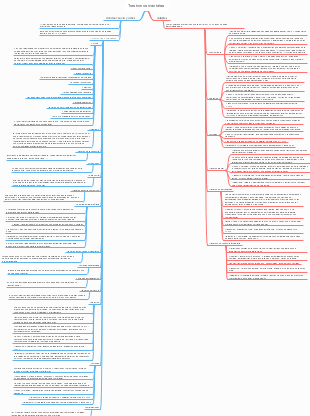
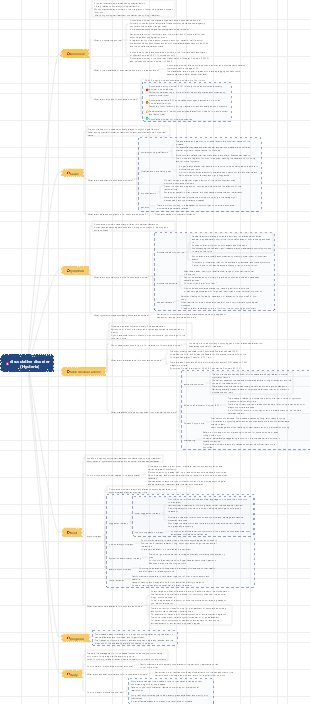
·Somnambulism is a common sleep disorder, commonly known as "sleepwalking". It is an altered state of consciousness in which one wakes up during sleep and walks indoors or outdoors or does some simple activities while sleeping and waking at the same time. · During the attack, the patient shows low levels of attention, reactivity and motor skills. He can walk around indoors and do some actions. In most cases, he will return to bed by himself or under the guidance of others, whether he wakes up immediately or wakes up the next day. cannot recall; ·It often occurs in the deep sleep period 90 to 120 minutes after falling asleep. It is more common in children, up to 1% to 5%, and less than 1% in adults. It is more common in males. Some children are accompanied by night terrors and enuresis. ·Drawing is not easy, I hope you enjoy it. Thank you❤️.
Edited at 2023-12-18 09:43:23This article discusses the Easter eggs and homages in Zootopia 2 that you may have discovered. The main content includes: character and archetype Easter eggs, cinematic universe crossover Easter eggs, animal ecology and behavior references, symbol and metaphor Easter eggs, social satire and brand allusions, and emotional storylines and sequel foreshadowing.

[Zootopia Character Relationship Chart] The idealistic rabbit police officer Judy and the cynical fox conman Nick form a charmingly contrasting duo, rising from street hustlers to become Zootopia police officers!
This is a mind map about Deep Analysis of Character Relationships in Zootopia 2, Main content: 1、 Multi-layer network of relationships: interweaving of main lines, branch lines, and hidden interactions, 2、 Motivation for Character Behavior: Active Promoter and Hidden Intendant, 3、 Key points of interaction: logic of conflict, collaboration, and covert support, 4、 Fun Easter eggs: metaphorical details hidden in interactions.
This article discusses the Easter eggs and homages in Zootopia 2 that you may have discovered. The main content includes: character and archetype Easter eggs, cinematic universe crossover Easter eggs, animal ecology and behavior references, symbol and metaphor Easter eggs, social satire and brand allusions, and emotional storylines and sequel foreshadowing.
[Zootopia Character Relationship Chart] The idealistic rabbit police officer Judy and the cynical fox conman Nick form a charmingly contrasting duo, rising from street hustlers to become Zootopia police officers!
This is a mind map about Deep Analysis of Character Relationships in Zootopia 2, Main content: 1、 Multi-layer network of relationships: interweaving of main lines, branch lines, and hidden interactions, 2、 Motivation for Character Behavior: Active Promoter and Hidden Intendant, 3、 Key points of interaction: logic of conflict, collaboration, and covert support, 4、 Fun Easter eggs: metaphorical details hidden in interactions.
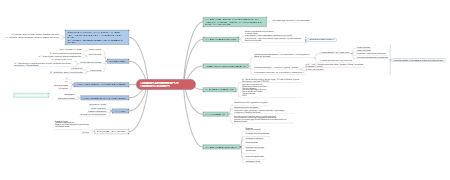
Sleep walking (sleepwalking)
Overview
● Leaving the bed to walk or even run quickly while sleeping ● The activity can be terminated on its own, and sleep can continue after the attack ● Difficult to arouse, exhibiting confusion when awakened ● Have no partial or complete memory of what happened
What is sleep walking?
Sleep walking (Somnambulism) is a common sleep disorder, commonly known as "sleepwalking". The event usually occurs in the first 1/3 of the main sleep period and refers to walking out of bed that occurs during sleep. Even running out of bed quickly. The activity can terminate on its own, and sleep can continue after the attack.
Patients are usually not easily awakened during an attack, and if awakened, they are in a state of confusion. Appearing to be very confused and confused, with partial or no memory of what happened.
Sleep walking among the crowd What is the incidence of the disease?
Prevalence
The lifetime prevalence of sleepwalking is as high as 18.3%. Sleepwalking syndrome can occur in children who have just learned to walk. However, the peak incidence is between 4 and 8 years old, and the prevalence is 10% to 20%.
Sleepwalking also occurs in adults, But the vast majority of people with sleepwalking disorder have episodes in childhood. Sleepwalking usually disappears during adolescence. The incidence of sleepwalking in adults is 4.3%.
People prone to hair loss
There are family patterns of sleepwalking.
The likelihood of sleep walking in children increases with parental involvement:
·The probability of children sleeping while neither parent is sleeping is 22%;
·If one parent has sleepwalking, the probability of the child sleepingwalking is 45%;
·Both parents have sleepwalking, and the probability of children sleepingwalking is 60%.
Population study of identical and fraternal twins showed 65% of patients with sleepwalking There are genetic factors. Therefore, those whose parents have sleepwalking disorder are more likely to suffer from it.
People with irregular lifestyles and long-term sleep deprivation are also prone to sleepwalking syndrome.
Cause
The underlying pathophysiological basis is sleep state dissociation:
·That is, part of the brain is in the waking state while the other part is still in the non-fast state. The result of this dissociation during rapid eye movements (NREM) is that the brain has Sufficiently awake and able to perform very complex, sustained movements or speech behaviors, but it is not yet fully awake enough to respond to these actions.
Common causes of sleepwalking include predisposing and predisposing factors. However, the exact cause has not yet been studied clearly.
What are the causes of sleep walking?
Current findings suggest that factors that may be associated with sleepwalking include:
Lack of sleep or sleep disorders: sleep deprivation, staying up late for a long time, Bad sleep habits such as repeated jet lag may cause sleepwalking.
Mental factors: high life pressure, emotional depression, post-traumatic stress disorder, panic disorder, Being anxious for a long time or suffering from an anxiety disorder can also increase the risk of developing sleepwalking disorder.
Obstructive sleep apnea: Obstructive sleep apnea that is untreated or newly started on continuous positive airway pressure therapy.
drinking
Neurological disorders: Conditions such as migraine, traumatic brain injury, encephalitis, and epilepsy may cause sleepwalking.
Genetics: Family members of people with sleepwalking are also susceptible to the disease, and research suggests there may be a genetic link. At present, some scholars have proposed the hypothesis of genetic predisposition, and some studies have also identified different genetic loci and inheritance patterns.
What are the triggering factors for sleep walking?
There are many triggers for sleepwalking.
Sleep deprivation.
Situational stress.
Use of drugs: sedative-hypnotics, neurosedatives, anxiolytics, central stimulants, Antihistamines, such as zolpidem and other benzodiazepine receptor agonists, lithium preparations, phenothiazines, etc.
Changes in sleeping environment: such as traveling and changing sleeping environment.
fever.
Vigorous physical activity.
Stimulus (such as noise or light).
Causes of Traditional Chinese Medicine
Traditional Chinese medicine believes that the cause and pathogenesis of sleepwalking are mainly due to exposure to fear and strong mental stimulation...
symptom
Walking out of bed during sleep, or even running quickly out of bed.
Patients are usually not easily awakened during an attack, and if awakened, they are in a state of confusion. Appearing to be very confused and confused, with partial or no memory of what happened.
What are the typical symptoms of sleep walking?
Good hair time
Sleepwalking syndrome usually occurs in the N3 stage, the first 1/3 of the main sleep period.
Typical symptoms
Some patients can also walk directly out of bed, or even run quickly out of bed. Extremely inappropriate, anxious, resistant, combative, or violent behavior may be seen. Abnormal behavior can be simple and non-purposeful, or it can be complex and persistent. Inappropriate sexual behavior (to self or bed partner) may also be seen.
The activity may terminate on its own, and patients sometimes fall asleep in inappropriate places after the attack. Sometimes you can unconsciously go back to bed and continue sleeping. Sleepwalkers have impaired orientation, slow speech, altered state of consciousness, and slow reactions.
There is usually anterograde and degenerative amnesia. Although sensory afferent is blocked in arousal disorders, Leading to reduced perception of the outside world, decreased alertness, and impaired cognitive responses. But the patient appears to be awake during the attack.
What symptoms may accompany sleep walking?
With sleepwalking, the behavior involved can be routine but occur at the wrong time. However, Inappropriate behaviors more often occur during sleepwalking, such as urinating in trash cans and moving furniture carelessly. Or climb out the window. Patients can move around familiar environments and avoid obstacles or falls.
Adults with sleepwalking disorder, especially men, may engage in violent behavior. The targets of violence are usually unselected; It will be attacked when it attempts to block, control, restrain, guide or awaken a sleep terror patient. Family and friends are no exception. Violence mainly takes the form of defensive attacks, such as pushing, hitting, kicking or throwing objects.
Seek medical advice
Occasional episodes of sleepwalking are in most cases not cause for excessive anxiety and usually do not require medical attention.
If the patient has symptoms of sleepwalking multiple times over a period of time, Or there are obvious symptoms of abnormal anxiety and fear, which affect life If it causes any impact, you need to go to the hospital in time to seek medical help.
Which department should I go to for sleep walking?
Psychiatry, psychology, and sleep medicine.
How do doctors diagnose sleep walking?
·First, the doctor will ask the patient’s medical history in detail, including symptoms during the attack, Frequency, duration of attacks, general health status and medication history, family history, etc.
·Secondly, the doctor will conduct detailed examination through inspection, palpation, percussion and auscultation. Check the patient's various organs and systems to determine the patient's overall health.
·Then, after taking a history and performing a physical examination, the doctor may recommend
What are the related tests for sleep walking?
Physical examination
The doctor will conduct a comprehensive and detailed physical examination of the patient. Helps to initially rule out lesions in other organs and systems.
special inspection
Polysomnography (PSG)
What diseases should sleep walking be distinguished from?
This disease is associated with sleep terrors, nightmares, and abnormal REM sleep behavior. The diseases have similarities, and doctors will identify them through many aspects.
sleep terror
Frequent crying or screaming, accompanied by extreme fear and hyperautonomia, Such as tachycardia, shortness of breath, skin flushing, sweating, dilated pupils, Muscle tension, etc. Usually manifests as sitting up from bed and unresponsive to external stimuli; Even when I woke up, I was confused. Rushing out of bed and running is less common.
nightmare
Recurrent dreams that make patients extremely anxious, mainly occurring during REM sleep. Nightmares tend to occur in the second half of the night during the main sleep period, when REM pressure is obvious, usually Causes the patient to wake up from sleep and causes mental distress. When patients wake up, they can usually Retell the content of the dream in sufficient detail. Nightmares with similar content may occur multiple times during sleep.
Abnormal REM sleep behavior
Abnormal behavioral characteristics during REM sleep that may lead to injury or sleep disturbance. RBD's dream interpretation often results in sleep-related injuries. The actions performed in dreams are usually not related to Pleasant violent dreams, such as attacks, resistance, being chased by strangers or animals, etc. After the attack ends, the patient usually wakes up quickly, returns to normal alertness, and is able to regain consciousness clearly. Narrate dreams. The content of his dream is consistent with the actions seen by others.
treat
Sleepwalking disorder can sometimes be combined with psychiatric disorders, including post-traumatic stress disorder, anxiety disorders, Panic disorder, schizophrenia and other mental illnesses may induce sleepwalking. In this case, the patient needs to seek medical treatment promptly, cooperate with the doctor to determine the cause of the disease as soon as possible and actively receive treatment.
What medications are available for sleep walking?
Due to large individual differences, there is no absolute best or best medication. The fastest and most effective. In addition to commonly used over-the-counter drugs, it should be taken under the supervision of a doctor. Under guidance, choose the most appropriate drug based on your personal situation.
If drug treatment is used, benzodiazepines (BZRA), Tricyclic antidepressants (TCA), selective serotonin reuptake inhibitors (SSRI). Clonazepam or temazepam is preferred to be taken 1 hour before bed. It should be emphasized that the above-mentioned drugs must be Take it before bed to prevent the onset of slow waves during the first sleep cycle.
Patients with sleepwalking combined with sleep apnea, After effective treatment of apnea, sleepwalking episodes are significantly reduced.
If there are potentially violent or harmful actions, obvious distress to other family members, or excessive daytime Sleepiness or unusual clinical features should be reported to a sleep center for formal evaluation to rule out psychiatric disorders.
How to treat sleep walking with traditional Chinese medicine?
The general treatment principle: adjust the yin and yang of the internal organs, soothe the soul, calm the mind and improve the mind.
Heart fire is strong
Syndromes
Prescription
Cinnabar Anshen Pills, Daochi Powder
Liver stagnation turns into fire
Syndromes
Prescription
Danzhi Xiaoyao Pills, Longdan Xiegan Decoction
Gastrointestinal disharmony
Syndromes
Prescription
Chengqi Decoction and Baohe Pills.
Phlegm stagnation and heat knot
Syndromes
Prescription
Coptis Wendan Decoction and Daotan Decoction.
Blood stasis blocking orifices
Syndromes
Prescription
Tongqiao Huoxue Decoction and Mad Mengxing Decoction.
Heart, liver and blood deficiency
Syndromes
Prescription
Suanzaoren Decoction and Tianwang Buxin Dan.
Heart and spleen deficiency
Syndromes
Prescription
Guipi Decoction.
Heart and kidney deficiency
Syndromes
Prescription
Zuogui Pills, Liuwei Dihuang Pills, Tianwang Buxin Dan.
s
body acupuncture
·Acupoints: Shenmen, Ganshu, Hunmen, Sanyinjiao, Baihui, Anmian.
·Acupoint matching: If the heart fire is excessive, add Quze; if the liver stagnation transforms into fire, add Taichong. For those with gastrointestinal disharmony, add Zhongwan; for those with phlegm, blood stasis and heat, add Fenglong; for those with blood stasis and obstruction of the orifices, add Zhongwan. For patients with heart and liver blood deficiency or heart and spleen deficiency, add Zusanli and Yanglingquan.
ear acupuncture
·Take acupoints such as Shenmen, heart, liver, spleen, and kidney. Use filiform needles, press needles, or bury and press the seeds of Wangbuliuxing.
massage therapy
·Choose acupoints such as the Du Meridian on the back and the Bladder Meridian of Foot Taiyang.
·Focus on the acupoints of Neiguan, Sanyinjiao, Zusanli, Baihui, Xinshu, Ganshu, Pishu, Shenshu and so on.
prognosis
·Sleepwalking syndrome is usually benign and has a good prognosis. Sleepwalking syndrome in children usually disappears on its own around puberty. It can also be sustained in the youth stage. Attacks may recur in adulthood during times of sleep deprivation or stress. temptation should be avoided Because of the occurrence, reduce the frequency of attacks. If sleepwalking is combined with other mental illnesses, active diagnosis and treatment should be made to identify the cause.
daily
The key to preventing sleepwalking syndrome is to maintain a healthy mental state in daily life. Developing good lifestyle and sleep habits can help reduce the number of sleepwalking episodes and prevent recurrence.
How to take care of sleep walking at home?
·Family members should do a good job in psychological work for the patient and appease the patient’s anxiety and The negative emotions of tension and fear can help them establish a correct understanding of the disease.
·Family members should take protective measures to avoid accidental injuries caused by disease attacks during sleep.
·Supervise patients to develop good lifestyle and sleep habits.
What should we pay attention to in the daily management of sleep walking patients?
diet
Take in enough protein, carbohydrates, fiber, vitamins, etc. Be careful to avoid spicy food, overeating before going to bed, and avoid drinking strong tea and coffee.
sports
Strengthen physical fitness, improve immunity, promote disease recovery, and conduct appropriate physical exercise, including Tai Chi, Baduanjin, Wuqinxi, jogging, walking, etc. But be careful not to engage in strenuous exercise within four hours before going to bed.
lifestyle
In daily life, we should pay attention to reasonable sleep arrangements, avoid sleep deprivation, and maintain a regular work and rest schedule. Ensure adequate sleep, avoid staying up late, and avoid watching stimulating movies and books before going to bed. You can listen to some soothing music, do moderate stretching, abdominal breathing, meditation and other activities.
Emotional Psychology
Build confidence in fighting the disease, eliminate tension, relax, and avoid over-excitement, For anxiety, tension, depression and other emotions, maintain a good attitude and develop good sleeping habits.
What indicators need to be monitored daily for sleep walking conditions?
If sleepwalking occurs less frequently, close observation is enough. If attacks occur frequently, Patients should pay close attention to the frequency, duration and circumstances of disease attacks. And pay attention to observe whether new symptoms appear, and go to the sleep center for diagnosis and treatment in time.
What are the special precautions for sleep walking?
It is recommended that patients live in a room on a low floor and try to close doors and windows to prevent falling. Danger occurs. Patients who suffer from nocturnal wandering during sleep at night should be supported in time as soon as they are discovered. Wake up patients, help avoid danger and prevent accidents.
How to prevent sleep walking?
The following measures can help prevent the onset of sleepwalking:
·Maintain a positive and healthy mental state: correctly understand the disease, release stress reasonably, and avoid anxiety, tension, depression and other emotions.
·Develop good work and rest habits: go to bed and get up on time, avoid staying up late, and ensure adequate sleep.
·Create a good sleeping environment: keep the bedroom clean and quiet.
·Remove bad triggering factors: avoid heavy meals, smoking, drinking alcohol, tea, coffee, etc. before going to bed.