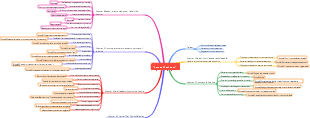
MindMap Gallery Human Weakness Carnegie
reading notes Step One: Basic Interpersonal Skills Step Two: 6 Tips for Effective Communication Step 3: 12 tips for persuading others without leaving a trace Step 4: 9 Ways to Effective Leadership
Edited at 2023-12-11 00:57:36Avatar 3 centers on the Sully family, showcasing the internal rift caused by the sacrifice of their eldest son, and their alliance with other tribes on Pandora against the external conflict of the Ashbringers, who adhere to the philosophy of fire and are allied with humans. It explores the grand themes of family, faith, and survival.

This article discusses the Easter eggs and homages in Zootopia 2 that you may have discovered. The main content includes: character and archetype Easter eggs, cinematic universe crossover Easter eggs, animal ecology and behavior references, symbol and metaphor Easter eggs, social satire and brand allusions, and emotional storylines and sequel foreshadowing.
[Zootopia Character Relationship Chart] The idealistic rabbit police officer Judy and the cynical fox conman Nick form a charmingly contrasting duo, rising from street hustlers to become Zootopia police officers!
Avatar 3 centers on the Sully family, showcasing the internal rift caused by the sacrifice of their eldest son, and their alliance with other tribes on Pandora against the external conflict of the Ashbringers, who adhere to the philosophy of fire and are allied with humans. It explores the grand themes of family, faith, and survival.
This article discusses the Easter eggs and homages in Zootopia 2 that you may have discovered. The main content includes: character and archetype Easter eggs, cinematic universe crossover Easter eggs, animal ecology and behavior references, symbol and metaphor Easter eggs, social satire and brand allusions, and emotional storylines and sequel foreshadowing.
[Zootopia Character Relationship Chart] The idealistic rabbit police officer Judy and the cynical fox conman Nick form a charmingly contrasting duo, rising from street hustlers to become Zootopia police officers!
"Human Weakness" Carnegie
Step One: Basic Interpersonal Skills
The starting point of success: “Three No’s”
When dealing with people, keep this in mind: People are not rational animals. They are driven by emotions and dominated by prejudices. Arrogance and vanity are their sources of motivation.
People who do wrong will blame anyone but themselves. It happens to all of us.
The people we try to correct or criticize will argue and find fault with us.
99% of the time, no matter how serious a mistake they make, people will not blame themselves; Criticism does not lead to lasting change and often leads to hatred.
If you want to anger someone, you only need to use fierce criticism as a weapon. Even if the criticism is justified, the other person may hold the grudge for life.
Changing yourself is much more beneficial and less dangerous than changing someone else.
Don’t judge others, just as you don’t want to be judged.
Principle: Don’t criticize, don’t blame, don’t complain.
Humanity needs sincere praise
The deepest principle of human nature is the desire to be appreciated.
The desire for the feeling of "I matter" is one of the most obvious differences between humans and animals.
Appreciation and encouragement are ways to inspire everyone's potential and can inspire people's potential.
Do not be afraid of the attacks of your enemies, but beware of the flattery of your friends.
Remember praise is not flattery. What is the difference between appreciation and flattery? It's very simple, the former is from the heart, the latter is insincere; The former flows out from the heart, the latter blows out from the teeth; The former has nothing to ask for, while the latter has selfish motives; The whole world wants the former, and the whole universe curses the latter.
Flattery means telling the other person exactly what kind of person he or she thinks you are.
Emerson said: "Everyone I meet is superior to me in some way and can therefore be my teacher."
Be sincere when giving compliments. "Praise from the bottom of your heart" and "don't be stingy with your appreciation"
Principle: Please don’t be stingy with compliments that come from the heart and are not artificial.
Appeal to the other person's needs rather than your own
The only way in the world to influence others is to find out what they want and show them how to get it.
Before persuading others, ask yourself, “How can I get the other person to do this spontaneously?”
This question can stop us from rushing headlong into a situation and futilely talking about our desires.
Interpersonal communication advice: Understand other people’s positions and consider both their own and others’ positions.
"If there is a secret to success, it lies in ability. You can see the other person's perspective and see things from their perspective as if it were your own. " It is so simple and straightforward that anyone can see at a glance that it is the truth, But 90% of the world ignores it 90% of the time
The first way to persuade others is to arouse their strong desire.
Self-expression is the main need of human nature
Principle: Appeal to the other person’s inner needs.
Step Two: 6 Tips for Effective Communication
Keep people close to each other, water trees and roots
Those who ignore their fellow citizens will have the most difficult life and the most painful harm they will cause to those around them.
“We only like people when they are interested in us.” And expressing your interest, like all other principles of relationships, must be sincere. It must benefit both parties, not just the person showing interest but also the person receiving the attention. This is not a dead end, it is open at both ends and both sides will benefit.
No matter what you do, it is important to sincerely care about others.
Everyone will feel good about those who admire them
Sincerity is the foundation of being a human being
If you want people to like you, if you want to gain real friends, If you want to help others and yourself, keep this principle in mind.
Principle: Create an interest in others and pay sincere attention to them
A smile lights up the world
People who smile can achieve greater results in management, teaching and marketing, and their children will also feel happier. A smile conveys much richer information than a frown, so encouragement is more effective than punishment in teaching.
Only if you think people will be happy when they see you will you be happy when they see them.
It seems that we feel first and then act, but in fact actions and feelings are interactive. Behavior is directly controlled by the will, and by regulating behavior, we can indirectly regulate emotions that are not controlled by the will.
Everyone in the world is looking for happiness. There is a way, and by controlling your thoughts, you will definitely find it. Happiness does not depend on the external environment, but on the internal environment. what you have, who you are, where you are, what you are doing, It's not these things that make you happy or unhappy, it's what you think happiness is. For example, two people live in the same place and do the same job; the two people have the same status and wealth. But one is always frowning and the other is happy. why? Because their views on happiness are different.
"There is no good or bad in the world," Shakespeare said. "If you think it is good, it will be good. If you think it is bad, it will be bad."
“How happy people are depends on how happy they want to be.
To think rightly is to create. Everything comes from desire, and whatever you sincerely ask for will come true. What is in our heart must become a part of us.
Don’t open a shop without a smiling face.
Everyone hates hypocrisy, and a fake smile can’t fool anyone. Only a smile that comes from the heart can warm people's hearts and have a positive impact
Principle: A smile is worth a thousand dollars
Remember details about others
One of the ways to warm people's hearts is to remember other people's names.
The simplest, most obvious and most important way to gain favor, That's remembering other people's names and making them feel important.
The ability to remember names is as important in business and social interactions as it is in politics.
Principle: Remember the other person's name, because a name is the most beautiful and important sound in the world to a person.
Only when you can listen can you talk.
Attentive listening is the highest compliment we can give anyone
Undivided attention is a subtle compliment that few can resist.
Very few people are indifferent to the undivided attention of others.
Give sincere recognition and be generous with your own praise.
There is nothing mysterious about business discussions. It is important to listen carefully to what the other person has to say. There's nothing more flattering than that.
The secret to successful business meetings: attentive listening.
People who are always complaining, even the fiercest critics, They also often soften and win over in the presence of an empathetic and patient listener.
Many people fail to make a good impression simply because they don't sound good. They are too concerned about what they are going to say next to open their ears
People long to meet someone who knows how to listen, even more than someone who can speak. The ability to listen seems to be rarer than all other virtues.
When people are upset, angry, dissatisfied, or hurt, the only thing they need is not advice. He just needs a friend who can understand him, so that he can relieve his depression.
In family life, listening is equally important
People who only talk about themselves must be self-centered people.
Don’t listen to anyone and keep talking about yourself.
If you think you know what the other person is talking about, interrupt him immediately without letting him finish his sentence.
Think about this before your next chat. If you want to be able to talk, learn to be a dedicated listener. In order to be interesting, you need to be interested in the other person. Ask questions that the other person likes to answer. Encourage them to talk more about themselves and their accomplishments. Remember, the person you are chatting with finds their own needs and problems interesting. 100 times more interesting than your needs and questions. His toothache was more important to him than the famine in China that killed 1 million people. A small blister on his neck is worth 40 major earthquakes in Africa.
Principle: Listen and encourage the other person to talk more about themselves.
Let the other person take the lead in the chat
Talking about what the other person cares about most is a shortcut to the deepest parts of the other person's heart.
Chatting about topics that the other person is interested in can bring benefits to both parties.
Principle: Talk about topics that the other person is interested in.
Respect what the other person values
The feeling of "I am important" is the most urgent underlying desire in human nature
The deepest principle of human nature is the desire to be appreciated.
It is this impulse that makes us different from animals, and it is from this that human civilization began.
The most important rule in the world: treat others the way you would like others to treat you.
You want people around you to recognize you, and you want others to recognize your true value.
Want to feel like you matter in your own little world.
Don't like to hear insincere and cheap flattery, long for sincere appreciation.
No matter what, treat others how you want others to treat you.
Almost everyone feels that they are important. If someone could make him feel important, many lives might change.
We have a deep desire to feel important.
Always make others feel important.
The indisputable fact is that the people you meet, Almost everyone feels that they are better than you in some way, And it will definitely touch their hearts, It is to convey that you agree with their importance at this point, and you truly agree.
Remember Emerson's words: "Everyone I meet is superior to me in some way, and therefore can be my teacher."
Talk to people about themselves and they will listen for hours without getting bored.
Principle: Let the other person know sincerely how important he or she is
Step 3: 12 tips for persuading others without leaving any trace
No one can win anyone's argument
There is never a winner or loser in a debate, a loser is a loser and a win is a loser.
Why do you have to prove others wrong? Will that make him like you? Why does it have to be embarrassing? He didn't ask for your opinion, and he doesn't want this opinion, so why bother? Never too sharp.
The only way to win an argument in the world is not to argue. Avoid quarrels as you would avoid rattlesnakes and earthquakes. The result of the argument, 9 times out of 10, is that the debaters on both sides are more convinced that their views are correct.
No one can win any debate, no way. If you lose the argument, you lose. If you win the argument, you still lose. Why? Ah, what if you win over the other party, criticize the other party's opinions thoroughly, and conclusively prove that he is unreasonable? You feel comfortable, but what about the other person? You make him feel humbled, you hurt his pride, and he will resent your victory. If he doesn't want to believe it, he won't believe it even if it makes sense rationally.
If you argue, get angry, and refute, you may sometimes win, but this is joy in vain because you will never get the other person's kindness again.
So think for yourself, which do you want, an academic, false victory, or the favor of another person? You can hardly have both at the same time.
The outcome of the argument may prove that you are right, absolutely right, But this involves changing the other person's will, so even if you are right, it is just as futile as if you are wrong.
The Buddha said: "Hate cannot be ended by hate, it can only be ended by love." Misunderstandings never end because the debate is clear. Misunderstandings can only be eliminated through wisdom, strategy, gentleness, and a genuine desire to see the other person's perspective.
A person who is determined to achieve something will not have time to compete with others. It would damage his temperament and take away his self-control, consequences he could not bear.
There is no need to fight for big things, why should we fight for big things like equal rights? Don’t fight over small things. Why fight over small things that are obviously personal?
Instead of fighting with a dog and getting bitten, it is better to give the dog a step. If you are bitten by a dog, even if you beat it to death, it will not cure the bite it made on you.
How to avoid disagreements turning into arguments
Accept differences: Welcome different opinions. Remember this adage: "If two people always agree, one of them must be superfluous." If there's something you haven't considered and the other person brings it to your attention, thank them. Maybe this feud is an opportunity for you to correct yourself before you make a big mistake.
Sincerity: Look for places where you can admit you were wrong and say it. Apologize for your mistakes. This allows the other party to take off their guard and reduce hostility.
Don’t indulge your intuition: Don’t trust your first instinctive impulse. When we disagree, our first natural reaction is to argue. careful! Stay calm and be careful about your first reaction. Those are your worst moments, not your best.
Control your emotions: Remember, we can measure a person by what irritates them. Listen first. Give the other person a chance to speak. Let them finish. Don't refuse, defend, or argue at this time, as that will only increase obstacles.
Be sure to think over and over the other person’s point of view and study it carefully. Be careful because the other person may be right. Admitting your mistakes when you should admit them will make the other party lower their guard, thereby reducing friction.
Seeking common ground while reserving differences: finding common ground. When you have listened to what the other person has to say, first think about the areas and points where your opinions overlap.
Listen first, speak later: Try to build bridges of understanding, not abyss of misunderstanding.
Give the other person enough time to figure out the problem without rushing into action.
Sincerely thank the other person for their attention
‘When one yells, the other has to listen’. Because if two people roar at the same time, there will be no communication, only noise and negative energy.
Principle: The only way to win an argument is to avoid it.
"You're wrong" creates enemies
Few people are particularly rational. Most people have prejudices and prejudices. Colored by preconceived notions, envy, suspicion, fear, jealousy and pride, Most people are unwilling to change their religion, hairstyle, doctrine, Even movie star icons. So, if you always want to say that others are wrong, Then please read a passage before breakfast every day, From James Harvey Robinson's enlightening book The Unformed Mind:
When we make a mistake, maybe we admit it to ourselves. If we are treated gently and strategically by others, we will acknowledge it to them and even feel proud of our own candor and openness. But it's a different story if someone shoves bitter truth down our throats.
You are so undeserving. The way you speak will sting anyone who disagrees with you. You have offended them all, and no one cares about your opinions anymore. Your friends feel that they are happier without you. You know so much, no one can be better than you.
If we habitually believe that something is true, we will want to continue to believe that it is true. When someone doubts any of our assumptions, it arouses hatred, Let us search for excuses to keep believing. The result is that most of what we call rationality is a search for reasons to continue to believe what we once believed.
Occasionally we know that we will change our minds without any resistance or heaviness, But if someone tells us we are wrong, we are steeled by our hatred of the accusation. We form beliefs with surprising ease. But when anyone proposes to strip away these beliefs, we are filled with a terrible passion to defend them. Clearly, it’s not that those thoughts matter, but that our self-esteem is at stake.
Never say, "I'll prove this or that to you," Too bad, this is equivalent to saying: "I'm smarter than you, and I'm going to teach you a thing or two and straighten your mind."
Admit you were wrong and you'll never get in trouble. This can extinguish arguments and inspire your opponent to be fair, open, and thoughtful like you. This will make him want to admit that he is bound to make mistakes.
“Be strategic in getting people to agree with you.” In other words, don't argue with clients, spouses, or enemies. Don't tell them they're wrong, don't get them worked up. Use a little strategy.
People can use a look, a tone of voice or a gesture, Fully informing the other person that he or she is wrong is more powerful than words. If you say the other person is wrong, are you asking them to accept you? No! You punched his intelligence, judgment, pride and self-respect directly. In this way, what they want to do most is to fight back, and they will never want to change their mind.
If you want to teach others, you must act as if you are not the teacher; It's not that the other party doesn't know, but that he already knew it but forgot about it.
If you want to prove something, don't let anyone know. Do it quietly, do it subtly, so that no one feels you are proving anything.
If you directly point out other people's mistakes, nothing good will happen, but rather harm. You've just succeeded in stripping away the other person's self-respect and miring yourself in a situation where people won't want to talk to you anymore.
You can't teach anyone anything, you can only help him discover something that already exists within him.
If you can't be sure that you are 55% correct, then why accuse others of being wrong?
Try to be wiser than others, but don't tell them about it.
Refrain from direct confrontation with anyone's emotions
Principle: Respect the other person’s point of view and never say “you are wrong”.
The "Acknowledgement of Mistakes" of Retreating to Advance
All stupid people try to find reasons to justify their mistakes. Most stupid people can be found and admit their mistakes, It can make you stand above the crowd and make you feel noble and grand.
If we are right, let us subtly and tenderly make the other agree with us, But when it’s us who are at fault (which is very common, alarmingly often if we’re honest with ourselves), We must promptly and sincerely admit our mistakes. The results of this technique will surprise you. And believe it or not, in this case, It is far more interesting to admit your part of the fault than to try to defend yourself.
If you know that you will definitely be scolded, wouldn't it be better to take the initiative to blame yourself for the other person? And isn’t it easier to accept hearing oneself blame oneself than hearing others scold oneself? Before the other person has a chance to speak, talk about all your shortcomings. You know what the other person is thinking, wants to say, and is planning to say. If you tell him the truth, he will have nothing to say. There is a 99% chance that you will receive a generous attitude of forgiveness and your mistakes will be minimized.
There is a certain satisfaction that comes from having the courage to admit your mistakes. Not only does it make feelings of guilt and defensiveness disappear, it often solves the problems that mistakes create.
Remember the old saying: “You gain nothing by arguing, but you gain great joy by admitting your mistake.”
Principle: If you are wrong, admit it immediately and sincerely.
A good attitude is the best way to resolve disputes
It definitely feels good to vent your anger on others and vent your emotions. So what will happen to the other party? Will he enjoy it as much as you do? Will your aggressive tone and full hostility make the other party give in?
If you come to me with a clenched fist, I think I can guarantee that my fist will be harder than yours. And if you come to me and say: Let's sit down and discuss it to see why we have different opinions and what are the main issues.
We soon discover that the differences are not that big. There are few disagreements and many overlapping opinions. As long as we want to continue working together, a little sincerity and patience will allow us to continue.
What happens if you make a showy insinuation that they are wrong, or use the most rigorous logical deduction to prove that they are wrong? I'm afraid it will spark more anger, hatred and resistance.
If a person really annoys you and hates you, Even the most impeccable logic in the world cannot convince him to agree with you.
If people don't want to change their will, there's no way to make them change into what we want them to be. But when we are gentle and friendly, even more gentle and friendly, they can be led to surrender.
If you want to win a person to agree with you, you must first convince him that you are a sincere friend.
There will be no value or results in getting angry.
Gentleness and kindness are always more powerful than anger and force.
The sun makes people take off their coats better than the wind, Kind ways and friendly appreciation are more effective in changing people's minds than being furious.
Remember Lincoln’s words: “A drop of honey will catch more flying insects than three liters of bile.”
If you want to win a person to agree with you, you must first convince him that you are a sincere friend. In this way, you have a drop of honey and captures his heart. This is the right way to make him rational.
Principle: Say friendly words first, and then say anything else after the atmosphere is right.
Let the other person say "right"
When talking to people, don't just start talking about the parts where you disagree. Instead, start by focusing on the areas where the two sides overlap, and keep emphasizing them. If possible, keep emphasizing that both parties are pursuing the same goal, and the only difference is the method rather than the purpose.
The most important thing in a conversation is to first present a point of view that the other party agrees with.
When a person says "no", all the pride in his personality forces him to persist to the end. Even if he realizes he was wrong as soon as he blurts out the words, he will consider his precious pride. Once you say something, you feel like you have to stick to it. Therefore, the most important thing is to never let the other party say "no" at the beginning, and to set a positive direction from the beginning.
Try to get the other person to say yes from the beginning, and don't give him or her the chance to say no. The word no is the most difficult obstacle to overcome.
The more "rights" we can elicit at the beginning, the more we can grasp the other person's thinking and successfully lead them to the final suggestion.
If you force the other party to say "no" from the beginning, whether he is a student, a customer, a child, a husband or a wife, To soften this heightened sense of resistance requires God-like wisdom and patience.
Arguing does not bring money, but looking at the problem from the other party's perspective and trying to get the other party to say "right" is the most valuable and interesting.
When you want to refute your opponent, remember Socrates' strategy: ask a question gently, a question whose answer is yes.
Principle: Let the other party answer "yes" or "yes" first
Let the other person be the protagonist
Many people say too many words in order to persuade others. In fact, you should let the other person finish what he said. They know more about their own affairs and problems than others. So ask them questions and let them tell you something. If you don't agree, you may be tempted to interrupt, but don't, it's dangerous. Their desire to talk is not over yet, there is still so much to say that it is impossible to pay attention to what you want to say. So, listen patiently and open your heart. Be sincere and encourage the other person to finish speaking.
When we hear conflicting opinions, we can't help but interrupt each other. Please don't do this. It does no good at all. When the other party talks, no matter what you say, they won't listen. So please listen patiently to them and encourage them to tell their thoughts.
If you want enemies, be better than your friends; if you want friends, be better than your friends. Why is this? Because when our friends feel better than us, they feel important. And when we compete with each other everywhere, they will feel inferior and jealous, at least some people do.
Close friends are also more willing to talk about their achievements in front of us instead of listening to our bragging. If you want to make enemies, be better than your friends; if you want to make friends, let your friends be better than us.
Principle: Try to let the other person talk as much as possible.
Involve the other person in the decision
Are the opinions you discover for yourself more worthy of belief than those handed to you on a silver platter? If so, wouldn’t it be unwise to shove your opinions down other people’s throats? So, wouldn’t it be wiser to give advice and then let the other person draw their own conclusions?
You will trust your own conclusions more than the ideas others feed you.
No one likes to be persuaded to buy something, and no one likes to be told what to do. We all like to think that we are buying something based on our personal will or opinion. We like to be asked what we want, what we need, what our opinions are.
It is wise to follow the lead and let the other party come to their own conclusions.
Making the other party feel that the idea is yours is not only effective in shopping malls and officialdom, but also in family life.
Principle: Let the other person feel that it was his or her own idea.
See the problem from the other person’s perspective
Please know that the other person could be completely wrong, but he doesn't think so at all. Please don't accuse, as any stupid person would; try to understand them.
If the other party wants to do that, he must have his reasons. Find his reason, and you can explain his behavior and even his personality.
When you ask yourself, “What would I do and how would I feel if I were him?” You will avoid a lot of worries and save a lot of time, because "if you pay attention to the cause, you won't hate the effect too much." Moreover, you will be able to improve your communication skills quickly.
Put yourself in the other person's shoes and think about the problem. Empathy is the way to win in dealing with others.
Compare your enthusiasm for your own affairs and your indifference to other people's affairs, and you will understand that everyone in the world is like this.
Success or failure in dealing with others depends on only one thing, and that is understanding the other person's point of view and empathizing with them.
To be persuasive in a chat, convey that you regard the other person's feelings and opinions as equally important as your own. First, be clear about your purpose or direction for this conversation, and control your own language. If you are the other party, use language you can accept. Accepting his point of view will encourage the other person to open up and accept your point of view.
Seeing problems from the other person's perspective can soften a relationship that is so tense that it is difficult to deal with it.
Principle: Try to see things from the other person’s perspective and be honest.
Understand the other person’s feelings
Saying a magical word can make people no longer agitated, eliminate hostility, breed goodwill, and make the other party listen carefully to you. Do you want to know this sentence? want to? Well, here it is: "I have no reason to blame you for feeling this way. If I were you, I would feel that way too." This sentence is simple, but it will soften the most paranoid and aggressive person in the world. people. And when you say this, you are 100% sincere, because if it were you, you would definitely feel like him.
I don't blame you at all for thinking this, if I were you I would feel the exact same way.
You are who you are now, and not much can be attributed to you. Remember, the person who comes to you angrily has very little that can be attributed to him for being paranoid and unreasonable. Have sympathy for the poor creature before you, feel sorry for them, feel their pain. Say to yourself: "Well, if God hadn't shown mercy, I would have ended up like that."
Be understanding and learn to accept the uniqueness of each person.
The human species universally craves compassion. Children eagerly show off their injuries and may even cut or bruise themselves intentionally to gain sympathy. To the same end, adults... display their traumas, recount the details of their accidents, illnesses, and especially their surgeries, 'self-pity' for their misfortunes, real or imagined. To some extent, you and I are actually doing that.
Three-quarters of the people you meet in your life crave consideration, so do that and they will warm to you for it.
Principle: Truly understand and feel the other person’s perspective and desires.
10. Appeal to noble sentiments
Anyone you meet feels noble and likes to feel that he is beautiful and selfless.
People generally have two reasons for doing something, a good-sounding reason and a real reason. This is self-explanatory. But all of us are idealists at heart and like to think we have noble sentiments. Therefore, in order to change people's will, we must appeal to their noble sentiments.
People don't want to feel like they owe anything to anyone, and there are relatively few exceptions. I believe that even people who like to lie will react in your favor in most cases, as long as you make them feel that you think they are honest, upright, and fair.
Principle: Appeal to noble sentiments.
11. Stories are the most convincing
This is the era of theater. This era needs stories, and words alone are not enough. If it is a fact, it must be vivid, interesting and immersive. You have to learn to let the plot speak, not words. This is true of movies and television. If you want to get attention, you have to do the same.
Telling the truth is never enough; you need to engage your audience in a vivid, interesting, and dramatic way.
You can realistically present your business ideas, or any aspect of your life.
In life and work, you can dramatize and exaggerate your ideas.
Using stories to illustrate what you want them to do works equally well with children.
Principle: Turn your point of view into a story.
12. Inspire the desire to win
To get things done smoothly, sometimes you need to encourage ‘fighting’, I’m not talking about a naked scramble to make money, but people’s desire to overcome challenges.
Competition produces efficiency. Competition here does not refer to fame and fortune, but the desire to surpass others.
The desire to win! challenge! You have to take the move! This always works for the flesh and blood.
The desire to surpass others, the provocation, and the letter of challenge. As long as the other party is a little bit competitive, this method is absolutely effective.
“Everyone has fears, but a warrior puts them aside and presses forward, sometimes toward death and toward everlasting victory.” This is the motto of the ancient Greek king's guard. What requires more courage than overcoming the fear of death?
Everyone has fear in their hearts, but only warriors can put aside their fear and move forward bravely.
Use money, money alone to recruit generals and retain people. I think the game itself is the most magical.
Which factor is most motivating? How much money? Is the working environment good? Good benefits? No, it's none of these. The biggest motivating factor is the work itself. If the work is interesting and exciting, people will be eager to do it and eager to do it well.
This is something any successful person loves: the game itself. This is an opportunity to show yourself, to prove that you are valuable, better than others, and can win. That's why there are horse races, pig taming contests, and big-eating contests. People crave the feeling of winning and feeling powerful.
Every successful person loves competition as a way to express themselves, prove their worth, and outdo others.
Principle: Throw a challenge.
Step 4: 9 Ways to Effective Leadership
Praise first and then criticize
It's always easier to accept less nice things if we first hear some praise for our strengths.
Appreciate first, like a dentist using local anesthetic before taking action. The patient still has to have the cavity drilled, but the anesthesia relieves the pain. Leaders use it.
Principle: First, you must know how to appreciate and praise without pretense.
Before saying something unpleasant, giving the other person some affirmation will make it easier for them to accept it.
Point it out without telling it
Changing just one word can often bring about completely different results and change people's opinions without causing hatred or offending.
Many people sincerely praise before criticizing, and then say "but/but" and then the criticism is over.
For example, when you want to change a child's attitude that he doesn't like studying, We might say, “We’re really proud of you, Johnny, for improving your scores this semester. But if you work harder at algebra, your grades will improve. "
This is easy to overcome, just replace "but/but" with "while".
"We're really proud of you, Johnny, for your improved scores this semester. And if you work harder at algebra, your grades will go even higher. "
Now Johnny would accept the praise because it was not followed by any words that suggested he would fail in the future. We indirectly direct his attention to the outcome we want to change, and he is likely to work hard to achieve our expectations.
Indirectly making people notice their mistakes will work wonders, Especially when you're dealing with sensitive people who vehemently resent any direct criticism.
Principle: When calling people's attention to their mistakes, be indirect.
Deprecate yourself before criticizing
If the critic first stoops and says that he or she is far from perfect before criticizing, It is easier for the person being criticized to accept it than to listen to the other person's list of their sins.
A few words of demeaning oneself and praising the other person can turn the arrogant and indifferent emperor into the strongest friend. Just imagine, how much benefit can self-effacement and praise bring to us in daily interactions? If used correctly in relationships, it can truly produce incredible miracles.
Acknowledging a mistake but not correcting it can also influence the other party's behavior.
You must do well in this area to qualify as a good leader.
Principle: Before criticizing the other person, you might as well talk about the mistakes you have made.
Suggest rather than command
Misconception
"Do it"
"Don't do that"
Correct statement
"You can think about this"
"Do you think that would be effective?"
"what do you think?"
"Maybe it would be better if we changed the wording like this."
Give people enough space to do what they want and never ask them to do anything. Let them do it themselves and let them learn from their mistakes.
This approach makes it easy to correct mistakes. It preserves man's pride, Give people a sense of respect. It promotes cooperation without breeding resistance.
A rude command creates resentment that lingers, Even if the purpose of the order is to correct a situation that is clearly wrong.
Using questions not only makes the order easier to accept, but also often improves the other party's execution ability. People are more likely to follow an order if they are involved in the decision-making process before the order is given.
Principle: Don’t give direct orders, but use questions.
Give anyone enough face
Take care of everyone's face! How important this is, how vitally important! But how many of us have thought about it? We run rampant, run over other people's emotions, stare at other people's faults, babble, babble, Scolding children or employees in public without considering the damage to others' self-esteem. But taking a few minutes to think about it, saying a considerate word or two, and understanding the other person's perspective can go a long way in easing the sting.
Even if we are completely right and the other person is completely wrong, if we embarrass him, we have only bruised his ego.
I have no right to say or do anything to lower a person's status in my eyes. I think it doesn't matter what he looks like, it's what he thinks about himself that matters. It is a crime to offend a person's dignity.
I have no right to make any remarks that make the other person feel inferior. It is a sin to hurt other people's self-esteem.
A true leader can always do this.
Principle: Let the other party save face.
Feedback if you make slight progress
If you use training animals to change others, Will the same common-sense results be achieved?
Why don't we use meat instead of whips?
Why don't we use praise instead of blame?
There's only one thing that can inspire continued growth in another person, and that's praising the smallest improvements.
Praise is like sunshine, it warms the human spirit. Without it, we cannot blossom and grow. But most people are eager to inflict the cold wind of criticism on others; We always refuse to give warm praise to those around us.
Looking back at my life, I can see that several times, A few words of praise completely changed my entire future.
Praise what is worthy of praise rather than criticize what is worthy of criticism.
Both animal experiments and human experiments have proven that Minimize attention to shortcomings and emphasize praiseworthy parts, The good qualities in people will be strengthened, while the bad qualities will shrink from lack of attention.
Parents seem to have only one way to communicate with their children, and that is yelling. And many times, the child gets worse, instead of getting better every time, So do parents. There seems to be no solution to this problem at all. Instead of nagging them about their shortcomings, try praising their strengths.
The consequence of scolding is that children become more and more rebellious, not better.
Pick out a specific advantage instead of talking about it in general, This really means something to the person being praised.
Praise the details of other people's work, and make the praise well-founded, rather than pretending to be flattering.
Everyone likes praise, but it must be specific. Otherwise, it will be extremely fake and become a way to deceive others by saying nice things. Remember, we all crave praise and recognition and will do whatever it takes to get it. But no one likes falsehood, and everyone hates flattery.
Everyone craves approval and recognition at all costs, but no one needs falsehood and flattery.
The principles written in this book will only work if they come from the heart.
We are only half-awake, using only a fraction of our physical and mental resources, compared to what we are capable of being. In other words, everyone's life is restricted, and people still have a lot of energy that is habitually wasted.
Yes, you who read these sentences have various potentials that you have habitually discarded. And one of your greatest potentials that you have not fully utilized may be this magical ability. Praising others and motivating others is the ability to make others realize their potential. To be a productive leader, you need to apply it.
Principle: Praise the smallest progress, praise every progress. Don’t be stingy with your praise and praise, be sincere.
Praise the other person for virtues he or she does not yet possess
What do you do when a good employee turns sloppy? You could fire him, but that's not very smart and won't help. You can accuse him, but this often makes him resentful.
Most people will be willing to obey you, as long as you respect them, And convey what aspects of his abilities you respect.
If you win the other person's respect and show respect for his abilities in a certain area, he will obey your leadership.
That is, if you want to improve something about a person, It is necessary to act as if that characteristic is already his advantage.
If you want to succeed in the difficult task of changing other people's behavior, inspire others with your reputation.
If you don't have a certain quality, assume you already have it.
You can also assume that the other person already possesses the virtue you want to activate, And publicly announced that he would not live up to his reputation, He will do his best not to let your wishes fail.
Leader is a difficult role to play; Because you need to change other people's attitudes and behaviors, If you want to be a good leader, use it.
Principle: Give people a favorable review that is irresistible and impossible to live up to.
Encouragement makes it easier to improve problems
Say to your children, spouse or co-workers, When he does something, he is either stupid or stupid, has no talent, or does it completely wrong. Then you will almost destroy all his motivation to make progress.
But use the opposite technique and don’t be stingy with your own encouragement, Make things look easy to do and let the other person know that you have confidence in his or her abilities. He still has untapped talent, so he will work late into the night to win.
Encourage the other person to change and make correcting mistakes sound easy.
If you want to help others grow, remember this.
Principle: Learn to encourage, and encouragement makes change easy.
Leadership: the ability to get people to do what you want them to do
A highly productive leader should keep the following principles in mind when changing the attitudes and behaviors of others:
1. Seek truth from facts: Be sincere. Don't make promises you can't make. Forget about your own interests and focus on the interests of the other person.
2. Clear purpose: Know exactly what you want the other person to do.
3. Be empathetic: Be empathetic. Ask yourself: What does the other person want?
4. Put yourself in their shoes: Think about what the other person will get if they do what you say.
5. Benefit exchange: Match the benefits that can be brought by doing so with the needs of the other party.
6. Show attitude: When making a request, change the way you make it and convey to the other party the idea that the other party himself will be the beneficiary.
It is naive and ridiculous to expect that after using these methods, you will always get positive feedback from the other party. But the experience of most people shows that using these principles can change the attitude of the other party more than abandoning them. And even if you only increase the success rate by 10%, your productivity as a leader has increased by 10%. This is the benefit.
Use this and people will be more willing to do what you tell them. This is human nature.
Principle: Make people happy to do what you want them to do.