MindMap Gallery Complete competitive product analysis
Competitive product analysis is a routine job for product managers. The quality of analysis determines the quality of decision-making and affects the effectiveness of learning from each other's strengths and weaknesses in the business. However, when analyzing competitive products, we often encounter the following problems: ❓If you don’t develop daily habits, you won’t know how to start your analysis. ❓Attempt to find needs or confirm your own opinions ❓Initiated by the leader, find templates to apply formulas and hand in homework ❓The analysis dimensions are messy and simple, and the conclusions have no reference value. ✍🏻️So, how should you do competitive product analysis?
Edited at 2022-02-25 14:58:44This is a mind map about bacteria, and its main contents include: overview, morphology, types, structure, reproduction, distribution, application, and expansion. The summary is comprehensive and meticulous, suitable as review materials.

This is a mind map about plant asexual reproduction, and its main contents include: concept, spore reproduction, vegetative reproduction, tissue culture, and buds. The summary is comprehensive and meticulous, suitable as review materials.
This is a mind map about the reproductive development of animals, and its main contents include: insects, frogs, birds, sexual reproduction, and asexual reproduction. The summary is comprehensive and meticulous, suitable as review materials.
This is a mind map about bacteria, and its main contents include: overview, morphology, types, structure, reproduction, distribution, application, and expansion. The summary is comprehensive and meticulous, suitable as review materials.
This is a mind map about plant asexual reproduction, and its main contents include: concept, spore reproduction, vegetative reproduction, tissue culture, and buds. The summary is comprehensive and meticulous, suitable as review materials.
This is a mind map about the reproductive development of animals, and its main contents include: insects, frogs, birds, sexual reproduction, and asexual reproduction. The summary is comprehensive and meticulous, suitable as review materials.
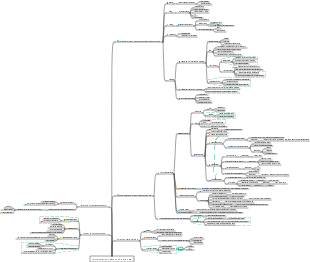
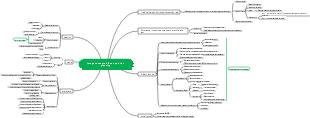
Competitive product analysis
Summary of theoretical models
theoretical model
PEST
STP theory
Porter's Five Forces Model
Five elements of user experience
PEALs
swaT
Analytical method
comparative analysis
Comparison of different indicators in the same time and space, under the same conditions
Same conditions, same indicators, comparison in different time and space
Comprehensive evaluation analysis
expert interview method
Delphi method
structural analysis
Funnel analysis
DuPont Analysis
quadrant analysis
Historical tracking
Iterative version tracking
Tracking of operational techniques
Competitive product report template
background
product analysis
Competitors
product direct competitors
product indirect competitor
Analysis of different models in the same industry
Competitive product analysis
Positioning and functionality
Product Positioning
Product Features
design and technology
Interaction and experience
Vision and style
Highlighted functions and core technologies
Operations and commercialization
Operating model
Profit model
Marketing
User data
User activity
User growth
User retention
Proposal
Iterative versions and evolution
company strategy
risk assessment
See the market from God’s perspective
Understand the operating model, environment and market data of products and industries; facilitate screening of target markets
Industry Analysis·Upstream, Midstream, Downstream
industry analysis
Life cycle·Introduction period, growth period, maturity period, decline period
Type of competition. Perfect competition, monopolistic competition, oligopoly competition, complete
Industry factors: capital, technology, labor, knowledge, resources
Economic cycle: growth, cyclical, defensive
Industry structure, size and structural changes in products, regions, and consumer groups
Main data
View users from a market perspective
Understand the user stratification and user portraits in the target market to facilitate Filter target users
Market analysis
Analysis objects: Targeting industries, industries, and enterprises
Market Overview Macro Environmental Factor Analysis
Analysis scope
Analysis scope: global, segmented
market Overview
Market size, GDP proportion, consistent growth rate, online conversion Rate
Judgment of future trends: data fitting prediction
Market consumption model·
Price type, rational type, impulsive type, imaginative type, habitual type, casual type
Upstream and downstream market analysis
Upstream: Policy on the composition of upstream raw materials and raw material price trends potential, supply volume of major suppliers
Upstream and downstream market analysis downstream: policies, downstream consumer market composition Structural change trends and consumption volume of major consumer groups
market data
Scale Overall market size, online market size, market share
Quantity profit conversion rate
trend, growth, flat, decline
Look at the product from the user’s perspective
Product Positioning
What kind of product am I?
What background genes are produced?
Which target markets are served?
What are the boundaries of services?
product definition
Define user
Choose which type of users to target
User Persona characteristics of target user portrait
User Scenarios: Problems, Ideas, Discovering Solutions
Define the scenario
Usage scenarios: usage definition scenarios
Marketing scenario: see, choose, buy
define value
user value
commercial value
The balance between user value and business value
Think globally
product sustainability
product growth
Strategic Planning
Strategic transmission of organizational structure from top to bottom
product mix strategy
product roadmap
product design
Split user tasks based on scenarios and needs
Split into functions and interactions, content and information architecture based on tasks
Consider the scalability of business closed loop and product structure based on the overall situation
Product development
technology R & D
Usability testing and user experience testing, etc.
Continuous iteration
Product Operations
Product-based operation plan before launch
Analyze output
User journey map
product stage strategy
product roadmap
Product function framework diagram
Interface comparison conclusion
Application architecture diagram
Looking at products from a market perspective
Analysis object: target market
Analysis purpose: consumer stratification, market segmentation, identifying target users
Analysis scope: global analysis
Analysis methods: qualitative research, quantitative research
Analysis Dimensions
word of mouth survey
word-of-mouth structure
Word-of-mouth differences
Product brand satisfaction
net promoter score
Product price: Customer expected price? Competitive product price?
Purchasing motivations, factors that influence purchasing
Purchasing habits, purchasing channels, purchasing time periods, etc.
Product perception experience
Analyze output
User portraits, user stories, etc.
price analysis chart
Satisfaction and Net Promoter Score
Buying factors and weighting
shopping habit