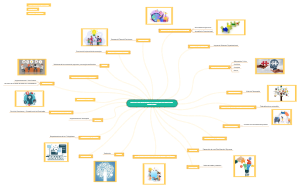
MindMap Gallery PMP project management 49 processes
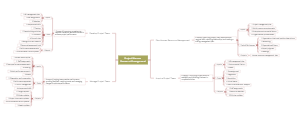
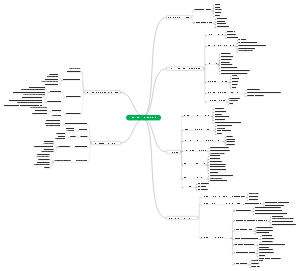
This covers 49 processes of PMP project management, including the five process groups of initiation, planning, execution, monitoring, and closing. Process groups and processes are intertwined.
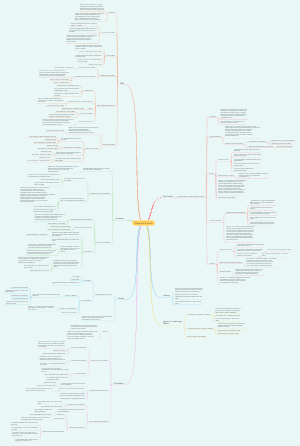
Edited at 2021-12-22 15:15:32This is a mind map about bacteria, and its main contents include: overview, morphology, types, structure, reproduction, distribution, application, and expansion. The summary is comprehensive and meticulous, suitable as review materials.
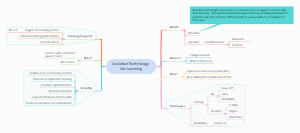
This is a mind map about plant asexual reproduction, and its main contents include: concept, spore reproduction, vegetative reproduction, tissue culture, and buds. The summary is comprehensive and meticulous, suitable as review materials.
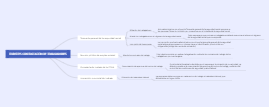
This is a mind map about the reproductive development of animals, and its main contents include: insects, frogs, birds, sexual reproduction, and asexual reproduction. The summary is comprehensive and meticulous, suitable as review materials.
This is a mind map about bacteria, and its main contents include: overview, morphology, types, structure, reproduction, distribution, application, and expansion. The summary is comprehensive and meticulous, suitable as review materials.
This is a mind map about plant asexual reproduction, and its main contents include: concept, spore reproduction, vegetative reproduction, tissue culture, and buds. The summary is comprehensive and meticulous, suitable as review materials.
This is a mind map about the reproductive development of animals, and its main contents include: insects, frogs, birds, sexual reproduction, and asexual reproduction. The summary is comprehensive and meticulous, suitable as review materials.
PMP project management 49 processes Forced memory: before: 76643 after: 63734 Five processes: 2 24 10 12 1
1. Integrated management
1.1. Develop project charter (initiation)
1.2. Develop project management plan (planning)
1.3. Direct and manage projects (execution)
1.4. Managing Project Knowledge (Execution)
1.5. Monitor project work (monitoring)
1.6. Implement overall change control (monitoring)
1.7. Ending a project or phase (closing)
2. scope management
2.1. Planning Scope Management (Planning)
2.2. Gather requirements (planning)
2.3. Define Scope (Planning)
2.4. Create WBS (Planning)
2.5. Confirm scope (monitoring)
2.6. Control scope (monitoring)
3. Progress management
3.1. Planning Progress Management (Planning)
3.2. Define activities (planning)
3.3. Sequencing activities (planning)
3.4. Estimate activity duration (planning)
3.5. Develop a schedule (planning)
3.6. Control progress (monitoring)
4. cost management
4.1. Planning Cost Management (Planning)
4.2. Estimating costs (planning)
4.3. Make a budget (planning)
4.4. Control costs (monitoring)
5. Quality Control
5.1. Planning Quality Management (Planning)
5.2. Management Quality (Execution)
5.3. Control quality (monitoring)
6. Resource management
6.1. Planning Resource Management (Planning)
6.2. Estimate activity resources (planning)
6.3. Get resources (execute)
6.4. Building the team (execution)
6.5. Management Team (Execution)
6.6. Control resources (monitoring)
7. communication management
7.1. Planning Communications Management (Planning)
7.2. Management Communications (Execution)
7.3. Supervisory communication (monitoring)
8. Risk Management
8.1. Planning Risk Management (Planning)
8.2. Identify risks (planning)
8.3. Conduct Qualitative Risk Analysis (Planning)
8.4. Conduct quantitative risk analysis (planning)
8.5. Planning Risk Responses (Planning)
8.6. Implement risk response (execution)
8.7. Oversight Risk (Monitoring)
9. Procurement management
9.1. Planning Procurement Management (Planning)
9.2. Implement Procurement (Execution)
9.3. Control purchasing (monitoring)
10. Stakeholder management
10.1. Identify interested parties (initiation)
10.2. Planning stakeholder engagement (Planning)
10.3. Manage stakeholder engagement (execution)
10.4. Supervise stakeholder participation (monitoring)