MindMap Gallery 10PMP Exam-Project Communication Management Summary
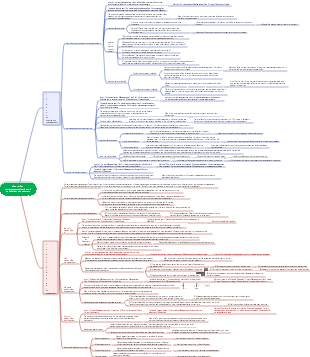
PMBOK Chapter 10 Mind Map and Interpretation. Project managers spend more than 70% of their time communicating. Communication requires many skills. To be a PM, you must improve your communication skills. The questions examined in this part of the PMP exam are moderate, and this part needs to be strengthened through actual practice.
Edited at 2021-06-04 11:11:50This is a mind map about bacteria, and its main contents include: overview, morphology, types, structure, reproduction, distribution, application, and expansion. The summary is comprehensive and meticulous, suitable as review materials.

This is a mind map about plant asexual reproduction, and its main contents include: concept, spore reproduction, vegetative reproduction, tissue culture, and buds. The summary is comprehensive and meticulous, suitable as review materials.
This is a mind map about the reproductive development of animals, and its main contents include: insects, frogs, birds, sexual reproduction, and asexual reproduction. The summary is comprehensive and meticulous, suitable as review materials.
This is a mind map about bacteria, and its main contents include: overview, morphology, types, structure, reproduction, distribution, application, and expansion. The summary is comprehensive and meticulous, suitable as review materials.
This is a mind map about plant asexual reproduction, and its main contents include: concept, spore reproduction, vegetative reproduction, tissue culture, and buds. The summary is comprehensive and meticulous, suitable as review materials.
This is a mind map about the reproductive development of animals, and its main contents include: insects, frogs, birds, sexual reproduction, and asexual reproduction. The summary is comprehensive and meticulous, suitable as review materials.
PMP-Project Communication Management
communication management
Concept: Intentional or unintentional exchange of information
Classification
Written and spoken form
Formal (reports, memos), informal (emails, discussions)
spoken language and gestures
Official (newsletters) and unofficial (private communications)
Internal (within the project) and external (clients), other projects (media)
Vertical (upper and lower level) and horizontal (between the same level)
5C
considerate
concise
clear
polite
correct
Pay attention to the flow of information
process
common communication skills
Common communication barriers
Common Basic Principles of Communication
Stakeholder communication channels: n(n-1)/2, n represents the number of relevant parties, and the project manager is also a relevant party
planning management communication
ITTO
enter
1. Project Charter
2. Project management plan
resource management plan
Stakeholder Engagement Plan
3.Project files
requirements document
Interested Party Register
4. Business environment factors
5. Organizational process assets
Tools & Techniques
1. Expert judgment
2. Communication needs analysis
Determine the information needs of interested parties
3. Communication technology
Factors affecting communication technology
Urgency of information needs
availability of technology
Ease of use
Project environment
Sensitivity and confidentiality of information
4. Communication model
Encoding (noise) - conveying information - decoding (noise) - encoding (noise) - decoding
Sender: It is the responsibility of the sender to provide clear and complete information so that the recipient can accurately accept it.
Recipient: Responsible for receiving the information completely, understanding the information correctly, and confirming receipt and understanding of the information in a timely manner
5. Communication methods
Classification
interactive communication
push communication
pull communication
6.Interpersonal and team skills
communication style assessment
organizational awareness
cultural awareness
7.Data performance
Stakeholder Engagement Assessment Matrix
8.Meeting
output
1. Communication management plan
5W/5 correct
2. Project management plan update
Stakeholder Engagement Plan
3. Project file update
Project schedule
Interested Party Register
Management (doing things according to plan) Communication
enter
1. Project management plan
resource management plan
communication management plan
Stakeholder Engagement Plan
2.Project files
Change log
Problem log
Lessons Learned Register
quality report
risk report
Interested Party Register
3. Job performance report
4. Business environment factors
5. Organizational process assets
Tools & Techniques
1. Communication technology
2. Communication methods
3. Communication skills
communication competency
feedback
nonverbal
Demo
4. Project management information system
5.Project report
6.Interpersonal and team skills
active listening
conflict management
cultural awareness
Conference management
interpersonal communication
political awareness
7.Meeting
output
1.Project communication records
2. Project management plan update
Communicate a management plan
Stakeholder Engagement Plan
3. Project file update
Problem log
Lessons Learned Register
Project schedule
risk register
Interested Party Register
4. Organizational process asset update
Supervision (monitoring the execution of the plan) communication
ITTO
enter
1. Project management plan
resource management plan
communication management plan
Stakeholder Engagement Plan
2.Project files
Problem log
Lessons Learned Register
Project communication record
3. Job performance data
4. Business environment factors
5. Organizational process assets
Tools & Techniques
1. Expert judgment
2. Project management information system
3.Data analysis
Stakeholder Engagement Assessment Matrix
4.Interpersonal and team skills (observation/conversation)
5.Meeting
output
1. Job performance information
2. Change request
3. Project management plan update
communication management plan
Stakeholder Engagement Plan
4. Project file update
Problem log
Lessons Learned Register
Interested Party Register