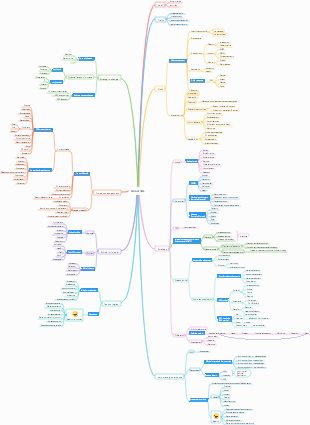
MindMap Gallery ACCA SBL subject Change management chapter mind map
ACCA strategic business leadership (SBL) subject, change management chapter mind map, compiled based on Sdanvi handouts.
Edited at 2021-02-01 14:24:44This is a mind map about bacteria, and its main contents include: overview, morphology, types, structure, reproduction, distribution, application, and expansion. The summary is comprehensive and meticulous, suitable as review materials.

This is a mind map about plant asexual reproduction, and its main contents include: concept, spore reproduction, vegetative reproduction, tissue culture, and buds. The summary is comprehensive and meticulous, suitable as review materials.
This is a mind map about the reproductive development of animals, and its main contents include: insects, frogs, birds, sexual reproduction, and asexual reproduction. The summary is comprehensive and meticulous, suitable as review materials.
This is a mind map about bacteria, and its main contents include: overview, morphology, types, structure, reproduction, distribution, application, and expansion. The summary is comprehensive and meticulous, suitable as review materials.
This is a mind map about plant asexual reproduction, and its main contents include: concept, spore reproduction, vegetative reproduction, tissue culture, and buds. The summary is comprehensive and meticulous, suitable as review materials.
This is a mind map about the reproductive development of animals, and its main contents include: insects, frogs, birds, sexual reproduction, and asexual reproduction. The summary is comprehensive and meticulous, suitable as review materials.
Change management
organizational structure
simple/entrepreneurial structure
Suitable for small companies
strong leadership and experience, skills, knowledge
dynamic (fast decision-making)
functional structure
benefits
no duplication of functions--- economics in scale in operation
drawbacks
co-ordinate and communication problems
focus on internal process rather than the whole business process
divisional structure
benefits
Give authority to divisional managers, prepare them for senior management
provide clear accountability for divisional managers
drawbacks
divisions duplicate each other's functions(wastage)
barriers between divisions
strategic management can be complex
transnational structure transnational organization
combines some independence for national units
benefits
improve responsiveness to local conditions
lead to major economics of scale
drawbacks
complex relationships within org.
Complex structures lead to difficulties of control
matrix structure
Suitable for those who have a lot of project work
benefits
flexible employment
improve communication and co-operation
drawnbacks
potential conflicts between managers (cross control)
complex to run& lead to slow decision-making
centralization vs decentralization
centralization
greater control
procedures standardization
make decisions from corporate view
senior managers are more experienced and skilled in decision-making
decentralization
reduce workload of senior management
greater jod satisfaction
local knowledge
flexible& fast to changing conditions
middle-level managers are trained for senior managers
boundary-less org.
hollow structure hollow tube structure
No program outsourcing, concentrate on core value-added activitiea
modular structuremodular
The production process is divided into several modules (part in-house, part outsourced)
networksmesh
group of org corporate to deliver service to customers
virtual structuresvirtual
no formal geographical structure operate through linked IT system
outsourcing
ads
cost reduction
easy budgeting
greater skill& knowledge
disads
condidenciality
loss of control
loss in-house skills
talent management
Emphasis on talent: attract, identify, develop, retain, deploy
The responsibility of managers, not HR
CEO in talent management
lead
set the needs for talents
driving forces in attracting talents
strategic change managementchange management
adaption: most common, step by step
reconstruction: rapid & extensive action; response to long-term decline in performance
evolution: new paradigm
revolution: rapid & wide ranging response to extreme pressure for change
factors considered---Balogun& Hope
time avilable to make change
scope
preservation of certain characteristics preservation
diversity of opinions and experience may make change easier
the org's capability to execute change may vary, especially whether management have experience in this area
whether the org. has capacity to execute change--resouces e.g. people, finance, information
whether have power to drive through the type of change envisaged
workfroce readiness is the extent to which staff are likely to accept or resistent change
factors considered---POPIT model
people
skills and motivation
organization
management support, business structure, roles and responsibilities
process
manual and automated processes and workarounds
IT
information requirements and systems
factors considered---Lewin's force field analysis (Lewin's three-step model)
unfreeze (preparing for change)
define current state of org.( why change in needed) e.g. initial for long-term success
make people ready for change & consider the information needs for change
board level people: CEO lead the change---act as a team, reomve&consult individuals below the board level: create motivation for change, consider org.how to change,reduce staffs' uncertainty( training programs)
effect the changes (implementing)
a structured process for change a planned change process
participation by staff
freeze
At the beginning of change, ensure staffs are behaving in new ways---keep an eye on feedback
process redesign
process redesign methodology
analysis of existing process(problem identified)
redesign new process
development
Harmon's process/strategy matrix
BPR and improvement(Re-engineering)
simulation
eliminate duplication/not necessary/bottleneck process
value-added analysis
customer is willing to pay for the ouput e.g. preparation&set-up activities, control & inspection activities
gaps and disconnects
occurs at design of the process & actual workflow & monitor and control of proccess outcome
off-the-shelf products vs bespoke customization
ads of off-the-shelf
cost saving---economics of scale
time saving
matainance and support
quality is guaranteed
standard operation process training
comprehensive evaluation(Trial)
disads of off-the-shelf
questionable competitive advantage
confidentiality: data security---back door problem
features
project management
PID (project initiation document)-initiating startup plan
project objectives accomplish the goals from where to where, so as to
anticipated benefits anticipated benefits
During the exam, write down both financial and non-financial
financial
Determined before the project starts
quantifiable
Before the start of the project, there is sufficient evidence to believe that --- the benefits brought by ---, the amount (specific) of this benefit cannot be completely accurately estimated
measurable
Evaluation can only be done after the project is completed
observable
There is a group that decides whether to achieve e.g. customer satisfaction, staff motivation improved
scope project scope
deliverable/outcomes
constriants
time
cost (funding)
resources
key stakeholders
project team roles
project sponsor
Prepare resources
as project owner
not involved in management
not have the capacity to provide effective supervision for project manager
review project plans and progress at regular intervals
arbitrate on any conflicts
project manager
risk assessment
cost overrun, delay...
cost estimates
purchase cost
internal system developemnt sosts
infrastructure costs
costs of carrying out the changes
ongoing cots
performance measures
project execution and control
controlling project
project slippage slide/offset
project change procedure
responding project risk
project completion
completion repot acceptance report (signed by both parties)
Post-project review Vulnerabilities in the project management itself (review is issued immediately after the project is completed)
Post-implementation review: Review a period of time after the project ends---benefits planned vs actual benefits
In other words, prepare a business case for a project, including objectives, benefits, risks/costs (the benefits and risks must be balanced)