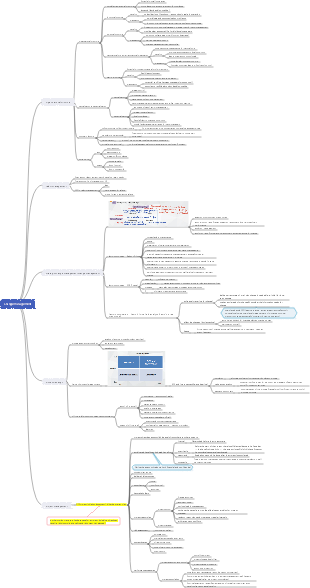
MindMap Gallery ACCA SBL key mind map
I spent a lot of time summarizing the notes. As long as you review this mind map, you will definitely be fine for the ACCA SBL exam. I share it with everyone. Friends who find it useful are welcome to like and collect it.
Edited at 2021-01-31 20:03:03This is a mind map about bacteria, and its main contents include: overview, morphology, types, structure, reproduction, distribution, application, and expansion. The summary is comprehensive and meticulous, suitable as review materials.

This is a mind map about plant asexual reproduction, and its main contents include: concept, spore reproduction, vegetative reproduction, tissue culture, and buds. The summary is comprehensive and meticulous, suitable as review materials.
This is a mind map about the reproductive development of animals, and its main contents include: insects, frogs, birds, sexual reproduction, and asexual reproduction. The summary is comprehensive and meticulous, suitable as review materials.
This is a mind map about bacteria, and its main contents include: overview, morphology, types, structure, reproduction, distribution, application, and expansion. The summary is comprehensive and meticulous, suitable as review materials.
This is a mind map about plant asexual reproduction, and its main contents include: concept, spore reproduction, vegetative reproduction, tissue culture, and buds. The summary is comprehensive and meticulous, suitable as review materials.
This is a mind map about the reproductive development of animals, and its main contents include: insects, frogs, birds, sexual reproduction, and asexual reproduction. The summary is comprehensive and meticulous, suitable as review materials.
ACCA SBL
Goal
future oriented
spot trend
Traits
intellectual ability
interpersonality
emotional sustainability
ability to admit errors
Risks
Risk management
1.identify responsibility
risk manager
risk committee
2. risk appetite
3. identify risks
What to
strategic risk
Operational risk
How to
SWOT
PESTEL
Other assessments
Who to
Director
Senior leaders
4. assess risk
probability
impact
5. risk response
TARA
Transfer
Accept
Reduce
Avoid
6.monitor
Internal control
Internal audit
Failure of IC
Objective
Make sure corporate objectives can be achieved
Roles and responsibilities
Board => maintain IC system
Directors => implement IC system
Control elements
Control environment
Risk assessment
Control activities
Information and communication
Monitoring
Handle IC Q
1. understand weakness
2. Consequences
3. stakeholders
4.recommendation
Strategy
Culture
Cultural web
Stories
Ritual & routine
Power structure
Symbols
Organizational structure
Control system
Paradigm
Environment
PESTEL
Political
Economic
Technological
Ecological
Legal
National environment (Porter's diamond)
Factor condition
Related and supporting industries
Demand condition
Firm strategy, structure and rivalry
Industry (Porter's 5 forces)
New entry
Supplier
Rivalry
Buyer
Substitutes
CSR
corporate citizen
strategic management process (Johnson et al's 2017)
Elements
strategic position
Strategic choice
Strategic implemtation
Interlinked
Leadership style
Transactional leadership
Focus on system and control
Not efficient to achieve strategic success
Transformational leadership
Change to organization's culture, mindset or value
Strategic choice
Competitive advantage
1. cost leadership
2.differentiation
3. focus
cost focus
differentiation focus
Growth and diversification
Ansoff product mix matrix
market penetration
product development
market development
Diversification
SAF model
Suitability
strategic position
Culture
Future
Returns
Acceptable
For owners
For CEO/board
Feasible
Resource
Legal complications
SBU-portfolio (BCGmatrix)
Star
more investment
Cash cow
efficiency, CF for?, mature
Dogs
divest
Question mark
more investment
Organization
Int & Ext relationship
Baldrige model
Excellent performance
Leader
Strategy
Customer expectation
Workforce
Operation
Result
Empowerment
Identity talent
Retaining
Recruiting
corporate governance
NED
Independent
Stakeholders
Mandelow stakeholder mapping
Int High, pow High => manage closely
Int High, pow Low => keep inform
Int Low, pow High => keep satisfied
Int Low, pow Low => minimum effort
agency theory
CEO
Chairman
-Appointment -Removal -Remutation
NED
Integrated reporting
Conveys business model and sources of value creation
Capital
Financial
Social
Human
Natural
Manufacturing
Human
Benefits
Enhanced systems of accountability
Stronger decision making
Better reputation
More harmonization
Better communication and relationship
Strategic change
Types of changes
Revolution
Restructuring
...
Contextual framework for change
Kurt Lewin
1.unfreeze
2. change
3.refreeze
popit model
Organization
IT
Poeple
Process
business process change
1. Human process strategy
2. BP outsourcing
3. BP redesign
Project management
Project lifecycle
1. initiation stage
PID/project charter
Purpose
Objectives
Business case
Scope
Stakeholders
Constrains
Time
Cost
Scope
Project organization
Control monitoring
Report framework
Risks
PID sign off
Summary
Project basic requirement
Start date
Duration
Milestones
Finish date
Relationship with other projects
Cost budget
Project leader
Outcome
2. Cost and benefit
3. Project planning
4. Execution and control
5. Completion
Benefit realisation review
Handle project Q
Understand dates
Constrains
Identify show stopper (trouble maker)
Ascertain risks
Communication is the key
Ethical principal
Idividual
Code of ethics
Confidentiality
Professional behavior
Integrity
Competence
Due care
Objectivity
Business
Turks 5Q model
Profitable?
Legal?
Fair?
Right?
Sustainable?
Ethical threats
Advocacy
Self review
Self interest
Intimidation
Technologies
6 I's of e-marketing
Integration
Intellegence
Industry structure
Individualization
Interactivity
Independence of location
E-business
Benefit of e-business
Improved marketing
Market penetration
Cost reduction
Increase revenue
Better information for control
Increased visibility
Enhanced customer service