MindMap Gallery Physical Training Design Guide Reading Notes
The book "Strength and Strength Training Design Guide" was written by many well-known experts from the American Strength and Conditioning Association. The book is divided into 12 chapters. Chapters 1 and 2 analyze the competitive needs of athletes and the evaluation of effective training plans, laying the foundation for formulating a reasonable special physical training plan; Chapter 3 introduces preparatory activities for various sports in order to improve athletic ability and prevent injuries; Chapters 4 to 10 provide a detailed analysis of the design of training programs for various sports qualities, including the development of athletes' strength, speed and balance. The scientific basis for physical training recommendations is explained, and some training methods and exercises are provided. It can not only be used as a reference book for athletes and coaches of high-level sports teams, but also provide guarantee for those engaged in mass sports and other physical training.
Edited at 2019-03-20 07:48:52This is a mind map about bacteria, and its main contents include: overview, morphology, types, structure, reproduction, distribution, application, and expansion. The summary is comprehensive and meticulous, suitable as review materials.

This is a mind map about plant asexual reproduction, and its main contents include: concept, spore reproduction, vegetative reproduction, tissue culture, and buds. The summary is comprehensive and meticulous, suitable as review materials.
This is a mind map about the reproductive development of animals, and its main contents include: insects, frogs, birds, sexual reproduction, and asexual reproduction. The summary is comprehensive and meticulous, suitable as review materials.
This is a mind map about bacteria, and its main contents include: overview, morphology, types, structure, reproduction, distribution, application, and expansion. The summary is comprehensive and meticulous, suitable as review materials.
This is a mind map about plant asexual reproduction, and its main contents include: concept, spore reproduction, vegetative reproduction, tissue culture, and buds. The summary is comprehensive and meticulous, suitable as review materials.
This is a mind map about the reproductive development of animals, and its main contents include: insects, frogs, birds, sexual reproduction, and asexual reproduction. The summary is comprehensive and meticulous, suitable as review materials.
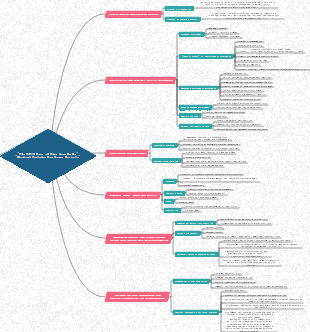
"The Eighth Form of Tian Long Ba Bu" "Strength Training Design Guide"
Athlete Analysis
Energy supply system
Phosphategen system (ATP-CP system)
Glycolysis system (lactate system)
Krebs cycle or citric acid cycle (aerobic system)
Muscle contraction type
Concentric (shortening of muscle length)
Eccentric (passive lengthening of muscle length)
Isometric (muscle length remains the same)
Sports injury mechanism
Fatigue—disruption of the kinetic chain—unreasonable load or uncontrollable movements—injury
overtraining type
Functional overtraining: The program intentionally reduces exercise performance, but adaptation occurs and exercise performance improves after 3 to 17 days.
Non-functional overtraining: Unreasonable planning results in prolonged suppression of athletic performance and inability to achieve desired recovery.
Athletes' testing
Factors affecting test scores
Body weight Muscle fiber type Training status
Test methods are required
Specificity Relevance Validity Credibility
strength
1RM strength calculation formula: (0.033 × times × repeated weight) + repeated weight
Anaerobic work and aerobic capacity
Vertical jump, 300yd round trip run, straight line run
Aerobic capacity and aerobic endurance
Cooper 12min run 1.5mi test
speed
40yd run
sensitive
T Test Edgren Side Step Test 20yd Round Trip Illinois Test
body composition
Dual-energy X-ray measurement method (gold standard) Underwater weighing Air plethysmography Skinfold thickness measurement Bioelectrical impedance
Dynamic warm-up
Dynamic stretching before training Static stretching after training
The post-activation potentiation effect improves explosive sports performance The best time is within 4 to 12 minutes after preload stimulation
The movement pattern of warm-up exercises should be consistent with the movement pattern of training or competition.
Attachment: Refer to "Dynamic Stretching Training"
Resistance training
Adaptive factors for resistance training:
nervous system muscular system connective tissue Cardiopulmonary system Endocrine system (Table 4.1 on p.54)
Training plan elements
Exercise method selection Muscle contraction type Multi-joint exercises Equipment and types
Unilateral and Bilateral Exercises Open and Closed Kinetic Chains Training unit structure and sequence of exercises Intensity
Explosive Strength Training for Increased Intensity and Ultra Intensity Training volume and arrangement of multiple sets of training Interval time Action repetition speed Frequency
Explosive training
Factors affecting explosive power
Lengthen-shorten cycle (super-isometric training “disinhibition”)
Muscular strength (increase in maximal strength thereby increasing acceleration)
Explosive training methods
Heavy load resistance training
catapult resistance training
Optimize explosive power with pre-game tapers and recovery
Super isometric training (quick lengthening-shortening cycle exercise)
Weightlifting (explosive power is greatest when the weightlifting load is 70% to 80%1RM)
Conversion of strength to explosive power (after completing strength training, conduct explosive power training close to the specific event)
Training load and speed selection
Training with a variety of load combinations can achieve all-round improvements in the strength-speed relationship
With the movement and kinetic chain stable, perform the exercises that produce the greatest strength as quickly as possible.
anaerobic training
Physiological adaptation factors of anaerobic training
Increase the maximum concentration of blood lactate
Reduce blood lactate concentrations during submaximal exercise
Improve blood buffering capacity (increase the ability to withstand high concentrations of lactic acid accumulation)
Promote the conversion of type II muscle fibers to glycolytic subtypes (conversion of muscle fibers type IIx to type IIa)
Significantly increase glycolytic enzymes (lactase, dehydrogenase, phosphofructokinase, phosphorylase)
Anaerobic training practice methods
Repeat relay run (relay format)
Repeat run (repeat a fast run over a specified distance)
Fartlek training method (the distance of fast running is changed)
Intermittent fast running (fast running and slow running distance remain the same)
Cycle sprint (running in small groups, with the last person always running in front of the first person)
endurance training
VO2max: the maximum amount of oxygen that can be utilized by muscle cell molecules
12 point run The subjects ran as hard as they could for 12 minutes and the distance completed was recorded. Vo2max=35.97 x distance (miles)-11.29
Aerobic metabolism: The process of breaking down carbohydrates and fats under aerobic conditions (slow speed, sufficient energy)
Lactate threshold: When exercise intensity reaches a certain load, the point at which lactic acid concentration sharply increases (lactic acid inflection point)
Anaerobic metabolism: The process of breaking down carbohydrates and fats without oxygen (fast, causing accumulation of hydrogen ions and lactic acid)
Cardiovascular endurance: The response of the heart and blood vessels to aerobic endurance training (increased capillary density, blood transfusion, and oxygen delivery)
Factors affecting aerobic endurance training
intensity duration training volume
Factors affecting aerobic capacity
Efficiency of Exercises Principles of Aerobic Endurance Training Sports Psychology Lifestyle
Aerobic endurance training strategies
Short-duration, high-intensity training (e.g., interval training)
Moderate-time high-intensity training (such as fartlek training)
Long-term moderate-intensity training (training time is 30 minutes longer than competition time)
Resistance strength training (less than 67% of 1RM, more than 12 repetitions, rest time of 30 to 60 seconds, 2 to 3 groups)
Periodic arrangement of aerobic endurance training
Training stage (small, medium and large cycle)
Taper training method before competition (shorten training time but maintain training greater than 90% of maximum oxygen uptake, usually lasting 7 to 16 days)
Recovery (Reference: "Athletes' Guide to Recovery")
agility training
Sensitivity training
Specificity: training that is as similar as possible to many factors of the game
Training transitions: Combining a series of resistance training with agility training has positive results
Training methods: refer to "Agility Training"
Agility Training Program Design Factors
Choice of practice methods: action pattern, competition distance
The principle of advance and retreat in the order of practice
Frequency: 2 to 3 times a week (depending on status)
Strength: As big as possible
Training volume: 5 to 25 groups per exercise
Ratio of practice and rest time: 1:4 to 1:20 (adjustment to specific circumstances)
speed training
Factors affecting speed quality: cadence and stride length and muscle fiber type
From a technical training perspective, sprinting is divided into
Starting, accelerating, back-pedaling phase, swinging, decelerating
speed training exercises
Back kicking running (cadence), sitting (standing) arm swing, forward leaning running, downhill (up)hill running (6~10°)
Step jump and run, climb (push-ups) and run, resistance speed training (impact speed no more than 10%)
Balance and Stability Training
Training plan development
Continue for at least four weeks; at least 3 times a week; repeat each group more than four times; Each exercise lasts at least 20 seconds; adapt carefully and add new exercises.
trunk stabilization exercises
from legs to torso
from hand to torso
Combination of legs and hands to torso
Comprehensive stabilization exercises for lower limbs
Closed kinematic chain exercises with fixed foot position
Transitioning from unsupported footwork and jumping exercises to closed kinetic chain exercises
Combined with rhythmic stabilization training in open kinematic chain exercises
ankle stability training
Barefoot ball or balance mat training
shoulder stabilization training
Compared with open chain training, the joint activation of the shoulder joint is higher during closed chain training (push-ups > vibrator)
About Periodized Training Programs
avoid overtraining
Comprehensive quality and comprehensive development
Practice wherever you feel "comfortable"
Recover and adapt to new stimuli
Reasonably and comprehensively arrange and handle training factors (training volume, intensity, frequency, density, etc.)