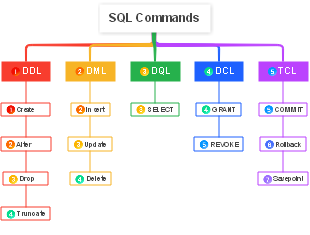
MindMap Gallery Database system overview
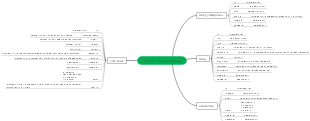
This is a mind map about an overview of database systems. The main contents include: database management system, data model, database system architecture, and basic concepts of database systems.
Edited at 2024-03-13 21:28:00This is a mind map about bacteria, and its main contents include: overview, morphology, types, structure, reproduction, distribution, application, and expansion. The summary is comprehensive and meticulous, suitable as review materials.

This is a mind map about plant asexual reproduction, and its main contents include: concept, spore reproduction, vegetative reproduction, tissue culture, and buds. The summary is comprehensive and meticulous, suitable as review materials.
This is a mind map about the reproductive development of animals, and its main contents include: insects, frogs, birds, sexual reproduction, and asexual reproduction. The summary is comprehensive and meticulous, suitable as review materials.
This is a mind map about bacteria, and its main contents include: overview, morphology, types, structure, reproduction, distribution, application, and expansion. The summary is comprehensive and meticulous, suitable as review materials.
This is a mind map about plant asexual reproduction, and its main contents include: concept, spore reproduction, vegetative reproduction, tissue culture, and buds. The summary is comprehensive and meticulous, suitable as review materials.
This is a mind map about the reproductive development of animals, and its main contents include: insects, frogs, birds, sexual reproduction, and asexual reproduction. The summary is comprehensive and meticulous, suitable as review materials.
Database system overview
Basic concepts of database systems
information and data
information
Dependence
Sensibility
Transitivity
Sharability
Timeliness
data
Data and meaning are inseparable
Data can be expressed in many forms
Data has types and values
The data is subject to constraints such as type value range, etc., and can be divided into qualitative and quantitative
Data processing and data management
data processing
Collect, manage, store, process and disseminate data, etc.
Information = data data processing
Data management
Classification
organize
coding
storage
Search
maintain
Development of data management technology
Manual management stage (1946-1956)
Data is not retained
No dedicated data management software
There is no independence between data and programs
Data is not shared
File system phase (late 1950s-mid 1960s)
Data can be saved for a long time
File system manages data
There is low independence between program and data
Poor data sharing
Data files are diverse
Database system stage (late 1960s)
Data structuring
High data sharing
There is a high degree of independence between data and programs
Unified data management and control
data integrity
Data security
Data concurrency
Data Recovery
Database system components
database
Integration
The relationships between the data in the data set are centrally stored according to a certain structure.
Sharability
Data can be shared by multiple different users
database user
database administrator
Work with database designers to decide on the design of database application systems
Determine the storage structure and storage strategy of the database
Define security requirements and integrity conditions for data
Monitor and control the operation of database systems
Maintain and recover data
Database application developer
systems analyst
Application system requirements analysis and specifications
Determine the system hardware and software configuration
Participate in outline design
designer
Responsible for the determination of data in the database
Design of models at all levels
programmer
Responsible for designing and writing program modules of application systems
Debugging and installation
user
Various personnel
software
operating system
database management system
Database application systems and development tools
hardware
Computers and other equipment
Database system architecture
Three-level schema structure of database system
external mode
Also called submode or user mode
Located at the outermost layer of the three-level model
Effective measures to ensure data security
model
Also known as conceptual pattern and logical pattern
Description of all data logical structures and characteristics
internal mode
Also known as storage mode or physical mode
How data is represented within the database
There is only one internal schema in a database, which is the physical basis for data access.
Secondary imaging and data independence of database systems
The three-level schema structure of the database system and the advantages of the second-level image
Database system application architecture
data model
Three worlds and related concepts
Classification of data models and their components
relational model
Other non-relational data models
database management system
Common database management systems
Main functions of database management system
Database management system components
Data access process of database management system