MindMap Gallery immune organ, tissue
Medical Immunity Chapter 2 Immune organs and tissues, including bone marrow, Thymus, Lymphoid tissue, spleen, hematopoiesis and blood storage, Mucosa-associated lymphoid tissue, etc.
Edited at 2024-03-11 22:42:14This is a mind map about bacteria, and its main contents include: overview, morphology, types, structure, reproduction, distribution, application, and expansion. The summary is comprehensive and meticulous, suitable as review materials.

This is a mind map about plant asexual reproduction, and its main contents include: concept, spore reproduction, vegetative reproduction, tissue culture, and buds. The summary is comprehensive and meticulous, suitable as review materials.
This is a mind map about the reproductive development of animals, and its main contents include: insects, frogs, birds, sexual reproduction, and asexual reproduction. The summary is comprehensive and meticulous, suitable as review materials.
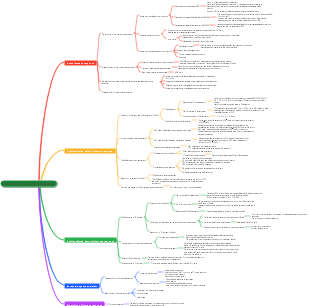
This is a mind map about bacteria, and its main contents include: overview, morphology, types, structure, reproduction, distribution, application, and expansion. The summary is comprehensive and meticulous, suitable as review materials.
This is a mind map about plant asexual reproduction, and its main contents include: concept, spore reproduction, vegetative reproduction, tissue culture, and buds. The summary is comprehensive and meticulous, suitable as review materials.
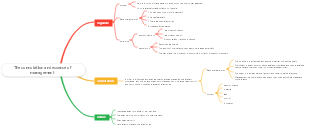
This is a mind map about the reproductive development of animals, and its main contents include: insects, frogs, birds, sexual reproduction, and asexual reproduction. The summary is comprehensive and meticulous, suitable as review materials.
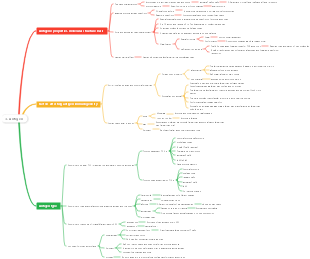
immune organ, tissue
marrow
Structure and composition
yellow bone marrow
red bone marrow
hematopoietic tissue
stromal cells
reticular cells
Fibroblasts
sinusoidal endothelial cells
Macrophages
hematopoietic cells
Source, embryonic yolk sac
embryonic liver, spleen
marrow
Hematopoietic stem cell surface markers
CD34 117
Sinusoids
Microenvironment
stromal cells, extracellular matrix, active factors
Function
The place where various types of blood cells and immune cells occur
The place where B cells and NK cells differentiate, develop and mature
site of humoral immune response
Thymus
cell composition
cortex
Superficial layer, produces hormones and cytokines that promote T cell differentiation
Deep, cortical thymocytes
medulla
Thymic corpuscles, important features
thymus microenvironment
Secretion of Cytokine Thymosin Peptide Molecules
cell to cell contact
Function
The place where T cells differentiate and mature
positive selection
Negative selection, self-tolerance
developmental defect, DiGeorge syndrome
Immunomodulatory
Establishment and maintenance of autoimmune tolerance
Lymphoid tissue
structure
cortex
Shallow layer
Primary secondary follicles, germinal centers secrete antibodies
b cells
Deep
thymus-dependent zone T cells
high endothelial venules
medulla
medullary cord
Mainly B cells plasma cells with a small amount of T cells
medullary sinus
A large number of macrophages, strong filtration effect
Function
T cells, B cells colonization site
site of immune response
specific immune response
germinal center B cells become plasma cells
Differentiation of T cells into sensitized lymphocytes
filtering effect
Participate in lymphocyte recirculation
Spleen, hematopoiesis and blood storage
structure
white marrow
Thymus-dependent zone, periarterial lymphatic sheath
near central artery
lymph nodes
Red pith
splenic cord
Sinusoids
fringe zone
Central arteriolar branches enter here, and circulating lymphocytes enter the spleen.
Function, red blood cell bank
T cells, b cells colonize
immune response
Synthetic biologically active substance, complement interferon
filter
mucosa-associated lymphoid tissue
composition
Intestinal related
Pp cells
intraepithelial lymphocytes
immune surveillance
nasal related
germinal center
bronchi
Function
mucosal local immune response
secretory lgA