MindMap Gallery Urine routine
Knowledge points about urine routine in clinical trials, mainly including urine samples collection, The meaning of outliers, Common in inspections Questions etc.
Edited at 2024-03-07 17:36:44This is a mind map about bacteria, and its main contents include: overview, morphology, types, structure, reproduction, distribution, application, and expansion. The summary is comprehensive and meticulous, suitable as review materials.

This is a mind map about plant asexual reproduction, and its main contents include: concept, spore reproduction, vegetative reproduction, tissue culture, and buds. The summary is comprehensive and meticulous, suitable as review materials.
This is a mind map about the reproductive development of animals, and its main contents include: insects, frogs, birds, sexual reproduction, and asexual reproduction. The summary is comprehensive and meticulous, suitable as review materials.
This is a mind map about bacteria, and its main contents include: overview, morphology, types, structure, reproduction, distribution, application, and expansion. The summary is comprehensive and meticulous, suitable as review materials.
This is a mind map about plant asexual reproduction, and its main contents include: concept, spore reproduction, vegetative reproduction, tissue culture, and buds. The summary is comprehensive and meticulous, suitable as review materials.
This is a mind map about the reproductive development of animals, and its main contents include: insects, frogs, birds, sexual reproduction, and asexual reproduction. The summary is comprehensive and meticulous, suitable as review materials.
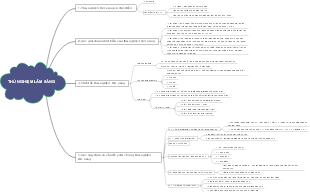
Urine routine
1||| Urine sample collection
Correct approach
Collect morning urine
Send for inspection as soon as possible after collection
Pay attention to cleanliness
Drink plenty of water
Collect mid-section urine
Collect enough samples at once
Wrong approach
Blood collection during menstruation
strenuous exercise
Recently taken vitamin C
2||| Outlier meaning
ordinary inspection
Urine specific gravity (solute concentration)
More solutes: proteinuria/less solvents: dehydration, high fever, profuse sweating
Less solute: uremia, chronic nephritis/more solvent: diabetes insipidus
pH
Frequent vomiting/alkalosis
Acidosis/Diabetes
chemical examination
protein
glucose
Ketone bodies
Occult blood in urine
Abnormal kidney function
Positive protein indicates the possibility of various kidney diseases, proteinuria (AE)
Positive urine sugar is common in diabetes or nephritis, and higher than normal value is urine sugar (AE)
Ketone positivity is called ketosis
diabetics
diabetic ketoacidosis
non-diabetic patients
Infection/vomiting/fasting
Positive urinary occult blood: The urine contains hemoglobin or myoglobin. Hemoglobinuria (AE) Positive urinary occult blood may indicate kidney disease or bacterial infection. Urinary occult blood does not mean hematuria. Pay attention to the distinction.
Bilirubin
urobilinogen
abnormal liver function
Bilirubin positive, decreased urobilinogen
obstructive jaundice
Increased urobilinogen
Viral hepatitis/hemolytic jaundice
microscopic examination
red blood cells
Elevated urine red blood cells: urine microscopy shows more than 3 red blood cells/HP, which is called hematuria (AE)
leukocyte
Elevated urinary white blood cells: urine microscopic examination of white blood cells >5/HP is called microscopic pyuria
bacteria
nitrite
Nitrates in urine are metabolized by bacteria
slime threads
Usually caused by Candida infection
urinary tract infection
Red blood cells: common in infections or during a woman’s menstrual period
White blood cells: common in bacterial infections of the urinary system and diseases of nearby organs
Bacteria: Indicates the possibility of bacterial infection of the urinary tract
Nitrite: indicates the possibility of urinary tract bacterial infection
Threads of mucus: indicating the presence of candida infection or inflammatory reaction
epithelium cell
Indicates renal parenchymal damage
tube type
Indicates severe kidney damage
kidney damage
At the same time, refer to the abnormality of protein and occult blood in the chemical examination to further determine the renal function damage.
3||| Frequently Asked Questions During Audits
Need to review due to improper sample collection
When the urine specific gravity is higher or lower, the results may be unrealistic and need to be reviewed
When bacteria are present, subjects need to be reminded to clean and reexamine again
The abnormal value determination of the inspection results is unreasonable
Mucus threads are judged as NCS
If the abnormal value is high and there are abnormalities in white blood cells or bacteria, it may be an infection, and there must be a reasonable reason to determine NCS.
If the abnormal value is low and not accompanied by other abnormalities, it is recommended that the subject be reexamined after cleaning to confirm whether there is infection or inflammation;
Proteins determined to be NCS
CTCAE clearly states that when protein 1 and 24-h urine protein are higher than the upper limit of normal, it is proteinuria (level 1), and proteinuria 2 indicates the presence of chronic kidney disease (level 1), so unexplained protein positivity is judged to be level 1. is unreasonable;
Attribute all outliers to menstruation
Sample collection is easily affected when the subject is menstruating. Routine will lead to an increase in urinary red blood cells; it may lead to an increase in urinary white blood cells and positive protein.
When the subject is in menstruation, other abnormalities in urine routine, such as increased mucus threads and increased bacteria, are often judged by researchers to be CS, which is related to menstruation. It is necessary to verify with the researcher whether the correlation is reasonable, whether medical history or AEs are missed, and whether retesting is needed.
Note: 1. Taking vitamin C may cause urinary occult blood to show a false negative; 2. Morning urine is divided into first morning urine and second morning urine, which refers to the first and second urination in the morning. Generally, the routine urine test is the second morning urine test. 3. Urinary tract infection is equivalent to urinary system infection, and most of it is caused by bacterial infection.