 Wondershare EdrawMind
MindMap Gallery general zoology
- 60
general zoology
Available only in sj, general zoology is a science that studies animals, aiming to explore the structure, biological properties, biological development of various organisms, and the relationships between animals.
Edited at 2024-03-06 15:47:53
- bacteria
This is a mind map about bacteria, and its main contents include: overview, morphology, types, structure, reproduction, distribution, application, and expansion. The summary is comprehensive and meticulous, suitable as review materials.
- Plant asexual reproduction
This is a mind map about plant asexual reproduction, and its main contents include: concept, spore reproduction, vegetative reproduction, tissue culture, and buds. The summary is comprehensive and meticulous, suitable as review materials.
- Reproductive development of animals
This is a mind map about the reproductive development of animals, and its main contents include: insects, frogs, birds, sexual reproduction, and asexual reproduction. The summary is comprehensive and meticulous, suitable as review materials.
general zoology
- bacteria
This is a mind map about bacteria, and its main contents include: overview, morphology, types, structure, reproduction, distribution, application, and expansion. The summary is comprehensive and meticulous, suitable as review materials.
- Plant asexual reproduction
This is a mind map about plant asexual reproduction, and its main contents include: concept, spore reproduction, vegetative reproduction, tissue culture, and buds. The summary is comprehensive and meticulous, suitable as review materials.
- Reproductive development of animals
This is a mind map about the reproductive development of animals, and its main contents include: insects, frogs, birds, sexual reproduction, and asexual reproduction. The summary is comprehensive and meticulous, suitable as review materials.
- Recommended to you
- Outline
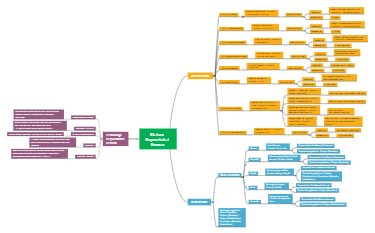

general zoology
spine
Hemichordates (stomachordates)
acornworm
Urochordates (tunicates)
tail sea squirt
Ascidian
salps
Cephalochordates
Amphioxus
Hart's Den
Homologous to pituitary gland
inner column
Iodine storage, the precursor of thyroid gland
knot loop
Digestion
hepatic caecum
The beginning of the intestine
Cylastomata
Hagfish
lamprey
fish
cartilaginous fish
shark
Nose on ventral surface
rectal glands
salt secretion
a lymphatic vessel
gill septum
4 to 7 pairs of gill slits
Crooked tail type
conus arteriosus
ventricular extension
Quadraticular cartilage of the palate
nascent jaw
shield scale
Genuine Leather
epidermis
Male ureter converted to vas deferens
No bladder
Sympathetic incompleteness
Luo Lun Wen
Electroreceptor, using water as medium, senses subtle potential differences in living things
Sharks only have rod cells (mostly)
Sharks have nictitating membranes
Classification
Holocephalum
Silverfish
Maxillary and cranial healing
No cloaca
Elasmobranchia
shark
spindle
Nonunion of pectoral fin and head
ray
branchial slit ventral position
The leading edge of the pectoral fin is connected to the side of the head
Molliformes
Have cloaca
Vertebral body biconcave
bony fish
Cypriniformes
Weber's organ
Inside the swim bladder, hearing
nose on back
swim bladder
Swim bladder type
swim tube
Closed swim bladder
Red gland, oval area
The last two lymphatic centers below the tail vertebra
chlorine secretion gland
absorb/discharge salt
arterial bulb
Nothing to do with the ventricles
Not pulsating
The cheek is born in the gill arch
Degeneration of gill septum
well-developed ribs
jawbone square bone articular bone
secondary jaw
Premaxilla, jaw = upper jaw; dentary bone = lower jaw
Scales (dermis)
hard scales
round scales
comb scale
Scale type
Total number of scales upper & lower
nerve
sympathetic integrity
Parasympathetic is more primitive than cartilaginous fish
falciform process
choroidal protrusion
Used to move the lens posteriorly
Classification
Subclass Coelacanth (lobe-finned fish)
Piketail
Malanthus
Round scales, no vertebrae
Subclass Lungfish (lobe-finned fish)
Vertebrae without vertebrae
spiral valve in intestine
No secondary jaw
Single-bladed Lungfish
Lungfish
Actinopterygians
cartilaginous fish
conus arteriosus
spiral valve intestine
Original tail type or crooked tail type
polypterygoid fish
Original tail type
Cartilage of head and fins
Sturgeons
Crooked tail type
No vertebrae
All cartilage except the membranous bones of the head
Whole bones
No blowhole
Degeneration of spiral valves and conus arteriosus
Gars
long kiss
Posterior concave vertebral body type
Bowfins
The swim bladder is divided into multiple chambers
teleostales
arterial bulb
no gill interval
No spiral valve
Positive tail
Subheading
Tarpon
Anguillaries
No pelvic fins, metamorphosis, spawning in deep sea
Herrings
No lateral lines, open swim bladder type
anchovy, anchovy
phoenix
Cypriniformes
Open swim bladder, Weber's organ
mullet fish
Grass carp and bighead carp (the four major species of fish), flathead bream, bighead catfish, crucian carp
Loachidae
Siluriformes
Jaw degeneration, Weber's organ
bony fin spine, adipose fin
yellow catfish
Salmoniformes
The pyloric caecum is well developed and the adipose fin
Trout, salmon, trout (big red fish)
Codidae
No fin spines, pelvic fin laryngeal or chin position
Closed swim bladder
韮鱇目
No scales, pelvic fin throat position
Dorsal fin spines moved to forehead
Acanthus
seahorse
Synbranchia
No pectoral fins, no spines
Gill openings merge into one transverse slit for pharyngeal intestinal respiration
No swim bladder
eel
Perciformes
The most variety
Pectoral fin position or throat position
Dorsal fin ✗2, anterior fin spines and posterior fin rays
comb scale
Closed swim bladder
Branch
Catfish family - bass, mandarin fish, grouper
Perchidae
Trevallyidae
rib scale
Kingfish
Big and small yellow croaker
sea bream
butterfly fish
Cichlididae
Gobiidae
mudskipper
Hairtail
mackerel
mackerel
tuna
pomfret
Snake
mullet
Plaiceformes
Pectoral fin position or throat position
Flounder: sole, sole
Pufferformes
inflatable
Sunfish
lateral line organs
Feel the water pressure & flow rate
inner ear
Semicircular canals ✗3
Utricle ✗1
Balloon✗1
Otoliths
Utricle & saccule
flask
Homologous to cochlea
migration
reproductive migration
Ocean→offshore
swim down
from sea to river
bait migration
Overwintering migration
Amphibious
cycle
Heart=Sinus Venosum Atria ✗2 Ventricles Conus Arteriosus
Left atrium - pulmonary veins, right atrium - sinus venosus
Spiral valve within the arterial cone – distributes different blood
Fish 1, 2, and 5 disappear, fish 3 arch → carotid artery, 4 arch → systemic artery, 6 arch → pulmonary cutaneous artery,
Anterior vena cava - head, body, skin, posterior vena cava - kidneys,
Blood from the hind limbs returns to the heart via the renal or hepatic portal veins
subcutaneous lymphatic space
Pulsatile lymphatic heart ✗4
skeleton
The shoulder straps are connected to the sternum
Rib degeneration
Homology of front and rear limbs
Hylossomadibular → Auricular bone (ossicle)
occipital condyles
Spine = cervical vertebrae, trunk vertebrae, sacral vertebrae, and coccygeal vertebrae
The shoulder girdle is indirectly connected to the skull and spine through muscles
The belt is connected to the spine through the sacral vertebrae
Digestion
No digestive enzymes in oral glands
cloaca
breathe
Skin = Epidermis (glands) Dermis (blood vessels)
oropharyngeal breathing
vocal sac
sound resonator
Degeneration of branchial muscles
Urogenital
a pair of kidneys
The bladder is on the ventral surface of the cloaca
Yellow fat body in front of male gonads - vegetative germ cells
Bede's organ - a yellowish-brown round shape, equivalent to the remaining ovary
Tadpoles have external gills and tail fins
nerve
The optic lobes of the midbrain are highly developed
Scattered nerve cells on the top wall provide the sense of smell
Underdeveloped cerebellum
Vision
Lower eyelid (aquatic), lacrimal gland (aquatic), nictitating membrane
hearing
middle ear
tympanic membrane
middle ear cavity (tympanum)
Eustachian tube (European tube)
Column bone: the small bone between the tympanic membrane and the oval window of the inner ear
High frequency chirping – breeding season
Low frequency chirp - warning
Aquatic species conduction through skull or belt bone
sense of smell
vomeronasal organ
lateral line organs
Classification
Caecilians (order without legs)
Earthworm-like
Degeneration of limbs and girdle bones
Double concave type
Long ribs, no sternum
internal fertilization
No eardrum
tailed
Low-grade biconcave type, high-grade posterior concave type
Internal fertilization occurs in all species except the family Salamanderidae and Cryptobranchidae.
Usually there is no tympanum and tympanic membrane
Male produces seminal vesicles
No or inactive eyelids
Branch
Small salamanders
smooth skin
Adults have no external gills and mostly have lungs
Have eyelids
Jaw teeth Vary teeth
inferior
Cryptobranchidae
No eyelids
Adults have no external gills
inferior
Salamanderidae
advanced
Eyelids are movable
Adults have lungs
Fatty Salamander
Mainly aquatic
Caecilidae
Adults have external gills and lungs
No eyelids
Have plow teeth
Double concave type
Salamander
Anura
webbed between toes
Poor ossification of the skull
Front concave type or posterior concave type
caudal bone
Generally no ribs, well-developed sternum
With movable eyelids
in vitro fertilization
Branch
Buadidae
Juveniles with ribs
Rear concave type
Sturdy shoulder straps
tongueless
Fertilized eggs are hidden in epidermal dimples
Discoglossidae
Vertebrae 2 to 4 have ribs and are concave in the back.
Curved chest-shaped shoulder straps, tongue plate shape
Midwife Frog, Oriental Bombe Toad
Bufonidae
Postauricular gland – secretes venom
Extract - "Toad Fructus"
toothless
Front concave type, curved chest type
Ceruleidae
Jaw teeth Vary teeth
Front concave type, curved chest type
Pupils vertical, horizontal or triangular
Male frogs have a single internal vocal sac at the bottom of their mouth, and their calls are sharp and crisp.
Ranaidae
1~7 front concave type, 8 double concave type
Firm chest type
Pupils horizontally or vertically elliptical
Black-spotted frog, golden-threaded frog, Chinese wood frog
Tree frogs
Osteosauridae
Habits like a tree frog
Frogidae
Osteosauridae
No jaw teeth & plow teeth (mostly)
single subpharyngeal external vocal sac
pupils vertical
narrow-mouthed frog
Ancient and modern
ancient amphibians
Lumpy vertebrae
Shell vertebrae
modern amphibians
No A type (slippery type)
Crawling (starting from cecum)
skin
Salt glands excrete salt
Excretion of semi-solid uric acid
The ingrown bone plate in the dermis of turtles and crocodiles is close to the horny scales
Crocodile uses leathery skin instead of horny scales
skeleton
Differentiation of the atlas and axis in the cervical spine
Well-developed ribs & sternum
Often have temporal foramen & orbital septum
single occipital condyle
Anaporids are relatively primitive, and diapsids are the majority (birds are also diapsids)
Turtles and turtles are apopores, which are different from primitive species.
The bone fragments at the posterior edge of the periosteum of the skull disappear, and the cartilage hard bone that originally covered it - the square bone is exposed
Membranous hard bones of the mandible: dentary bone, splint bone, corner bone
Low-grade biconcave type, high-grade anterior or posterior concave type
Both cervical and sacral vertebrae have ribs
Snakes have no sternum
Well-developed limb bones
The shoulder girdle connects to the sternum on the midline of the abdomen
Ilium of belt with sacral vertebrae
Sitting and pubic bones are connected to the abdominal midline
muscle
Intercostal muscles and cutaneous muscles appear
Temporalis muscle & masseter muscle - closed mouth muscle
Digestion
venom gland
Deformation of oral glands
muscular tongue
tooth
Low-end population
Lizards & Snakes - Lateral Teeth
Crocodile - Groove tooth
Turtles - horny sheath
cloaca
Large intestine & cloaca reabsorb water
The junction of the large and small intestines is the cecum (start of crawling)
breathe
Larynx Trachea supported by ring of cartilage
Thoracic and abdominal breathing (unique to land dwellers)
cycle
Incomplete ventricular septation - incomplete bicirculation
separated by interventricular septum
Only crocodilians are completely separated, but the bases of the left and right body arteries are connected by the foramen of Paneth
Heart = sinus venosus ventricle ✗2 atrium ✗2
artery
Pulmonary artery - right ventricle
Left body artery - central
Right systemic artery - left ventricle
common carotid artery
The left and right sides join at the back - the dorsal aorta
Venous pulmonary veins & posterior vena cava develop relative to amphibians, renal hilum degenerates
excretion
The amniotic membrane is unified into the metanephros, and the embryonic stage passes through the pronephros & mesonephros.
Origin of germ layer - middle segment of mesoderm
Salt glands - organs that excrete salt outside the kidneys, head
reproduction
Most internal fertilization
Turtle and crocodile copulators are homologous to mammals
Polyyolk eggs
Fertilization occurs in the upper fallopian tube
nerve
Cerebral hemispheres prominent
Thickening of the floor wall (striatum)
The neocortex begins to assemble to form a layer of neural brain cells
The optic lobe of the midbrain is still a high-level center
The acrosome is well developed at the top of the diencephalon
12 pairs of cranial nerves
senses
The vomeronasal organ is well developed and opens into the roof of the mouth.
Movable eyelids, nictitating membrane, lacrimal gland
The posterior eye chamber has a cone-shaped process, rich in blood vessels, and nourishes the eyeball.
top eye
Located in the center of the skull
Hearing is like amphibian, bottle bladder is developed
The lizard's tympanic membrane is inverted and the external auditory canal is rudimentary
Infrared receptors (trigeminal nerve endings)
Cheek pit (snake)
labial pit (python)
Mitochondria are primary thermosensors
Classification
Turtles
The square bone cannot move
Single copulatory organ, cloacal orifice longitudinally divided
Branch
Turtleidae
Leatherback turtles
paddle-like limbs
Leather skin replaces horny scales and covers the body surface
Turtleidae
There is a ligament connection between the dorsal and ventral nails
turtle & hawksbill
Turtleidae
The snout is elongated into a tube
turtle
Beakhead
bitemporal foramen
The mouth is as long as a bird's beak
Double concave type
The square bone cannot move
Well developed parietal eye
The cloaca is transversely split, and the male has no copulatory apparatus.
tuatara (wedge-toothed lizard)
Squamata
Specialized bitemporal foramen
Membranous hard bone loss at the inferior edge of the inferior temporal foramen
Biconcave or anterior concavity
Terminal teeth or lateral teeth
Transverse cleavage, paired copulatory organs
Lizards
Eyelids are movable
The left and right mandibles are closed and joined together at the front end, and there is a bone suture at the joint.
Geckoidae
Nocturnal or arboreal
pupils vertical
Double concave type
Refugee Section
Arboreal, posterior eyelid
Very developed tongue
Skinkaceae
Short or missing limbs
Round smooth scales, bone scales derived from dermis
Eyelids often transparent
Lizardidae
Body scales with ridges
groin nest or groin nest
Red spotted lizard
Basilisidae
There are residual bones in the hind limbs
Moving eyelids
Alligatoridae
The tongue is short and the front end is bifurcated.
ovoviviparous
There are large scales on the back
Monitoridae
Degeneration or disappearance of bone scales
Dorsal scales granular
Snakes
Strapless & sternum
The left and right mandibles are connected by ligaments
Eyelids cannot move
External ear hole disappears
Blind Snakes
Covered with round scales
eye degeneration
No teeth in mandible
Belt degradation
Pythonidae
Belt degradation
Have paired lungs
No fangs
Viperidae
short jaw
Viperinae
No cheek pits
prairie viper
Vitridae
Have cheek pits
Viper, five-step snake (Adder), iron head (turtle-shell flower snake), bamboo leaf green
Colubridae
Unfurrowed or posteriorly furrowed teeth
oviparous or ovoviviparous
Red Snake, Black-browed Golden Snake, Chinese Water Snake
Cobraidae
A pair of long anterior groove teeth
jaws shorter
bungara, krait
Crocodiles
Complete bitemporal foramen, mandibular foramen, well-developed secondary palate
The square bone cannot move
interhemispheric fissure, single copulatory organ
bird
skin
sebaceous glands
external auditory canal epidermis
Squamous cells secrete wax
feather
Zhengyu (翮雨)
feather rachis
Feathers
barbules
Feather hook
Feather barbule
Down
Fiber feather
Epidermal origin
Homologous to reptilian horny scales
Crown & dewlap
Genuine leather source
skeleton
The cervical vertebrae are abnormally concave, and the atlas is connected to the skull.
Sacral synostosis (healing of the sacrum)
A few thoracic vertebrae, lumbar vertebrae, sacral vertebrae, and some coccygeal vertebrae
Coccyx - the last tail vertebra to heal
single occipital condyle
Well developed orbital septum
Healing of left and right clavicle and interclavicle (degeneration) - V shape
The ischium and pubic bone are extended backward together - "open pelvis"
hand bone healing
Tibia and tarsal bone healing - tibiotarsal bone
Tarsal and metatarsal bone healing - tarsometatarsal bone
muscle
back, neck, advance
The chest muscles and hind limb muscles are well developed and controlled by long tendons.
Suitable for perching on tree branches and holding branches - perforator muscle & flexor digitorum & peroneus medius
Perching muscles first appeared in reptiles
Higher birds (Swifts & Passerines) are missing
sonorus muscle
Adjust the shape of the syrinx (and syrinx)
Passeriformes developed
Developed skin and muscles
Digestion
crop
Secreting "pigeon milk" to feed baby birds
Fish-eating birds—feeding chicks on chyme
glandular stomach (foregastrium)
hydrochloric acid
Pepsin
Gizzard (gizzard)
outer wall (strong muscle layer)
Inner wall (hard leathery layer)
“Chicken gizzard”
Pylorus - the connection between the gizzard and duodenum
Short rectum
reabsorbable
Supracavitary bursa
dorsal cloaca
breathe
double breathing
Air sacs expand when wings are raised
The airbag contracts when the wings are flapped
middle bronchi
primary bronchi
Abdominal bronchi & dorsal bronchi
secondary bronchi
Parallel bronchus
tertiary bronchi
d-p-v system
Dorsal bronchi→parallel bronchi→abdominal bronchi
Inhale
Rear air bag (storage)
exhale
Parallel bronchus
front airbag
Parallel bronchus
exhale
front airbag
Out of the lungs
air bag
reduce density
reduce friction
Reduce fever
syrinx
Thinning of the outer tube wall - membrane
sonorus muscle
You can make sounds even when you breathe
double breathing
Throat
four pieces of cartilage
cycle
Perfect double cycle
right body arterial arch
The relative size of the heart is the largest among vertebrates
renal portal vein degeneration
Renal portal vein vena
smooth muscle valve
caudal mesenteric vein
lymph
A pair of large chest ducts
Lymph nodes
Anseriformes & Craneriformes
lymphatic heart
Ostrich & geese ducks
Most embryos disappear after development is complete
excretion
The kidney opens into the cloaca through the ureter
Head, middle and tail kidney lobes ✗2
Renal lobular arteries are not homologous to mammals
No bladder
salt glands
The upper part of the orbit, opening into the nasal septum
reproduction
No copulatory apparatus
Remaining traces of the stork and galliforme mating apparatus
The right ovary of most female birds has degenerated
Sparrowhawks, harriers and falcons have paired ovaries
Lace up
twisted thick egg white
The blastoderm always points upward
oviduct
young bird white thread
The diameter of the eggs laid varies from top to bottom
Light stimulates egg laying
Nervous & Sensory
The brain is significantly developed
Large, medium and small developed
The striatum (formerly known as the striatum) is homologous to the mammalian cerebral cortex.
striatum (old) = epithelial layer, lining layer, striatum
diencephalon
epithalamus thalamus hypothalamus
hypothalamus
body temperature autonomic nervous system pituitary gland
midbrain
visual low-level center
12 pairs of cranial nerves, 11 (accessory nerves) are underdeveloped
Eye
flat eyes
eagle ball
Owl tube shape
scleral bone
Anterior wall of sclera, annular bone fragment
comb membrane
Homologous to reptilian cone-mastoid
striated muscle conditioning
Reptiles and birds only
anterior cornea
Post-adjusting lens
iris muscle
striated muscle
different from mammals
hearing
Reptile-like
sense of smell
3 turbinates (less developed)
Classification
Ratite head
largest size
Wing degradation
No keel
No coccyx & sebaceous glands
Ostrich & Kiwi
Penguin order
scaly feathers
keel burst
Head of chest protuberance
coccygeal bone, keel process
No copulatory organs
Subheading
丙阘目
Good at diving
Herbiformes
short-tailed albatross
Pelicanformes
Cormorant, Lesser Frigatebird, Brown Booby
Storks
late blooming bird
Stork&Heron&Ibis
Anseriformes
Having copulatory organs
early bird
Wild ducks & geese & swans
Mallard & Spot-billed Duck
Falconiformes
late blooming bird
spit out "food pills"
kite
osprey
vulture
Galliformes
Well developed crop
mature early
Willow ptarmigan, peacock, white pheasant, golden pheasant (golden pheasant), quail, partridge
Craneformes
early bird
Curled lower end of trachea
Crake&Coot&Big Bustard
Ploverformes
mature early
Gull&Snipe
Columbiformes
External wax film of nostril
late bloomer
Sandgrouse&Dove
Psittaciformes
Cuckooriformes
parasitic reproduction
Laying eggs in nests with other birds
Owlformes
Night walk
Big ear holes
Peripheral folds or ear feathers
Nighthawks
Mosquito-eating insects
Swifts
late bloomer
swiftlet
"Bird's Nest"
Hummingbirds
Buddhism, Dharma and Sangha
cave nest
Buddha, Dharma, Monk & Hoopoe & Hornbill & Kingfisher
Eriformes
Pests that eat under the bark of trees
woodpecker
Passerines
late blooming bird
Off-toe type
Larks, barn swallows, magpies, crows, thrushes, warblers, tits
breast-feeding
placenta
pregnancy
pregnant but not yet giving birth
chorionic allantois
chorionic villi
Insertion into the endometrium – substance exchange
decidua
placenta without decidua
The allantois & chorion are not tightly integrated with the endometrium
scattered placenta
Evenly distributed villi
Whales, lemurs, some ungulates
phyllate placenta
villous clumps
Ruminants
Decidual placenta (high efficiency, beneficial to embryonic development)
Tightly bonded, bleeding profusely during delivery
annular placenta
Ring-like distribution of villi
Carnivora, elephants, seals
discoid placenta
Discoid distribution of villi
Insectivores, Chiroptera, Rodents, most primates
breast-feeding
Neuro-Humoral Regulation
Nerves - stimulate the pituitary gland to secrete oxytocin and the hypothalamus to secrete lactogen-releasing hormone & lactogen-inhibiting hormone
shape
external coat
Turn the front elbow backward and turn the back knee forward
Specialization
aquatic
body fish shape
Paddle-shaped forelimbs
fly
The forelimbs are specialized into wings with wing membranes
cave dweller
Body thick and short
The forelimbs are specialized into a shovel shape
skin
Thickening of epidermis and dermis
Well developed stratum corneum
crustaceans
Elephant, rhinoceros, hippopotamus, pig
melanocytes
cellulite
subcutaneous fat storage
hair
epidermal keratinization
hair shaft hair root
Hair ball - base of hair root
hair papilla with dermal base
Hair root outer coat sheath
hair shaft
Cortex
pigment
medulla
air gap, insulation
hair follicle
basal arrector pili muscle
Smooth muscle originating in the dermis
Classification
Guard hairs (stingy hairs)
Fluff
tactile hairs
skin glands
sebaceous glands
alveolar gland
Opening at the base of the hair follicle
sweat glands
tubular glands
mammary gland
Add bubbles to the tube
Open your mouth
Mouse groin (cattle and sheep)
Belly (Pig)
chest (monkey)
Breast ridge derived from abdominal epithelium
Flavor glands (odor glands)
Derivatives of sweat glands or sebaceous glands
skin derivatives
claw
Homologous to reptiles
nail
hoof
horn
Dong Kok
epidermis
real angle
Genuine Leather
rhino horn
Hair specialization (epidermis)
skeleton
7 cervical vertebrae
mandibular single tooth
double occipital condyles
Teeth abnormality
Complete ossification
Skull & Belt Bone Healing and Simplification
Long bone growth is limited to early stages
12 to 15 thoracic vertebrae
associated with ribs
Thoracic Vertebrae Ribs Sternum = Thoracic Cage
3 to 5 sacral vertebrae
There is healing
The number of tail vertebrae is variable and degenerated.
biflat vertebral body
Intervertebral disc – made of cartilage
Nucleus pulposus - notochord degeneration
skull
Brain & nasal cavity enlargement
Secondary palate (false palate) (hard palate)
Premaxilla
jaw
palatine bone
Top "Brain Dipper"
accommodate the brain
foramen magnum
ventral side of skull
bone healing
Turbinate
A reptilian-like parasphenoid extends into the nasal cavity to form the nasal septum
vomeronasal organ
The middle ear cavity is protected by hard bone (bubble)
The intracavity joints of the malleus, incus, and stapes, including the tympanic membrane & inner ear
The joint between the dentary bone and the squamous part of the temporal bone of the skull
Skull with zygomatic arch
Zygomatic arch=jawbone & temporal bone protrusion zygomatic bone
Bone-in
Shoulder strap
Flaky
scapula coracoid clavicle
Degeneration of coracoid → coracoid process
The clavicle of climbing, digging, and flying types does not degenerate.
Monotremes retain the precoracoid & interclavicle
belt
Ilium Ischium Pubic bone
iliac joint sacral vertebrae
The left and right ischium & pubis are sutured at the abdominal midline
closed pelvis
Belt Healing
foot shape
Plantar walking (the most primitive)
Toe walking
Hoof walking (highest level)
muscle
diaphragm
Developed skin and muscles
Strong masticatory muscles (end on the mandible)
Temporalis muscle - cranial side
Massager muscles - zygomatic arch
Digestion
Oral cavity and pharynx
fleshy lips
Cheeks - prevent food particles from falling out
roof of mouth
soft palate hard palate
corneal epithelial rib
Specialization: Baleen
tongue
Chemoreceptors – taste buds
tooth
incisors
cutting
canine teeth
tear
premolars
bite, cut, press, grind
molar
Same as above
No deciduous teeth
form
Primitive (Insectivora) - triangular
"Square": triangle → square
Eating hay - high crown teeth (high crown teeth)
Split teeth
The last premolar in the upper jaw Specialization of the first molar in the lower jaw
tooth type
People——2·1·2·3
cortex
Dentine – Dermis
Enamel - epidermal derived
dentine
salivary glands
subauricular gland
submandibular gland
sublingual gland
pharynx
Eustachian tube (European tube) openings on both sides
Adjust air pressure and protect eardrum
tonsil
epiglottis cartilage
swallow
The soft palate rises and the posterior pharyngeal wall closes the pharyngonasal passage forward.
The hyoid bone pushes back, the larynx rises, and the epiglottis cartilage covers the larynx
Digestive tube
rectum
Open directly through the anus
No cloaca
omentum
The mesenteric part of the stomach hangs down in a bag shape
Stomach
ruminant stomach
Esophageal specialization
rumen
Reticulum
omasum
abomasum
stomach proper
glandular epithelium
Esophageal groove
Starting from the cardia, passing through the reticulum to the omasum
The adult degenerates and the larvae use it to digest milk.
Rumination
Stored in rumen & reticulum
Rumen secreted proteolytic enzymes
small intestine
chyle duct
milky white lymphatic vessels
transport fat
Cecum
Herbivore developed
the large intestine
colon
rectum
breathe
nasal cavity
Upper end - sense of smell
Lower end - ventilation
paranasal sinuses
Extend into the skull cavity
Warm, moist, filtered
sound resonator
throat
The enlarged part of the front end of the trachea
Laryngeal operculum (epiglottic cartilage)
laryngeal cavity
Thyroid cartilage
There are mucosal folds between the arytenoid cartilage - the vocal cords
cricoid cartilage
upper pair of arytenoid cartilages
Lungs and chest
lung
Alveoli
blind end of bronchus
chest
diaphragm movement
abdominal breathing
rib lift
chest breathing
respiratory center
brain oblongata
cycle
left body arterial arch
vein
Collect dorsal and intercostal venous blood
azygos vein (right)
Azygos vein (left)
anterior vena cava
replaces anterior cardinal vein
posterior vena cava
replace posterior cardinal vein
Renal portal vein disappears
The paternal vein disappears in adults
Large vein trunks tend to be simplified
lymph
thoracic duct
Inject into the anterior vena cava
valves prevent reflux
Lymph nodes are extremely developed and spread throughout the body
heart
Right atrioventricular valve - tricuspid valve
Left atrioventricular valve - mitral valve
Three semilunar valves at the base of the aorta
blood
Biconcave lens type
camel oval
excretion
juxtaglomerular cells
Renin
Promote angiotensin activity
reproduction
seminiferous tubule
interstitial cells
Arrives at epididymis via efferent tubule
accessory glands
seminal vesicles
prostate
secrete prostaglandins
Promote smooth muscle contraction
bulbourethral gland
testis
Lifelong descent into scrotum
Marsupials, carnivores, ungulates, primates
Descending pathway - groin duct
Descending in scrotum during reproductive period
Chiroptera, rodents
Remains in the abdominal cavity for life
Monotremes, whales, elephants
penis
The corpora cavernosa is attached to the pubic bone
Human attached bone degeneration
Urethral voiding and insemination
ovary
matrix – connective tissue
reproductive epithelium
around the surface
Follicle
Contains egg cells
Eggs rupture after maturity
Ruptured follicles filled with yellow cells
corpus luteum
Uterus
Gemini uterus (original)
rodents
separate uterus
pig
bicornuate uterus
ungulates
Carnivorous
single uterus
bat
Primates
Fewer babies
estrous cycle
Monotremes, marsupials, artiodactyls, less carnivorous
Many rodents and primates
nerve
cerebral cortex
neocortex
striatal degeneration
pear leaves
paleocortex
sense of smell
Protocortex
Shrinking, still losing sense of smell
hippocampus
corpus callosum
Neural pathways connecting the left and right brains
Mammal-specific
diencephalon
Optic nerve (ventral)
chiasm
pineal gland (top)
Inhibit precocious puberty & lower blood sugar
Thalamus (dorsal intramural)
optic colliculus
Low-level high-level transfer station (except smell)
Hypothalamus (ventral surface within the wall)
Regulate internal organs
sympathetic center
body temperature center
midbrain
relatively underdeveloped
midbrain quadrigeminal
Visual reflex center (front)
Auditory reflex center (rear)
cerebral peduncle
Thickening of the base of the midbrain
motor nerve fiber bundle
cerebellum
Extremely developed
new cerebellum
cerebellar cortex
pons
bulge at the base of brain oblongata
size connection
The degree of development is synchronized with the size of the brain
brain oblongata
cranial nerve nucleus
living center
visceral activity center
meninges
dura mater
arachnoid membrane
Soft film
autonomic nervous system
Features
The center is located in specific parts of the brainstem, chest, waist, and sacral cord
Efferent nerves indirectly innervate related organs via peripheral autonomic ganglia conversion
Innervates internal organs, glands, heart, blood vessels, smooth muscles
Sympathy
Heartbeat increases, blood vessels contract, blood pressure increases, breathing deepens and accelerates, pupils dilate, arrector pili muscles contract, digestive tract peristalsis weakens, and some glands stop secreting
The center is located from the thoracic cord to the lateral corner of the anterior segment of the lumbar cord
sympathetic chain
parasympathetic
sympathetic reaction
Brainstem and sacral medullary horn
Postganglionic nerve fibers are short (sympathetically long) (i.e. close together)
senses
sense of smell
enlargement of nasal cavity
Turbinate complex
hearing
Well-developed cochlea (inner ear)
Malleus Incus Stapes (middle ear)
Spiralizer (Organ of Corti)
Feel the hearing
Hollow mandible (toothed whale)
filled with oil
Vision
Sensitivity to light↑, Sensitivity to color↓
endocrine
pituitary gland
Neurohypophysis (derived from hypothalamus)
posterior pituitary gland
Adenohypophysis (derived from oral dorsal process bursa)
anterior pituitary gland
Classification
Prototheria (monotremes)
Oviparous, polyyolk eggs
No corpus callosum
Has a cloaca (monotremes)
No teeth, replaced by horny sheaths
Sweat gland specialization → mammary gland
platypus, echidna
Metatheria (marsupials)
No corpus callosum
Special shaped teeth
kangaroo, possum, pouch()…
Eutheria (placenta)
Insectivores
Nocturnal, digging
Hedgehog, shrew, toothless mole
Tree shrews
Small olfactory lobe, large brain
bony orbital ring
Chiroptera
Well developed clavicle
Primates
Toes facing each other
Well developed clavicle
menstruation
Hypodontia
Molars (if any) lack enamel, single root teeth
Anteater, sloth, armadillo
Lepidoptera
Pangolin (scaled carp)
Lagomorphs (heavy teeth)
Rodents
Incisors grow throughout life, no canines
Marmot, rat, raccoon
Myrididae
The only truly social mammals
Naked Mole Rat, Damaraland Cryptorat
Cetacea
sebaceous glands disappear
cervical spine healing
Baleen whale
Baleen - horny plate on the upper jaw
Little Buckwhale
toothed whale
sperm whale
Dolphin
Carnivora
The incisors are small, the canines are well developed, and there are cleft teeth.
Branch
dog
Wolf, fox, dog, raccoon dog
Bear
giant panda
ferret
mink, weasel, badger, otter
cat
lynx
Pinnipeds
seal
Proboscidea
elephant
Ivory - upper incisors
Trunk - nose upper lip
Perissodactyla
Only the 3rd toe
Horse, donkey, rhinoceros
Artiodactyla
3. 4 toes retained
Recession or disappearance of upper front teeth
Pig, hippopotamus, camel, deer, giraffe, musk deer (musk deer), cattle, sheep (Bovidae)
Invertebrate
1. Native
1.1. Flagellates
1.1.1. Euglena
1.2. Ciliates
1.2.1. Paramecium
1.2.1.1. syncytial reproduction
1.3. Sarcopodia
1.3.1. amoeba
1.4. Sporozoa
1.4.1. Plasmodium vivax
2. Sponge (porous)
2.1. common
2.2. six releases
2.3. Calcium
3. Coelenterate (cnidaria)
3.1. Hydrozoa
3.1.1. twigworm
3.1.2. Jellyfish type is underdeveloped
3.1.3. balance bladder
3.1.4. Destined film
3.1.5. Gonads are derived from ectoderm
3.2. Jellyfish
3.2.1. Edgeless membrane
3.2.2. Tentacle capsule
3.2.3. jellyfish
3.2.3.1. Sting - Umbrella
3.2.3.2. Sting head (claw) - mouth handle
3.2.4. gonad endoderm
3.3. Coral class
3.3.1. No jellyfish type
3.3.2. sea anemone
3.4. Ctenophore phylum
4. Flat shape
4.1. planarian
4.1.1. Moller's larvae
4.1.2. spiral cleavage
4.1.3. The regeneration rate decreases from front to back
4.2. fluke
4.2.1. superficial syncytium
4.2.1.1. cortex
4.2.1.1.1. Mitochondria
4.2.1.1.2. endoplasmic reticulum
4.2.1.1.3. crystalline protein spike
4.2.2. Meier's glands
4.2.2.1. egg shell formation
4.2.3. reproduction
4.2.3.1. miracidia
4.2.3.2. larvae
4.2.3.2.1. asexual reproduction
4.2.3.3. Thunderworm
4.2.3.3.1. internal proliferation
4.2.3.4. Cercariae
4.2.3.5. metacercariae
4.3. tapeworm
4.3.1. Pregnant egg segment
4.3.2. extreme neurological degeneration
4.3.3. Hexapodia
4.3.4. Cysticerci
4.3.5. Echinococcus
4.3.5.1. Echinococcus
4.4. Nemertea
4.4.1. The earliest circulatory system appeared
4.5. Gnathostome
4.6. Micrognathia
4.7. slime gate
4.7.1. Myxospore
5. prosthetic body cavity
5.1. Nematodes (molt)
5.1.1. flameless cells
5.1.2. peripharyngeal nerve ring
5.1.3. nerve cord
5.1.3.1. back
5.1.3.1.1. sports
5.1.3.2. belly
5.1.3.2.1. feeling movement
5.1.3.3. side
5.1.3.3.1. Feel the excretory duct
5.1.4. spiral cleavage
5.1.5. Somatic cell number is constant
5.1.6. Filaria
5.1.6.1. lymphatic parasitism
5.1.6.2. elephantiasis
5.2. Linear attached door
5.3. Trichobranchia
5.4. Rhythmia
5.5. Rotifers (rotorworms)
5.5.1. chewing pouch
5.5.2. excretory tube flame ball
5.5.3. cloaca
5.5.3.1. cloaca
5.5.4. reproduction
5.5.4.1. parthenogenesis
5.5.4.1.1. good condition
5.5.4.2. promiscuous mating (fertilization)
5.5.5. Cryptozoology
5.5.5.1. hibernating without water
5.6. Gastrochaeta
5.7. Acanthocephala
5.8. Endozoa
5.9. Torus (?)
5.10. Armored animal phylum (?)
6. link
6.1. trocarid larvae
6.2. Tonglu section
6.3. Polychaeta
6.3.1. screwworm
6.3.2. Dragonite
6.3.3. Cryptocaterpillars, Harlequin caterpillars, schizophrenia, sand worms, stinkworms, amangia worms
6.4. Oligochaeta
6.4.1. Earthworm - simple reflex arc
6.5. Bleedes
6.6. start of section
6.7. Warped legs & setae
6.8. closed loop
6.9. nerve
6.9.1. cord nervous system
6.9.2. cerebral ganglion
6.9.2.1. inhibition
6.9.3. hypopharyngeal ganglion
6.9.3.1. Promote
6.9.4. giant fiber
6.9.4.1. escape
7. software
7.1. wheel larvae, facial disc larvae, hookworm larvae
7.2. shell
7.2.1. shell cortex
7.2.2. prismatic layer
7.2.2.1. calcite
7.2.3. nacre
7.2.3.1. aragonite
7.3. Open-tube circulation (mostly)
7.4. kidney
7.4.1. No plates, no kidneys
7.4.2. 3 to 7 pairs of single boards
7.4.3. Nautilus 2 pairs
7.4.4. 1 gastropod (mostly)
7.4.5. All other 1 pair
7.5. No outline
7.5.1. Dragon Girl Hairpin, Crescent Shell
7.5.2. One ventricle and one auricle
7.6. single plate
7.6.1. Only one kind of new shellfish
7.6.2. One ventricle, four ears
7.7. polyplate
7.7.1. chiton
7.7.2. One ventricle and two auricles
7.8. Gastropoda
7.8.1. Abalone, snail, shellfish, stone sulphur
7.8.2. One ventricle and one auricle
7.8.3. crystal rod
7.8.3.1. The back of the stomach, used for digestion
7.8.4. volvulus
7.9. Digopodia
7.9.1. hornbill
7.9.2. One ventricle
7.10. Bivalvia (axe-footed)
7.10.1. Shipworm, sea bamboo shoots
7.10.2. One ventricle and two auricles
7.11. Cephalopod
7.11.1. Nautilus, ammonite, octopus
7.11.2. Ink sac & ink sac tube
7.11.2.1. Specialization of rectal caeca
7.11.3. One ventricle and two auricles
8. Arthropod (origin of striated muscle)
8.1. Trilobites
8.2. Crustacea
8.2.1. Paddlepods
8.2.2. Cephalophora
8.2.3. Branchiopods
8.2.3.1. Horseshoe crab, Daphnia
8.2.4. Ostracods
8.2.5. Gnathopods
8.2.5.1. barnacles
8.2.6. Phalaenopsis (largest)
8.2.6.1. green gland
8.2.7. Pentastomata
8.2.7.1. Lingworm
8.3. Chelicerina
8.3.1. Limestomata
8.3.1.1. horseshoe crab
8.3.2. Arachnida
8.3.2.1. scorpion
8.3.2.2. spider
8.3.2.2.1. endodermal glands
8.3.2.2.1.1. basal glands
8.3.2.2.1.2. Malpighian tube
8.3.2.2.1.2.1. posterior midgut
8.3.2.3. tick mite
8.4. Polypodia
8.4.1. Chemipoda
8.4.1.1. centipede, centipede
8.4.2. Sepopoda
8.4.2.1. Road
8.4.3. Comprehensive outline
8.4.3.1. united earthworm
8.5. Hexapodia
8.5.1. Insecta
8.5.1.1. Thysanoids
8.5.1.1.1. Ctenopharyngodon
8.5.1.2. Ephemera (half)
8.5.1.3. Isoptera (gradual)
8.5.1.3.1. termite
8.5.1.4. Hemiptera (gradually)
8.5.1.4.1. same wing
8.5.1.4.1.1. membrane winged or wingless
8.5.1.4.1.2. cicada, aphid
8.5.1.4.2. Different wings
8.5.1.4.2.1. semi-elytra
8.5.1.4.2.2. bedbug, stinkbug, strider
8.5.1.5. Orthoptera (gradual)
8.5.1.5.1. anterior and posterior membrane
8.5.1.5.1.1. locust, cricket
8.5.1.6. Coleoptera (complete)
8.5.1.6.1. beetle
8.5.1.7. Lepidoptera (complete)
8.5.1.7.1. moth butterfly
8.5.1.8. Diptera (complete)
8.5.1.8.1. Gnats and flies
8.5.1.9. Hymenoptera (complete)
8.5.1.9.1. Bee ants
8.5.1.10. Touch 2, upper jaw 4, lower jaw 5, lower lip 6
8.5.2. Endognathia
8.5.2.1. Collembola
8.5.2.1.1. green springtail
8.5.2.2. Protozoa
8.5.2.2.1. Huashan Dawn
8.5.2.3. Dipod
8.6. Onychozoa
8.7. Tardigrade phylum
8.7.1. tardigrade
9. Tentacle Crown (Total)
9.1. Moss (external anus)
9.1.1. Seafood polymorphism
9.1.2. kiss
9.2. Brachiopod
9.2.1. no hinge
9.2.2. hinged
9.3. broom bug
9.3.1. Spokewheel larvae (except eggworms)
9.3.2. Tentacles for gas exchange
10. acanthus
10.1. posterior mouth
10.1.1. There is an anus but it is not used. The mouth is also used as an anus.
10.2. plumbing system
10.2.1. Circular pipe
10.2.2. radial tube
10.2.3. Side tube
10.2.4. stone pipe
10.3. tube foot
10.4. Secondary five-radiation symmetry
10.4.1. Larvae bilaterally symmetrical
10.5. Chaetognathia