MindMap Gallery Plague treatment
This is a mind map about plague treatment, telling stories related to plague treatment. If you are interested in the story of plague treatment, please feel free to collect and like this mind map~
Edited at 2021-05-04 15:49:22This is a mind map about bacteria, and its main contents include: overview, morphology, types, structure, reproduction, distribution, application, and expansion. The summary is comprehensive and meticulous, suitable as review materials.

This is a mind map about plant asexual reproduction, and its main contents include: concept, spore reproduction, vegetative reproduction, tissue culture, and buds. The summary is comprehensive and meticulous, suitable as review materials.
This is a mind map about the reproductive development of animals, and its main contents include: insects, frogs, birds, sexual reproduction, and asexual reproduction. The summary is comprehensive and meticulous, suitable as review materials.
This is a mind map about bacteria, and its main contents include: overview, morphology, types, structure, reproduction, distribution, application, and expansion. The summary is comprehensive and meticulous, suitable as review materials.
This is a mind map about plant asexual reproduction, and its main contents include: concept, spore reproduction, vegetative reproduction, tissue culture, and buds. The summary is comprehensive and meticulous, suitable as review materials.
This is a mind map about the reproductive development of animals, and its main contents include: insects, frogs, birds, sexual reproduction, and asexual reproduction. The summary is comprehensive and meticulous, suitable as review materials.
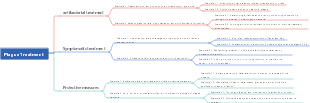
Plague treatment
Plague Overview
Plague is an infectious disease caused by Yersinia pestis and is mainly transmitted to humans by fleas.
When the plague virus enters the body, it can cause severe systemic infection and cause symptoms such as high fever, swollen lymph nodes and difficulty breathing.
early treatment
Patients with high suspicion of plague should receive early treatment immediately to prevent complications.
The goals of early treatment are to suppress the infecting pathogen and control symptoms to improve patient survival.
Antibiotics are the main early treatment, including quinolones, macrolides, and ofloxacin.
antibiotic treatment
Antibiotic treatment is the mainstay of treatment for plague, rapidly suppressing the growth of the pathogen and controlling the infection.
Appropriate antibiotic treatment is selected based on the results of susceptibility testing to the pathogen.
Commonly used antibiotics include penicillin, tetracycline, and chloramphenicol, which can be administered orally or intravenously.
Antibiotic treatment generally lasts 10-14 days until symptoms resolve and body temperature becomes normal for 48 consecutive hours.
supportive care
Plague patients also need to receive a series of supportive therapies during the treatment process to help them recover.
Supportive therapy includes rehydration, maintaining electrolyte balance, providing nutritional support and symptomatic treatment.
Fluid replacement is done through intravenous infusion to correct dehydration and electrolyte imbalance and maintain homeostasis.
Nutritional support is to provide sufficient energy and nutrients through diet or intravenous nutrition to promote the patient's recovery.
Precaution
Prevention is an important part of plague control, including personal protection and epidemiological control.
Personal protection measures include avoiding contact with animals and fleas that may be infected with plague, and the correct use of protective equipment.
Epidemiological control measures include early detection of cases, isolation and treatment of patients, and tracing of close contacts.
Correct understanding of the transmission routes and prevention and control knowledge of plague, and strengthening publicity and education will help prevent the occurrence of plague.