 Wondershare EdrawMind
MindMap Gallery blood system-zzw
- 43
- 1
blood system-zzw
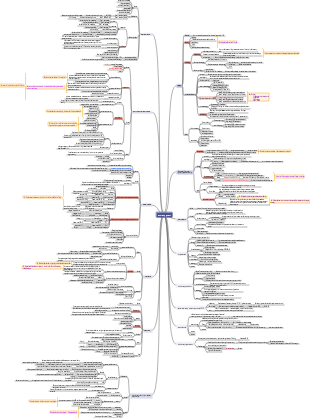
Blood system, hematopoietic tissues include bone marrow, thymus, lymph nodes, liver, spleen, embryo, and fetal hematopoietic tissues. Anemia is a reduction in the volume of red blood cells in the peripheral blood of the human body, lower than the normal lower limit, and the inability to transport enough oxygen to the tissues.
Edited at 2023-10-21 21:58:52
- bacteria
This is a mind map about bacteria, and its main contents include: overview, morphology, types, structure, reproduction, distribution, application, and expansion. The summary is comprehensive and meticulous, suitable as review materials.
- Plant asexual reproduction
This is a mind map about plant asexual reproduction, and its main contents include: concept, spore reproduction, vegetative reproduction, tissue culture, and buds. The summary is comprehensive and meticulous, suitable as review materials.
- Reproductive development of animals
This is a mind map about the reproductive development of animals, and its main contents include: insects, frogs, birds, sexual reproduction, and asexual reproduction. The summary is comprehensive and meticulous, suitable as review materials.
blood system-zzw
- bacteria
This is a mind map about bacteria, and its main contents include: overview, morphology, types, structure, reproduction, distribution, application, and expansion. The summary is comprehensive and meticulous, suitable as review materials.
- Plant asexual reproduction
This is a mind map about plant asexual reproduction, and its main contents include: concept, spore reproduction, vegetative reproduction, tissue culture, and buds. The summary is comprehensive and meticulous, suitable as review materials.
- Reproductive development of animals
This is a mind map about the reproductive development of animals, and its main contents include: insects, frogs, birds, sexual reproduction, and asexual reproduction. The summary is comprehensive and meticulous, suitable as review materials.
- Recommended to you
- Outline
blood system diseases
Summary
blood system structure
hematopoietic tissue
Bone marrow, thymus, lymph nodes, liver, spleen, embryo, fetal hematopoietic tissue
Hematopoietic function
Embryonic hematopoiesis
Mesodermal hematopoiesis (embryonic stage)
Liver hematopoiesis stage (fetal stage)
Bone marrow hematopoietic period (after birth)
posthemorrhagic hematopoiesis
bone marrow hematopoiesis
lymphoid organ hematopoiesis
extramedullary hematopoiesis
hematopoiesis
hematopoietic stem cells
self-renewal
multidirectional differentiation
Hematopoietic regulation
hematopoietic microenvironment
Positive and negative hematopoietic regulatory factors
Disease classification
red blood cell disorders
Such as various types of anemia
granulocytic disease
agranulocytosis
Monocyte and macrophage diseases
inflammatory histiocytosis
Lymphocyte and Plasma Cell Disorders
such as various lymphomas
hematopoietic stem cell disease
aplastic anemia
Hypersplenism
Hemorrhagic and thrombotic diseases
such as vascular purpura
Disease diagnosis
Medical history collection
Understand the presence and characteristics of symptoms
Anemia, bleeding tendency, fever, mass, liver, spleen and lymph node enlargement, bone pain, etc.
Have any history of exposure to drugs, poisons or radioactive substances?
Nutrition and eating habits
Surgery history, menstruation and pregnancy history, family history, etc.
Physical examination
Color of skin and mucous membranes, presence of jaundice, bleeding spots and nodular plaques
Are tongue papillae normal?
Sternal tenderness
Superficial lymphadenopathy, hepatosplenomegaly
abdominal mass
laboratory tests
Blood cell count, hemoglobin determination, blood smear cell morphology observation
Reticulocyte count
Bone marrow examination and cytochemical staining
Bone marrow aspirate smear and bone marrow biopsy
Bleeding disorder testing
Bleeding time, coagulation time, prothrombin time, Kaolin partial thromboplastin time, fibrinogen quantification
Hemolytic disease test
Free hemoglobin measurement, plasma haptoglobin measurement, Rous test, etc.
Biochemical and immunological tests
Such as iron metabolism test
Cytogenetic and molecular biology testing
Such as chromosome examination and genetic diagnosis
Hematopoietic cell culture and testing technology
Instrument inspection
Ultrasound, CT, etc.
Radionuclides
Histopathological examination
anemic disease
Introduction to Anemia
definition, standard
definition
The volume of red blood cells in the peripheral blood of the human body is reduced, lower than the lower limit of normal, and cannot transport enough oxygen to the tissues.
Standard (my country)
Adult male<120/Adult female<110/Pregnant woman<100
Classification
hypoerythropoiesis anemia
Caused by abnormalities in hematopoietic stem or progenitor cells
aplastic anemia
Pure red cell aplastic anemia
congenital dyserythropoiesis anemia
Malignant clonal diseases of the hematopoietic system
Caused by abnormal hematopoietic regulation
Anemia caused by damage to bone marrow stromal cells
Such as bone marrow necrosis, myelofibrosis
Anemia caused by lymphocyte hyperfunction
Such as B/T cell hyperfunction
Anemia caused by abnormal levels of hematopoietic regulatory factors
Such as renal insufficiency, liver disease
Anemia caused by hyperapoptosis of hematopoietic cells
Such as PNH
Caused by insufficient hematopoietic raw materials or utilization disorders
Folic acid or vitamin B12 deficiency or utilization disorder
Iron deficiency or iron utilization disorder
excessive red blood cell destruction anemia
hemolytic anemia
blood loss anemia
Chronic blood loss anemia is often combined with iron deficiency anemia
clinical manifestations
most common manifestations
Weakness
relevant factor
Cause, oxygen-carrying capacity, blood volume, anemia rate, compensatory capacity
Involving the system
nerve
Headache, dizziness, malaise and syncope, insomnia and dreaminess, tinnitus and dizziness memory loss, difficulty concentrating
Skin and mucous membranes
pale, yellowish
breathe
Mild: Accelerates and deepens; Severe: Shortness of breath or even orthopnea
cycle
acute blood loss anemia
Peripheral blood exchange contraction, increased heart rate, palpitations
non-blood loss anemia
Cardiac response to tissue hypoxia
digestive system
Decreased digestive function, indigestion, bloating, decreased appetite, irregular bowel movements, etc.
urinary system
Bilirubinuria, hyperbilirubinuria (external hemolysis), free hemoglobin, hemosiderinuria (internal hemolysis), oliguria, anuria (acute severe blood loss)
endocrine
Sheehan syndrome (heavy bleeding during childbirth), decreased glandular function (long-term anemia)
reproduction
Decreased testosterone secretion and menorrhagia
immune system
Decreased functionality
blood
peripheral blood
Manifested in blood cell volume, morphology, and biochemical composition
hematopoietic organs
Manifested in bone marrow changes
iron deficiency anemia
definition
Imbalance between iron supply and demand—depletion of iron stores in the body—deficiency of iron in red blood cells—causing iron deficiency anemia
iron metabolism
composition
functional state iron
Hemoglobin iron, myoglobin iron, transferrin iron Lactoferrin, enzymes and cofactors bind iron
store iron
ferritin, hemosiderin
Total iron
Mostly from senescent red blood cells
Absorption site
Duodenum and upper jejunum
Fe²⁺
Influencing factors
Physical iron status, gastrointestinal function, body iron storage Bone marrow hematopoietic status, certain drugs, hepcidin
Discharge method
It is mainly excreted with feces, and a small amount is excreted through urine and sweat.
Cause and pathogenesis
Cause
Increased iron requirements and insufficient iron intake
More common in infants, teenagers, pregnant and lactating women
iron malabsorption
Commonly seen after subtotal gastrectomy and gastrointestinal dysfunction
Too much iron loss
long-term chronic iron loss
Pathogenesis
Iron metabolism disorders
Hematopoietic system disorders
Tissue cell metabolism disorders
clinical manifestations
Primary disease manifestations
Such as abdominal pain or changes in stool properties caused by intestinal parasitic infection
Manifestations of anemia
Fatigue, easy tiredness, dizziness and headache, dizziness, tinnitus, palpitations and shortness of breath Lack of appetite, pale face, rapid heart rate
Tissue iron deficiency symptoms
Abnormal mental behavior
Decreased physical endurance
Susceptible to infection
Slow growth and development in children
Stomatitis, glossitis, tongue papilla atrophy, etc.
Dry and falling hair, dry and shriveled skin
Nails lack luster, are brittle and easily cracked
Diagnosis and Differential Diagnosis
diagnosis
ID
① Serum ferritin <12; ② Bone marrow iron staining: sideroblasts < 15%; ③ Serum iron and hemoglobin and other indicators are normal
IDE
①ID ① ②; ②Transferrin saturation <15%; FEP/Hb>4.5; ④Hemoglobin is normal
IDA
①IDE's ① ② ③; ②Microcytic hypochromic anemia
examine
Blood picture: microcytic and hypochromic
Bone marrow image: stainable iron disappears (most reliable)
Ferritin: the most sensitive, the earliest
Transferrin/Total Iron Binding Capacity/Free Protoporphyrin↑
Differential diagnosis
sideroblastic anemia
Serum ferritin concentration increased, serum iron and iron saturation increased, and total iron binding capacity was not low.
globinogenic anemia
Serum ferritin, bone marrow stainable iron, serum iron, and iron saturation are often elevated
anemia of chronic disease
Increased iron storage, serum iron, iron saturation, and total iron binding capacity are not low
transferrin deficiency
Serum iron, total iron-binding capacity, serum ferritin, and bone marrow hemosiderin all decreased significantly.
treat
Cause treatment
fundamental
Iron supplement treatment
Oral administration is preferred, preferably taken after meals
inorganic iron,organic iron
FeSO₄
Taking effective performance
Increased peripheral blood reticulocytes
duration
Continue for 4-6 months after hemoglobin returns to normal, until ferritin normalizes
megaloblastic anemia
Etiology and pathogenesis
Cause
Folic acid metabolism and deficiency
Reduced intake, increased requirements, malabsorption, impaired utilization, increased elimination
Vitamin b12 metabolism and deficiency (gastric resection)
Reduced intake, malabsorption, and utilization disorders
Pathogenesis
Reduced dTTP formation and DNA synthesis impairment
clinical manifestations
blood system
The onset is slow, often with pale complexion and fatigue
digestive system
Beef-like tongue, which may be accompanied by tongue pain
Nervous system and psychiatric symptoms
Symmetrical distal limb numbness, deep sensory impairment
Ataxia or unsteady gait
Reduced sense of taste and smell
Positive vertebral tract sign, increased muscle tension, and hyperreflexia of tendons
Decreased vision, amaurosis sign
In severe cases, incontinence of urine and feces
laboratory tests
Blood
Macrocytic anemia, increased MCV and MCH, normal MCHC
Reticulocyte count is normal or slightly increased
Blood films show red blood cells of varying sizes, with the central light-stained area disappearing.
Hypersegmented neutrophil nuclei
bone marrow
Significant hyperplasia of erythroid system, “young nucleus and old plasma”
Granulocytic megaloblastic change, mature granulocytes are multi-lobed
Giant cells increase in size and have excessive lobes
Determination of serum vitamin b12, folic acid, and red blood cell folic acid contents
other
Reduced gastric acidity, intrinsic factor antibodies, and positive Schilling test
Increased 24-hour urinary homocysteine excretion
Increased serum indirect bilirubin
aplastic anemia
Etiology and pathogenesis
Cause
Chloramphenicol (most common), viral infection (hepatitis B), chemical (benzene)
Pathogenesis
Hematopoietic stem and progenitor cell defects
CD34 significantly reduced
immune abnormalities
Increased CD8⁺T cells
Abnormal cell environment
Fatty
clinical manifestations
SAA severe
anemia
Progressive aggravation, obvious symptoms
Infect
Most of them have fever, respiratory tract infections are common (bacilli are common), and they are often complicated by sepsis.
Bleeding
Bleeding spots or large ecchymoses, blood blisters on the oral mucosa, nose bleeding, gum bleeding, and conjunctival bleeding
NSAA Mild disease
anemia
Chronic process, symptoms improve after transfusion
Infect
High fever is rarer than severe fever, the infection is easy to control, and rarely lasts for more than a week
Bleeding
The tendency is mild, mainly skin and mucous membrane bleeding.
laboratory tests
Blood image, bone marrow image
SAA
Reticulum 15/neutrophil 0.5/platelet 20
NSAA
to a lesser extent
Pathogenesis and other related examinations
Decreased CD4:CD8 cell ratio
Increased Th1:Th2 cell ratio
Increased proportion of CD8 T suppressor cells and TCR T cells
Increased serum IL-2, IFN-y, and TNF levels
and normal karyotype of bone marrow cells
Increased iron storage
Neutrophil alkaline phosphatase staining was strongly positive and increased
Diagnosis and Differential Diagnosis
No chest pain/no hepatosplenomegaly/neutrophil alkaline phosphatase ↑ tri-lineage cytopenia, mostly upper sense/megakaryocytopenia
treat
Treatment targeted at pathogenesis
Immunosuppressive
Antilymphoid/thymocyte globulin, mainly used in SAA
Cyclosporine, suitable for all AA
Promote hematopoiesis
Androgens (stanozolol)
Hematopoietic growth factors, especially SAA (erythropoietin EPo)
Hematopoietic stem cell transplantation (radical cure)
Applicable to patients under 40 years old, without infection or other complications, and with suitable donors
hemolytic anemia
Overview
clinical classification
Abnormalities in red blood cells themselves
red blood cell membrane abnormalities
Hereditary red blood cell membrane abnormalities
Hereditary spherocytosis
Acquired blood cell membrane glycophosphatidylinositol anchor membrane protein abnormalities
Such as PNH
hereditary red blood cell enzyme deficiency
Pentose phosphate pathway enzyme deficiency
Fava bean disease
Anaerobic glycolysis pathway enzyme defects
Hereditary disorders of globin production
Abnormal structure or quantity of globin peptide chain
Thalassemia
factors external to red blood cells
Immunity
autoimmunity, alloimmunity
Vascular
Microangiopathic
Valvular disease
Repeated compression of blood vessel walls
biological factors
Physical and chemical factors
Pathogenesis
Increased destruction of red blood cells
intravascular hemolysis
The presence of hemoglobinuria indicates rapid intravascular hemolysis
The presence of hemosiderinuria indicates chronic intravascular hemolysis
Compensatory hyperplasia of erythroid system
Increased proportion of reticulocytes in peripheral blood
Nucleated red blood cells can be seen, and immature granulocytes can be seen in severe hemolysis.
Bone marrow hyperplasia is active, and the proportion of erythroid system increases, mainly in middle-aged and late children.
Peripheral bodies and Capote rings can be seen in some red blood cells
clinical manifestations
Acute cases are mostly intravascular hemolysis and have a rapid onset.
Severe back and limb pain, accompanied by headache and vomiting, followed by high fever, pale complexion, hemoglobinuria, and jaundice
Chronic, mostly extravascular hemolysis
Anemia, jaundice, splenomegaly
Long-term hyperbilirubinemia may be complicated by cholelithiasis and liver function damage
Hemolysis may be aggravated due to infection and other reasons, leading to hemolytic crisis and aplastic crisis.
laboratory tests
screening test
Tests for increased red blood cell destruction
Examination of compensatory erythroid hyperplasia
special inspection
Testing for defects in the red blood cells themselves and external abnormalities
Diagnosis and Differential Diagnosis
diagnosis
Based on clinical manifestations, laboratory tests, medical history and special examinations
Differential diagnosis
Anemia with reticulocytosis
Such as iron deficiency hemorrhagic or megaloblastic anemia
nonbilirubinuric jaundice
Myeloblastic anemia with mild reticulocytosis
bone marrow metastases
treat
Cause treatment
Symptomatic treatment
hereditary spherocytosis
Etiology and pathogenesis
75% are autosomal dominant inheritance
Pathological basis: abnormal red blood cell membrane protein gene, belonging to extravascular hemolytic anemia
clinical manifestations
It can occur at any age, with recurrent hemolytic anemia, intermittent jaundice, and splenomegaly.
Half have a positive family history, and the condition is highly heterogeneous
Common complications include gallbladder stones. In severe cases, hemolytic crisis and aplastic crisis are often induced by infection.
diagnosis
Positive family history
Clinical manifestations, laboratory evidence, peripheral blood images, increased erythrocyte osmotic fragility
Negative family history
Exclude secondary spherocytosis caused by autoimmune hemolytic anemia and other causes, and use more experiments
treat
Splenectomy★
Laparoscopy is the preferred surgical method, and vaccinations should be administered before and after surgery
When anemia is severe, red blood cell transfusion is required, and folic acid supplementation is required.
Red blood cell glucose-6-phosphate dehydrogenase deficiency
Pathogenesis
X-linked incomplete dominant inheritance, more males than females
G6PD deficiency - Hemoglobin suffers oxidative damage - Formation of methemoglobin and denatured hemoglobin - Formation of Hydantoin bodies
clinical manifestations
Generally only occurs in oxidative emergencies
drug-induced hemolysis
Acute intravascular hemolysis occurs 2 to 3 days after taking the drug, and the anemia is most severe about a week ago, and peripheral circulatory failure or renal failure may even occur.
After 7 to 10 days, hemolysis gradually stops and is self-limiting.
Common drugs include antimalarials, antipyretics and analgesics, sulfa drugs, etc.
Fava bean disease
More common in children under ten years old, more men than women
Acute intravascular hemolysis occurs suddenly two hours to a few days after consumption, which is self-limiting.
other
Neonatal hyperbilirubinemia
Congenital non-spherocytic hemolytic anemia
Infections, diabetic ketoacidosis, etc.
laboratory tests
G6PD activity screening assay
Such as methemoglobin reduction test, fluorescent spot test, etc.
Quantitative determination of red blood cell G6PD activity★
The enzyme activity of this disease is 10% to 60% of normal. In the acute hemolytic stage and the recovery stage, the activity may be normal. If it is lower than 40% of normal, it has diagnostic significance.
Gene mutation analysis
Erythrocyte hydantosome production test
Greater than 5% is diagnostic
Diagnosis and treatment
diagnosis
The diagnosis is determined mainly by laboratory evidence, such as two moderate abnormalities or one severe abnormality in screening tests or quantitative measurement abnormalities.
treat
Most do not require treatment
The prevention and treatment principles are to avoid oxidant intake, actively control infection and treat symptoms
Hemoglobinopathies
globinogenic anemia
a-globin dysgenesis anemia
Static type, standard type
The quiescent type is a carrier and has no clinical symptoms.
The standard type has no obvious symptoms and the red blood cells are microcytic and hypochromic.
HbH disease
Mild to moderate anemia, anemia and splenomegaly appear one year after birth, and hypochromia is obvious
A large number of HbH inclusion bodies can be seen in target-shaped cells
Hb Bart hydrops fetalis syndrome
In the most severe form, the fetus usually dies in utero between 30 and 40 weeks of pregnancy.
If it is not a stillbirth, the delivered baby will be stunted, obviously pale, with systemic edema and ascites, severely reduced cardiopulmonary function, and hepatosplenomegaly.
beta globin dysgenesis anemia
Lightweight
Clinical symptoms may be asymptomatic or mild anemia, and hemoglobin electrophoresis HbA2>3.5%
HbF, normal or slightly increased (<5%)
Intermediate
Moderate anemia, splenomegaly, target-shaped cells can be seen, and red blood cells are microcytic and hypochromic.
HbF can reach 10%
Heavy duty
Both parents have globinogenic anemia
In the first six months after birth, the child gradually became pale, anemia progressively worsened, and there were jaundice and hepatosplenomegaly.
Slow growth and development, osteoporosis
The forehead is raised, the bridge of the nose is sunken, and the distance between the eyes is widened.
Hemoglobin is less than 60, target-shaped cells account for 10 to 35%
Bone marrow has significant proliferation of erythroid hematopoiesis, with HbF reaching 30%-90%
Treatment and Prevention
Mainly symptomatic treatment
Splenectomy is suitable for patients with increasing blood transfusion volume, hypersplenism and obvious compression symptoms.
Allogeneic hematopoietic stem cell transplantation
abnormal hemoglobinopathies
More than 90% of cases manifest as single amino acid substitutions, with β-protein chain involvement being the most common.
sickle cell anemia
(HbS disease) is mainly seen in black people and may cause hemolysis and vascular obstruction.
unstable hemoglobinopathies
Hydantosome formation test was positive, isopropyl alcohol test and thermal denaturation test were positive
Hemoglobin M disease
Increased methemoglobin, no treatment required
Hemoglobinopathies with abnormal oxygen affinity
decreased affinity
Cyanosis
increased affinity
Decreased arterial oxygen saturation and tissue hypoxia
autoimmune hemolytic anemia
warm body type
Etiology and pathogenesis
Accounting for 80% to 90%, the antibodies are mainly IgG followed by C3
Destruction mainly occurs within the monocyte-macrophage system and extravascular hemolysis
clinical manifestations
Mostly chronic extravascular hemolysis, with slow onset and more common in adult women.
Characterized by anemia, jaundice, and splenomegaly
It can be complicated by thromboembolic diseases, and it is more common in patients with positive antiphospholipid antibodies.
laboratory tests
Blood picture and bone marrow picture
Normocytic normochromic anemia, with an increased proportion of reticulocytes, normal white blood cells and platelets, and varying numbers of spherical red blood cells and immature red blood cells.
Compensatory hyperplasia of the erythroid system, mainly proliferation of young red blood cells
Antiglobulin test (direct)
other
Diagnosis and treatment
diagnosis
Clinical manifestations and laboratory evidence, positive DAT, normal cold agglutinin titer, no history of bleeding and use of special drugs in the past four months
treat
Cause treatment
Control hemolytic episodes
Glucocorticoids of choice
Splenectomy
Rituximab
Other immunosuppressants
blood transfusion
Cold antibody type
Relatively rare, accounting for 10 to 20%
cold agglutinin syndrome
Often secondary to lymphoproliferative disorders, mycoplasma pneumonia, infectious mononucleosis
Antibodies are mostly cold agglutinin IgM, mainly intravascular hemolysis
After rewarming, it is cleared by macrophages in the liver and chronic extravascular hemolysis occurs.
Cyanosis in peripheral parts disappears after being warmed, accompanied by anemia, hemoglobinuria, etc.
paroxysmal cold hemoglobinuria
Mostly secondary to syphilis or viral infection, the antibody is D-L antibody
Clinical manifestations include hemoglobinuria after exposure to cold, accompanied by fever, low back pain, nausea and vomiting, etc., which is self-limiting.
Hot and cold hemolysis test positive
treat
Cause treatment
Warm★
Symptomatic patients receive rituximab
Hormones are not effective and spleen removal is ineffective★
paroxysmal nocturnal hemoglobinuria
definition
Hemolytic disease caused by acquired hematopoietic stem cell gene mutations and red blood cell membrane defects is a benign clonal disease.
Etiology and pathogenesis
Red blood cell membrane lacks CD55, CD59 - the basis of intravascular hemolysis
Prone to thrombosis, the mechanism is not clear
Clinical symptoms
anemia
hemoglobinuria
Morning hemoglobinuria may be related to blood acidification during sleep
Symptoms of reduced blood cells
Bone marrow failure, neutrophil and thrombocytopenia
thrombosis
Hepatic veins common, Budd-Chiari syndrome
Smooth muscle dysfunction
Abdominal pain, esophageal spasm, difficulty swallowing, erectile dysfunction
laboratory tests
Blood
Anemia, reticulocyte increase, granulocytopenia, mostly moderate to severe platelet decrease
bone marrow
Active proliferation, obvious in erythroid system, decreased iron inside and outside the bone marrow
intravascular hemolysis test
diagnostic test
Flow cytometry detection of CD55 and CD59
Detection of Aeromonas hydrophila variants by flow cytometry
Specific serological tests
Acid hemolysis test, sucrose hemolysis test, snake venom factor hemolysis test, trace complement sensitivity test
Diagnosis and Differential Diagnosis
Diagnosis (Part 1)
Specificity test positive (two or more)
Flow cytometry test positive
Treatment and prognosis
treat
Support symptomatic treatment
Control hemolytic episodes
Prevention and treatment of thrombosis
Allogeneic hematopoietic stem cell transplantation
prognosis
Median survival is 10 to 15 years, with the main causes of death being infection, thrombosis, and hemorrhage
Leukopenia and granulocytopenia
concept
Leukopenia
<4
Neutropenia
Adults <2, children (>10 years old) <1.8 (<10 years old) <1.5
agranulocytosis
<0.5
Etiology and pathogenesis
Reduced generation
Such as bone marrow injury, bone marrow infiltration, maturation disorder, infection, congenital neutropenia, cyclic granulocytopenia
Destroy or consume too much
immune factors
drug effects
self-immune
SLE class risk
non-immune factors
severe infection
Hypersplenism
Abnormal distribution (rare)
Pseudoneutropenia (shift to marginal pool)
severe infection
Granulocytes remain in other parts of the circulating pool
such as hemodialysis
clinical manifestations
Mild (≥1.0)
Mostly manifested as primary symptoms
Moderate (0.5-0.1.0) is prone to fatigue, dizziness, and loss of appetite, and the risk of infection is only slightly increased.
Severe (<0.5)
Infection cannot form an effective inflammatory response
laboratory tests
Routine inspection
Blood routine
Decreased leukocytes, decreased neutrophils, increased lymphocyte percentage
bone marrow smear
Bone marrow images vary
special inspection
Leukocyte aggregation reaction, immunofluorescence granulocyte antibody assay—anti-granulocyte autoantibodies
Epinephrine test—to identify pseudogranulocytopenia
Diagnosis and Differential Diagnosis
Contact history, chemotherapy history, disease history, age of onset, extent, and speed of onset Duration, periodicity, underlying disease, family history
treat
Cause treatment
Infection prevention and treatment
Mild: not required; moderate: maintain hygiene; severe: sterile isolation
Unidentified pathogenic bacteria
Broad spectrum antibiotics – antifungals – antivirals – (immunoglobulins)
Promote granulocyte production
recombinant human colony stimulating factor
other
Such as B vitamins, shark liver alcohol, etc.
immunosuppressant
Glucocorticoids
myelodysplastic syndrome MDS
definition
Originates from hematopoietic stem cells, and uses diseased blood cells to form hematopoietic cells
Classification and clinical manifestations
Types
refractory anemia RA
peripheral blood
Primitive cells<1%
marrow
Primitive cells less than 5%
Ring sideroblastic refractory anemia RAS
peripheral blood
Primitive cells<1%
marrow
Explosive cells <5%, ring sideroblasts > nucleated red blood cells 15%
Refractory anemia with increased blasts RAEB
peripheral blood
Primitive cells less than 5%
marrow
5% to 20% original cells
Refractory anemia with blast transformation RAEB-t
peripheral blood
Original cells are greater than or equal to 5%
marrow
Primitive cells are more than 20% but less than 30%; or Auer bodies appear in myelocytes
chronic myelomonocytic leukemia
peripheral blood
The blast cells are less than 5% and the absolute value of monocytes is greater than 1
marrow
5% to 20% original cells
clinical manifestations
①, ② Mainly refractory anemia, progress is slow
③, ④ Mainly pancytopenia, anemia, bleeding and infection are common, and may be accompanied by splenomegaly
⑤ Mainly anemia, infection and bleeding may occur, splenomegaly is common
laboratory tests
Blood and bone marrow images
Persistent one- or multiple-lineage cytopenias
Hemoglobin is less than 100, neutrophils are less than 1.8, and platelets are less than 100
Active bone marrow proliferation and pathological hematopoiesis (morphological and numerical changes)
Cytogenetic testing
Abnormal karyotype (deletion type), with 8, -5/5q-, -7/7q-., and 20q- being the most common
Immunological examination
such as flow cytometry
treat
Hematopoietic treatment
Androgens, erythropoietin
biological response modifier
Thalidomide, lenalidomide — with pure 5q-; ATG — very low risk
hypomethylating drugs
Azacitidine, decitabine
Allogeneic hematopoietic stem cell transplantation
the only possible cure
leukemia
Overview
definition
Malignant clonal diseases of hematopoietic stem and progenitor cells
Massive proliferation and accumulation of leukemia cells - inhibiting normal hematopoiesis and infiltrating other organs and tissues
Incidence★
AL>CL,AML>ALL>CML>CLL
AML is more common in adult AL, and ALL is more common in children.
acute leukemia
Classification
WHO classification
Can help patients choose treatment options and judge prognosis
FAB typing
AML Myeloid system
M0 (acute myeloid leukemia, minimally differentiated type)
The bone marrow blast cells are more than 30%, and there are no azurophilic granules and Austrian bodies.
M1 (acute myeloid leukemia undifferentiated type)
Myelocytes account for more than 90% of non-erythroid nucleated cells in bone marrow, of which at least 3% are MPO positive.
M2 (partially differentiated acute myeloid leukemia)
Myeloblasts account for 30 to 89% of non-erythroid nucleated cells in bone marrow
M3 (acute promyelocytic leukemia APL)
Bone marrow is dominated by promyelocytes with increased granulation, ≥30% in NEC
M4 (acute myelomonocytic leukemia)
Explosive cells in bone marrow account for more than 30% of NEC, granulocytes ≥20% at each stage, and monocytes ≥20% at each stage.
M5 (acute monocytic leukemia)
The protomononuclear and juvenile mononuclear cells in bone marrow NEC are ≥30%, and the protomononuclear, juvenile mononuclear and mononuclear cells are greater than 80%.
M6 (erythroleukemia)
Bone marrow red blood cells ≥50% blast cells in NEC ≥30%
M7 (acute megakaryoblastic leukemia)
Primitive megakaryocytes in bone marrow are greater than or equal to 30%, platelet antigen is positive, and platelet peroxidase is positive
ALL lymphatic system
L1: Primitive and prolymphocytes are mainly small cells
L2: Mainly large cells
L3 (Burkitt type): uniform in size, with obvious vacuoles in the cells
clinical manifestations
Normal bone marrow hematopoietic function is suppressed local infiltration
anemia
Half of the patients had severe anemia at the time of treatment
fever
Low fever is common, and high fever indicates secondary infection, with stomatitis, gingivitis, and angina being the most common.
Bleeding
Skin petechiae, epistaxis, gum bleeding, and menorrhagia are common
Death from hemorrhage is more common from intracranial hemorrhage
Manifestations of leukemia cell proliferation and infiltration transfer
Enlarged lymph nodes and hepatosplenomegaly
Enlarged lymph nodes are more common in ALL; severe mediastinal lymph nodes are more common in T-ALL; hepatosplenomegaly is mostly mild to moderate.
bones and joints
It is often characterized by localized tenderness in the lower sternum, and is more common in children.
Eyes
green tumor
Quick grain
oral cavity
M4, M5: The gums are hyperplasia and swelling, blue-gray maculopapular rash can be seen on the skin, and local skin is raised and hardened.
Urgent order
central nervous system★
The most common site of extramedullary infiltration of leukemia, mild cases of headache and dizziness Severe cases include vomiting and stiff neck
ALLAcute shower
testis
Painless swelling of one testicle, more common in ALL acute lymphadenitis
disseminated intravascular coagulation (DIC)
M3 early grain
physical signs
Sternal tenderness
laboratory tests
Blood
Increased white blood cells in most patients
Differential examination of blood smear shows varying numbers of primitive and immature cells.
Different degrees of normocytic anemia (less in three lines)
bone marrow
FAB classification: blast cells ≥ 30% of bone marrow nucleated cells
WHO: down to 20%
Primitive/immature cell proliferation>20%
Cytochemistry
Myeloperoxidase (MPO) positive - urgent order/grain
Rod-shaped body Auer: acute granule
Glycogen staining - acute lymphadenitis
Nonspecific Esterase (NSE) - Urgent Order
Immunological examination
B: 19, 20 T: 3.4.8 NK: 16.56 Mononucleus: 13.14.15 Hematopoietic stem: 34
Cytogenetic and molecular biology tests
For example, 99% of APL has t(15;17)(q22;q12)
treat
General treatment
Emergency treatment of hyperleukemia
ALL: dexamethasone; AML: hydroxyurea combined chemotherapy
Cause, chemotherapy
Acute granuloma: DA (roxithromycin/cytarabine), IA norroxithromycin
Acute stranguria: VP (vincristine/prednisone)
Promyeloid M3: all-trans retinoic acid
drug side effects
L-asparaginase-hepatotoxicity
MTX-methotrexate-mucositis
C-cyclophosphamide-cystitis
V-vincristine-peripheral neuritis
chronic myeloid leukemia
Clinical manifestations and laboratory tests
The median age of onset is 45 to 50 years old, more men than women Slow onset, no symptoms in the early stage
Chronic phase (1-4 years)
clinical
Splenomegaly is the most prominent sign
laboratory
Blood
The number of white blood cells increases significantly, often exceeding 20
There was a significant increase in granulocytes in the blood film, and granulocytes at all stages (mid- to late-young, mainly with rod-shaped nuclei) could be seen.
Less than 10% of original cells
Eosinophilia, basophilia
In the early stage, platelets are normal, and in the later stage, platelets gradually decrease and anemia occurs.
neutrophil alkaline phosphatase
Reduced activity or negative reaction
bone marrow
The proliferation is obvious to extremely active, and the situation is similar to the blood picture
Acceleration period (months to years)
clinical
Frequent fever and weakness, progressive weight loss, bone pain, and gradual onset of anemia and bleeding
laboratory
Peripheral blood or bone marrow blasts ≥10%, peripheral blood basophils >20%
period of acute change
Belongs to the terminal stage, clinically similar to the accelerated stage
Most acute myeloid changes have extremely poor prognosis; more than 20% blast cells in peripheral blood or bone marrow or extramedullary blast cell infiltration occur
Diagnosis and Differential Diagnosis
diagnosis
Unexplained persistent increase in white blood cell count, which can be diagnosed based on typical blood and bone marrow changes, splenomegaly, Ph chromosome positivity or BCR fusion gene positivity
Chromosome examination: 9/22 (BCR/ABL fusion gene-Philadelphia chromosome)
Differential diagnosis
Splenomegaly due to other causes
Such as schistosomiasis, chronic malaria, kala-azar, cirrhosis, etc.
There are no typical changes in blood picture and bone marrow; Ph chromosome and BCR are negative
treat
Chronic phase treatment
molecular targeted therapy
First generation such as imatinib, second generation such as nilotinib
Interferon
The drug of choice before the advent of molecularly targeted drugs and is currently used Patients not suitable for TKI and all-HSCT
Other drug treatments
such as hydroxyurea
prognosis
With the advent of tyrosine kinase inhibitors, survival has been significantly prolonged
Lymphoma
definition
Originating from lymph nodes and lymphoid tissues, it is mostly related to the malignant transformation of certain immune cells produced by lymphocyte proliferation and differentiation. It is a malignant tumor.
Hodgkin lymphoma
Pathology and classification
Microscopic features
Scattered tumor cells on background of inflammatory cells
Typical manifestations of R-S cells
Giant binucleated and multinucleated cells with large and obvious nucleoli, which may be accompanied by capillary proliferation. and varying degrees of fibrosis
Nodular lymphocyte-predominant HL
Microscopically, there is mainly a proliferation of single small lymphocytes, with large tumor cells (popcorn cells) scattered within them.
Immunological phenotype: A large number of CD20 small B cells, forming nodules or nodule-like structures; L/H type RS cells
Classic HL
nodular sclerosis lacunae cells
Under light microscopy, there are birefringent collagen-fiber separations, the diseased tissue is nodular, and lacunar R-S cells (mirror cells)
Lymphocyte-rich type
R-S cells are rare
mixed cell type
Lymphocyte depleted type
There are a large number of R-S cells, and there may be diffuse fibrosis and necrosis.
Clinical manifestations and staging
clinical manifestations
More common in young people, less common in children
swollen lymph nodes
Painless progressive swelling of cervical or supraclavicular lymph nodes is common at first onset
Extralymphatic organ involvement
systemic symptoms
Fever, night sweats, itching, weight loss, etc.
other
Such as herpes zoster, lymph node pain caused by drinking alcohol★
Clinical stage
Issue 1
Involvement of a single lymph node region or focal single extranodal organ
season2
Invasion of two or more groups of lymph nodes on the same side of the diaphragm or focal invasion of a single extranodal organ and its regional lymph nodes
Issue 3
The upper and lower lymph node areas of the transverse septum are simultaneously invaded, which may be accompanied by focal invasion of related extranodal organs and spleen.
Issue 4
Diffuse involvement of one or more extranodal organs, with or without associated lymphadenopathy
Grouped by systemic symptoms
Group A
Unexplained fever >38°C
Night sweats
Weight loss of more than 10% within half a year
Group B
Have one of the above symptoms
treat
Earlier—MOPP
The preferred ABVP chemotherapy regimen
non-hodgkin lymphoma
definition
Lymphomas with different histological characteristics and sites of onset are prone to early distant spread
Common subtypes
Diffuse large B-cell lymphoma
Most common in NHL
marginal zone lymphoma
indolent lymphoma
follicular lymphoma
It is a germinal center lymphoma that is more common in the elderly and often involves the spleen and bone marrow. indolent lymphoma
mantle cell lymphoma
It is more common in elderly men, develops rapidly, and is an aggressive lymphoma.
Burkitt Lymphoma/Leukemia★
t(8;14) and MYC gene rearrangement have diagnostic significance and are severely invasive
Endemic areas, involving the jaw; non-endemic areas, involving the terminal ileum and abdominal organs
angioimmunoblastic T-cell lymphoma
Aggressive, more common in the elderly
Fever, lymphadenopathy, positive Coombs test, and multi-strain hyperimmune globulinemia, the prognosis is poor
anaplastic large cell lymphoma
Invasive, more likely to occur in children
Cells show CD30, often have (t2;5) chromosomal abnormalities, and are ALK gene positive
peripheral T-cell lymphoma
Large heterogeneity, malignant tumor, invasive
granuloma
indolent lymphoma
clinical manifestations
common ground
Painless progressive lymphadenopathy/localized mass
Laboratory tests and other tests
Blood and bone marrow tests
White blood cell count is normal with lymphocytosis
When leukemia occurs in the late stage, leukemia-like blood pictures and bone marrow pictures can be seen.
Film degree exam
Superficial lymph node examination
B-ultrasound, radionuclide imaging
Mediastinal and lung examination
Chest X-ray, Chest CT
Examination of abdominal and pelvic lymph nodes
CT
Liver and spleen examination CT, B-ultrasound, radionuclide imaging
PET-CT
Can display lymphoma lesions and locations
Diagnosis and Differential Diagnosis
diagnosis
Progressive, painless lymphadenopathy
Lymph node prints and pathological sections or aspirate smears
suspected cutaneous lymphoma
Skin biopsy and print
With abnormal number of blood cells, etc.
Bone marrow biopsy and smear to look for R-S cells or NHL cells
Treatment and Prognosis
treat
Comprehensive treatment based on chemotherapy combined with radiotherapy and chemotherapy
indolent lymphoma
Phase 1, Phase 2
Advocate observation and palliative care
Issue 3, Issue 4
Easy to relapse, use COP or CHOP regimen in combination with chemotherapy
Progress cannot be controlled
FC solution available for trial
aggressive lymphoma
Mainly chemotherapy, supplemented by local radiotherapy and extended irradiation
CHOP (Standard)
R-CHOP (diffuse big B classic plan)
Large amounts of cyclophosphamide involved (Burkitt)
multiple myeloma
Etiology and pathogenesis
Driven by complex genomic alterations and epigenetic abnormalities Mainly characterized by genetic instability
clinical manifestations
bone damage
Bone pain is the main manifestation, most common in the lumbosacral region
anemia
Mostly mild to moderate anemia
renal impairment
Proteinuria, hematuria, cast urine, acute and chronic renal failure
hypercalcemia
Lack of appetite, vomiting, fatigue, impaired consciousness, polyuria, or constipation
Infect
such as bacterial pneumonia and pneumonia infections
hyperviscosity syndrome
Dizziness, tinnitus, numbness in fingers, visual impairment Congestive heart failure, impaired consciousness
bleeding tendency
Nose bleeding, gum bleeding, and skin purpura are common
Mechanism of moonrise: thrombocytopenia, coagulation disorder, blood vessel wall factors
amyloidosis
Common symptoms include enlargement of the body and parotid glands, cardiac hypertrophy, enlarged heart, diarrhea or constipation, etc.
nervous system damage
Muscle weakness, body numbness, and unresponsiveness to pain
extramedullary infiltration
More common in liver, spleen, lymph nodes, and kidneys
Laboratory tests and other tests
Blood
Normocytic normochromic anemia, arranged in the shape of a string
Normal or reduced white blood cells
A large number of plasma cells can be seen in the late stage
Most platelets are normal
marrow
Plasma cell abnormality >10%
Tumor cells vary in size and shape, with 1-4 nucleoli visible in the nucleus.
M protein identification
Serum protein electrophoresis shows a densely stained, single-peak M protein, and normal immune proteins are reduced.
Urine test
Urine routine: proteinuria, hematuria, cast urine
24-hour urine light chain and urine immunofixation electrophoresis detection: half of the cases show protein of the week
Film degree exam
X-ray performance:
It is typically round, with clear edges like gouges and multiple osteolytic lesions of varying sizes, commonly found in the skull, pelvis, etc.
pathological fracture
Osteoporosis, mostly in the spine, ribs, etc.
CT, MRI, PET/CT
Diagnostic criteria, classification, staging and differential diagnosis
Diagnostic criteria
symptomatic
The proportion of monoclonal plasma cells in bone marrow is ≥10% or tissue biopsy shows plasmacytoma
Monoclonal M protein in serum or urine
related performance
Target organ damage manifestations
No target organ damage, but one or more of the following indicators are abnormal
Items 1-2 need to be met, plus item 3
asymptomatic
Serum monoclonal M protein ≥30 or 24h urine light chain ≥0.5
The proportion of monoclonal plasma cells in bone marrow is 10%-60%
No related organ or tissue damage
Need to meet Article 3, plus Article 1/2
Types
IgG, IgA, IgD, IgD, IgE, etc.
installment
Issue 1
Meet all of the following
Hemoglobin>100, serum calcium≤2.65
X-ray: normal bone structure or solitary plasmacytoma of bone
Low serum or urinary myeloma protein production
season2
Other patients who do not qualify for stage 1 and stage 3
Issue 3
Meet 1 or more of the following conditions
Hemoglobin<85, serum calcium>2.65
Osteolytic lesions >3 in skeletal examination
High serum or urinary myeloma protein production
Treatment and Prognosis
treat
Treatment principles
Systemic treatment is used for symptomatic MM; treatment is not recommended for asymptomatic patients.
For patients suitable for autologous transplantation, avoid stem cell toxic drugs during induction therapy
treat
induction therapy
Transplant candidate patients
Such as bortezomib/dexamethasone (.VD)
Patients not suitable for transplantation
Such as melphalan/prednisone/bortezomib (VMP)
autologous stem cell transplant
Renal insufficiency and old age are not contraindications to transplantation
Maintenance treatment
Bortezomib, lenalidomide, thalidomide alone or in combination with glucocorticoids
supportive care
bone pain
Oral or intravenous bisphosphonates
hypercalcemia
Hydration, alkalization, diuresis
renal insufficiency
Hydration, diuresis; reduces uric acid formation and promotes urea excretion Avoid NSAIDs and intravenous contrast media
anemia infection
coagulation/thrombus
prophylactic anticoagulation therapy
hyperviscosity
Symptomatic patients can undergo plasma exchange
prognosis
The course of the disease is highly heterogeneous, and survival times vary greatly.
Myeloproliferative neoplasms
definition
A group of myeloid tumor diseases caused by the clonal proliferation of one or more mature bone marrow cells.
Typical disease
polycythemia vera
Pathogenesis
Acquired clonal hematopoietic stem cell diseases, most of which JAK2 V617F gene mutation can be found
clinical manifestations
The disease mostly affects middle-aged and elderly people, slightly more men than women, and the onset is slow.
nervous system
Headache, dizziness, tinnitus, visual impairment, fatigue and forgetfulness
Sanguine manifestations
The skin and mucous membranes are red and purple, especially the cheeks, lips, tongue, ears, nose tip, neck and limbs
Thrombosis, embolism and bleeding
Commonly found in the brain, peripheral blood vessels, coronary arteries, portal vein, mesentery, etc.
digestive system
Peptic ulcer, etc.
Hepatosplenomegaly★
other
Hyperuricemia, obvious itching, half of the patients are complicated by hypertension
laboratory tests
blood test
Increased red blood cell count, elevated Hb, microcytic hypochromia Hematocrit increases to 0.6-0.8
Reticulocyte count normal
Increased white blood cells to 10-30, often with left nuclear shift
Increased platelets, up to 300-1000
Blood viscosity is 5 to 8 times normal
bone marrow examination
Significant proliferation of hematopoietic cells of all lines, reduction of adipose tissue, and decrease in granulocyte-to-red ratio Megakaryocyte hyperplasia is obvious and iron storage is reduced
blood biochemistry test
Increased serum uric acid, hyperhistamine/uria, decreased serum iron, decreased EPO
DNA Testing
Bone marrow cell culture in vitro
Confirm whether there are endogenous red blood cell colonies
Diagnosis and Differential Diagnosis
diagnosis
Main diagnostic criteria
Hb, male >162, female >160, or hematocrit Men>0.49, women>0.48
Bone marrow biopsy: marked erythroid granulocytic hyperplasia, pleomorphic proliferation of mature megakaryocytic cells of varying sizes
There is a genetic mutation
Secondary diagnostic criteria
EPO<normal value
Diagnosis can be made by meeting three major criteria, or the first two major criteria and minor criteria
Differential diagnosis
secondary polycythemia
Chronic ischemic states, such as altitude living
heavy smoking
Increased secretion of EPO
relative polycythemia
such as dehydration, burns, and chronic adrenal insufficiency
Treatment and Prognosis
treat
phlebotomy
Bleed 200 to 400 ml every 2 to 3 days until the hematocrit is <0.45
prevention of thrombosis
Long-term oral administration of low-dose aspirin
cytotoxic therapy
If you are older than 40 years old, use hydroxyurea; if you are younger than 40 years old or during pregnancy, use interferon
JAK2 inhibitors
ruxolitinib
prognosis
Hemorrhage, thrombosis and embolism are the leading causes of death
essential thrombocythemia
clinical manifestations
The disease is slow and may not have any clinical symptoms in the early stage. The main manifestations are bleeding or thrombosis and may include fatigue, fatigue, and splenomegaly.
laboratory tests
blood test
Platelets 1000-3000, different sizes
In the aggregation test, the platelet aggregation reaction decreases and the response to epinephrine disappears.
Increased leukocytes and increased neutrophil alkaline phosphatase activity
bone marrow examination
There was obvious proliferation of various lines, mainly megakaryocytes and platelets.
genetic test
Half have the JAK2 V617F mutation
Cytogenetic testing
is an exclusionary examination
Diagnosis and Differential Diagnosis
diagnosis
Main criteria
Platelet count persistently >450
Bone marrow biopsy showed a high degree of megakaryocyte proliferation, with no significant proliferation or left shift of granulocytes or erythroids.
Failure to meet diagnostic criteria for other myeloid tumors
There is a genetic mutation
secondary criteria
Evidence of clonal markers or unresponsive thrombocytosis
Diagnosis is achieved when four major criteria or the first three major criteria and minor criteria are met
Differential diagnosis
secondary thrombocythemia
Seen in chronic inflammatory diseases, acute infection recovery period, etc.
treat
<60 years old, no history of cardiovascular disease and no treatment required; Aged over 60 years old or with a history of cardiovascular disease, take active treatment
Antiplatelet, prevent and treat thrombotic complications
low-dose aspirin, clopidogrel, anagrelide
lower platelet count
Hydroxyurea is preferred, interferon can be used in pregnant women, platelet apheresis
prognosis
Progress is slow and remains a benign process for many years
primary myelofibrosis
Pathogenesis
Abnormal cloning of bone marrow hematopoietic stem cells, causing reactive proliferation of fibroblasts
Medullary metaplasia of liver, spleen, lymph nodes is a manifestation involving extramedullary organs
clinical manifestations
The median age of onset is 60 years old and the onset is insidious.
Fatigue, decreased appetite, left upper quadrant pain
Low fever, night sweats, weight loss
Giant spleen★
Laboratory tests and other tests
blood test
Normocytic anemia, with a small number of red blood cells in the peripheral blood
Mature red blood cells vary in shape and size, and teardrop-shaped red blood cells can be seen.
Leukocytes are increased or normal, medium or late myelocytes can be seen, and alkaline phosphatase activity is increased.
Late-stage leukocytes and platelets decrease, and blood uric acid increases
bone marrow examination
Puncture often appears dry
Cytogenetic and molecular biology examination
No Ph chromosome, genetic mutation present
Spleen puncture examination
Appearance similar to bone marrow aspirate smear
Liver biopsy
There is extramedullary hematopoiesis, and there is proliferation of megakaryocytes and immature cells in the liver sinusoids.
X-ray examination
Blurred trabeculae or ground-glass changes can be seen in the long term, and bone sclerosis occurs in the medium term. In the late stage, granular translucent areas appear on the basis of increased bone density.
Diagnosis and Differential Diagnosis
diagnosis
pre-PMF
Main criteria
Bone marrow biopsy shows megakaryocytic hyperplasia and abnormal megakaryocytes, often accompanied by reticular fibers or collagen fibrosis. Or there is no significant increase in reticular fibers, hyperplasia of granulocytes and reduction of erythroid hematopoiesis.
Does not meet diagnostic criteria for other myeloid tumors
Presence of genetic mutations or other markers of clonal proliferation
secondary criteria
Anemia is not complicated by other diseases
White blood cell count >11
palpable splenomegaly
Increased serum LDH
A confirmed diagnosis requires fulfillment of three major criteria and at least one minor criterion
overt-PMF
Main criteria
There are megakaryocytic hyperplasia and abnormal megakaryocytes, accompanied by reticular fibers and collagen fibrosis; Others are the same as pre-PMF
secondary criteria
①-④Same as pre-PMF; myelopathy anemia
Differential diagnosis
Need to be differentiated from splenomegaly caused by various causes
treat
supportive care
If the EPO level is low, recombinant human EPO can be used
Shrink the spleen and inhibit extramedullary hematopoiesis
Thalidomide, interferon, active vitamin D3
Splenectomy
Must meet the indications for resection
JAK2 inhibitors
HSCT
The only possible cure for this disease
Hypersplenism
Cause
Infectious diseases
Such as infectious mononucleosis, viral hepatitis, etc.
immune diseases
Such as systemic lupus erythematosus, etc.
congestive disease
Such as congestive heart failure, constrictive pericarditis, etc.
blood system diseases
Such as hemolytic anemia, hematological malignancies, myeloproliferative neoplasms
spleen disease
Such as splenic cyst, etc.
lipid storage disease
Such as Gaucher disease etc.
other
Such as extramedullary hematopoiesis, malignant tumor metastasis, etc.
Pathogenesis
Excessive phagocytosis, excessive retention, hemodynamic abnormalities, and immune abnormalities
clinical manifestations
Splenomegaly
Abdominal symptoms may occur when significantly enlarged
Breathing-related pain and friction in the left rib cage—suggestive of splenic infarction
pancytopenia
Corresponding symptoms such as anemia, infection, and bleeding may occur
Primary disease manifestations
Laboratory and imaging tests
Blood
One line or all lines are reduced, and the cell morphology is normal.
Early leukocyte or thrombocytopenia is the main cause
Late pancytopenia
bone marrow
Active or obviously active proliferation
Film degree exam
Ultrasound, CT, MRI, PET-CT
Diagnosis and treatment
Diagnostic criteria (mainly the first four)
Splenomegaly
Peripheral blood cell count
bone marrow hematopoietic cell proliferation
Peripheral blood picture basically recovered after splenectomy
Body surface radioactivity measurement - the spleen area is 2-3 times that of the liver area
treat
primary
Radiation therapy to the splenic area, partial splenic embolization, splenectomy
Secondary
Treat the primary disease first, and if that doesn’t work, consider splenectomy, etc.
Indications for splenectomy
Splenomegaly causes obvious compression symptoms
severe hemolytic anemia
Severe thrombocytopenia causing bleeding
Extremely low granulocytes
Complications after splenectomy
Thrombosis, embolism, infection
bleeding disorders
Overview of bleeding disorders
concept
Due to congenital or hereditary and acquired factors, blood vessels, platelets, coagulation, Caused by defects or abnormalities in hemostatic mechanisms such as anticoagulation and fibrinolysis
Characterized by excessive bleeding spontaneously or after minor injury
normal hemostatic mechanism
Vascular factors
vasoconstriction
Completed through neural reflection and regulation by various media
Damage to vascular endothelial cells
Release of vWF, platelet adhesion and aggregation
TF is released and the extrinsic coagulation pathway is initiated
Factor twelve is activated and the intrinsic coagulation pathway is initiated.
Thrombomodulin release, regulating anticoagulation system
platelet factors
GP1b receptor (adhesion)
GP2b/3a complex (aggregation)
Thromboxane A2, 5-HT (activated)
coagulation factors
A series of enzymatic reactions
coagulation mechanism
clotting factor
Coagulation factors 1-13, PK.HMWK
coagulation process
Thromboplastin formation
thrombin formation
The key to the coagulation chain reaction
Feedback accelerates zymogen transformation
Activate F12
activating factor 13
Induces irreversible platelet aggregation
activate plasminogen
fibrin production
Cleavage of fibrinogen - formation of unstable fibrin - formation of stable cross-linked proteins
Anticoagulant and fibrinolytic mechanisms
Anticoagulation system composition and function
Antithrombin III (AT3)-10
PC,PS5-8
heparin
fibrinolytic system
composition
Urokinase, streptokinase, rt-Pa plasmin related inhibitor
fibrinolytic system action
Fibrinolytic
FDP
Dissolve cross-linked fibrin
D-dimer
Classification of bleeding disorders
Abnormalities in blood vessel walls
congenital
Hereditary telangiectasia
Acquisition
Such as sepsis, allergic purpura
platelet abnormalities
abnormal platelet count
Thrombocytopenia
Such as aplastic anemia, idiopathic thrombocytopenic purpura
thrombocytosis
essential thrombocythemia
Abnormal platelet quality
congenital
Thrombasthenia
Secondary
Common but not taken seriously
Coagulation abnormalities
congenital
Such as coagulation factor deficiency, fibrin deficiency
Acquisition
Such as liver disease coagulopathy, vitamin K deficiency
Abnormal anticoagulation and fibrinolysis
Such as overdose of heparin, overdose of thrombolytic drugs, etc.
Complex hemostatic abnormality
congenital
von Willebrand disease
Acquisition
disseminated intravascular coagulation
Bleeding disorder diagnosis
Medical history
Bleeding characteristics, bleeding triggers, underlying diseases, family history, others
Physical examination
Bleeding signs, related disease signs, general signs
laboratory tests
screening experiment
Abnormalities in blood vessels or platelets
Bleeding time, platelet count, etc.
Coagulation abnormalities
APTT, PT, TT, FBG
Confirmatory test
Vascular abnormalities
Such as blood vWF, TM measurement, etc.
platelet abnormalities
Such as quantity, shape, adhesion and aggregation functions, etc.
Coagulation abnormalities
The first stage, the second stage, the third stage
Abnormal anticoagulation
Such as AT antigen and activity or thrombin-antithrombin complex determination
Abnormal fibrinolysis
3P test, FDP, D-dimer determination
Plasminogen assay
Determination of t-Pa, plasminogen activator inhibitor and plasmin-antiplasmin complex
Purpuric disease
allergic purpura
definition
Common vascular allergic diseases, increased capillary fragility and permeability, extravasation of blood, resulting in purpura, mucosal and certain organ bleeding
Cause
Infect
bacteria
beta-hemolytic streptococci
Virus
exanthematous viral infections such as measles
clinical manifestations
Prodromal symptoms such as general malaise, low-grade fever, fatigue, and upper respiratory tract infection 1 to 3 weeks before the onset, followed by typical manifestations
Simple allergic purpura
Purpura of the skin, usually limited to the limbs, lower limbs and buttocks, symmetrically distributed
May be accompanied by skin edema and urticaria
Purpura varies in size, appearing dark red at first, gradually turning purple, tan, or light yellow within a few days, and disappears after 1 to 2 weeks.
abdominal allergic purpura Henoch
Abdominal pain, vomiting, diarrhea and bloody stools
Abdominal pain is the most common, often paroxysmal cramps, mostly around the umbilicus
Abdominal symptoms and purpura occur simultaneously
Articular allergic purpura S type
Joint swelling, pain, tenderness and dysfunction, mostly in large joints such as knees, ankles, elbows and wrists
It subsides after a few days, leaving no joint deformity. It mostly occurs after purpura.
renal type allergic purpura
Hematuria, proteinuria, and urethral urine, mostly occur 2 to 4 weeks after the onset of purpura
Most patients fully recover
laboratory tests
Routine examination of hematuria and stool
Blood routine
White blood cells are normal or increased, neutrophils and eosinophils may be increased normal platelet count
Urinary and defecation routine
Renal type and mixed type: hematuria, proteinuria and casturia; abdominal type: positive fecal occult blood
serology test
Renal type or mixed type: blood urea nitrogen increases, endogenous creatinine clearance decreases; serum IgA and IgE increase
Capillary fragility test ( ) (bundle arm test)
Diagnosis and Differential Diagnosis
Diagnostic points
One to three weeks before the onset of illness, there is often low-grade fever, sore throat, general fatigue or a history of upper respiratory tract infection.
Typical purpura of the skin of the limbs, which may be accompanied by abdominal pain, joint swelling and pain, and hematuria
Platelet count, function and coagulation-related tests were normal
Rule out other causes of vasculitis and purpura
Prevention and control
Eliminate causative factors
General treatment
General processing
Rest during the acute phase and fasting during gastrointestinal bleeding
antihistamines
Drugs that improve blood vessel permeability
such as vitamin C
Glucocorticoids
It is mainly used for patients with joint swelling and pain, severe abdominal pain combined with gastrointestinal bleeding, and patients with severe kidney diseases such as rapidly progressive nephritis or nephrotic syndrome.
Symptomatic treatment
other
Immunosuppressants, anticoagulant therapy, traditional Chinese medicine
Disease course and prognosis
Within 2 weeks, most prognosis is good
primary immune thrombocytopenia (idiopathic)
Etiology and pathogenesis
Excessive destruction of platelets mediated by humoral and cellular immunity
Abnormalities in the quantity and quality of megakaryocytes mediated by humoral and cellular immunity
Insufficient platelet production
clinical manifestations
symptom
Insidious onset, fatigue, repeated skin and mucous membrane bleeding such as petechiae, purpura, ecchymosis and difficulty in stopping bleeding after trauma, etc.
Severe visceral bleeding is less common. Excessive bleeding or long-term menorrhagia may cause blood loss anemia.
physical signs
Skin purpura or ecchymosis is more common on the distal ends of the limbs
Mucous membrane bleeding, most commonly epistaxis, gum bleeding, or oral mucosal blood blisters
Usually no hepatosplenomegaly
laboratory tests
Blood routine
Decreased platelet count and large average platelet volume
There may be varying degrees of normocytic or microcytic hypochromic anemia
Coagulation and platelet function tests
Normal coagulation function, prolonged bleeding time, poor vasoconstriction, positive band-arm test, and normal platelet function
bone marrow examination
The number of megakaryocytes is normal or increased, megakaryocyte development disorder
Erythroid, granulocytic, and monocytic are normal
serology test
Thrombopoietin levels were normal and antiplatelet autoantibodies were positive
Patients with autoimmune hemolytic anemia, positive antiglobulin test and elevated serum bilirubin level
Diagnosis and Differential Diagnosis
Diagnostic points
Check the platelet count at least twice, and there is no abnormality in the blood cell morphology.
Physical examination shows that the spleen is generally not enlarged
Bone marrow examination shows normal or increased number of megakaryocytes, indicating maturity disorders.
Exclude other secondary thrombocytopenias
Classification and staging
newly diagnosed itp
Within three months after diagnosis
persistent itp
Thrombocytopenia persists for 3 to 12 months after diagnosis
chronic itp
Thrombocytopenia persists for more than 12 months
severe itp
Platelets <10, bleeding symptoms requiring treatment at the time of treatment or new bleeding symptoms occurring during routine treatment <20
refractory itp
Ineffectiveness or recurrence after splenectomy
Treatment is still needed to reduce the risk of bleeding
Thrombocytopenia due to other causes
treat
General treatment
If you pay attention to rest, stay in bed strictly
observe
It is suitable for patients with no obvious bleeding tendency, platelet count higher than 30, and no surgical trauma.
first line treatment
Glucocorticoids of choice
vincristine
intravenous infusion of gamma globulin
second line treatment
medical treatement
Thrombopoiesis-stimulating drugs
Mainly used for ITP that is ineffective or refractory to glucocorticoids
Rituximab
Other second-line drugs
such as immunosuppressant, danazol
Splenectomy
Conventional glucocorticoid treatment is ineffective for 4 to 6 weeks, the course of the disease is prolonged for more than six months, or glucocorticoids are effective but the maintenance dose is greater than 30
emergency treatment
It is suitable for patients with severe ITP who have initial activity in the digestive system, genitourinary system, central nervous system or other parts of the body or who require emergency surgery.
Platelet transfusion, intravenous gamma globulin infusion, high-dose methylprednisolone, thrombopoiesis-stimulating drugs, recombinant human activated factor VII
coagulopathy
Classification
hereditary
Innate, mostly due to deficiency of a single coagulation factor
Acquisition
There are obvious underlying diseases, mostly complex coagulation factor deficiency.
hemophilia
definition
A group of bleeding disorders caused by hereditary thromboplastin production disorders, with hemophilia A being the most common.
It is characterized by positive family history, childhood onset, continued bleeding after suicide or minor injury, hematoma formation and joint bleeding.
Causes and genetic patterns
Hemophilia A
F8 exists in a complex with vWF in the circulation
The F8 gene is located at Xq28
Hemophilia B
F9 is involved in the activation of endogenous F10
The F10 gene is located at Xq26-27
Belongs to X-linked recessive genetic diseases
clinical manifestations
Bleeding
Most of them are spontaneous or mild trauma, and the bleeding does not stop after minor surgery.
Born with you for life
Strongly superficial soft tissue or deep intramuscular hematoma
Repeated bleeding of weight-bearing joints, which is very prominent, can eventually lead to joint swelling, stiffness and deformity (hemophilia joints)
Signs and symptoms of hematoma compression
compressed nerves
Pain, numbness, muscle atrophy
Compression of blood vessels
Ischemic necrosis or blood stasis, edema at the construction site
Bleeding from the floor of the mouth, posterior pharyngeal wall, larynx, and neck
Difficulty breathing or even suffocation
Compression of the ureter
urination disorder
retroperitoneal hemorrhage
paralytic ileus
laboratory tests
screening test
Bleeding time, prothrombin time, platelet count and platelets Aggregation function is normal, APTT is prolonged
clinical confirmatory test
F8 activity assay, F8:Ag assay, F9 activity assay, vWF:Ag assay
Hemophilia A
APTT↑ PT normal
Factor 8 deficiency, prothromboplastin deficiency
Diagnosis and Differential Diagnosis
Diagnosis and identification
diagnostic reference standard
Hemophilia A
Combined with medical history, clinical manifestations, and laboratory tests
Hemophilia B
Basically the same as hemophilia A, but to a lesser extent
Differential diagnosis
Mainly differentiated from von Willebrand disease
Treatment and Prevention
General treatment
Such as hemostatic treatment
alternative therapy
Replenish missing clotting factors★
Other drug treatments
Such as desmopressin, antifibrinolytic drugs
family therapy
surgical treatment
Joint bleeding: immobilization and physiotherapy Recurrent joint bleeding: Arthroplasty or artificial joint replacement
Gene therapy
Prevention★
Limit the intensity of range of motion and avoid strenuous or injury-prone activities Establish genetic counseling and strict premarital examination
disseminated intravascular coagulation DIC
definition
On the basis of many diseases, pathogenic factors damage the microvascular system, leading to activation of coagulation, formation of systemic microvascular thrombosis, massive consumption of coagulation factors, and subsequent hyperfibrinolysis.
Clinical syndrome characterized by bleeding and microcirculatory disturbances
Cause
severe infection
acute suppurative obstructive cholangitis
malignant tumor
Early grain M3
Pathology Obstetrics
Seen in amniotic fluid embolism, septic abortion, retained stillbirth, etc.
Surgery and Trauma
Such as extensive burns or severe crush injuries
Pathogenesis
tissue damage
endothelial injury
platelet activation
fibrinolytic system activation
The extrinsic coagulation pathway plays a dominant role in the pathogenesis of DIAC
Pathology and pathophysiology
Microthrombosis
It is the basic and specific pathological change of DIC, mainly fibrin thrombus and fibrin platelet thrombus.
Abnormal coagulation function
Hypercoagulable state - hypocoagulable state★ - secondary hyperfibrinolytic state
microcirculation disorder
clinical manifestations
bleeding tendency
Spontaneous multiple bleeding, more common in skin and mucous membranes, wounds and puncture sites
Shock or microcirculation disorder
In the early stages, organ dysfunction such as kidneys, lungs, and brain appears, with symptoms such as clammy and cold limbs. Oliguria, dyspnea, cyanosis, and mental changes
The degree of shock is not proportional to the amount of bleeding
microvascular embolism
Refractory shock, respiratory failure, disturbance of consciousness, intracranial hypertension and renal failure (deep)
microangiopathic hemolysis
Progressive anemia, the degree of anemia is disproportionate to the amount of bleeding
diagnosis
Domestic diagnostic standards
clinical manifestations
There are underlying diseases that can easily cause DIC
Have more than one clinical manifestation
multiple bleeding tendencies
Microcirculatory failure or shock that is not easily explained by the primary disease
Symptoms and signs of multiple microvascular emboli: such as embolic necrosis of skin and mucous membranes and early organ failure
Experimental inspection indicators (three or more)
Platelets <100 or progressively declining, patients with liver disease and leukemia have platelets <50
Plasma fibrinogen content is less than 1.5 or progressively declining, or greater than 4; leukemia and others <1.8, liver disease <1
3P test is positive or plasma FDP>20; liver disease leukemia>60 or D dimer level is elevated or negative
PT is shortened or prolonged by more than 3 seconds, liver disease leukemia is prolonged by more than 5 seconds, or APTT is shortened or prolonged by more than 10 seconds
China DIC Diagnostic Points System (P625)
Differential Diagnosis★
Differentiation from severe hepatitis
Microcirculatory failure is late and rare; jaundice is severe and very common; red blood cell destruction is rare
Thrombotic thrombocytopenic purpura
Long course of disease, severe jaundice, significantly reduced vWF lyase, and mainly platelet thrombus
primary hyperfibrinolysis
Vascular embolism, microcirculatory failure, microangiopathic hemolysis are rare or rare, D-dimer is normal or negative
treat
Treat underlying diseases and eliminate triggers
anticoagulant therapy
Heparin is commonly used, and is performed simultaneously with coagulation factor supplementation.
Indications and Contraindications
Indications
Early days of DIC
Platelets and coagulation factors progressively decreased, and microvascular embolism was evident.
Consumable hypocoagulable period but the cause cannot be removed in a short period of time, use after supplementing coagulation factors
Contraindications
Those who have failed to stop bleeding after surgery or injured wounds
Have recently lost a lot of blood
DIC and advanced DIC caused by snake venom
monitor
Commonly used APTT monitoring
Extended to 1.5 to 2.0 times normal value
alternative treatment
It is suitable for patients with obvious evidence of platelet or coagulation factor reduction, for etiology and anticoagulation treatment, DIC cannot be well controlled, and obvious bleeding manifestations.
fibrinolysis inhibitory drugs
Only applicable when the underlying causes and predisposing factors of DIC have been removed, and there is obvious clinical and experimental evidence of hyperfibrinolysis.
Thrombolytic therapy
Other treatments
Glucocorticoids
Applicable to ① basic diseases requiring glucocorticoid treatment, ② infection and toxic shock, and DICT has been effectively treated with anti-infection, ③ complicated by adrenocortical insufficiency
Related technologies
transfusion medicine
Indications
Massive blood loss: 20% blood transfusion/30% whole blood transfusion
Anemia: RBC transfusion (HB<70)
Severe infection - coagulation abnormality < 50, consider transfusion < 20, must transfuse
Adverse reactions
Hemolytic
Acute transfusion-related hemolysis, chronic transfusion-related blood transfusion
non-hemolytic
Fever, allergic reactions, transmissible diseases, transfusion-related acute lung injury Invalid platelet transfusion, others (such as left heart failure)
Hematopoietic stem cell transplantation
Purpose
Rebuild the body's normal immune function and hematopoietic function
Classification
Autologous transplantation, allogeneic transplantation
Bone marrow transplantation, peripheral blood stem cell transplantation, umbilical cord blood transplantation
Blood related transplantation, unrelated transplantation
HLA-matched, partially matched, haploidentical transplant
Donor selection
Hematopoietic cell collection
Bone marrow, peripheral blood, umbilical cord blood
Pretreatment plan
Implantation evidence and component transfusion
evidence of transplantation
GVHD appears
component transfusion
complication
Pretreatment toxicity
Early days
Gastrointestinal reactions, impaired liver and kidney function, toxic effects on the cardiovascular system
Late stage
Cataracts, leukoencephalopathy, endocrine disorders, secondary tumors
Infect
bacterial infection, viral infection, Fungal infection, Pneumocystis carinii
sinusoidal obstruction syndrome
Weight gain, jaundice, right upper quadrant pain, hepatomegaly, ascites
GVHD
acute
Time of occurrence
Within 100 days after transplantation
symptom
Skin erythema and maculopapular rash, persistent anorexia, diarrhea, abnormal liver function
prevention
Cyclosporine combined with methotrexate
Treatment (severe)
Methylprednisolone is preferred
Chronic
Time of occurrence
100 days after transplantation
symptom
Can affect the whole body, similar to autoimmune diseases
prevention
Prevent infection
treat
Mainly immunosuppressive
Relapse after transplantation
Most occur within 3 years after transplantation
Main indications
non-malignant disease
SAA, PNH, others (such as congenital hematopoietic system diseases)
malignant disease
Hematopoietic malignant diseases, radiotherapy and chemotherapy sensitive solid tumors