 Wondershare EdrawMind
MindMap Gallery Internal Medicine Respiratory System-zzw
- 52
- 1
Internal Medicine Respiratory System-zzw
Internal medicine respiratory system, introduces the knowledge of lung abscess, pulmonary embolism, acute respiratory distress syndrome ARDS, chest trauma, pulmonary hypertension, pulmonary infectious diseases pneumonia, tuberculosis, lung cancer, pleural disease, chronic corpus pulmonale, respiratory failure .
Edited at 2023-10-21 21:59:24
- bacteria
This is a mind map about bacteria, and its main contents include: overview, morphology, types, structure, reproduction, distribution, application, and expansion. The summary is comprehensive and meticulous, suitable as review materials.
- Plant asexual reproduction
This is a mind map about plant asexual reproduction, and its main contents include: concept, spore reproduction, vegetative reproduction, tissue culture, and buds. The summary is comprehensive and meticulous, suitable as review materials.
- Reproductive development of animals
This is a mind map about the reproductive development of animals, and its main contents include: insects, frogs, birds, sexual reproduction, and asexual reproduction. The summary is comprehensive and meticulous, suitable as review materials.
Internal Medicine Respiratory System-zzw
- bacteria
This is a mind map about bacteria, and its main contents include: overview, morphology, types, structure, reproduction, distribution, application, and expansion. The summary is comprehensive and meticulous, suitable as review materials.
- Plant asexual reproduction
This is a mind map about plant asexual reproduction, and its main contents include: concept, spore reproduction, vegetative reproduction, tissue culture, and buds. The summary is comprehensive and meticulous, suitable as review materials.
- Reproductive development of animals
This is a mind map about the reproductive development of animals, and its main contents include: insects, frogs, birds, sexual reproduction, and asexual reproduction. The summary is comprehensive and meticulous, suitable as review materials.
- Recommended to you
- Outline
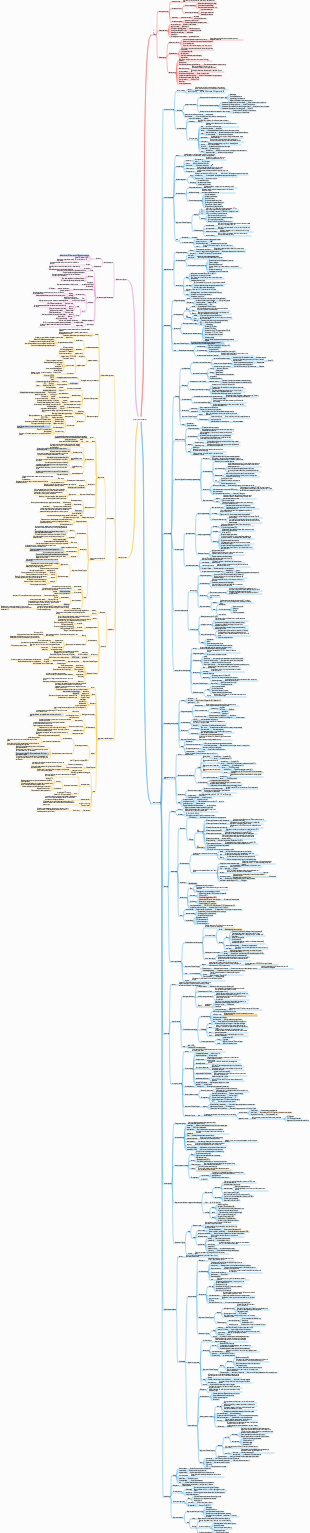
respiratory system
copd
Features
Chronic irreversible persistent airflow limitation (neutrophils, IL-8)
Cause
smoking
Occupational substances chemical dust pollution
air pollution
Infect
hereditary alpha protease deficiency
Tips: Rouge Dye Alpha - Yan Zhi Dye α
pathology
mechanism
inflammatory mechanism
Chronic inflammation of lung tissue, activation and infiltration of inflammatory cells
Protease-Antiprotease Imbalance
Protease damages and destroys tissue. Alpha antitrypsin can resist the damage of lung tissue by protease.
oxidative stress
Destroy biological macromolecules leading to cell dysfunction or death
The formula, salt is not dissolved - inflammation enzyme is transformed
Pathological changes
Small airway disease-chronic bronchitis
Emphysema changes - emphysema
Centrilobular type
terminal bronchioles, respiratory bronchioles
full leaf type
alveolar duct, alveolar sac
Hybrid
Pathophysiology
hypoventilation
Ventilation-blood flow imbalance
Pulmonary capillary damage, some alveoli have no blood vessels
clinical manifestations
symptom
Persistent and recurring cough with phlegm and shortness of breath
physical signs
Barrel-shaped chest, weakened breath sounds, reduced vibrato, and a downward shift in the border between voiceless and heart-voided sounds.
Auxiliary inspection
lung function
severity assessment
Mild FEV%pred≥80%
Moderate FEV%pred79%~50%
Severe FEV%pred49%~30%
Extremely severe FEV%pred<30%
Symptom Assessment (mMRC)
Level 0, difficulty breathing during strenuous exercise
Level 1, walking briskly on flat ground and out of breath
Grade 2, walking slowly (due to difficulty breathing)
Level 3, walk 100 meters (need to stop) to breathe
Level 4, dyspnea affects normal activities and can only sit
Key: 0-violent 1-Walking quickly on level ground 2-walk slowly 3-100 meters 4-Can’t walk
risk assessment
Acute attacks ≥2 times a year
FEV%pred≤50% is high risk, inhaled corticosteroids➕long-acting airway dilator LAMA/LABA
complication
Respiratory failure (type 2) ⊃ coma, pulmonary encephalopathy, blood gas analysis
Cor pulmonale: right heart failure UCG examination
Spontaneous pneumothorax: chest pain, dyspnea, tympani (X-ray examination)
treat
Chronic phase
Bronchodilators
B receptor agonist
Short-acting: SABA terbutaline, albuterol
Long-acting: LABA salmeterol
anticholinergics
Short-acting SAMA ipratropium bromide
Long-acting: LAMA tiotropium bromide
Glucocorticoids
Expectorant: Ambroxol
home oxygen therapy
acute phase
Anti-infection-Antibiotics
Bronchodilators
Low-flow oxygen inhalation 28% to 30%
Glucocorticoids
expectorant
Bronchial Asthma Type I hypersensitivity
Pathogenesis
Airway inflammation (eosinophils, IL-5, IgE)
airway hyperresponsiveness
airway contracture
neuromodulation
Imbalance in airway neuroregulation and abnormal bronchial smooth muscle
Formula, strict and complicated - inflammation and contraction
clinical
symptom
Episodic dyspnea may resolve spontaneously, with wheezing, chest tightness and coughing, worsening at night.
physical signs
Extensive wheezing in both lungs with prolonged expiratory phase
serious
Wheezing weakens or disappears
Pulse paradoxus (pulse asphyxiation)
Abnormal chest and abdominal movements
examine
Pulmonary function tests
bronchial provocation test
bronchodilation test
PEF and its mutation rate
Acute attack grade
Mild
scattered wheezing sound
Lung function and blood gas are normal
Moderate
Diffuse wheezing
Heart rate 100-120, there may be three concave signs
Severe
Strange pulse, respiratory failure
Heart rate >120, breathing >30, anxiety and irritability
critical
Contradictory movements of chest and abdomen
Confusion, drowsiness, coma, slow heart rate
Instructions: Three meters to the chest - Sanya to the chest
treat
Free from allergens
drug
Mitigation category
Short-acting beta-agonists, short-acting anticholinergics, short-acting theophylline, intravenous corticosteroids
Control class
Long-acting beta-agonists, long-acting anticholinergics, extended-release theophylline, inhaled corticosteroids, leukotriene modulators, cromoglycate sodium
acute attack treatment
Mild
intermittent inhalation
Moderate
persistent inhalation
Tip: Two alkali hormones, oxygen therapy and stimulation
Moderate/critical
Rehydration, correction of acidosis, correction of electrolyte imbalance, intravenous injection of aminophylline, oxygen therapy, intravenous injection of glucocorticoids this morning, antibiotics, continuous aerosol inhalation of β2 receptor agonists
Tip: One supplement, two corrections of aminophylline, two agonists for oxygen therapy
bronchiectasis
Cause
Infection Obstruction (verdigris, whooping cough, measles)
clinical
symptom
Repeated coughing, sputum, and hemoptysis (pressure on the left lower lobe, dozens or hundreds of ml of blood, phlegm with four layers of bubbles, sticky, pus, bad) and fixed moist rales in the lungs
Auxiliary inspection
x-ray (preferred)
Honeycomb pattern, curly hair shadow, double track sign, tree bud sign, signet ring sign
High resolution CT diagnosis
treat
control infection
No patina, ampicillin/sulbactam
There are patina, B-lactams (third-generation cephalosporins, triaxone, and tardine)
bronchodilator
Clear airway secretions
Hemoptysis
Phentolamine, pituitaryin (somatostatin for hypertension)
lung abscess
Multiple necrotizing pneumonia <2cm
Cause
Inhalation type (anaerobic bacteria)
Drunken anesthesia/cerebrovascular disease/exhaustion
Bloodborne (Staphylococcus aureus)
Boils, basic disease, lung outer field
secondary()
Bacterial pneumonia, liver abscess/amoeba
clinical manifestations
Chills and high fever
A large amount of thick, smelly phlegm (300-500ml)
Partially coughing up blood
diagnosis
Disorder of consciousness = inhalation type
Infection focus = blood-borne type
physical signs
Chronic >3 months-finger clubbing
examine-
Inhalation type - interventional sputum culture
Blood type - blood culture
subtopic
pulmonary embolism
Cause: Thrombosis, amniotic fluid
Deep vein thrombosis of lower limbs
Mechanism: ventilation/blood flow ratio imbalance
sick student
Difficulty breathing
Right heart failure
Pulmonary infarction (shortness of breath, chest pain, coughing up blood)
clinical manifestations
Dyspnea, chest pain, coughing up blood, P2>A2 (the second heart sound is greater than the first heart sound)
examine
Pulmonary angiography, invasive
CT pulmonary angiography, non-invasive, the most commonly used (most meaningful for diagnosis)
D-2mer, elevated levels suggest thrombosis
treat
Right heart failure, hypotension = thrombolytic therapy (urokinase streptokinase)
No heart failure, normal blood pressure = anticoagulation therapy
acute respiratory distress syndrome ARDS
mechanism
Alveolar severe inflammatory response (TNF/IL-1) hyaline membrane
Refractory hypoxemia (intrapulmonary arteriovenous shunt)
Performance
Respiratory distress, unrelieved by oxygen inhalation
Oxygenation index <300
PAWP<12
treat
Mild: non-invasive ventilation - moderate to severe: intubation and positive end-expiratory pressure ventilation (starting with 5 small doses)
chest trauma
Multiple fractures in multiple places: paradoxical movement (abnormal breathing, indentation of fractures when inhaling) > flail chest
chest strap, pain relief, positive pressure ventilation ventilator
pneumothorax
Manifestations: Sudden chest pain/dyspnea/drumming/respiratory sounds diminished/disappeared/Hammam’s sign
Types
Closed type: small wound - no entry or exit
Light - observation, or closed drainage
Open type: large open wound - there is entry and exit
mediastinal swing
Close and process
Tension type: one-way valve - only in but not out
Subcutaneous emphysema (crepitus, rubbing snow sensation)
chest piercing and extraction
subtopic
subtopic
subtopic
pulmonary hypertension
Pulmonary artery pressure measured by right heart floating catheter >25mmHg
Moderate 36~45
Classification
Arterial (systolic)-idiopathic pulmonary A hypertension
Difficulty breathing/dizziness/chest pain/coughing up blood
P2 hyperactivity/hoarseness
Treatment: Calcium antagonist (nifedipine)/NO/prostacyclin
chronic pulmonary thromboembolism
Caused by lung disease (copd)
cor pulmonale
left side
Right heart failure caused by
pulmonary infectious diseases pneumonia
Classification
anatomical classification
Lobar pneumonia (pulmonary chain)
Caused by alveoli, partial or complete - cellulose exudation, neutropenia, fleshy shock - spreading to the pleura (chest pain)
parenchymal lung inflammation
Lobular pneumonia (Golden Portugal)
Inflammation of the bronchi, bronchi, terminal bronchi, and alveoli
No consolidation
Interstitial pneumonia (mycoplasma/viral, no sputum)
Interstitial inflammation, bronchial wall, peribronchial tissue inflammation
Cause classification
Bacterial
Rust-colored sputum - Streptococcus pneumoniae
Perioral herpes-increased tremor-not hollow
Multidrug-resistant vancomycin
Thick yellow phlegm - Staphylococcus aureus
cavity, fluid-air sac cavity
Brick-red sputum-Klebsiella pneumoniae
leaf gap arc drop
Third generation cephalosporins, aminoglycosides
Air conditioner/humidifier-Legionella
big ring
Stimulated dry cough without sputum, penicillin ineffective - atypical pathogens (mycoplasma)
Anti-agglutination test ( )-various forms of infiltration shadow
Dahuan, red mold, Archie
viral
Chest X-ray/CT ground glass, virus, antibody
disease environment
hospital acquired
48 hours after admission, he got positive Staphylococcus aureus and negative aeruginosa in the hospital.
community acquisition
Infection before admission - positive streptococci negative, negative influenza hemophilia
clinical
symptom
Fever, cough, expectoration
Auxiliary inspection
x-ray-sputum culture
severity
Severe pneumonia
Requires invasive ventilation
five low
Hypothermia, hypotension, low WBC, low Plt, oxygenation index ≤250
Two highs
Shortness of breath, hyperzotaemia
two changes
Azotemia, impaired consciousness
Formula: ventilation, five lows, two highs, two changes
treat
beta lactam
Streptococcus - penicillin, cephalosporin, penicillin semi-synthetic
macrolide
SARS-erythromycin, roxithromycin, azithromycin
Aminoglycoside
Staphylococcus aureus resistance-gentamicin, streptomycin
Metronidazole
Quinolone
Streptococcus Resistance-Ofloxacin
Formula: Peking University Anjiakui——Betamethaquine
tuberculosis
Cause
Mycobacterium tuberculosis
Classification
Primary tuberculosis (children)
Primary syndrome, intrathoracic lymph node tuberculosis-hilar lymphadenopathy, dumbbell shape on chest radiograph, upper lobe step down
Hematogenous tuberculosis (children)
acute miliary tuberculosis
Secondary tuberculosis (adults)
Infiltrative (most common), cavitary (strongly contagious), fibrocavitary (distinguish between tuberculosis and lung cancer), caseous (severe)
develop
primary infection
Tuberculosis immunity, delayed allergy
secondary tuberculosis
pathology
inflammatory effusion
hyperplasia
caseous necrosis
clinical
symptom
Antibiotics are ineffective - cough, phlegm and hemoptysis, low fever, night sweats and fatigue
Auxiliary inspection
x-ray—irregular and uneven
Find bacteria in sputum (Roche), acid-fast stain-diagnosis
treat
in principle
Early, joint, appropriate, regular, whole process
chemotherapeutic drugs
Total fungicide - Isoniazid (H)
Peripheral inflammation
Group A
All Kill-Rifampicin (R)
Hepatotoxicity
Group C
Intracellular hemikiller-pyrazinamide (Z)
High uric acid
Group B
Extracellular hemicidal - streptomycin (S)
Ototoxicity/nephrotoxicity
Bacteriostat-Ethambutol (E)
Optinitis
plan
First treatment (6 months)
2HRZE (first two months»HR
Retreatment (12 months)
2HRZES»HRE
lung cancer
Types
anatomical classification
central type
segmental bronchi, main bronchi
Peripheral type
below bronchus
Pathological classification
non-small cell lung cancer
Squamous cell carcinoma (keratotic beads)
Most common
Adenocarcinoma
Peripheral type, elderly female, non-smoker, with pleural effusion
large cell carcinoma
Small cell carcinoma (daisy-shaped)
The highest degree of malignancy, earliest metastasis, early death, secretion of hormones
clinical
symptom
primary symptoms
Dry cough stimulates choking, hemoptysis with blood in the sputum, shortness of breath and wheezing, fever, and weight loss (obstructive pneumonia)
Tip: Scientific heat transfer - coughing up blood and asthma with heat
Extension to extrathoracic symptoms
Compression causes - chest pain, hoarseness, difficulty swallowing, superior vena cava obstruction syndrome, Horner syndrome (eyeballs/lids, pupils, face without sweating)
Tip: Bronze Teeth Salt Water Combination - Horner for Sore Dumb Throat and Water Blockage
Neuroendocrine causes - pleural effusion, hyponatremia, Cushing's moon face, high calcium, hypertrophy of bones and joints (clubbing of fingers)
Symptoms of extrathoracic metastasis
central nervous system
Headache, nausea, vomiting
skeleton
Bone pain, pathological fracture
abdomen
Metastases to the pancreas, pancreatitis jaundice
Lymph nodes
swollen lymph nodes
examine
Chest X-ray (preferred)
Central hilar shadow
Peripheral mass, spicule sign, lobulated shape
Confirmed
Microscopic biopsy = central type
Percutaneous biopsy under CT = peripheral type
Improving screening: low-dose CT
Micro: CT/MRI
pleural disease
Cause
Increased pleural capillary hydrostatic pressure
heart failure, constrictive pericarditis
Increased pleural vascular permeability
Inflammation (infectious pneumonia, autoimmune inflammation)/cancer, lung
Decreased capillary colloid osmotic pressure
Cirrhosis, nephrotic syndrome
Parietal pleural lymphatic drainage disorder
Iatrogenic
damage
clinical
symptom
Difficulty breathing, Zhongtong cough
physical signs
The chest on the affected side is full, the vibrato is weakened, the percussion is dull, and the breath sounds are weakened and disappear.
Identification of transudate and transudate
leakage fluid leakage fluid
Cause
inflammation
non-inflammatory
Exterior
Turbid, straw yellow or bloody Can solidify by itself
Clear and transparent, colorless Not solidified
proportion
greater than 1.018
less than 1.018
Protein quantification
greater than 30
less than 30
cell counts
Greater than 500×10^6/L
Less than 100×10^6/L
LDH activity
Greater than 200U/L
Less than 200U/L
Glucose measurement
smaller than normal
normal
Classification
Inflammation (tuberculosis pneumonia, SLE.RA) lung cancer
Heart failure/cirrhosis/constriction pericarditis/renal syndrome
Tip: The audience is defeated by the fire soup - Guan Zhong Bai Bai Huo Tang
Differentiation of benign and malignant pleural effusion
Tuberculous pleural effusion
malignant pleural effusion
Cause
tuberculosis
malignant tumor
Predisposing age
young adults
Over 45 years old
Exterior
Grass yellow
bloody
PH
reduce
rise
LDH
Greater than 200U/L
Greater than 500U/L
ADA
Greater than 45U/L
Less than 45U/L
Carcinoembryonic antigen
<20ug/L
>20ug/L
Check: nature of effusion
Bloody-Lung Cancer
Grass green/dark-tuberculosis/rheumatoid
Chyloid-lymphatic obstruction
Odor-anaerobic bacteria
black-mold
Chocolate-Amebic Liver Abscess
chronic pulmonary heart disease
Cause
bronchial, lung disease
copd
Thoracic disease
pulmonary vascular disease
other
mechanism
functional factors
Hypoxia leads to an increase in vasoconstrictor active substances
Hypoxia increases the permeability of smooth muscle cells to Ca and causes vascular smooth muscle contraction (pulmonary arteriolar spasm) - the most important mechanism
↑Hypercapnia has more H and increased vasoconstriction sensitivity
Key Points: Hypoxia, Calcium, H, Contraction
anatomical factors
Recurrent peribronchial inflammation-vasculitis-wall thickening, lumen stenosis, fibrosis, complete occlusion
Emphysema - increased intra-alveolar pressure compressing capillaries - capillary stenosis and occlusion
In situ thrombosis and increased vascular resistance
Key points: vasculitis, compression, thrombosis-wall thickening, stenosis and occlusion remodeling
Increased blood viscosity
secondary erythrocytosis
increased blood volume
Hypoxia - increased aldosterone - water and sodium retention, increased blood volume - increased pulmonary artery pressure
Summary: Functional Anatomy and Two Bloods
clinical
symptom
compensatory period
Cough, phlegm, shortness of breath, shortness of breath and palpitations after activity
decompensation period
respiratory failure, right heart failure
physical signs
compensatory period
varying degrees of cyanosis
Jugular vein filling
P2 hyperactivity
tricuspid systolic murmur
Subxiphoid pulse
Formula: clean fart three buildings - liver and neck P three movements
decompensation period
cyanosis is evident
jugular venous distention
Positive hepatic jugular reflux sign
Lower limb edema
ascites
P2>A2/diastolic gallop
Summary: Left ventricular failure, cyanosis, diastolic gallop Right heart failure, jugular vein, positive, edema, ascites
Auxiliary inspection
x-ray
Right lower pulmonary artery trunk dilation transverse ≥15mm
The ratio of the transverse meridian of the right inferior pulmonary artery to the trachea is ≥1.07
Right lower pulmonary artery widening >2 mm
Pulmonary artery segment elevation ≥3mm
Central pulmonary artery dilation, forming stump sign
electrocardiogram
①Left axis deviation ②Clockwise transposition ③High peak p wave ④Rv₁ Sv₅≥1.05mv⑤V₁R/S>1
treat
control infection
Control respiratory failure
Normal respiratory tract, improve ventilatory function, correct hypoxemia, oxygen therapy
Control heart failure
diuretics
Furosemide
Inotropes (cardiotropes)
vasodilators
respiratory failure
Cause
airway obstructive disease
Lung tissue lesions
pulmonary vasculopathy
heart disease
Thoracic and pleural lesions
neuromuscular disease
Classification
Type 1 respiratory failure
PaO2<60
Pulmonary ventilation dysfunction
Severe pneumonia/interstitial lung disease
Type 2 respiratory failure
Paco2<50#PaO2<60
Pulmonary ventilation dysfunction
COLD/Asthma
Pathophysiology
mechanism
copd
Type 1 - early stage
Ventilation/blood flow imbalance
Type 2-late stage
Insufficient alveolar ventilation
asthma
Type 1 - early stage
Ventilation/blood flow imbalance
Type 2-late stage
Alveolar hypoventilation
interstitial pulmonary disease
diffusion disorder
pulmonary thrombosis
Shortness of breath
Ventilation/blood flow imbalance
acute respiratory distress syndromeards
Shortness of breath
pulmonary arteriovenous shunt
Influence
to central nervous system
CO2 retention anesthesia center - coma, pulmonary encephalopathy. Hypoxia causes brain edema.
to circulatory system
Mild increase in PaCO2 reflexively increases heart rate, enhances myocardial contraction, and increases cardiac output. Severe hypoxia and high CO2 inhibit cardiovascular center
to respiratory system
Hypoxia inhibits the respiratory center, CO2 excites the respiratory center, and >80 inhibits the respiratory center.
renal insufficiency
Digestive tract dysfunction
Respiratory acidosis, electrolyte imbalance
acute respiratory failure
Type 1 high concentration oxygen >35%
chronic respiratory failure
pulmonary encephalopathy
low flow low concentration oxygen inhalation