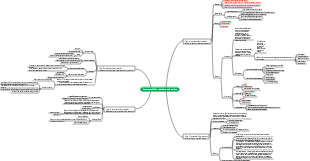
MindMap Gallery Medical Immunology—Hypersensitivity
Hypersensitivity, also known as allergic reaction, refers to the body's abnormal or excessive immune response to certain antigenic substances. There are many types of hypersensitivity reactions, of which type I hypersensitivity reactions are the most common.
Edited at 2023-11-09 12:21:22This is a mind map about bacteria, and its main contents include: overview, morphology, types, structure, reproduction, distribution, application, and expansion. The summary is comprehensive and meticulous, suitable as review materials.

This is a mind map about plant asexual reproduction, and its main contents include: concept, spore reproduction, vegetative reproduction, tissue culture, and buds. The summary is comprehensive and meticulous, suitable as review materials.
This is a mind map about the reproductive development of animals, and its main contents include: insects, frogs, birds, sexual reproduction, and asexual reproduction. The summary is comprehensive and meticulous, suitable as review materials.
This is a mind map about bacteria, and its main contents include: overview, morphology, types, structure, reproduction, distribution, application, and expansion. The summary is comprehensive and meticulous, suitable as review materials.
This is a mind map about plant asexual reproduction, and its main contents include: concept, spore reproduction, vegetative reproduction, tissue culture, and buds. The summary is comprehensive and meticulous, suitable as review materials.
This is a mind map about the reproductive development of animals, and its main contents include: insects, frogs, birds, sexual reproduction, and asexual reproduction. The summary is comprehensive and meticulous, suitable as review materials.
hypersensitivity reaction
Type I hypersensitivity reaction
Features
Mediated by IgE, mast cells and basophils act
Occurs quickly and subsides quickly
Functional disorders occur, but generally no severe tissue and cell damage occurs
Have obvious individual differences and genetic predispositions
Participating ingredients
allergens
certain drugs or chemicals
Penicillin, sulfonamide, procaine, organic iodine compounds, etc.
Mostly haptens → after entering the body and combining with a certain protein, they acquire immunogenicity and become allergens
inhalant allergens
Pollen particles, dust mites or their excrement, fungi or their spores, insects or their venom, animal dander or feathers, etc.
Enzymes
Cysteine proteins, bacterial enzymes, etc. in dust mites
food allergens
Milk, eggs, fish, shrimp, crab and shellfish, etc.
lgE and its receptors
IgE
Produced by plasma cells in the submucosal lamina propria lymphoid tissue of the nasopharynx, tonsils, trachea, and gastrointestinal tract
Allergens activate Th2 to produce IL-4, and IL-5 → induces B cells to undergo IgE class switching and proliferate and differentiate into IgE-producing plasma cells.
Cytophilic antibodies → can bind to FcRI on the surface of mast cells/basophils through their Fc segment without binding to antigen → putting the body in a sensitized state
IgE receptor
FcRI—high affinity receptor
Expressed at high levels in mast cells and basophils
FcRII—low affinity receptor
Widely expressed in various cells
Mast cells, basophils and eosinophils
Mast cells and basophils
common ground
The two are very similar morphologically
High affinity IgEFc receptor (FCERI)
There are basophilic granules in the cytoplasm, which can release biologically active mediators (heparin, leukotrienes, histamine, etc.) after being activated by allergens.
the difference
Mast cells
Mucosal epithelium and subcutaneous connective tissue near blood vessels in the respiratory tract, gastrointestinal tract and urogenital tract
basophils
In peripheral blood, the content is less
eosinophils
Distributed in the mucosal subepithelial tissues of the respiratory tract, digestive tract and urogenital tract
Contains eosinophilic granules that store synthesized cationic proteins, major basic proteins, neurotoxins, peroxidase, and collagenase
The mechanism
Antigen presentation stage
APC takes in allergens, processes them and presents them to Th2 cells through MHC-II.
lgE production stage
Th2 secretes IL4 and provides a second signal for B cell activation, prompting B cells to produce IgE antibodies.
sensitization stage
The IgEFc segment binds to the FcRI receptor on the surface of mast cells/basophils
activation stage
The body is exposed to the allergen again and the antigen binds to the IgEFab fragment
IgE cross-links, thereby allosterizing the Fc segment, activating cells to produce stimulating signals
Inflammatory mediator release stage
degranulation
preformed medium within particles
histamine
kallikrein
eotaxin
Newly synthesized medium after activation
Leukotrienes (LT)
Prostaglandin D2 (PGD2)
Platelet Activating Factor (PAF)
Cytokines IL-4, IL-5 and IL-13, etc.
Effect stage
Original pre-stored medium - rapid phase reaction
Allergen exposure occurs within seconds
lasts for hours
Caused by histamine, prostaglandins
Telangiectasis, increased vascular permeability, smooth muscle contraction, and increased glandular secretion
Mast cells release large amounts of cytokines to promote eosinophil activation
New synthesis medium-delayed phase reaction
4-6 hours of exposure to allergen
lasts for several days
Inflammatory response dominated by infiltration of granulocytes, macrophages, and Th2 cells
Causes of type I hypersensitivity reactions
genetic factors
Certain individuals are susceptible to type I hypersensitivity reactions after exposure to common antigens in the environment—atopic individuals
Related to certain genes, such as 5Q31-33 and 11Q12-13
envirnmental factor
Hygiene hypothesis—Early childhood exposure to relatively unhygienic environments helps protect against atopy and allergic asthma
Common clinical diseases
anaphylaxis
drug anaphylactic shock
Penicillin is the most common, followed by aspirin and non-steroidal anti-inflammatory drugs
Penicillin itself has no immunogenicity, and its degradation product penicillium thiazoleuronic acid + macromolecular protein in the body → complete antigen
Daily operations:
Ready to use
Routine skin test: positive cases are prohibited
Emergency First Aid: Adrenaline
Serum-induced anaphylactic shock
Clinical serum preparations: tetanus antitoxin, diphtheria antitoxin, etc.
local allergic reaction
respiratory allergic reaction
Respiratory allergic reactions caused by inhalation of allergens such as pollen, dust mites, fungi, animal dander, etc.
allergic rhinitis
Allergic asthma—bronchial smooth muscle spasm
Gastrointestinal allergic reaction
Nausea, vomiting, abdominal pain, diarrhea and other symptoms caused by ingested allergens
Those prone to food allergies are deficient in slgA and proteolytic enzymes in the gastrointestinal tract
allergic skin reaction
Includes urticaria, atopic dermatitis (eczema), and angioedema
Caused by drugs, food, intestinal parasites, or other irritants
Contactless
Prevention and control principles
Identify allergens and avoid exposure
Try to identify allergens as much as possible and avoid contact with them again
Detailed medical history (exposure history, allergy history)
Allergen testing
Skin test: penicillin, antitoxin, pollen extract, etc.
desensitization treatment
Xenoimmune serum desensitization therapy
Small amounts and multiple injections at short intervals (antitoxin)
The released bioactive mediators are too small to cause clinical symptoms.
When all sensitization is released, large-dose injection
It can only maintain the curative effect temporarily and will return to the sensitized state after a certain period of time.
Specific allergen desensitization therapy
Pollen, dust mites, etc.
Small doses, long intervals, repeated subcutaneous injections
Induces large amounts of specific IgG or IgA and reduces IgE responses
Induces Treg and Th1 responses, reduces Th2 responses and IgE production
Drug prevention and treatment
Inhibits the synthesis and release of bioactive mediators
Inhibits mediator synthesis-aspirin
Inhibitory mediator release – disodium cromoglycate, epinephrine
antagonistic bioactive mediators
Diphenhydramine, chlorpheniramine, acetyl salicylic acid, etc.
Improve organ response
Adrenaline raises blood pressure
Calcium gluconate, calcium chloride, vitamin C relieve spasms
New immunotherapy
Humanized IgE monoclonal antibody
Inhibits mast cells and basophils
anti-IL-5 antibody
Inhibit IL5 activity and treat eosinophilic syndrome
Recombinant IL-12
Promote Th2 type immunity to Th1 type
DNA vaccines, etc.
Type II hypersensitivity reaction
Features
Production of specific IgG or IgM antibodies in vivo against anti-cell surface and extracellular matrix antigens
Antibodies directly bind to target cell surface antigens, and with the participation of complement, phagocytes, and NK cells → target cells are lysed
Killing causes irreversible damage to cells
The mechanism
participation factors
Predisposing factors—antigens
Normally existing allotype antigens (ABC blood group antigens, RH antigens, HLA antigens)
heterophile antigen
Autoantigens changed by infection or physical and chemical factors
Foreign antigen or hapten adsorbed to cells
effect product
Antibody
IgG (mainly IgG1, IgG2 or IgG3 and IgM, with a small amount of IgA
cell
Mononuclear cells - phagocytes, NK cells
complement
damage mechanism
activate complement
After IgM or IgG binds to target cell surface antigens, it activates the classical complement pathway and kills target cells.
opsonization phagocytosis
Activation of phagocytosis through Fc receptors or complement receptors on the surface of phagocytes
ADCC
The IgG antibody binds to target cells, and its Fc segment binds to the Fc receptor on NK cells to mediate cell killing.
Common clinical diseases
transfusion reaction
IgM
hemolytic disease of newborn
autoimmune hemolytic anemia
Drug ingredients or viral infection → change the surface components of red blood cell membrane → stimulate the body to produce antibodies → dissolve red blood cells
drug-allergic cytopenia
A variety of drugs bind to blood cell membrane proteins or plasma proteins → stimulate the body to produce antibodies
Red blood cells—drug-induced hemolytic anemia
Granulocytosis - granulocytopenia
Platelets—thrombocytopenic purpura
Pulmonary hemorrhage-nephritis syndrome
Viruses, drugs, organic solvents, etc. damage the alveolar basement membrane → induce the body to produce IgG against non-collagen NC1 protein → the antibody binds to the shoulders of the alveolar and glomerular basement membrane causing secondary damage → leading to pulmonary hemorrhage and nephritis
40% related to smoking
Hyperthyroidism and myasthenia gravis
Type III hypersensitivity reaction
Features
Medium-sized soluble immune complexes (ICs) deposited on local or systemic capillary basement membranes
Activated complement platelets basophils neutrophils
Causes congestion, edema, local necrosis, and neutrophil infiltration
Cause inflammatory response and tissue damage
Tissue damage caused by immune complex deposition
The role of complement
Produce anaphylatoxins, degranulate mast cells and basophils, release histamine and other mediators, and attract neutrophils
neutrophils
Local neutrophils accumulate and release proteolytic enzymes and other substances, causing damage to the vascular basement membrane and surrounding tissues.
The role of platelets
Platelet activation produces 5-hydroxytryptamine and other substances, causing local congestion and edema.
The mechanism
Common clinical diseases
local immune complex disease
Arthus reactions and Arthus-like reactions
include
Arthus reaction (experimental local allergic reaction)
Rabbits were repeatedly injected subcutaneously with horse serum → after 4 to 6 injections, severe inflammatory reactions such as edema, hemorrhage and necrosis occurred at the injection site.
Arthus-like reaction
After repeated injections of insulin, diabetic patients develop symptoms similar to Arthus reaction at the injection site.
mechanism
The first few injections stimulate the body to produce large amounts of antibodies
When the same antigen is injected again, the antigen-antibody complex meets the blood vessel wall and forms a precipitated immune complex, which is deposited on the basement membrane of the venule wall, leading to necrotizing vasculitis or even ulcer.
acute systemic immune complex disease
serum sickness
antigen
Serum preparations: tetanus antitoxin, diphtheria antitoxin, various snake venom antitoxins, and antilymphocyte globulin (ATG)
Drugs: monoclonal antibodies, penicillin, sulfonamides
symptom
Fever, rash, lymphadenopathy, joint swelling and pain, transient proteinuria
It is self-limiting and symptoms will subside on their own after stopping the injection.
Glomerulonephritis due to streptococcal infection
mechanism
Group A hemolytic streptococcus infection, the body produces antibodies streptococcal antibodies
Antibodies form IC with streptococcal antigens and are deposited on the glomerular basement membrane, causing renal inflammation and tissue damage.
symptom
Red to brown urine, proteinuria, edema, hypertension, and acute kidney injury
chronic systemic immune complex disease
rheumatoid arthritis
systemic lupus erythematosus
mechanism
Nuclear substances (such as DNA, RNA, nuclear soluble proteins) stimulate the body to produce anti-nuclear antibodies, forming IC
IC is deposited in capillaries, joint synovium, heart valves, etc. throughout the body, causing systemic damage, acute and chronic inflammation, and tissue necrosis.
symptom
Systemic symptoms, specific skin lesions (lupus), lupus nephritis, rheumatic heart disease, hemolytic anemia, lymphopenia and thrombocytopenia, etc.
Type IV hypersensitivity reaction
Features
Appears 24-72 hours later after re-exposure to the same antigen by effector T cells
Inflammatory response dominated by mononuclear cells (monocytes, lymphocytes, etc.), Th1, Th17 and CTL infiltration and tissue damage
participation factors
antigen
Intracellular bacteria, viruses, fungi, parasites and cell antigens (such as tumor antigens and transplanted cells), etc.
certain chemicals
effector cells
Th1 and Th17
Mediates inflammatory damage
CTL
Cytotoxicity
mononuclear cells
Secrete inflammatory factors and cause chronic inflammation
mechanism
T cell sensitization stage
Stages of action of effector cells
release lymphokines
Macrophages activate and release lysosomal enzymes.
CTL effect
DTH can subside on its own after the antigen is cleared
If the antigen persists, it can lead to chronic activation of monocytes/macrophages and the occurrence of fibrosis and granuloma in local tissues.
clinical disease
tuberculosis
contact dermatitis
contact delayed hypersensitivity dermatitis
Contact dermatitis can occur in some individuals when exposed to paints, dyes, cosmetics, pesticides, drugs, or certain chemicals
Autoimmune diseases caused by T cells
multiple sclerosis
inflammatory bowel disease
psoriasis
type 1 diabetes