MindMap Gallery Hypersensitivity diseases and their immune detection
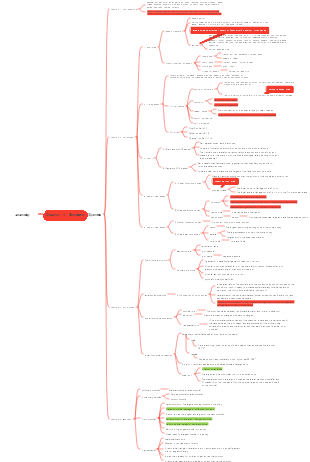
This is a mind map about hypersensitivity diseases and their immune detection. Hypersensitivity diseases are caused by factors such as drugs, food, allergens, immune active cells, and cytokines. The immune system responds to allergens. Diseases caused by abnormal immune responses.
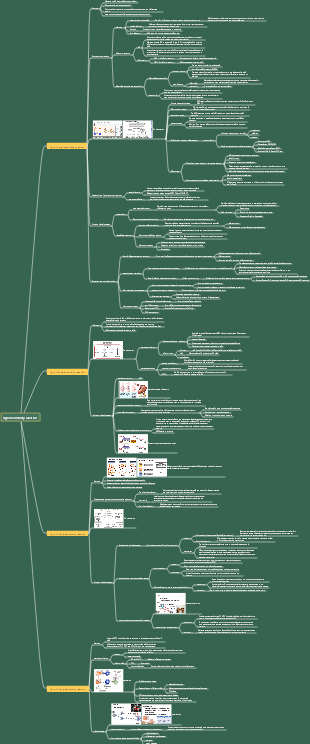
Edited at 2024-03-04 15:03:28This is a mind map about bacteria, and its main contents include: overview, morphology, types, structure, reproduction, distribution, application, and expansion. The summary is comprehensive and meticulous, suitable as review materials.

This is a mind map about plant asexual reproduction, and its main contents include: concept, spore reproduction, vegetative reproduction, tissue culture, and buds. The summary is comprehensive and meticulous, suitable as review materials.
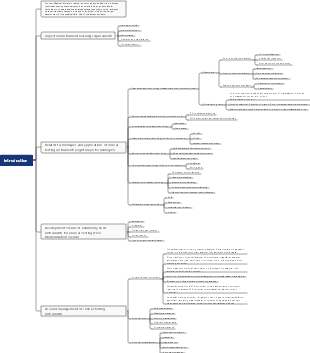
This is a mind map about the reproductive development of animals, and its main contents include: insects, frogs, birds, sexual reproduction, and asexual reproduction. The summary is comprehensive and meticulous, suitable as review materials.
This is a mind map about bacteria, and its main contents include: overview, morphology, types, structure, reproduction, distribution, application, and expansion. The summary is comprehensive and meticulous, suitable as review materials.
This is a mind map about plant asexual reproduction, and its main contents include: concept, spore reproduction, vegetative reproduction, tissue culture, and buds. The summary is comprehensive and meticulous, suitable as review materials.
This is a mind map about the reproductive development of animals, and its main contents include: insects, frogs, birds, sexual reproduction, and asexual reproduction. The summary is comprehensive and meticulous, suitable as review materials.
Hypersensitivity reactions and testing
Type I hypersensitivity reaction (allergic reaction, allergic reaction)
Features:
①The reaction occurs quickly and subsides quickly
②Mainly causes physiological dysfunction, rarely causing damage to tissue cells
③Mediated by specific IgE-type antibodies without complement involvement
④Have obvious individual differences and genetic tendencies
allergic reaction
systemic allergic reaction
Drug-induced shock (penicillin, procaine)
Serum Anaphylactic Shock (Tetanus Antitoxin, Diphtheria Antitoxin)
local allergic reaction
Respiratory allergies: allergic rhinitis, bronchial asthma
Gastrointestinal allergies: allergic gastroenteritis
Skin allergies: urticaria, eczema, angioedema
stage
sensitization stage
excitation stage
Effect stage
Detection
In vivo testing
Skin test: When the allergen enters the skin of the sensitized person through skin pricks, scratches, intradermal injection, etc., it combines with the specific IgE adsorbed on mast cells or basophils, resulting in the formation of mast cells or basophils. Degranulation releases bioactive media
Provocation test: simulates naturally occurring conditions and uses a small amount of allergen to cause a mild allergic reaction to determine the allergen.
Non-specific: use histamine for aerosol inhalation to observe the sensitivity of patients with type I hypersensitivity reactions
Specificity: Experiments with specific antigens can be classified according to the site of disease
food triggers
bronchial provocation
Nasal mucosal irritation
drug stimulation
Live stimulation
Result analysis
Factors affecting false positives
Allergen triggers are acidic or alkaline
dermatographism
Allergens are impure and contaminated
Too much allergen injection
Factors affecting false negatives
Allergen failure
Low skin reactivity
Use antihistamines
Too little allergen dosage
In vitro testing
Total IgE
ELISA
Immunoturbidity
chemiluminescence immunoassay
Specific IgE
radioimmunoassay
Western blot
luciferase immunoassay
IgG4
ELISA
radioimmunoassay
Immunoturbidity
cell degranulation
Tryptase assay (short half-life, must be 3
Eosinophil degranulation assay (early stage) ~ detection within hours
Basophil degranulation assay (late stage)
Type II hypersensitivity reaction (cytolytic type, cytotoxic type)
Characteristics: After the IgG or IgM antibody binds to the corresponding antigen on the target cell surface, it causes an immune response mainly involving cell lysis or tissue damage with the participation of complement, phagocytes, and NK cells.
Participating substances:
Target cells, surface antigens
Antibodies: IgG, IgM
mechanism
complement-mediated autolysis
Macrophage phagocytosis
ADCC (antibody-dependent cell-mediated cytotoxicity)
Stimulate or inhibit target cells
Detection
Anti-blood cell test
Antiglobulin test: Antiglobulin test (Coombs) (used to detect incomplete antibodies IgG)
Microcolumn gel method: based on gel filtration, Ag-Ab reaction, anti-globulin test, centrifugation technology (easy to standardize)
Polybrene method: Polybrene neutralizes the negative charges on the surface of red blood cells, shortens the distance between cells, and forms reversible non-specific agglutination, allowing IgG to directly agglutinate red blood cells. Low-ion media can promote the binding of incomplete antibodies to corresponding antigens on red blood cells (can exclude false positives caused by non-immune aggregation)
Enzyme media method: After adding enzyme media, the sialic acid glycopeptides on the surface of red blood cells are destroyed, the negative charge on the cell surface is reduced, and the repulsive force between cells is reduced and the distance is reduced, which is conducive to the connection of incomplete IgG antibodies at the antigen points of the two red blood cells (the most sensitive Difference)
Autoantibody detection: indirect immunofluorescence assay
Type IV hypersensitivity reaction (delayed type hypersensitivity reaction)
participation factor
Intracellular parasites, chemicals, drugs
Related cells: T lymphocytes, monocytes, lymphocytes
Mechanism: The combination of effector T cells with specific antigens causes monocyte and lymphocyte infiltration and tissue damage. It has nothing to do with antibodies and complement, and the process is slow.
Pathogenic
contact dermatitis
transplant rejection
Detection: Skin test: Allergen enters the sensitized body, and the sensitized T cells are exposed to the allergen again to release a variety of factors, causing an inflammatory reaction mainly involving monocyte and lymphocyte infiltration.
tuberculin skin test
patch test
clinical significance
Looking for allergens
Tuberculin skin test: ① observe vaccine effect; ② rule out tuberculosis infection; ③ understand immune function
Infectious Disease Diagnosis
Type III hypersensitivity reaction (Immune complex type hypersensitivity reaction)
participation factor
neutrophils
Antibodies: IgG, IgM, IgA
antigen
Endogenous: denatured IgG, toxic cells
Exogenous: parasites, pathogenic bacteria, viruses
Formation mechanism
Macromolecules → engulfed by phagocytes
Medium molecule → difficult to remove, sensitizing
Small molecules → glomerular filtration
Pathogenic
local immune complex disease
Arthus reaction: reaction caused by repeated injection of sheep red blood cells into rabbits
Arthus-like reaction: reaction produced by injection of penicillin, insulin, antitoxin, and rabies vaccine in humans
systemic immune complex disease
serum sickness
rheumatoid arthritis
SLEsystemic lupus erythematosus
Detection: CIC (circulating immune complex) is common in infectious diseases and autoimmune diseases. It reflects the severity of the disease and the effect of treatment, but it is of little significance and needs to be rechecked after a few weeks.
Specific methods (not commonly used)
non-specific methods
Physical method: PEG turbidimetric method, solubility principle, does not destroy physical and chemical properties, and has low sensitivity
Chemical method: C1q solid phase test, combined with C1q principle, high sensitivity
Antiglobulin method: mRF solid phase inhibition test, combined with RF principle
Cell method: Raji cell test, complement receptor principle