MindMap Gallery Medical Laboratory Technology-Introduction
Medical laboratory testing is a comprehensive discipline that uses techniques such as chemical pathology, cytopathology, and molecular pathology to observe, analyze, and measure various macro, micro, and even trace substances in human blood and body fluids. It is also the fastest growing medical field at present. one of the disciplines.
Edited at 2023-11-25 10:46:06This is a mind map about bacteria, and its main contents include: overview, morphology, types, structure, reproduction, distribution, application, and expansion. The summary is comprehensive and meticulous, suitable as review materials.

This is a mind map about plant asexual reproduction, and its main contents include: concept, spore reproduction, vegetative reproduction, tissue culture, and buds. The summary is comprehensive and meticulous, suitable as review materials.
This is a mind map about the reproductive development of animals, and its main contents include: insects, frogs, birds, sexual reproduction, and asexual reproduction. The summary is comprehensive and meticulous, suitable as review materials.
This is a mind map about bacteria, and its main contents include: overview, morphology, types, structure, reproduction, distribution, application, and expansion. The summary is comprehensive and meticulous, suitable as review materials.
This is a mind map about plant asexual reproduction, and its main contents include: concept, spore reproduction, vegetative reproduction, tissue culture, and buds. The summary is comprehensive and meticulous, suitable as review materials.
This is a mind map about the reproductive development of animals, and its main contents include: insects, frogs, birds, sexual reproduction, and asexual reproduction. The summary is comprehensive and meticulous, suitable as review materials.
introduction
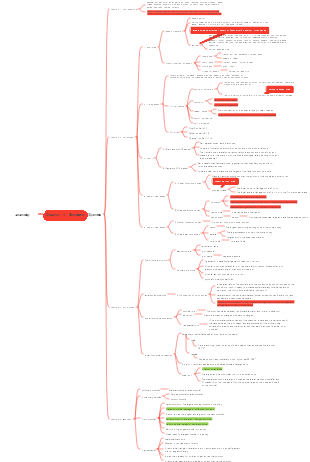
Concept: Medical laboratory testing is a comprehensive discipline that uses techniques such as chemical pathology, cytopathology, and molecular pathology to observe, analyze, and measure various macro, micro, and even trace substances in human blood and body fluids. It is also the current development of the medical field. One of the fastest subjects.
Inspection instrument learning requirements
working principle
structural function
Performance
Operation and maintenance
Clinical application
Related technologies and applications of clinical testing instruments (eight major technologies)
Spectral analysis technology (cheapest and most commonly used)
Classification
Absorption spectrum analysis
UV-Visible Spectrum
Infrared light spectrum
Atomic absorption spectroscopy
Emission spectrum analysis
flame spectrum
Atomic emission spectrum
Fluorescence spectrophotometer
Scattering spectrum analysis
Transmission turbidimetry
Nephelometry
Clinical testing items
Absorption spectrum: analysis and determination of metal elements, such as zinc, magnesium, copper, etc. in blood Determination of content.
Emission spectrum: Detection of vitamin B with fluorescence spectrophotometer
Scattering spectroscopy: Determination of proteins in serum/plasma and urine.
Electrochemical analysis technology (most sensitive)
ISE ion selective electrode
ECLIA electrochemiluminescence immunoassay
chromatographic analysis technology
gas phase
liquid phase
Mass spectrometry technology (millions of instruments)
GC-MS
LC-MS
tandem mass spectrometry
electrophoresis analysis technology
Cellulose acetate film electrophoresis
Agarose/polyacrylamide electrophoresis
capillary electrophoresis
Flow cytometry technology (millions of instruments)
Analytical
Sorting type
Labeled immunoassay technology
Fluorescent immunolabeling
radionuclide labeling
enzyme immunolabeling
Chemiluminescence immunolabeling
Electrochemiluminescence immunolabeling
Molecular biology technology
PCR
Sequencing
molecular hybridization
biochip
Development Trends of Commonly Used Instruments for Clinical Testing (Five Modernization Trends)
automation
Integration
Full laboratory automation
miniaturization
High-throughput quantification
Use and management of clinical testing instruments
Commonly used instruments
Clinical examination: urine dry chemistry analyzer, fully automatic urine analysis system, urine formed component analyzer, fully automatic stool analyzer
Blood transfusion: blood cell analyzer, flow cytometer, coagulation analyzer, automated blood type identification instrument, micro-column gel card blood matching instrument
Microorganisms: microbial identification drug susceptibility analyzer, fully automatic blood culture instrument
Immunity: fully automatic immunoassay system, microplate reader, plate washer
Biochemistry: Fully automatic biochemistry analyzer
Molecules: conventional PCR instrument, nucleic acid extraction instrument, real-time fluorescence PCR instrument, gene sequencer, electrophoresis instrument
General laboratory equipment: refrigerators, centrifuges, constant temperature equipment, laboratory water preparation systems, biological safety cabinets, clean benches, thermometers, optical microscopes, balances, pipettes
Instrument use
daily maintenance
Weekly maintenance
Monthly maintenance
Quarterly maintenance
Annual maintenance
Instrument management
Technical Information
create file
Usage records
Performance calibration
Instrument scrapped