MindMap Gallery High school physics knowledge system
This is a mind map about high school physics knowledge system, including mechanics, kinesiology, Dynamics etc. Hope this helps!
Edited at 2023-11-27 17:15:51This is a mind map about bacteria, and its main contents include: overview, morphology, types, structure, reproduction, distribution, application, and expansion. The summary is comprehensive and meticulous, suitable as review materials.

This is a mind map about plant asexual reproduction, and its main contents include: concept, spore reproduction, vegetative reproduction, tissue culture, and buds. The summary is comprehensive and meticulous, suitable as review materials.
This is a mind map about the reproductive development of animals, and its main contents include: insects, frogs, birds, sexual reproduction, and asexual reproduction. The summary is comprehensive and meticulous, suitable as review materials.
This is a mind map about bacteria, and its main contents include: overview, morphology, types, structure, reproduction, distribution, application, and expansion. The summary is comprehensive and meticulous, suitable as review materials.
This is a mind map about plant asexual reproduction, and its main contents include: concept, spore reproduction, vegetative reproduction, tissue culture, and buds. The summary is comprehensive and meticulous, suitable as review materials.
This is a mind map about the reproductive development of animals, and its main contents include: insects, frogs, birds, sexual reproduction, and asexual reproduction. The summary is comprehensive and meticulous, suitable as review materials.
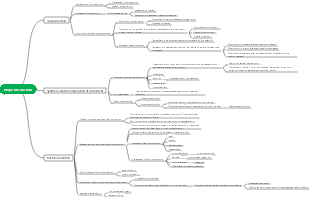
High school physics knowledge system
Mechanics
Newton's three laws
law of inertia
The object remains in its original state of motion
Unless acted upon by external force
law of acceleration
The force on an object is proportional to its mass
Proportional to its acceleration
Law of Action and Reaction
Action force and reaction force are equal in magnitude
opposite direction
Act on the same straight line
Synthesis and decomposition of force
parallelogram rule
Combine two forces into one
Decompose the resultant force into two components
triangle rule
Combine three forces into one
Decompose the resultant force into three components
Friction
static friction
The friction force produced when an object is relatively stationary
Size is proportional to pressure
The direction is opposite to the relative movement trend
sliding friction
The friction force produced when objects slide relative to each other
The size is proportional to the pressure and friction coefficient
The direction is opposite to the direction of relative motion
Kinesiology
Displacement
The vector difference of an object moving from one position to another
The size is equal to the distance between the start point and the end point
Direction from starting point to end point
speed
The displacement of an object in unit time
The magnitude is equal to the ratio of displacement to time
The direction is the same as the displacement direction
acceleration
rate of change of object speed
The magnitude is equal to the ratio of the change in velocity to time
The direction is the same as the direction of the speed change
Uniform linear motion
The object moves in a straight line with a constant velocity
Displacement is proportional to time
Speed has nothing to do with time
Uniform speed linear motion
An object moving in a straight line with constant acceleration
Displacement is proportional to the square of time
Speed is proportional to the square root of time
dynamics
Newton's second law
The force on an object is proportional to its mass
Proportional to its acceleration
The direction is the same as the acceleration direction
momentum
The product of an object's mass and velocity
Size is equal to the product of mass and velocity
The direction is the same as the speed direction
Impulse
product of force and time
The magnitude is equal to the product of force and time
The direction is the same as the direction of the force
momentum theorem
The impulse experienced by an object is equal to the change in its momentum
The direction is the same as the direction of the change in momentum.
law of conservation of momentum
The sum of the momentum of all objects in the system remains constant
The sum of the momentum changes of all objects in the system is zero
work and energy
achievement
The product of the displacement produced by a force on an object
The magnitude is equal to the product of the displacement produced by the force on the object
The direction is the same as the displacement direction
power
work done per unit time
The magnitude is equal to the ratio of work to time
The direction is the same as the direction of work
kinetic energy
The energy an object has due to its motion
The size is equal to half the product of the object's mass and its velocity squared
The direction is the same as the speed direction
potential energy
The energy an object has due to its position
The size is equal to half the product of the object's mass and height
The direction is the same as the height direction
Mechanical energy
The energy an object has due to its motion and position
The size is equal to the sum of the object's kinetic energy and potential energy
The direction is the same as the direction of kinetic and potential energy
momentum
law of conservation of momentum
The sum of the momentum of all objects in the system remains constant
The sum of the momentum changes of all objects in the system is zero
collision
The process of interaction between objects
Conservation of momentum
Conservation of energy
explode
Violent chemical reactions occur inside objects
Conservation of momentum
Conservation of energy
vibrations and waves
simple harmonic motion
The object makes reciprocating motion near its equilibrium position
cyclical
amplitude
frequency
Phase
Wave
Propagation of vibrations in media
wavelength
frequency
Wave speed
Phase
mechanical wave
waves produced by mechanical vibrations
Longitudinal wave
The direction of vibration is the same as the direction of propagation
The direction of particle vibration is the same as the direction of propagation
transverse wave
The vibration direction is perpendicular to the propagation direction
The direction of particle vibration is perpendicular to the direction of propagation
electromagnetic waves
waves produced by electromagnetic oscillations
light wave
visible light
infrared
UV rays
radio waves
radio
television
radar
Electricity
charge
The amount of charge carried by an object
positive charge
proton
electronic
negative charge
electronic
current
directional movement of charge
The magnitude is equal to the amount of charge passing through per unit time
The direction is the same as the direction in which the charge moves
resistance
The property of hindering the passage of electric current
The magnitude is equal to the ratio of voltage to current
The direction is the same as the voltage direction
Voltage
Potential difference
The magnitude is equal to the potential difference
The direction is the same as the direction of the potential difference
capacitance
ability to hold charge
The magnitude is equal to the ratio of charge to voltage
The direction is the same as the voltage direction
inductance
Properties that hinder current changes
The magnitude is equal to the ratio of the change in current to the change in voltage
The direction is the same as the direction of voltage change
Electromagnetism
electric field
The electric field that exists around a charge
The magnitude is equal to the reciprocal of the charge and the square of the distance.
The direction is the same as the direction of the charge
magnetic field
The magnetic field that exists around an electric current
The magnitude is equal to the reciprocal of the current and the square of the distance.
The direction is the same as the direction of current
Electromagnetic induction
A changing magnetic field creates an electric field
The magnitude is equal to the changing magnetic field and the reciprocal of the distance squared
The direction is the same as the direction of the changing magnetic field
electromagnetic waves
waves produced by electromagnetic oscillations
light wave
visible light
infrared
UV rays
radio waves
radio
television
radar
Optics
propagation of light
Light travels at the speed of light in a vacuum
Light travels at different speeds in different media
reflection of light
Light reflects at the interface of two media
The angle of incidence is equal to the angle of reflection
refraction of light
Refraction of light when it passes from one medium into another
The angle of refraction is related to the angle of incidence and the refractive index
interference of light
The superposition of two columns of light waves produces interference.
The spacing of interference fringes is related to wavelength and optical path difference
diffraction of light
Diffraction occurs when light passes through a slit or aperture
The spacing of the diffraction fringes is related to the wavelength and the size of the slit or aperture
Thermal
temperature
A measure of how hot or cold an object is
The size is equal to the average kinetic energy of thermal motion of the molecules of the object
The direction is the same as the direction of thermal motion of molecules
First law of thermodynamics
The heat absorbed by all objects in the system is equal to the work done by all objects in the system
The heat absorbed by all objects in the system is equal to the change in internal energy of all objects in the system
second law of thermodynamics
Heat cannot transfer spontaneously from a low-temperature object to a high-temperature object
third law of thermodynamics
Absolute zero is unreachable
Atomic Physics
Atomic structure
Atoms are composed of nuclei and electrons
The nucleus is composed of protons and neutrons
Electrons orbit outside the nucleus
nuclear reaction
The process by which atomic nuclei interact with atomic nuclei or particles
Fission
The heavy atomic nucleus is split into several smaller nuclei after being hit
generate large amounts of energy
fusion
Light nuclei combine to form a heavier nucleus
generate large amounts of energy
radioactivity
Atomic nuclei spontaneously emit particles or energy
alpha decay
The nucleus emits an alpha particle
create a new nucleus
beta decay
The nucleus emits a beta particle
create a new nucleus
gamma decay
The nucleus emits a gamma photon
create a new nucleus
Physics experiment
experimental method
Control Variable
Keep other variables unchanged
Study the impact of a variable
conversion method
Convert difficult-to-measure quantities into easily measurable quantities
Study the nature of physical phenomena
equivalent substitution method
Replace the original experimental device with an equivalent experimental device
Study the nature of physical phenomena
laboratory apparatus
balance
Measurement quality
Precautions for use
spring dynamometer
Measuring force
Precautions for use
thermometer
measure temperature
Precautions for use
barometer
Measure air pressure
Precautions for use
Experimental safety
Follow laboratory rules
Pay attention to experimental safety
Correctly handle experimental accidents;