MindMap Gallery Nursing 11 Functional Monitoring and Assessment of Critically Ill Patients
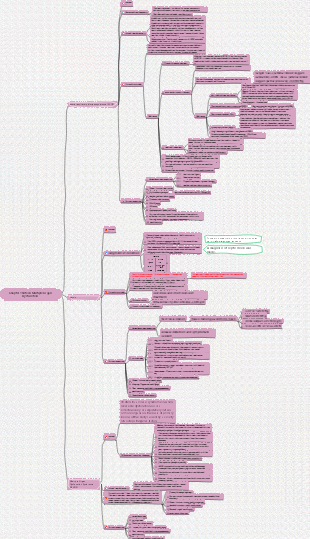
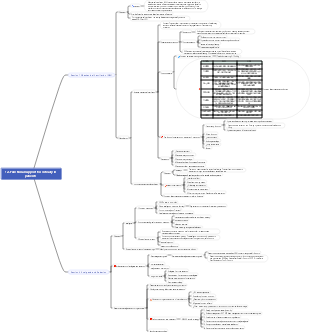
This is a mind map about the functional monitoring and evaluation of critically ill patients during the National Day, including respiratory system function monitoring and evaluation, circulatory system function monitoring and evaluation, etc.
Edited at 2023-11-25 17:39:15This is a mind map about bacteria, and its main contents include: overview, morphology, types, structure, reproduction, distribution, application, and expansion. The summary is comprehensive and meticulous, suitable as review materials.

This is a mind map about plant asexual reproduction, and its main contents include: concept, spore reproduction, vegetative reproduction, tissue culture, and buds. The summary is comprehensive and meticulous, suitable as review materials.
This is a mind map about the reproductive development of animals, and its main contents include: insects, frogs, birds, sexual reproduction, and asexual reproduction. The summary is comprehensive and meticulous, suitable as review materials.
This is a mind map about bacteria, and its main contents include: overview, morphology, types, structure, reproduction, distribution, application, and expansion. The summary is comprehensive and meticulous, suitable as review materials.
This is a mind map about plant asexual reproduction, and its main contents include: concept, spore reproduction, vegetative reproduction, tissue culture, and buds. The summary is comprehensive and meticulous, suitable as review materials.
This is a mind map about the reproductive development of animals, and its main contents include: insects, frogs, birds, sexual reproduction, and asexual reproduction. The summary is comprehensive and meticulous, suitable as review materials.
11 Functional monitoring and evaluation of critically ill patients
Respiratory system function monitoring and assessment
Monitoring points
一、 Respiratory rate (RR)
Normal adult: 10~18 times/min;
In children, the rate increases with age
About 18 times/min for an 8-year-old child
1 year old: 25 times/min
Newborn 40 times/min
Respiratory dysfunction: adult breathing <6 times/min or >35 times/min
二、 Common abnormal breathing types
Deep and shallow irregular breathing
sighing breathing
Breathing like cicadas
nodding breathing
tidal breathing
snoring breathing
asthmatic breathing
tight breathing
三、 Inhalation-to-exhalation ratio of the respiratory cycle
Normal inhalation-to-exhalation ratio: 1: (1.5~2)
Common monitoring techniques
Pulse oximeter (SpO2) monitoring
End tidal carbon dioxide (ETCO2) monitoring
arterial blood gas monitoring
Circulatory system function monitoring and assessment
Monitoring points
1. Hemodynamic monitoring
Non-invasive monitoring
Invasive monitoring
Invasive arterial pressure monitoring
Midline venous pressure (CVP) monitoring
Reflects right ventricular systolic preload
Normal value: 5~12cmH2O
<2~5cmH2O indicates poor right atrial filling or insufficient blood volume.
>15~20cmH2O indicates poor right heart function or blood volume overload
2. EKG monitoring
Common monitoring techniques
1. arterial catheterization
2. deep venous puncture catheterization
Steps
Position the patient: For subclavian vein puncture, try to take the supine position with the head lowered 15°.
3. Invasive arterial pressure monitoring
If the ALLen test is positive, do not perform ipsilateral radial artery puncture manometry.
Steps
Zero adjustment of pressure gauge: set the pressure sensor position (zero position)
In the supine position, it is equivalent to the level of the mid-axillary line of the fourth intercostal space.
When lying on the side, it is equivalent to the level of the 4th intercostal space on the right edge of the sternum
Commonly used assessment methods
cardiac function assessment
Volume response assessment
Assessment of malignant arrhythmias
Nervous system function monitoring and assessment
Monitoring points
Dynamic monitoring of nervous system signs
state of consciousness
Eye signs
nerve reflex
Posture and muscle tone
Motor function
Intracranial pressure (ICP) monitoring
Normal: 5~15mmHg
Increased intracranial pressure: more than 15mmHg
Digestive system function monitoring and assessment
Monitoring points
Liver function monitoring
Clinical symptom monitoring
Jaundice (the main manifestation of liver dysfunction)
Bile pigment, bilirubin ðYellow discoloration of skin, mucous membranes, and sclera
Ascites (the most significant clinical manifestation of liver decompensation)
Mental status and consciousness monitoring
Hepatic encephalopathy: disturbance of consciousness, abnormal behavior and coma
Commonly used monitoring indicators
Serum enzymology monitoring
Serum bilirubin monitoring (metabolic function)
Normal range of serum total bilirubin: 3.4~17.1mmol/L
Blood ammonia monitoring (hepatic encephalopathy)
Normal: 18~72mmol/L
Coagulation function monitoring
Serum protein monitoring (liver synthetic function)
Serum total protein (TP): 60~80g/L
Serum albumin (ALB): 40~50g/L
Serum globulin: 15~32g/L
Gastrointestinal function monitoring
Monitoring of gastrointestinal symptoms
Feeding intolerance syndrome (feeding intolerance, FI)
Gastric residual volume (GRV)
Monitor every four hours
GRV>500ml/6h
Delayed gastrointestinal nutrition
GRV<250ml
Enteral nutrition should be continued
GRV>250ml
Suspend enteral nutrition for 2 to 8 hours, and then continue feeding according to the original plan. If the next monitoring time is still greater than 250ml, stop feeding and treat the patient as enteral nutrition intolerance.
Intra-abdominal pressure (IAP)
Normal person: 0~5mmHg
Recommended labeling method for monitoring IAP: transvesical measurement technique
Intra-abdominal hypertension (IAH)
The patient's IAP≥12mmHg is measured at least twice within 6 hours
main performance
Abdominal distension, abdominal muscle tone, hypotension, increased airway pressure, hypercapnia, and oliguria
Grading
I. Level: 12~15mmHg
II. Level: 16~20mmHg
III. Level: 21~25mmHg
IV. Grade:>25mmHg
abdominal compartment syndrome (ACS)
Refers to the continued increase in IAP, with three IAP measurements exceeding 20mmHg within 4 to 6 hours and/or two measurements of intraperitoneal perfusion pressure less than 50mmHg within 6 hours, and new tracheal dysfunction occurring.
IAH and ACS are associated with severe morbidity and mortality,
Liver function assessment
Liver function grade
Disadvantages: not simple enough
Hepatic encephalopathy staging
Gastrointestinal function assessment
Urinary system function monitoring and assessment
Monitoring points
Glomerular function monitoring (cannot be measured directly, but can be reflected indirectly)
Serum creatinine (SCr)
Whole blood creatinine is normal: 88.4~176.8mmol/L
SCr concentration ð Glomerular filtration rate (GFR) ¯
Blood urea nitrogen (BUN)
Normal: 3.2~7.1mmol/L
The degree of increase in BUN is directly proportional to the degree of renal function damage and is helpful in diagnosing renal insufficiency.
endogenous creatinine clearance
Important indicators reflecting glomerular filtration function
Normal for adults: 80~120ml/min
When it drops below 80% of the normal value, glomerular function decreases
Reduce to 51~70ml/min: mild
Reduce to 31~50ml/min: moderate
Reduce to 30ml/min: severe
Renal tubular function monitoring
Urine specific gravity monitoring
Normal urine specific gravity: 1.010~1.025
High specific gravity urine: >1.025
Low specific gravity urine: <1.010
Urine osmolality measurement
Normal: 600~1000mOsm/L
Plasma osmotic pressure is normal: 280~310mOsm/L
Urine/blood osmolality ratio: 2.5±0.8
In acute renal failure, urine osmotic pressure is close to plasma osmotic pressure, and the ratio decreases and can be less than 1.1
Assessment of pain, sedation, and delirium
pain assessment
Patient's main complaint: golden indicator
method
visual analogue scale (VAS)
Numeric rating scale (NRS)
Facial pain scale (FPS)
Sedation assessment
subjective assessment of sedation
Ramsay rating
Riker Sedation-Agitation Score (SAS)
Richmond Agitation-Sedation Score (RASS) P304
It is recommended by consensus from many experts at home and abroad as a tool to evaluate the sedation effect of critically ill patients.
The most widely used sedation scoring scale currently
1 (uneasy and anxious) ~-2 (mild sedation)
objective assessment of sedation
Delirium assessment