MindMap Gallery 12. Functional support for critically ill patients
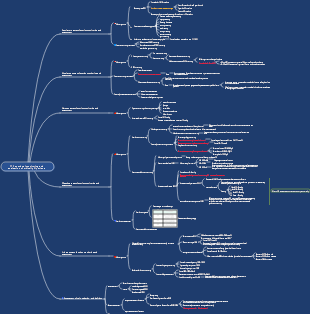
This is a mind map about functional support for twelve critically ill patients, including mechanical ventilation, analgesia and sedation, etc. Hope this helps!
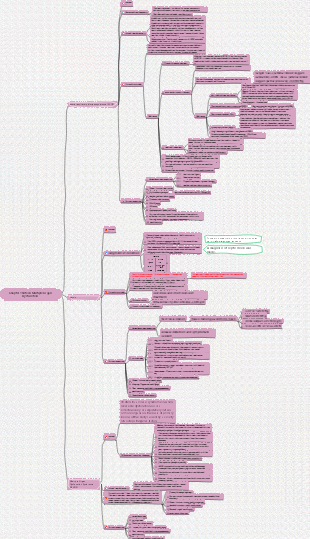
Edited at 2023-11-24 17:11:58This is a mind map about bacteria, and its main contents include: overview, morphology, types, structure, reproduction, distribution, application, and expansion. The summary is comprehensive and meticulous, suitable as review materials.

This is a mind map about plant asexual reproduction, and its main contents include: concept, spore reproduction, vegetative reproduction, tissue culture, and buds. The summary is comprehensive and meticulous, suitable as review materials.
This is a mind map about the reproductive development of animals, and its main contents include: insects, frogs, birds, sexual reproduction, and asexual reproduction. The summary is comprehensive and meticulous, suitable as review materials.
This is a mind map about bacteria, and its main contents include: overview, morphology, types, structure, reproduction, distribution, application, and expansion. The summary is comprehensive and meticulous, suitable as review materials.
This is a mind map about plant asexual reproduction, and its main contents include: concept, spore reproduction, vegetative reproduction, tissue culture, and buds. The summary is comprehensive and meticulous, suitable as review materials.
This is a mind map about the reproductive development of animals, and its main contents include: insects, frogs, birds, sexual reproduction, and asexual reproduction. The summary is comprehensive and meticulous, suitable as review materials.
12. Functional support for critically ill patients
Section 1 Mechanical Ventilation (MV)
Overview
concept
Mechanical ventilation (MV) is a ventilation method that uses a ventilator to establish a pressure difference between the airway opening and the alveoli to provide respiratory support to patients with respiratory insufficiency. It is a ventilation method that uses mechanical devices to replace, control or change spontaneous breathing movements. .
Principle: Establish atmosphere-alveolar pressure difference
During mechanical ventilation, the airway plateau pressure generally does not exceed 30~35cmH2O
Classification
Invasive mechanical ventilation
Concept: The ventilator is connected to the patient through an artificial airway such as oral/nasal tracheal intubation, laryngeal mask, or tracheostomy intubation.
Adaptations and taboos
Indications
As long as the patient has respiratory dysfunction, causing severe hypoxia or carbon dioxide retention, mechanical ventilation treatment is required.
Contraindications
Bullae and undrained pneumothorax
Hypovolemic shock without replenishing blood volume
severe pulmonary bleeding
tracheoesophageal fistula
EG: Severe craniocerebral trauma accompanied by skull base fracture, deep coma, and oral and nasal bleeding: Orotracheal intubation is the best choice
How to operate
Common parameter settings and precautions
Tidal volume setting: 5~12ml/kg
Common alarm causes and solutions
The focus of observation on the patient’s condition
1. respiratory function
Hypoxia: pulse and breathing increase, requiring close observation
Carbon dioxide retention: skin flushing, hyperhidrosis, and superficial venous filling
Hypoxemia: cyanosis of lips and nail beds
2. Loop function
3. consciousness
4. blood gas analysis
5. body temperature
6. other
Precautions
1. Prevent detachment
2. Prevent airway obstruction
3. Prevent airway damage
4. Observe Ventilator-Associated Pneumonia
5. Prevent ventilator-associated pneumonia
non-invasive mechanical ventilation
Overview
concept
There is no need to establish an artificial airway. The ventilator is connected to the patient through an oronasal mask, nasal mask, etc.
Disadvantages: Requires patient to be awake and cooperate
patient observations
1. ventilation effect
2. Ventilator working status
3. Air leakage compensation
4. Human-machine cooperation
5. Others: airway secretions, flatulence, reflux, aspiration
Common alarm causes and treatments: refer to Invasive
Section 4 Analgesia and Sedation
Overview
analgesia
1. Common medicines
NSAIDs: aspirin, ibuprofen
Opioid analgesics: morphine, fentanyl
Pay attention to the patient's respiratory depression
Non-opioid analgesic: Tramadol
Local anesthetic analgesics: lidocaine, bupivacaine
2. non-pharmacological intervention methods
transcutaneous electrical nerve stimulation therapy
distraction method
believe in dharma
Deep breathing and gradual relaxation
3. Route of administration
Routine administration methods: oral, intramuscular, intravenous and transdermal administration
Continuous subcutaneous injection: The analgesic is continuously injected into the patient's subcutaneous (usually abdomen) using a microinjection pump.
epidural injection
patient controlled pump
Route of administration of sedative drugs
Mainly continuous micro-pump intravenous infusion
Implementation of analgesia and sedation
Set management goals
Set reasonable analgesia and sedation goals
Patients who can express themselves: NRS (numeric rating scale) <4 points
Patients who cannot express, have good motor function, and whose behavior can be observed: BPS (Pain Assessment Scale) <5 points, CPOT (Critical Care Pain Observation Tool) <3 points
correct assessment
daily sedation interruption
drug withdrawal
Analgesia first, then sedation
Stop sedation first and then stop analgesia
Planned dose reduction of medications
Ensure patient safety
Sedation and analgesia monitoring and care
Take medication correctly as directed by your doctor
Closely observe drug effects and adverse reactions
Close monitoring and prevention of complications
1. ICU active myasthenia
2. circulatory function inhibition
3. Respiratory function depression
4. Digestive function effects
5. Other: pressure injury, deep vein thrombosis, but no intracranial hemorrhage
Delirium prevention and treatment
ESCAPE bundle strategy
1. E:early mobility exercise early mobility
2. S: sleep management, SAT, SBT sleep management, autonomous awakening test
3. C:calm choice of sedation sedation drug selection
4. A:assess pain and analgesia pain assessment, timely analgesia
5. P:psychosis evaluation mental state evaluation
6. E: emotional communication emotional communication
family members involved