MindMap Gallery Chapter 1 Education in Ancient Eastern Civilizations
The theme of this mind map is the first chapter of 333 Education Comprehensive History of Foreign Education for the Postgraduate Entrance Examination: Education in ancient Eastern civilizations, including ancient Babylonian education, ancient Egyptian education, ancient Indian education, ancient Hebrew education, and Characteristics of education in ancient Eastern civilizations.
Edited at 2023-11-21 17:29:34This is a mind map about bacteria, and its main contents include: overview, morphology, types, structure, reproduction, distribution, application, and expansion. The summary is comprehensive and meticulous, suitable as review materials.

This is a mind map about plant asexual reproduction, and its main contents include: concept, spore reproduction, vegetative reproduction, tissue culture, and buds. The summary is comprehensive and meticulous, suitable as review materials.
This is a mind map about the reproductive development of animals, and its main contents include: insects, frogs, birds, sexual reproduction, and asexual reproduction. The summary is comprehensive and meticulous, suitable as review materials.
This is a mind map about bacteria, and its main contents include: overview, morphology, types, structure, reproduction, distribution, application, and expansion. The summary is comprehensive and meticulous, suitable as review materials.
This is a mind map about plant asexual reproduction, and its main contents include: concept, spore reproduction, vegetative reproduction, tissue culture, and buds. The summary is comprehensive and meticulous, suitable as review materials.
This is a mind map about the reproductive development of animals, and its main contents include: insects, frogs, birds, sexual reproduction, and asexual reproduction. The summary is comprehensive and meticulous, suitable as review materials.
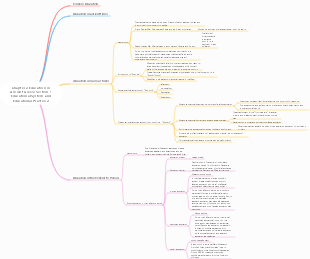
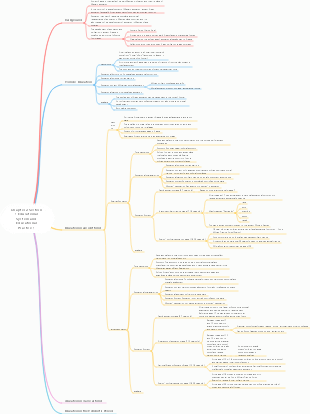
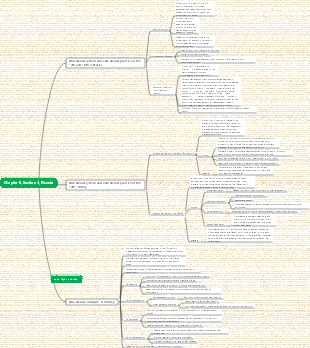
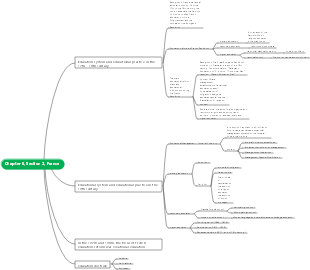
Chapter 1 Education in Ancient Eastern Civilizations
Ancient Babylon, ancient Egypt, ancient India, and China are known as the four ancient civilizations. They were the first areas to enter the civilized era and produced the earliest writing, scientific knowledge, and the germination of schools.
Education in Ancient Babylon Mesopotamia (secularity)
Sumerian culture period
The Sumerians established some city-states
Ancient Babylonian Kingdom
The Babylonians created cuneiform writing
Use small wooden sticks to carve their words on the wet clay tablets, which are known as clay tablets in history.
Sumerian school education
Educational institution: Mudban Bookstore
Clay Tablet Bookstore is a secular educational institution, secular in nature;
Educational purpose: to train scribes
Education content: Pay attention to reading, writing and arithmetic
Educational methods: simple machines, commonly used corporal punishment
School education in ancient Babylon
Educational Institution: Temple School
Educational purpose: to train scribes and officials
Educational content is gradually enriched
Educational methods: In addition to mechanical indoctrination, there is also a master-apprentice teaching system
Characteristics of Education in Ancient Babylon
The culture and education in Mesopotamia developed very early, even earlier than Egypt. At least there were schools at the same time as Egypt.
This is the cradle of the earliest human school education and the starting point of human formal education.
Education in ancient Egypt (class and hierarchy)
Ancient Egypt invented hieroglyphs and wrote them on papyrus with reed pens
Educational institutions: School education in ancient Egypt was relatively developed, including palace schools, scribes schools, official schools, and monk schools.
educational purposes
Palace School: training high-ranking officials
Monk School: Cultivating senior monks and academic talents
Official School: training general officials
Scribes School: Cultivating officials who can write and calculate
educational content
Palace schools: mainly secular knowledge; only the educational content of the ancient Egyptian palace schools cannot be verified;
Monk School: Emphasis on scientific knowledge
Official schools: general cultural courses and specialized vocational knowledge
School of Scribes: Emphasis on writing calculations and knowledge of laws and regulations
Educational methods: indoctrination and corporal punishment
Characteristics of education in ancient Egypt: The above four schools were exclusive to children of the ruling class and were not accessible to ordinary civilians. Slaves were even deprived of the right to education.
This fully reflects the class and hierarchical nature of education in ancient Egypt.
Education in ancient India (religious)
Aryans, formed India - Aryan civilization
The Aryans created their own language, Sanskrit, and wrote Sanskrit on palm leaves with a stylus.
Aryan, hierarchy, collectively known as the caste system.
Brahmin (monk)
Kshatriya (warrior)
Vaishyas (farmers and common people engaged in industry and commerce)
Shudras (slaves, poor people still in slave status)
Education in ancient India can be divided into
brahmin education
Brahmins belong to the senior monastic caste in India
Family education is the main form of Brahmin education
educational institution
Guru school; a school run by a Brahmin family; the teacher is called a "Guru"
A guru school is a school that has both religious and family education properties.
educational purposes
Raising Brahmins
With the core purpose of maintaining caste oppression and cultivating religious awareness
Educational content: Vedas
Educational methods
dictation
Guidance system
corporal punishment
Buddhist education
It opposes the Brahmin caste system, advocates the equality of all castes, promotes the idea of escaping reality and being passive and world-weary, and also caters to the hearts of the lower classes.
Educational Institution: Monastic School
Educational purpose: to cultivate Buddhists
Educational content: Mainly Buddhist classics
Educational methods: Teaching in local languages, combining explanations with personal study
Educational characteristics
Same point
both advocate religious education
difference
Brahmin education is aristocratic
Buddhist education has a civilian character
Indian education is very religious
Ancient Hebrew education (secular and religious)
Ancient Hebrew was located in what is now Palestine in Western Asia and was the residence of the ancestors of today's Jews.
The first period: the period from the "Exodus" to the "Babylonian Captivity"
Educational institutions: mainly family education
Educational purpose: to train Jewish believers
Educational content: Mainly the Bible and the Old Testament
Educational Methods: Democratic Color
Pay attention to the cultivation of religious beliefs and religious feelings
Period Two: The "Babylonian Captives" Return to Jerusalem to Rebuild Their Homeland
Educational institution: school education
Educational purpose: to cultivate believers
Educational content: Mainly the Bible and the Old Testament
Educational Methods: Democratic Color
Hebrew school education was more secular in nature, but still emphasized the teaching of religious knowledge.
Educational characteristics
The most developed Hebrew school education is primary education.
Education is universal
Teachers are regarded as a sacred profession, forming a general trend of respecting teachers; "Rabbi"
Elementary schools take into account both secular and religious aspects
Characteristics of educational development in ancient Eastern civilizations
The birth of education: As the cradle of world civilization, ancient Eastern civilizations produced the earliest writing, scientific knowledge and school education.
Nature of education: Strong class and hierarchical nature
Educational content: Rich educational content, including moral education, intellectual education, religious education, etc.
Educational institutions: There are many types of educational institutions in different shapes
Educational methods: Educational methods are simple and mechanical, and corporal punishment is prevalent
Teachers: Knowledge often becomes the exclusive preserve of the ruling class, so teachers have a higher status. Continuity of education: China continues, other faults