MindMap Gallery McKinsey Series 1 Action Guide Mind Map for Project Teams
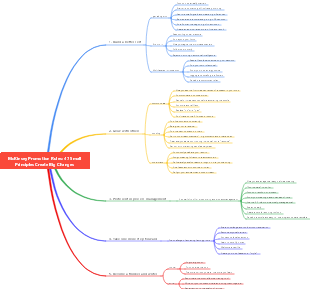
This is a mind map about the action guide for the McKinsey Series 1 project team. The team action guide is a document or guiding document designed to provide clear guidance and norms for team members to promote team collaboration and efficient work.
Edited at 2023-11-14 22:26:09This is a mind map about bacteria, and its main contents include: overview, morphology, types, structure, reproduction, distribution, application, and expansion. The summary is comprehensive and meticulous, suitable as review materials.

This is a mind map about plant asexual reproduction, and its main contents include: concept, spore reproduction, vegetative reproduction, tissue culture, and buds. The summary is comprehensive and meticulous, suitable as review materials.
This is a mind map about the reproductive development of animals, and its main contents include: insects, frogs, birds, sexual reproduction, and asexual reproduction. The summary is comprehensive and meticulous, suitable as review materials.
This is a mind map about bacteria, and its main contents include: overview, morphology, types, structure, reproduction, distribution, application, and expansion. The summary is comprehensive and meticulous, suitable as review materials.
This is a mind map about plant asexual reproduction, and its main contents include: concept, spore reproduction, vegetative reproduction, tissue culture, and buds. The summary is comprehensive and meticulous, suitable as review materials.
This is a mind map about the reproductive development of animals, and its main contents include: insects, frogs, birds, sexual reproduction, and asexual reproduction. The summary is comprehensive and meticulous, suitable as review materials.
McKinsey Tools: An Action Guide for Project Teams
1. TEAM model of interpersonal factors
CommunicateTalk
rule
Continuous communication
Listen carefully
separation of personnel
Strategy
Record and share all contact information within and outside the project team, clearly communicate responsibilities, and determine the overall scope of the project
Agree on a meeting schedule, ensure that the entire project team meets at least once a week, and invite customers to participate in some meetings
All meetings should have a clear agenda and result in concrete decisions and new courses of action
Keep team members informed of the latest progress of the project through frequent emails, in a simple and consistent format
When evaluating the pros and cons of an issue and opinion, be sure to separate the person from the opinion he or she proposes.
Evaluate
rule
Discuss team collaboration status
Determine expectations and monitor completion
Clarify personal development goals and adjust work plans accordingly
evaluate
Identify the personality types of team members and customers
Before the project is implemented, hold a brief, relaxed meeting to discuss each other’s personalities and working style preferences.
Understand your own nature while maintaining a good attitude when dealing with members of different personality types
Each team member should clearly record their 1-2 main development goals in the project
Openly discuss and coordinate personal development goals among members
Develop procedures for handling disagreements and giving and receiving feedback
Conduct regular feedback sessions to allow time for improvements
AssistAssist
rule
Make the most of expertise
Everyone performs their duties
real time feedback
Strategy
First brainstorm and discuss in depth the key points to be solved in the project
Balance the workload according to the time required for each sub-task
Identify and leverage each team member’s expertise
Hold at least 1-2 phase reporting meetings with the project team (and client)
Provide and update personal and project progress information daily
Motivate
rule
Identify personalized motivators
Positively influence team members
celebrate achievements
Strategy
Identify and discuss the primary and secondary factors that motivate each member
Recognize and celebrate every team achievement
Have a grand party after the project is completed
2. FOCUS model of analysis elements
Define Frame
rule
Identify key issues
Create a question tree
formulate basic assumptions
Strategy
Identify key issues affecting the project through discussions with clients
Clarify the key issues, project scope and rough plan to solve the problems in the authorization letter
Define the project’s timeframe, geographic scope, and functional areas
To avoid the common problem of “scope changes”
Form an overall hypothesis as a potential solution to an existing problem
Supporting hypotheses must be formulated to validate the overall hypothesis
Revisit and revise hypotheses as you collect data
Division of LaborOrganize
rule
Build an overall flow chart
Develop a content plan to test hypotheses
Design story threads
Strategy
Maintain objectivity when testing hypotheses
Use the framework model as a starting point to think about the issues to be analyzed
Detailed list of types of analytical questions the team may undertake and associated data requirements
If the hypothesis is modified, the issue tree and content plan will need to be revised
CollectCollect
rule
Present necessary data through "Sketch"
Conduct targeted interviews
Collect third party data
Strategy
Create sketches to present necessary data related to the overall case
Use customer information, prepare an interview outline in advance, organize the interview records in written form within 24 hours, and share them with the team
Indicate the source of the citation on each diagram you draw.
InterpretationUnderstand
rule
clarify "so what"
Clarify implications for project stakeholders
Document core insights across all charts
Strategy
Organize your analysis and determine what is most important by asking "so what"
Fully assess the impact of recommendations on client operations
RefiningSynthesize
rule
Get feedback and ensure buy-in
Provide specific suggestions for improvement
tell a good story
Strategy
Tell a story that briefly introduces the circumstances and complexity of the project
Share stories with clients and teams ahead of time to gain buy-in
The story should be concise, focusing on the essential issues and specific suggestions for improvement.
Learn to have fun with it