MindMap Gallery Oral representation of systemic diseases (1) Mind map
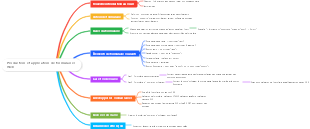
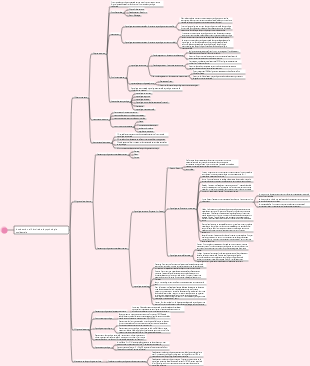
This is a mind map about the oral representation of systemic diseases (1), including digestive system diseases, immune system diseases, endocrine system diseases, nutritional and metabolic diseases, etc.
Edited at 2023-11-14 20:06:01This is a mind map about bacteria, and its main contents include: overview, morphology, types, structure, reproduction, distribution, application, and expansion. The summary is comprehensive and meticulous, suitable as review materials.
This is a mind map about plant asexual reproduction, and its main contents include: concept, spore reproduction, vegetative reproduction, tissue culture, and buds. The summary is comprehensive and meticulous, suitable as review materials.
This is a mind map about the reproductive development of animals, and its main contents include: insects, frogs, birds, sexual reproduction, and asexual reproduction. The summary is comprehensive and meticulous, suitable as review materials.
This is a mind map about bacteria, and its main contents include: overview, morphology, types, structure, reproduction, distribution, application, and expansion. The summary is comprehensive and meticulous, suitable as review materials.
This is a mind map about plant asexual reproduction, and its main contents include: concept, spore reproduction, vegetative reproduction, tissue culture, and buds. The summary is comprehensive and meticulous, suitable as review materials.
This is a mind map about the reproductive development of animals, and its main contents include: insects, frogs, birds, sexual reproduction, and asexual reproduction. The summary is comprehensive and meticulous, suitable as review materials.
Oral manifestations of systemic disease
blood disorders
iron deficiency anemia
Cause
Increased iron requirements and insufficient iron intake
iron malabsorption
Too much iron loss
clinical manifestations
Systemic manifestations: manifestations of the primary disease caused by iron deficiency (tissue iron deficiency manifests as mental and behavioral abnormalities; susceptibility to infection; pale skin and mucous membranes; delayed growth and development in children, mental retardation; common fatigue, tinnitus, dizziness, fatigue, etc.)
Oral manifestations: pale mucous membranes of the lips, mainly the lips, tongue, and gums; often foreign body sensation; filiform papillae and fungiform papillae on the back of the tongue atrophy and disappear
Iron deficiency dysphagia syndrome may occur
Plummer-Vinson syndrome or Plummer-Vinson syndrome, also known as iron deficiency dysphagia syndrome (sideropenic dysphagia syndrome), is a special type of iron deficiency anemia, with iron deficiency anemia, dysphagia and glossitis as the main manifestations. , more common in middle-aged Caucasian women. This disease is a potentially malignant disease that is associated with a high risk of upper gastrointestinal squamous cell carcinoma and should be followed up regularly.
Auxiliary inspection
Blood picture: microcytic hypochromic anemia
Bone marrow imaging, iron metabolism, porphyrin metabolism in red blood cells, serum transfer receptor detection, etc.
Etiological testing
disease management
treat
Remove the cause
Iron supplementation treatment: Oral iron is the first choice
Prevent secondary infection
Prevention: correct partial eclipse, timely iron supplementation, and preventive measures
megaloblastic anemia
Cause
Food is not nutritious enough
Malabsorption
Metabolic abnormalities
Increase in demand
Barriers to use
clinical manifestations
Systemic manifestations: Systemic manifestations start slowly, often with pale complexion, fatigue, decreased endurance, dizziness, palpitations and other general symptoms of anemia. In severe cases, pancytopenia, repeated infections and bleeding. Have gastrointestinal symptoms such as loss of appetite, bloating, diarrhea, etc. Nervous system manifestations and psychiatric symptoms include: symmetrical distal limb numbness, deep sensory impairment, ataxia or unstable gait, difficulty walking, etc.; decreased sense of smell, decreased vision, and positive pyramidal tract sign. Folic acid deficiency can cause psychiatric symptoms such as irritability and delusions.
Oral manifestations: Atrophic glossitis is the most common, and pernicious anemia may also cause Müller's glossitis or Hunter's glossitis.
Auxiliary inspection
Blood picture: macrocytic anemia
Serum vitamin B12 or folic acid testing
Bone marrow image etc.
disease management
treat
Cause treatment
Supplement deficient nutrients
Oral treatment mainly involves local treatment
Prevention: Correct a partial eclipse and supplement vegetables; take folic acid and vitamin B if necessary
aplastic anemia
Cause: unknown
clinical manifestations
Systemic manifestations: acute onset, rapid progression, and severe condition. The main symptoms are anemia, bleeding and infection. Symptoms such as pale complexion, fatigue, dizziness, and palpitations gradually worsen; petechiae and ecchymosis on skin and mucous membranes, nose bleeding, and menorrhagia. In severe cases, hematemesis, hemoptysis, hematuria, fundus hemorrhage, and intracranial hemorrhage may occur. Most patients have fever, with body temperature above 39°C, and respiratory infections are the most common.
Oral manifestations: The oral mucosa is pale, and petechiae, ecchymoses or hematomas may appear. Gums are prone to bleeding, especially in patients with periodontal disease before the onset of aplastic anemia. The susceptibility of the mucous membrane to infection increases, especially in areas prone to irritation or trauma. Recurrent infections and necrotic ulcers often occur.
Auxiliary inspection
Blood picture: severe pancytopenia
Bone marrow picture: Severe reduction of bone marrow proliferation in multiple locations
disease management
treat
Hematology department presides over treatment
Pay attention to oral hygiene to prevent local damage
prevention
Leukopenia and agranulocytosis
Cause
Decreased neutrophil production
Neutrophil destruction or excessive consumption
Abnormal neutrophil distribution
clinical manifestations
Systemic manifestations: According to the degree of neutropenia, it can be divided into mild ≥1.0x10°/L, moderate (0.5~1.0)x10°/ and severe <0.5x10/L. Severe neutropenia is agranulocytosis. . Patients with mild degeneration do not have special clinical symptoms and mostly show symptoms of the primary disease. People with moderate and severe reductions are prone to infection and non-specific symptoms such as fatigue, weakness, dizziness, and loss of appetite. Common infection sites are the skin, respiratory tract, digestive tract, and genitourinary tract. High fever, necrotic mucosal ulcers, and severe sepsis, sepsis, or septic shock may occur.
Oral manifestations: Necrotic ulcers appear on the gums. In severe cases, the necrotic surface may appear gray-black gangrene. The mucous membranes of the gums, cheeks, soft palate, etc. are prone to secondary infection, resulting in necrotizing gingivostomatitis and putrid bad breath with positive characteristics, which may be accompanied by pain, salivation, lymph node enlargement, etc.
disease management
treat
Cause treatment
prevent infection
Promote granulocyte production
Use immunosuppressants
Strengthen oral care to prevent infection
Prevention: Patients with risk factors should undergo regular check-ups
leukemia
Cause: unknown
clinical manifestations
Systemic manifestations: Anemia develops progressively in patients with acute leukemia. Half of the patients present with fever as an early manifestation. High fever often indicates secondary infection, which can occur at any site. Nearly 40% of patients have bleeding as the early manifestation, which can occur in various parts of the body, with skin petechiae, ecchymoses, nose bleeding, gum bleeding, and menorrhagia being the most common. Due to the proliferation and infiltration of leukemia cells, lymph nodes, liver and spleen are enlarged throughout the body, and local tenderness at the lower end of the sternum; the central nervous system is the most common extramedullary infiltration site of leukemia, which manifests as headache, dizziness, and in severe cases, vomiting, neck stiffness, and even convulsions and coma. . Chronic leukemia has a slow onset, and patients often have symptoms such as low fever, excessive sweating, weight loss, hemorrhage, hemorrhage, and splenomegaly.
Oral manifestations: All types of leukemia can have oral manifestations. The most vulnerable part is the gums, especially the acute type. Gum bleeding is often spontaneous and difficult to stop. This type of bleeding for which no other cause can be found may be an early symptom of leukemia. Due to a large number of abnormal white blood cells infiltrating into the gingival tissue, the gingiva is obviously hyperplasia and swollen. The lesions spread to the marginal gingiva, interdental papilla and attached gingiva. The shape is irregular, nodular, with a bright surface and medium hardness. Gum necrosis, periodontitis, loose teeth, toothache, etc. may also occur. Petechiae, ecchymosis, or hematoma may appear on the oral mucosa. The oral mucosa and gums are pale in color, and sometimes irregular ulcers may appear, which are often difficult to heal and prone to secondary infection.
disease management
Hematology department presides over treatment
Mainly conservative treatment
Use hemostatic drugs for bleeding gums
Pay attention to hygiene and prevent infection
Lymphoma
Cause of disease: viral theory is highly valued
clinical manifestations
Systemic manifestations: Painless progressive lymphadenopathy or local masses are common clinical manifestations of lymphoma. HL is more common in young people and less common in children. The first symptom is often painless progressive enlargement of cervical or supraclavicular lymph nodes, followed by axillary lymph node enlargement. There are symptoms such as fever, night sweats, itching, and weight loss all over the body. Extralymphatic organ involvement is rare. NHL performance has the following characteristics: ① Systemic: It can occur in any part of the body, among which lymph nodes, tonsils, spleen and bone marrow are the most vulnerable parts. Often accompanied by systemic symptoms. ② Diversity: Different tissues and organs have different scope and degree of oppression and infiltration, and the symptoms caused are also different. ③The incidence increases with age and is more common in men than women; except for indolent lymphoma, it generally develops rapidly. ④The compression and infiltration of various organs are more common in NHL than in HL, and high fever or symptoms of various organs and systems are often the main clinical manifestations.
Oral manifestations: Most oral lymphomas are extranodal. In the early stage, they are often single lesions, which can occur in the gums, palate, tongue base, nasopharynx, tonsils, cheeks, parotid glands, jaws, maxillary sinuses, etc. at. The clinical manifestations are diverse. Those occurring in the gums and palate often show inflammation, ulceration, and necrosis; the areas near the pharyngeal cavity often show diffuse swelling, unclear boundaries, and invasion of multiple anatomical areas, resulting in sore throat and obstruction of swallowing; Masses may appear in the cheeks and parotid glands; multiple unexplained superficial lymph node enlargements in the head and neck are movable, solid and elastic in texture, and have no symptoms of acute inflammation or tuberculosis. A high degree of suspicion should be considered after anti-inflammatory treatment fails. sick.
Auxiliary inspection
Blood and bone marrow tests
Laboratory examination
Film degree exam
disease management
Comprehensive Hematology Treatment
Oral treatment
Idiopathic thrombocytopenic purpura
Cause: unknown
clinical manifestations
Systemic manifestations: Adult ITP generally has an insidious onset, and fatigue is one of its clinical symptoms. Most bleeding tendencies are mild and localized, but they are prone to recurrence. It can manifest as skin and mucosal bleeding, such as petechiae, purpura, ecchymosis, difficulty in stopping bleeding after trauma, etc. Epistaxis is also common, severe visceral bleeding is less common, but menorrhagia is more common, and in some patients it may be the only clinical symptom. The patient's condition may suddenly worsen due to infection, etc., causing extensive and severe bleeding of the skin, mucous membranes and internal organs.
Oral manifestations: Spontaneous gum bleeding is often an early manifestation of the disease. Brushing, sucking, cleaning, tooth extraction or minor trauma can aggravate the condition. Petechiae, ecchymoses, and hematomas are prone to occur on the oral mucosa, especially the lipstick, tongue edges, palate, floor of the mouth, and cheeks. The hematoma may rupture on its own or rupture and bleed due to food friction, leaving a round or oval erosion surface with clear edges.
disease management
Hematology leading treatment
Maintain oral hygiene
People with severe bleeding should take rest
Digestive system diseases
ulcerative colitis
Cause: unknown
clinical manifestations
Systemic manifestations: The course of the disease is chronic, with alternating attacks and remissions, and a few symptoms persist and gradually worsen. It may be accompanied by other symptoms such as abdominal distension, lack of appetite, nausea, and vomiting. Mild and moderate patients only have mild tenderness in the right lower abdomen, and sometimes the spasmodic descending colon or sigmoid colon can be palpated. Severe and explosive patients often have significant tenderness or even intestinal type. Systemic reactions may include fever and malnutrition
Extraintestinal manifestations: including peripheral arthritis, erythema nodosum, pyoderma gangrenosum, epimembranous inflammation, uveitis, etc. These extraintestinal manifestations can be relieved or recovered after colitis control or colon resection.
Oral manifestations: Mainly aphthous ulcers, which are characterized by recurrent multiple ulcers in the oral cavity, mostly round or oval small and shallow ulcers, which usually appear during the active stage of UC and are related to the activity of the disease. With the relief of UC symptoms. The symptoms of cheilitis are similar to those caused by nutritional deficiencies, with vertical chapped lips accompanied by peeling, which can lead to secondary infection in severe cases. Proliferative suppurative stomatitis (pyostomatitis veget-ans) is a rare oral lesion that can occur at any age. It is characterized by the formation of many small pustules on the thickened mucosa and erythema. After the pustules rupture, The formation of extensive ulcers and erosions and a "snail-track" appearance. The most common lesions are the labial attached gingiva, soft and hard palate, vestibular sulcus and tonsil area. The mucosa of the floor of the mouth and tongue are usually not affected. Proliferative purulent Stomatitis is considered a specific sign of UC
disease management
Gastroenterology-led treatment
Oral local symptomatic treatment
Crohn's disease
Cause
genetic factors
immune factors
Infectious factors
clinical manifestations
Systemic manifestations: There are systemic manifestations such as low-grade fever, fatigue, and weight loss in the afternoon. Anemia may also be caused by malabsorption of iron, vitamin B, and folic acid due to lesions and dysfunction of the digestive tract.
Digestive tract manifestations: The patient had recurrent abdominal distension, abdominal pain, abdominal masses, increased stool frequency, and paroxysmal colic, diarrhea, and bloody and purulent stools in the right lower abdomen. In the late stage, intestinal obstruction or even intestinal perforation may occur, resulting in severe abdominal pain, bloating, vomiting, constipation, etc. Intra-abdominal abscesses and fistulas can form due to adhesion and penetration of lesions and adjacent tissues.
Oral manifestations: Oral lesions occur in approximately 10% of cases. Oral mucosa, cheeks, lips, gums, palate, pharynx and other parts can be affected, forming linear ulcers or aphthous ulcers. Granulomas, small nodules and gingival hyperplasia can also form. Linear ulcers are like knife incisions with raised edges, much like ulcers caused by irritation on the edge of a dental tray. The oral mucosa may also undergo cord-like hyperplasia, folds, and granular, gravel-like nodular hyperplasia. The lips may become diffusely swollen and indurated. The gums may also appear visibly red and granular on the surface
Other extraintestinal manifestations: Other lesions outside the digestive tract may include sacroiliitis, spondylitis, uveitis, skin erythematous nodules, pyoderma gangrenosum, etc. Disorders of intestinal function may also lead to disorders of uric acid metabolism and the formation of kidney stones.
Auxiliary inspection
laboratory tests
Intestinal barium angiography
CT examination
Ultrasonography
endoscopy
Differential diagnosis
Behcet's disease
sarcoidosis
disease management
medical treatement
Surgical treatment
Oral treatment
immune system diseases
Sjogren's syndrome
Cause: unknown, may be related to infection, heredity, endocrine
clinical manifestations
Systemic manifestations
local manifestation
Eye manifestations: Due to lacrimal gland invasion, sicca keratitis may occur due to reduced tear secretion. In severe cases, corneal ulcers, perforations, and rarely blindness may occur.
Exocrine glands in other parts of the body may be affected
System performance
Skin: A quarter of patients may present with a rash, which is characterized by a purpura-like rash, mostly on the lower limbs.
Skeletal muscles: 70% to 80% may have joint pain
Kidney: 30% to 50% of patients have lung damage
Respiratory system: Bronchitis and interstitial pneumonia may occur
Digestive system: Atrophic gastritis, reduced gastric acid, chronic diarrhea and other non-specific features may occur
Nervous system: accumulation can occur in both peripheral and central nervous systems, but is less common in the peripheral nervous system
Blood system: leukopenia or thrombocytopenia may occur, and the incidence of lymphoma increases
Oral manifestations
Oral mucosa: susceptible to candida infection. The back of the tongue is dry, which may form a grooved tongue
dry mouth
Rampant caries
Salivary gland enlargement: Parotid gland enlargement is the most common and is often painless.
Histopathology: Epithelial-myoepithelial islands can be formed. Labial gland biopsy is most common
Auxiliary inspection
Urine, blood routine
autoantibodies
Hyperglobulinemia
Tear gland function test
labial gland biopsy
Diagnosis: The 2002 revised international classification criteria for pSS are most commonly used
disease management
treat
Mainly to relieve symptoms, not a cure
Treatment is led by the Department of Rheumatology and Immunology
Improve dry mouth and eyes
Pay attention to oral hygiene
Prognosis: The prognosis is good for patients whose lesions are limited to the salivary glands, lacrimal glands, and exocrine glands of the skin and mucous membranes. Patients with pulmonary fibrosis, central neuropathy, renal insufficiency, and malignant lymphoma have a poor prognosis
Kawasaki disease
Cause: unknown
clinical manifestations
Systemic manifestations
(1) Fever: It is the earliest symptom. The body temperature reaches 38~40℃ or even higher, which can last for 1-2 weeks. It shows persistent fever or relaxation and is ineffective in treatment with antibiotics and antipyretics. (2) Bulbar conjunctival congestion: non-purulent secretions appear 3 to 4 days after the onset of symptoms and dissipate after the fever subsides. (3) Symptoms of hands and feet: hard edema of hands and feet and palmar and plantar erythema in the acute stage, membranous peeling at the junction of the subungual and skin of the fingers (toes) in the recovery stage, transverse grooves on the finger (toe) nails, and in severe cases, finger (toe) nails It can also come off. (4) Skin manifestations: The rash is polymorphic and can appear as maculopapular rash, erythema-like rash or/and scarlet fever-like rash. It often appears in the first week, and the perianal skin is red and peeling. (5) Cardiac manifestations: pericarditis, myocarditis, endocarditis, and arrhythmia occur in the 1st to 6th week of the disease. Patients with coronary artery aneurysm or stenosis may have no clinical symptoms, and a few may have symptoms of myocardial infarction. Coronary artery damage mostly occurs in the 2-4th week of the disease, but can also occur during the recovery period of the disease. Myocardial infarction and ruptured coronary artery aneurysm can cause cardiogenic shock and even sudden death. In boys under 3 years old, significantly elevated erythrocyte sedimentation rate, platelets, and C-reactive protein are high-risk factors for coronary artery disease. (6) Other accompanying symptoms: Patients may develop pyuria and urethritis, or diarrhea, vomiting, and abdominal pain. A few children may develop hepatomegaly, mild jaundice, and elevated serum aminotransferase activity. Pulmonary infection is rare, and aseptic meningitis occasionally occurs.
Oral manifestations: (1) Lip and perioral manifestations: lips are red, swollen, dry, and chapped, oral mucosa is diffusely congested, tongue papilla is red and swollen, and strawberry tongue appears. (2) Cervical lymph node enlargement: unilateral or bilateral, hard and tender, but the surface is not red and does not suppurate. The disease appears initially and subsides when the fever subsides.
Auxiliary inspection
Blood test: mild anemia, increased peripheral leukocytes, mainly neutrophils
diagnosis
If you have fever for more than 5 days and are accompanied by 4 of the following 5 clinical manifestations, you can be diagnosed with Kawasaki disease after excluding other diseases: (1) Changes in the limbs: palmoplantar erythema, hard edema of the hands and feet in the acute phase; finger (toe) symptoms in the recovery phase Endomembranous peeling; (2) Polymorphic rash; (3) Conjunctival membrane congestion, non-suppurative; (4) Congestive and chapped lips, diffuse congestion of oral mucosa, protruding and congested tongue papilla, strawberry tongue; (5) ) Swollen lymph nodes in the neck. Note: If there are less than 4 of the 5 clinical manifestations, but coronary artery damage is found on echocardiography, Kawasaki disease can also be diagnosed.
disease management
Comprehensive Internal Medicine Treatment
Oral symptomatic treatment
systemic lupus erythematosus
Cause
UV exposure, trauma
Infectious factors
Other factors: Certain drugs and foods can also cause
Clinical manifestations: It can be divided into localized type and disseminated type. The localized type only damages the upper part of the neck, and the disseminated type can damage the lower part of the neck.
Mucosal damage: It is characterized by round or oval erythematous erosions that are concave and disk-shaped, with slightly raised edges, redness or visible telangiectasia around them, and thin short white streaks arranged radially around the redness. The red mucous membrane of the lower lip tends to develop.
Skin damage: keratin plugs or butterfly spots may appear
Systemic symptoms: Some patients may have systemic symptoms, such as gastrointestinal symptoms, irregular fever, joint pain or arthritis, etc.
Auxiliary inspection
Routine inspection
Antinuclear antibodies and other immune indicators
Differential diagnosis
systemic lupus erythematosus
chronic cheilitis
Lymphoproliferative cheilitis in both sexes
Lichen planus
erythema multiforme
disease management
Try to avoid or reduce sunlight exposure
Early diagnosis and early treatment
Topical corticosteroids
Endocrine system diseases and nutritional and metabolic diseases
diabetes
Cause: unknown
clinical manifestations
Metabolic disorder symptom cluster: symptoms of polyuria, polydipsia, polyphagia, and weight loss, which may be accompanied by skin itching and blurred vision.
Complications: acute and severe metabolic disorders, infectious diseases, chronic complications, etc. may occur
Oral manifestations: Diabetes is closely related to oral diseases, especially when blood sugar is poorly controlled, it is more likely to cause oral diseases ① Gingivitis and periodontitis: It is easy to cause or aggravate periodontal disease, and periodontal infection can aggravate diabetes. . The symptoms are as follows: gingival inflammation is obvious, dark purple in color, easy to bleed, and the gingival margin appears granulation tissue-like; periodontal abscesses occur repeatedly, alveolar bone is absorbed rapidly, causing teeth to loosen and fall out; a large amount of calculus is easily formed in a short period of time. ② Dry mouth, thirsty and desire to drink, mucosa should not be dry and dull, and occasionally painless diffuse swelling of the parotid gland ③ Oral candida infection or abnormal taste. ④ Burning mouth syndrome manifestations ⑤ Lichen-like damage to the oral mucosa. ⑥ The tongue is fat and enlarged, the tongue is dark red, the filiform papillae may appear atrophic, the fungiform papillae may be congested, and sometimes the tongue may appear like a geographic tongue or a cracked tongue. ⑦The prevalence of dental caries, pulpitis, and apical periodontitis increases. ⑧Slow wound healing. Even minor trauma or erosion is not easy to heal, and may even lead to the spread of inflammation and infection of the jawbone and perimaxilla.
Auxiliary inspection
Urine glucose measurement
OGTT
Glycated hemoglobin test
disease management
Health management: education, regular monitoring
Medication: Insulin
Oral Treatment: Maintain good oral hygiene and have a thorough understanding of the patient’s health or blood sugar levels during treatment
Cushing's syndrome
Clinical manifestations: 1. Systemic manifestations mostly occur in women aged 20 to 40 years old. Typical case manifestations include: central obesity, moon face, hairy and sanguine appearance; systemic muscle and nervous system symptoms, such as muscle weakness, difficulty in standing up after squatting, emotional instability, irritability, insomnia, etc.; thinning of the skin and easy Subcutaneous ecchymoses, pigmentation, and fungal infections often occur on hands, feet, fingernails, and perianal areas; cardiovascular manifestations, such as hypertension, prone to venous thrombosis; weakened resistance to infection; sexual dysfunction; metabolic disorders , such as impaired glucose tolerance, osteoporosis, etc. 2. Oral manifestations: The mobility of the tongue and masseter muscles decreases, and brown pigmentation may appear on the oral mucosa. Candida infections are prone to occur in the oral cavity. Sometimes osteoporosis, alveolar bone resorption, loose teeth, etc. occur.
Disease Management:
Resection of pituitary microadenomas is the first choice
Drug therapy as an auxiliary
Maintain oral hygiene
vitamin deficiency
Vitamin B2 deficiency
clinical manifestations
Systemic manifestations: scrotal inflammation is the early and most common manifestation, and scrotal itching is the initial symptom, which is worse at night. Dry itchy dermatitis and seborrheic dermatitis may occur on the skin
Oral manifestations
Angular stomatitis
Cheilitis
Glossitis
disease management
Treatment: You can take vitamin B2 and maintain oral hygiene
Prevention: Supplement more vitamin B2
hydrochloric acid deficiency
Clinical manifestations: 1. Systemic manifestations. Typical manifestations are dermatitis, diarrhea and dementia, with dermatitis and diarrhea being the most common. The onset is slow, and usually has non-specific symptoms such as loss of appetite, fatigue, weight loss, abdominal pain and discomfort, indigestion, inability to concentrate, and insomnia. Dermatitis often occurs or worsens in spring and summer, and symmetrical dermatitis occurs on the limbs and exposed parts of the body, resembling sunburn. Digestive system symptoms such as loss of appetite, nausea and vomiting, abdominal pain and diarrhea may occur. Neuropsychiatric symptoms vary widely among individuals, with neurasthenia being the most common. 2. Early oral manifestations include congestion at the tongue tip and edges, redness and swelling of the fungiform papillae, and then redness of the whole tongue with burning pain. In patients with a longer course of the disease, tongue filamentous papillae and fungiform papillae atrophy, and the tongue surface becomes red, shiny, and beefy. Red, particularly sensitive to trauma or other stimulation, prone to ulcers. The oral mucosa and pharynx may also become red and burning, and erosion or superficial ulcers may occur. The corners of the mouth are wet and white or eroded. Gingivitis and periodontitis are prone to occur.
disease management
Cause treatment
Oral nicotinamide
Oral local symptomatic treatment
People with dermatitis should avoid sun exposure
Vitamin C deficiency
Clinical manifestations: 1. Systemic manifestations: slow onset, general fatigue, loss of appetite, weight loss, mental depression, pale complexion, skin petechiae, ecchymosis, internal bleeding such as hematuria, blood in the stool, menorrhagia, wound healing Delay and other symptoms. Children with bone, joint and muscle pain may have hip abduction, knee half flexion, foot external rotation, and frog-like posture. 2. Oral manifestations: People with vitamin C deficiency are prone to involvement of gums and periodontal tissue. Gingivitis and gum bleeding are early manifestations of protrusion. The gums are congested and edematous, soft in texture, and dark red in color, most notably at the gingival papilla. They bleed easily, and erosion and ulcers may appear on the surface. They are prone to secondary infection, and are often accompanied by pain and bloody halitosis. If there are local irritating factors or poor oral hygiene, the symptoms can be aggravated. Especially for patients with periodontitis, teeth can become loose and fall out in a short period of time. Alveolar bone loss is often an early X-ray finding. A few patients may have spots and ecchymoses on the palate, cheeks, and tongue edges. Wound healing is delayed, susceptibility to infection increases, and may be complicated by necrotizing gingivitis and necrotizing stomatitis.
disease management
Oral Vitamin C
Keep your mouth clean
Remove the cause of the disease and eat more foods rich in vitamin C
amyloidosis
Cause: unknown
Clinical classification
Immunoglobulin light chain amyloidosis
Amyloid A amyloidosis
β2 microglobulin amyloidosis
transthyretin amyloidosis
clinical manifestations
Systemic manifestations: Amyloidosis has a variety of clinical manifestations depending on the organs invaded. The initial symptoms are mostly fatigue and weight loss. Systemic AL amyloidosis most commonly affects the kidneys and heart. Renal lesions are mainly manifested as proteinuria or nephrotic syndrome, and cardiac lesions are often manifested as arrhythmia, congestive heart failure, ventricular thickening, etc. In addition, hepatomegaly with elevated alkaline phosphatase, orthostatic hypotension, intestinal pseudo-obstruction, diarrhea and constipation, periorbital purpura, etc. can also be seen. Localized AL amyloidosis often affects the airways (nasopharynx, larynx, bronchi), lungs, periorbita, bladder, gastrointestinal tract, lymph nodes, and skin. AA amyloidosis most commonly affects the kidneys, and may also cause hepatomegaly and gastrointestinal symptoms. Heart and nerve involvement are rare. Aβ2M amyloidosis mainly affects joints, periarticular tissues, and bones, manifesting as arthritis, carpal tunnel syndrome, and bone cysts. ATTR amyloidosis mainly affects the heart and peripheral (and/or autonomic) nervous system, manifesting as cardiomyopathy, sensory impairment, sweating disorder, or orthostatic hypotension.
Oral manifestations: The tongue is the site most commonly affected by AL amyloidosis in the head and neck region, and can form typical progressive macroglossia. In the early stage, the tongue body is still soft and has unrestricted movement. With the deposition of amyloid material, the tongue body gradually becomes enlarged, hardened, widespread and symmetrical, and tooth marks and nodular protrusions can be seen on the tongue edge. In the late stage, the tongue body is large and protrudes outside the mouth, making it difficult to close the lips. The tongue tie becomes thickened, stiff, and loses elasticity. The movement of the tongue body is limited, which affects speech, eating, and swallowing. When lying on the back, the tongue falls behind and makes a snoring sound.
Auxiliary inspection
blood test
Urine test
bone marrow examination
Film degree exam
disease management
Specific treatments are still lacking. Comprehensive internal medicine treatment is the mainstay.
Symptomatic treatment is mainly used for local lesions in the oral cavity
Note that patients with systemic AL amyloidosis may be complicated by multiple myeloma and have a poor prognosis.
infectious diseases
Scarlet Fever: Caused by Group A Hemolytic B Streptococcus
clinical manifestations
Systemic manifestations: Incubation period is 2 to 5 days. The onset is sudden, with mostly persistent high fever and sore throat. The rash begins one day after the onset of illness. The rash appears sequentially on the neck, chest, trunk, and limbs, and spreads all over the body in about 36 hours. The typical rash is pinpoint-sized papules evenly distributed on the diffusely congested skin, which fade when pressed. , accompanied by itching, purple-red lines can be seen in skin folds such as armpits, elbow fossa, groin, etc. The rash lasts for 2 to 4 days and subsides in the order in which the rash occurred. After the rash subsides, the skin will peel off.
Oral manifestations: The facial skin is congested and flushed without a rash, and the congestion around the mouth and nose is not obvious. Compared with the congested face, it appears white, which is called "perioral pale circle". In the early stages of the disease, the tongue coating is white, the tongue fungiform papillae are swollen, and the swollen tongue papillae protrude from the tongue surface covered with white coating, which is called "white bayberry tongue". After 3 to 4 days, the tongue coating falls off, the tongue surface is smooth and crimson, the tongue papilla is raised, which is called "red bayberry tongue", and the submandibular lymph nodes are swollen. The tonsils are red and swollen, with gray-white exudative pseudomembranes that are easy to be wiped off, soft palate mucosa is congested, punctate erythema and scattered petechiae
disease management
General treatment: Isolation of the child, systemic supportive therapy, bed rest
Antibiotic treatment, penicillin is preferred
Traditional Chinese Medicine Treatment
Oral local cleaning
Measles: caused by measles virus
clinical manifestations
Whole body performance:
(1) Incubation period: 6~18 days (average about 10 days). (2) Prodromal stage: usually 4 days, characterized by fever, mostly moderate or above; upper respiratory tract inflammation and conjunctivitis, conjunctival congestion, tearing, and photophobia. (3) Rash period: The rash usually appears 3 to 4 days after the fever. At this time, the symptoms of systemic poisoning worsen and the body temperature reaches as high as 41°C. The rash first appeared behind the ears and hairline, then gradually spread to the face and neck, from top to bottom to the trunk, limbs, and finally reached the palms and soles of the feet. (4) Recovery period: If no complications occur, 3-4 days after the rash occurs, the fever begins to subside, and systemic symptoms such as appetite and mental state gradually improve. The rash gradually subsides in the order of appearance. After the rash subsides, pigmentation and bran-like desquamation remain, which usually subside after 7 to 10 days. Pneumonia is the most common complication of measles, accounting for more than 90% of deaths in children with measles, and is more common in children under 5 years old.
Oral manifestations: 1 to 2 days before the rash occurs, 0.5 to 1 mm needle-sized gray-white or purple dots appear on the buccal mucosa corresponding to the patient's bilateral second molars, surrounded by redness, which are called measles mucosal spots or Koplicks. Koplik spots, which gradually increase in number during the rash stage, can spread to the entire cheekbone membrane and the inner side of the lips, merge with each other, and sometimes expand into patches, resembling thrush. Most mucosal plaques begin to fade 1 to 2 days after the rash occurs. Such mucosal spots can be used as early specific signs of measles and have early diagnostic value.
Auxiliary examination: blood routine, serological examination, multinucleated giant cell examination, viral antigen detection and virus isolation
disease management
Treatment: Isolate the child and rest in bed; treat symptoms and prevent complications; keep the oral cavity clean
Prevention: Get vaccinated; pay attention to your health; keep exercising
Diphtheria: caused by diphtheria bacilli
clinical manifestations
Systemic manifestations: high fever, fatigue, headache, loss of appetite, vomiting, etc. In severe cases, toxic myocarditis and peripheral nerve paralysis may be complicated.
Oral manifestations: Dot-like and flaky gray-white pseudomembranes of varying degrees appear in the pharynx, larynx, uvula, tonsil area and oral mucosa. The edges are clear and difficult to wipe off. If the pseudomembrane is forcibly removed with tweezers, bleeding wounds will be left. . accompanied by swollen and tender submandibular and cervical lymph nodes
disease management
Isolate and rest for more than three weeks
Inject diphtheria antitoxin and give adequate amount of penicillin as early as possible
Maintain oral hygiene