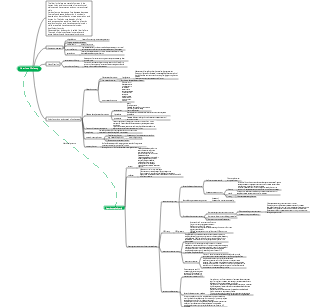
MindMap Gallery Medicine-Hepatic Insufficiency Mind Map
This is a mind map about liver insufficiency, including causes and classifications, functional and metabolic changes in liver insufficiency, hepatic encephalopathy, etc.
Edited at 2023-11-13 09:11:42This is a mind map about bacteria, and its main contents include: overview, morphology, types, structure, reproduction, distribution, application, and expansion. The summary is comprehensive and meticulous, suitable as review materials.

This is a mind map about plant asexual reproduction, and its main contents include: concept, spore reproduction, vegetative reproduction, tissue culture, and buds. The summary is comprehensive and meticulous, suitable as review materials.
This is a mind map about the reproductive development of animals, and its main contents include: insects, frogs, birds, sexual reproduction, and asexual reproduction. The summary is comprehensive and meticulous, suitable as review materials.
This is a mind map about bacteria, and its main contents include: overview, morphology, types, structure, reproduction, distribution, application, and expansion. The summary is comprehensive and meticulous, suitable as review materials.
This is a mind map about plant asexual reproduction, and its main contents include: concept, spore reproduction, vegetative reproduction, tissue culture, and buds. The summary is comprehensive and meticulous, suitable as review materials.
This is a mind map about the reproductive development of animals, and its main contents include: insects, frogs, birds, sexual reproduction, and asexual reproduction. The summary is comprehensive and meticulous, suitable as review materials.
Liver insufficiency
Causes and Classification
Common causes
biological factors
Drugs and hepatotoxic substances
immune factors
nutritional factors
genetic factors
Classification
acute
Chronic
Functional metabolic changes in hepatic insufficiency
Metabolic disorders
Glucose metabolism disorder
Lipid metabolism disorder
protein metabolism disorder
Water and electrolyte metabolism disorders
hepatic ascites
Portal hypertension
Decreased plasma colloid osmotic pressure
Insufficient lymphatic drainage
Sodium and water retention
Electrolyte metabolism disorders
Hypokalemia
Hyponatremia
Failure in bile secretion and excretion
coagulopathy
biotransformation dysfunction
Detoxification dysfunction
drug metabolism disorder
Reduced hormone inactivation function
immune dysfunction
Increased endotoxin penetration into blood
Reduced endotoxin clearance
hepatic encephalopathy
Concept and staging
Phase I: prodromal phase
Stage II: Pre-lethargy stage
Stage III: Lethargic stage
Stage IV: coma stage
Pathogenesis of hepatic encephalopathy
ammonia poisoning theory
Causes of increased blood ammonia
Insufficient ammonia removal
Ornithine cycle disorder
increased ammonia production
Intestinal ammonia production
Enterohepatic circulation: bacteria release urease to break down urea to produce ammonia
Intestinal bacteria release amino acid oxidase to break down amino acids to produce ammonia
Liver dysfunction
Digestive capacity is reduced and protein is retained in the intestines
Intestinal bacteria are active and the production of amino acid oxidase and urease is increased.
In advanced liver cirrhosis combined with renal dysfunction, urea diffused into the intestine increases
Liver dysfunction combined with alkali respiration or the application of carbonic anhydrase inhibitors will reduce the production of NH4 and increase the diffusion of NH3 into the blood.
Before coma in patients with hepatic encephalopathy, muscle adenylate catabolism is enhanced and ammonia production is increased.
Toxic effects of ammonia on the brain
Ammonia changes neurotransmitters in the brain
Effects on glutamatergic neurotransmission
Increased inhibitory neuronal activity
Effects on other neurotransmitters
Ammonia interferes with brain cell energy metabolism
Effects of ammonia on nerve cell membranes
GABA (inhibitory neurotransmitter) theory
pseudoneurotransmitter theory
amino acid imbalance theory
Plasma amino acid imbalance causes
Aromatic amino acids and hepatic coma
Hepatic encephalopathy causes
Increased nitrogen load
The basis of prevention and treatment of hepatic encephalopathy
Hepatorenal syndrome
Causes and classification
Pathogenesis