MindMap Gallery Water, electrolyte and acid-base balance disorders
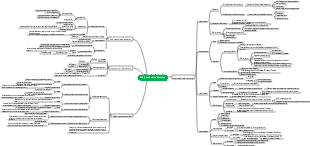
This is a mind map about water, electrolyte and acid-base balance disorders. Water, electrolyte and acid-base balance disorders refer to the imbalance in the quantity or proportion of water and electrolytes in the body, leading to physiological dysfunction.
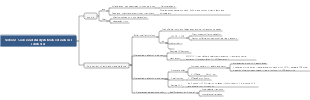
Edited at 2023-11-13 08:15:03This is a mind map about bacteria, and its main contents include: overview, morphology, types, structure, reproduction, distribution, application, and expansion. The summary is comprehensive and meticulous, suitable as review materials.

This is a mind map about plant asexual reproduction, and its main contents include: concept, spore reproduction, vegetative reproduction, tissue culture, and buds. The summary is comprehensive and meticulous, suitable as review materials.
This is a mind map about the reproductive development of animals, and its main contents include: insects, frogs, birds, sexual reproduction, and asexual reproduction. The summary is comprehensive and meticulous, suitable as review materials.
This is a mind map about bacteria, and its main contents include: overview, morphology, types, structure, reproduction, distribution, application, and expansion. The summary is comprehensive and meticulous, suitable as review materials.
This is a mind map about plant asexual reproduction, and its main contents include: concept, spore reproduction, vegetative reproduction, tissue culture, and buds. The summary is comprehensive and meticulous, suitable as review materials.
This is a mind map about the reproductive development of animals, and its main contents include: insects, frogs, birds, sexual reproduction, and asexual reproduction. The summary is comprehensive and meticulous, suitable as review materials.
Water and electrolyte metabolism disorders
Water and sodium metabolism disorders
Normal water and sodium balance
Body fluids: ICF 40%; ECF 20%
Electrolyte: Na, K, Ca2, Mg2; CI-, HCO3-, HPO42-, SO42-
Osmotic pressure of body fluids
Extracellular fluid: Na, CI-, HCO3- (90% ~95%)
Intracellular fluid: mainly K, HPO42-
Physiological functions of water
Promote substance metabolism
regulate body temperature
lubrication
bound water
water balance
Physiological functions of electrolytes
Inorganic electrolyte
Maintain osmotic pressure and acid-base balance of body fluids
maintain resting potential
Participate in action potential
Participate in metabolism and physiological functions
sodium balance
If you take in more, you will excrete more; if you take in less, you will excrete less.
Osmoreceptors
Hypothalamus (supraoptic nucleus and paraventricular nucleus)
Affects antidiuretic hormone (ADH) release
Enhance water reabsorption by renal distal convoluted tubules and collecting ducts
nephron
renal corpuscle
glomerulus
form original urine
renal capsule
renal tubules
proximal tubule
Recycles 99% of water, all Glc
distal tubule
Reabsorb part of sodium and water and excrete potassium
Water and sodium metabolism disorders
dehydration
hypotonic dehydration
The sodium loss is more than the water loss, the serum Na concentration is <135mmol/L, and the plasma osmotic pressure is <290mmol/L.
Mostly due to hormonal problems, such as insufficient secretion of aldosterone;
After a large amount of water loss, only replenishing water can also cause hypotonic dehydration.
hypovolemic hyponatremia
isotonic dehydration
Vomiting, diarrhea, extensive burns, pleural effusion, and ascites
hypertonic dehydration
reduced intake
water source cut off
Difficulty drinking water
Lost too much
Profuse sweating (hypotonic fluid)
diabetes insipidus
hypovolemic hypernatremia
water intoxication
Water retention significantly increases body fluid volume and decreases blood sodium
hypervolemic hyponatremia
Causes and Mechanisms
Too much intake
exclude reduction
Acute renal insufficiency and inappropriate infusion (excessive secretion of ADH)
Edema
Imbalance of fluid exchange inside and outside blood vessels
Increased capillary flow static pressure
heart failure; tumor compression
Decreased plasma colloid osmotic pressure
Cirrhosis; protein loss; chronic wasting disease
Increased microvascular wall permeability
Infections, burns, frostbite
Lymphatic drainage is blocked
Malignant tumors; radical mastectomy for breast cancer
Imbalance of fluid exchange inside and outside the body - sodium and water retention
Decreased glomerular filtration rate
glomerular disease
Increased reabsorption of sodium and water by the proximal convoluted tubule
Decreased atrial natriuretic secretion
Increased glomerular filtration fraction
Increased water reabsorption by the distal convoluted tubule and collecting duct
Increased aldosterone levels
Increased secretion
Decreased inactivation
Increased secretion of antidiuretic hormone
congestive heart failure
Activation of the renin-angiotensin-steroid system
Potassium metabolism disorders
Normal potassium content is about 50~55mmol/kg
Eat more and row more, eat less and row less, and skip even if you don’t eat.
Plasma potassium balance
cell membrane sodium potassium pump
Sodium and potassium exchange inside and outside the cell
Changes in transmembrane potential
Aldosterone and distal tubule fluid flow rate
Colonic potassium excretion and sweating
mechanism
Hypokalemia
Serum potassium concentration is less than 3.5mmol/L
Inadequate intake of potassium
Digestive tract obstruction, coma, anorexia, postoperative fasting
Too much potassium loss
Potassium loss through gastrointestinal tract
Vomiting, diarrhea, gastrointestinal decompression and intestinal flaccidity
Potassium loss through kidney
Myeloid or thiamine diuretics
Primary and secondary hyperaldosteronism
Kidney disease (kidney nephritis, acute renal failure)
Type I and II acidosis
magnesium deficiency
Transcutaneous potassium loss
manual labor
Transfer of extracellular potassium into cells
Alkalosis
excessive insulin use
Increased B-adrenergic receptor activity
hyperkalemia
Serum potassium concentration higher than 5.5mmol/L
Too much potassium
Commonly seen in improper handling
Decreased potassium excretion
renal failure, acute renal failure, chronic renal failure
Mineralocorticoid deficiency
Absolute: Adrenocortical insufficiency
Relative: for renal tubular diseases
Long-term use of potassium-sparing diuretics
Transfer of potassium from intracellular to extracellular
acidosis
Hemolysis
hypoxia
Effects on the body
Hypokalemia
Metabolic alkalosis (paradoxical aciduria)
Low potassium (in collecting ducts)
Sodium-potassium pump is inhibited
Increased sodium-potassium pump transport
More hydrogen ions are emitted
hyperkalemia
Metabolic acidosis (paradoxical alkaline urine)
Neuro-muscular effects
Hypokalemia
acute
Potassium concentration drops sharply
The ratio of [K ]i and [K ]e becomes larger
Resting potential (Em) negative value increases
Cell hyperpolarization block state
Chronic
The ratio of [K ]i and [K ]e is not large
The course of the disease is slow and no obvious changes
hyperkalemia
Acute (mild)
Em absolute value decreases
Increased excitability
Acute (severe)
The Em value drops or is almost close to the Et level
fast sodium channel inactivation
Cell depolarization block
Chronic
The ratio of [K ]i and [K ]e is not large
The course of the disease is slow and no obvious changes
Effect on myocardium
Hypokalemia
Myocardial physiological properties
Increased excitability
Increased self-discipline
reduced conductivity
Contractile changes
changes in electrocardiogram
Impairment of myocardial function
Arrhythmia
Increased sensitivity to cardiotonic drugs
hyperkalemia
Myocardial physiological properties
excitability changes
reduced self-discipline
reduced conductivity
reduced contractility
changes in electrocardiogram
Impairment of myocardial function
Conduction delay and unidirectional block
The effective refractory period is shortened again
severe cardiac arrhythmia
Acid-base balance disorder
Normal values of the body and sources of acid and alkali substances
Arterial blood pH is 7.35 to 7.45, with an average of 7.40
Acidic substances: 1. Volatile acid ➡️H2CO3 2. Fixed acid: excreted in urine through kidneys
Alkaline substances mainly come from food
Regulation of acid-base balance
buffering effect of blood
bicarbonate buffer system
Phosphate buffer system
protein buffer system
regulation of lungs
Central regulation of respiratory movement: The chemoreceptors of the respiratory center are sensitive to changes in H⁺ in the cerebrospinal fluid and local extracellular fluid. Once the H⁺ concentration increases, the respiratory center is excited, making the respiratory movement deepen and accelerate. However, H⁺ in the blood cannot easily pass through the blood-brain barrier, so changes in blood pH have less effect on the central chemoreceptors. However, CO2 in the blood can quickly pass through the blood-brain barrier, increasing the H⁺ concentration around the chemoreceptors, thereby increasing the concentration of H⁺ around the chemoreceptors. The respiratory center is excited.
Peripheral regulation of respiratory movements: sensing hypoxia and causing excitement of the respiratory center.
regulation of tissue cells
Ion exchange
Regulatory function of the kidney (excretion of H⁺, excretion of NH₄⁺, reabsorption of Na⁺, HCO3-)
Proximal tubule secretes H⁺ and reabsorbs NaHCO3
The distal convoluted tubule and collecting duct secrete H⁺ and reabsorb NaHCO3 (urine acidification)
Emission of NH₄⁺
simple acid-base balance disorder
Metabolic acidosis ➡️Plasma HCO3-primary decrease
reason
Kidneys excrete acid and maintain alkali⬇️
kidney failure
Type I and II renal tubular acidosis
Use carbonic anhydrase inhibitors
HCO3-too much direct loss
metabolic dysfunction
lactic acidosis
ketoacidosis
other reasons
Too much exogenous acid intake
hyperkalemia
Hemodilution (large amounts of saline)
Classification
AG-increased metabolic acidosis
AG normal metabolic acidosis
compensatory adjustment
Blood compensation, causing hyperkalemia
Pulmonary compensation, causing respiratory center ⬆️
Renal compensation (not caused by renal factors), secreting H⁺, protecting HCO3-
Metabolic alkalosis➡️Plasma HCO3-primary increase
reason
Too much acid loss (via stomach, kidneys)
HCO3-excess load
Hypokalemia
liver failure
Classification
saline reactive acidosis
saline resistant acidosis
compensatory adjustment
OH- is buffered by weak acid, and the HCO3- concentration increases. In addition, intracellular H⁺ escapes, and extracellular K⁺ enters the cell, resulting in hypokalemia.
Lung compensation, reduced ventilation
Renal compensation: secretion of H⁺, decrease in NH₄⁺, and decrease in HCO3- reabsorption
Respiratory acidosis ➡️ Primary increase in plasma H2CO3
reason
Respiratory center depression
airway obstruction
Respiratory muscle paralysis
Thoracic lesions
lung disease
Improper management of artificial respirators
Too much CO2 intake
Classification
acute respiratory acidosis
chronic respiratory acidosis
compensatory adjustment
Compensation of acute respiratory acidosis: H⁺ is buffered by hemoglobin and oxyhemoglobin, HCO3- is exchanged with Cl-
Compensation of chronic respiratory acidosis: secretion of H⁺ and NH₄⁺ by renal tubular epithelial cells and increased reabsorption of HCO3-
Respiratory alkalosis ➡️ Primary decrease in plasma H2CO3 concentration
reason
Hypoxemia and lung disease
Respiratory center stimulation or psychogenic hyperventilation
Strong body metabolism
Improper use of artificial respirator
Classification
acute respiratory alkalosis
chronic respiratory alkalosis
compensatory adjustment
Ion exchange inside and outside the cell and intracellular buffering: H⁺ combines with HCO3- from intracellular to extracellular, reducing HCO3- and increasing H2CO3
Renal compensation: renal tubular epithelial cells compensatory secretion of H⁺, NH3 decreases, HCO3- is excreted in urine, and plasma HCO3- decreases
Aldosterone (ALD) preserves sodium and potassium
Atrial natriuretic peptide (ANP) inhibits proximal tubule reabsorption