MindMap Gallery abdominal injury
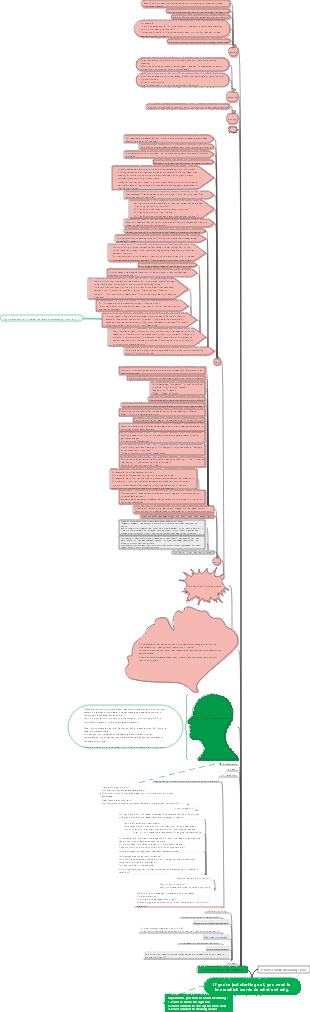
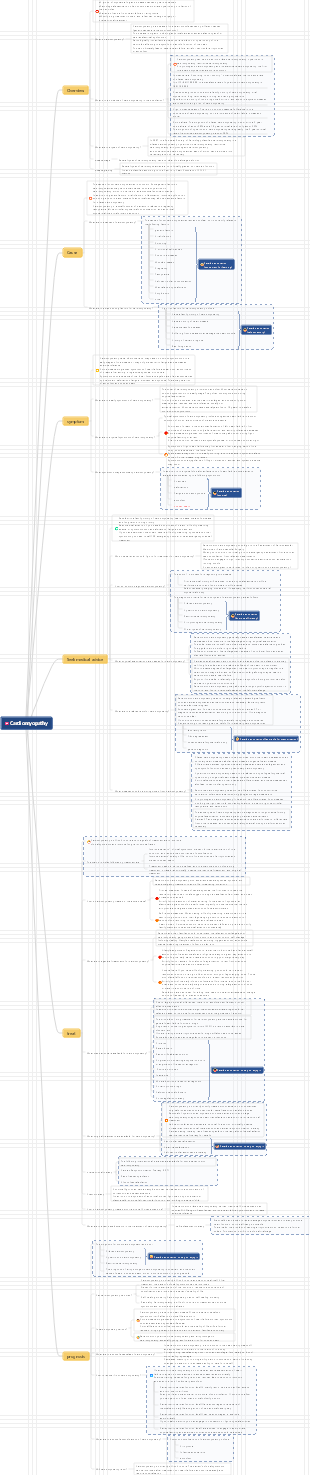
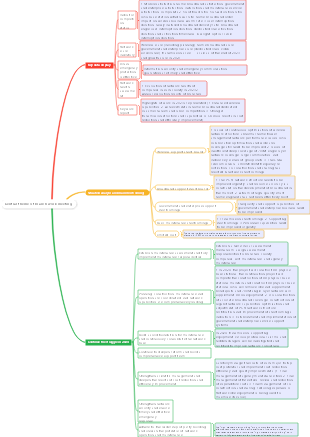
•This map talks about the test points and key points in the chapter about surgery-abdominal injuries (overview, characteristics and treatment of common visceral injuries), which will be of great help to students who want to take the medical examination (practice and assistant physician examination) ! •If you want to learn related knowledge, believe me, this map will be a good choice for you! •Drawing is not easy, I hope you enjoy it, thank you!
Edited at 2023-07-27 14:40:17This is a mind map about bacteria, and its main contents include: overview, morphology, types, structure, reproduction, distribution, application, and expansion. The summary is comprehensive and meticulous, suitable as review materials.
This is a mind map about plant asexual reproduction, and its main contents include: concept, spore reproduction, vegetative reproduction, tissue culture, and buds. The summary is comprehensive and meticulous, suitable as review materials.
This is a mind map about the reproductive development of animals, and its main contents include: insects, frogs, birds, sexual reproduction, and asexual reproduction. The summary is comprehensive and meticulous, suitable as review materials.
This is a mind map about bacteria, and its main contents include: overview, morphology, types, structure, reproduction, distribution, application, and expansion. The summary is comprehensive and meticulous, suitable as review materials.
This is a mind map about plant asexual reproduction, and its main contents include: concept, spore reproduction, vegetative reproduction, tissue culture, and buds. The summary is comprehensive and meticulous, suitable as review materials.
This is a mind map about the reproductive development of animals, and its main contents include: insects, frogs, birds, sexual reproduction, and asexual reproduction. The summary is comprehensive and meticulous, suitable as review materials.
abdominal injury
Section 1 Overview
1. Classification and causes
Abdominal injuries can be divided into two categories: open injuries and closed injuries according to whether they penetrate the abdominal wall and whether the abdominal cavity is connected to the outside world.
(open injury) (closed injury)
Cause
Mainly injuries caused by weapons, such as bullets, shrapnel, etc.
Mainly blunt force injuries, such as collision, squeezing, sticks, etc.
parts
Liver→small intestine→stomach→colon→large blood vessels
Spleen→kidney→small intestine→liver→mesentery (The most common closed abdominal injury is the spleen)
Features
① Penetrating injury: Those with peritoneal damage are often accompanied by visceral injuries; ②Non-penetrating injuries: those without peritoneal damage are occasionally accompanied by visceral injuries
Only limited to the abdominal wall, there may also be visceral injuries at the same time
2. Clinical manifestations
(Substantial organ damage) (Cavity organ damage)
Performance
Mainly shock (pale complexion, rapid pulse rate, unstable blood pressure)
Mainly peritonitis (Abdominal tenderness, rebound tenderness, and abdominal muscle tension)
diagnosis
Rupture of solid organs (liver, spleen, pancreas, kidney) = internal bleeding shock
Rupture of hollow organs (gastrointestinal tract, biliary tract, bladder) = Abdominal pain, severe peritoneal irritation
Features
If the liver ruptures and bleeds, Shock and peritonitis may occur at the same time
Intensity of peritoneal irritation: gastric juice, bile, pancreatic juice It is the most irritating; intestinal juice is the second most irritating, and blood is the lightest.
3. Laboratory examination
1. Imaging examination
X-ray
①The most commonly used ones are chest X-ray and supine abdominal plain X-ray. If necessary, pelvic X-ray can be taken;
② Free gas in the abdominal cavity is evidence of gastrointestinal rupture, and the standing abdominal plain film shows a crescent-shaped shadow under the septum;
③ Retroperitoneal gas accumulation indicates retroperitoneal duodenum (horizontal part of the duodenum) or colorectal perforation;
④In case of retroperitoneal hematoma, the psoas muscle shadow disappears
B-ultrasound
① Mainly used to diagnose damage to liver, spleen, pancreas, kidney and other parenchymal organs;
②The judgment of cavity organ damage is limited due to the interference of gas in the intestinal cavity
CT examination
① The patient needs to be moved, so it is only suitable for those whose condition is stable and needs a clear diagnosis;
②It has important diagnostic value for parenchymal organ damage and its scope
2. Diagnostic paracentesis and peritoneal lavage
(1) The positive rate of diagnostic abdominal puncture can reach more than 90%, It is very helpful to determine whether there is any damage to the abdominal viscera and what type of organ damage it is.
(2) If no blood coagulation is detected, it indicates internal bleeding caused by rupture of solid organs, and the blood does not coagulate due to the defibrination of the peritoneum.
(3) Failure to aspirate liquid does not completely rule out the possibility of internal organ damage. Close observation should be continued, and if necessary, the puncture can be repeated or peritoneal lavage performed instead.
positive standard
① The lavage fluid contains visible blood, bile, gastrointestinal contents or is proven to be urine;
② The red blood cell count exceeds 100×10⁹/L or the white blood cell count exceeds 0.5×10⁹/L under a microscope;
③Amylase exceeds 100 Somogyi units;
④Bacteria were found in the lavage fluid
Contraindications
Those who have severe intra-abdominal gas, are in the second or third trimester of pregnancy, have had previous abdominal surgery or have inflammation and agitation and are unable to cooperate
4. Diagnosis and differential diagnosis
1. Is there any internal damage?
Anyone with any of the following conditions should be considered for intra-abdominal organ injury:
①Those with early shock (especially hemorrhagic shock);
②Linear or even progressive abdominal pain accompanied by nausea and vomiting;
③ There is obvious peritoneal irritation sign;
④ There is pneumoperitoneum;
⑤Moving dullness appears in the abdomen;
⑥ Have blood in the stool, vomiting blood or blood in the urine;
⑦ Digital rectal examination reveals tenderness or fluctuation on the front wall, or the finger cot is stained with blood.
2. What organs are damaged?
The following performances are of certain value in determining which type of organ rupture is present:
① People with nausea, vomiting, bloody stools, and pneumoperitoneum are mostly gastrointestinal injuries;
② If you have difficulty urinating, hematuria, or referred pain in the vulva or perineum, it indicates damage to the urinary system organs;
③ If there is irritation of the peritoneum on the diaphragm and pain on the ipsilateral shoulder, it indicates damage to the upper abdominal organs, among which rupture of the liver and spleen is common;
④Those with lower rib fractures indicate the possibility of liver or spleen rupture;
⑤ Those with pelvic rotation indicate the possibility of rectal, bladder, and urethra injury.
3. Are there multiple injuries?
Various multiple injuries may include the following situations:
① Multiple injuries to a certain organ in the abdomen;
② More than one organ in the abdomen is damaged;
③In addition to abdominal injuries, there are also combined injuries outside the abdomen;
④ Injury outside the abdomen involving intra-abdominal organs. No matter what the situation is, during diagnosis and treatment, one should be vigilant and pay attention to avoid missed diagnosis, otherwise serious consequences will inevitably occur.
4. Close observation
Patients whose vital signs are stable and whose abdominal visceral injuries are temporarily unclear should be closely observed.
(1) Content of observation
① Measure blood pressure, pulse rate and respiration every 5 to 30 minutes;
②Check abdominal signs every 30 minutes;
③Measure red blood cell count, hemoglobin and hematocrit every 30 to 60 minutes;
④ Diagnostic abdominal puncture or lavage can be repeated if necessary.
(2) Requirements during observation
① Do not move the injured casually to avoid aggravating the injury;
②Analgesics are prohibited or used with caution to avoid covering up injuries;
③ Temporarily refrain from drinking to avoid aggravating abdominal cavity contamination in case of gastrointestinal perforation.
(3) The following treatments should be carried out during the observation period
① Actively replenish blood volume and prevent and treat shock;
②Inject broad-spectrum antibiotics to prevent and treat possible intra-abdominal infections;
③When there is suspected rupture of hollow organs or obvious abdominal pain, gastrointestinal decompression should be performed
5. Exploratory laparotomy
Indications for surgical exploration include:
① The general condition tends to worsen, with thirst, irritability, increased pulse rate or Those with increased body temperature and white blood cell count or progressive decrease in red blood cell count;
② Abdominal pain and peritoneal irritation signs progressively worsen or expand in scope;
③ Bowel sounds gradually weaken or disappear or the abdomen gradually bulges;
④ There is free air under the diaphragm, the area of liver dullness shrinks or disappears, or moving dullness appears;
⑤Those who receive active treatment for shock but the condition does not improve or continues to worsen;
⑥Those with gastrointestinal bleeding;
⑦ Abdominal puncture to extract gas, non-coagulated blood, bile, gastrointestinal contents, etc.;
⑧There is obvious tenderness on rectal digital examination.
5. Treatment
1. Rescue measures
First, deal with the most life-threatening injuries. For the most critical cases, cardiopulmonary resuscitation is the overriding task, and relief of airway obstruction is the first step. Secondly, rapid control of obvious external bleeding, open pneumothorax or tension pneumothorax.
2. Prevent and treat shock
Regarding intra-abdominal organ injury itself, substantial organ injury can often lead to life-threatening bleeding, so it is more urgent than cavity organ injury. Victims of internal bleeding who have suffered shock must be rescued actively. If the condition cannot be corrected despite active anti-shock treatment, indicating progressive intra-abdominal bleeding, a prompt decision should be made to quickly perform laparotomy to stop bleeding while anti-shock. For patients with hollow organ perforation, shock occurs later, and most of them are hypovolemic shock caused by fluid loss. Generally, surgery should be performed on the premise of correcting the shock.
3. Sequence of laparotomy exploration of abdominal organs
If there is no massive intra-abdominal bleeding, systematic and orderly exploration of the abdominal organs should be performed.
(1) Laparotomy sequence
Liver and spleen → diaphragm, gallbladder → stomach → first section of duodenum → jejunum and ileum → large intestine and its mesentery → pelvic organs → posterior wall of stomach and pancreas → explore second, third and fourth sections of duodenum if necessary.
(2)Processing order
Hemorrhagic injury → perforated injury; colon → ileum → jejunum → stomach.
4. Anesthesia method and incision selection
(1) Choice of anesthesia method
Endotracheal intubation anesthesia should be used, and spinal anesthesia is prohibited to avoid a drop in blood pressure.
(2) Surgical incision selection
A midline incision is often used, which allows for rapid abdominal entry, less trauma and less bleeding, and can meet the need for thorough exploration of all parts of the abdominal cavity. The incision can also be extended up and down or added to the side as needed, or even combined with thoracotomy. When the abdomen has an open wound, do not expand the wound to explore the abdominal cavity.
(Tip: The incision for abdominal exploration for peritonitis is: right midline incision. Students can try to understand why)
Section 2 Characteristics and treatment of common visceral injuries
spleen damage
I. Overview
The spleen is one of the most easily damaged abdominal organs, and the incidence of spleen damage in abdominal wounds can be as high as 40% to 50%. Spleen rupture accounts for 20% to 40% of closed abdominal injuries and is the most commonly injured organ, accounting for 10% of open abdominal injuries.
2. Pathological classification
(Classification) (Features)
true rupture
Accounting for 85%, rupture involving the capsule is the most common type.
subcapsular rupture
Rupture in the peripheral part of the spleen parenchyma
central rupture
Rupture deep in the spleen parenchyma
3. Clinical manifestations
Typical manifestations of solid organ injury: intra-abdominal bleeding, but peritoneal irritation signs are not obvious.
4. Inspection
Diagnostic abdominal puncture
Diagnostic abdominal puncture can aspirate non-coagulated blood, which is the gold standard for diagnosis.
Abdominal B-ultrasound
Economical, simple and convenient examination method, this is the silver standard for diagnosis
5. Diagnosis
Spleen rupture = left rib injury and shock.
6. Treatment
1. Non-surgical treatment
The main measure is absolute bed rest for at least 1 week.
2. Surgical treatment
Including splenic rupture repair, splenectomy, etc.
7. Postoperative complications
Patients after splenectomy, mainly infants and young children, have weakened resistance to infection, and may even die from dangerous post-splenectomy infection with Streptococcus pneumoniae as the main pathogenic bacteria.
Liver rupture
I. Overview
2. Clinical manifestations
intra-abdominal bleeding
Symptoms include pale complexion, decreased blood pressure, accelerated pulse rate, hemorrhagic shock, etc.
peritoneal irritation
Bile causes peritoneal irritation
Black stool or vomiting blood
After liver rupture, blood may enter the duodenum through the bile duct, causing melena or hematemesis.
3. Inspection
Diagnostic abdominal puncture
Diagnostic abdominal puncture can aspirate non-coagulated bile, which is the gold standard for diagnosis.
Abdominal B-ultrasound
Economical, simple and convenient examination method, this is the silver standard for diagnosis
4. Diagnosis
Liver rupture = right rib, intra-abdominal bleeding, peritoneal irritation, right diaphragm elevation.
5. Processing
Liver injury accounts for 20% to 30% of abdominal injuries, ranking first among open abdominal injuries. The right liver has more ruptures than the left liver.
The basic requirements for surgical treatment are accurate hemostasis, thorough debridement, elimination of excessive bile leakage, treatment of other organ injuries and establishment of smooth drainage.
pancreatic damage
I. Overview
Pancreatic injuries account for about 1% to 2% of abdominal injuries. Pancreatic injuries are often caused by strong compression of the upper abdomen and direct force on the spine. The injuries are often in the neck and body of the pancreas. Due to the deep and hidden location of the pancreas in the hand, it is difficult to detect in the early stage.
(Tip: The most easily missed organ injury is pancreatic injury)
2. Clinical manifestations
1. Partial manifestations
After the pancreas is damaged or ruptured, pancreatic juice can accumulate in the omentum and manifest as obvious upper abdominal tenderness and muscle tension.
2. Spread of inflammation
After extravasated pancreatic juice enters the abdominal cavity through the omentum or ruptured lesser omentum, diffuse peritonitis and severe abdominal pain may quickly occur.
(Tip: However, for simple blunt trauma to the pancreas, the clinical manifestations are not obvious and the diagnosis is often delayed)
3. Inspection
1. B-ultrasound
The preferred examination for liver, gallbladder, pancreas, spleen and kidney is abdominal B-ultrasound.
2. Enhanced CT
The most valuable and meaningful examination is enhanced CT.
4. Treatment
1. Indications
If pancreatic injury is highly suspected or diagnosed, those with obvious peritoneal irritation signs should undergo immediate surgical treatment.
2. Surgical treatment
Adequate and effective abdominal and peripheral drainage ensures surgical results and prevents postoperative complications.
5. Complications
1. Common complications
The main complications of pancreatic injury are pseudocysts, pancreatic abscesses, and pancreatic fistulas.
2. Pancreatic pseudocyst
Pancreatic pseudocysts often form 3 to 4 weeks after pancreatic trauma or acute pancreatitis. They are mostly located in the body and tail of the pancreas, ranging in size from millimeters to tens of centimeters. They can compress adjacent tissues and cause corresponding symptoms. Perforation of the cyst can cause pancreatic origin. Sexual ascites.
duodenal injury
Injuries are more common in the second and third parts of the duodenum (more than 50%). There are many difficulties in the diagnosis and treatment of duodenal injuries, and the mortality and complication rates are quite high.
1. Clinical characteristics
The main cause of death in the early period after injury is severe combined injuries, especially abdominal large blood vessel injuries. The cause of death in the later period is infection, bleeding and failure of the duodenum caused by untimely diagnosis and improper treatment.
2. Inspection
1. Blood amylase
Elevated serum amylase, which is the primary test for pancreatitis.
2. Image examination
X-rays showing a blurred outline of the psoas muscle and flower-like changes in the retroperitoneum can be seen on the X-ray. CT showed air bubbles in the retroperitoneum and right anterior general gland.
3. Digital rectal examination
Crepitus can be palpated in the presacral area, indicating that the air has reached the retrofemoral space in the pelvis.
3. Treatment
Systemic anti-shock and timely surgical treatment are the keys to treatment.
Small bowel injury and colon injury
(Injury to the small intestine) (Injury to the colon)
Performance
Peritonitis appears earliest, bacteria The content is small, and peritonitis is relatively mild.
Peritonitis appears latest and has a high bacterial content, Peritonitis appears later but is more severe
deal with
① Once small intestinal injury is diagnosed, unless external factors If conditions do not permit, surgical treatment is required; ②The surgical method is mainly repair. Partial small bowel resection and anastomosis should be used when necessary
①Except for a few cases with small cracks, light abdominal contamination, and good general condition Some patients may consider primary repair or primary resection and anastomosis; ②Most patients are treated with enterostomy or intestinal external placement first. When the patient's condition improves after 3 to 4 weeks, the fistula can be closed again.
Rectal injury
1. Clinical characteristics
1. Injury site
The upper segment of the rectum is above the peritoneal reflection of the pelvic floor, and the lower segment is below the peritoneal reflection. Their appearance after injury is different. If the injury is above peritoneal reflection, the clinical manifestations are basically the same as colon rupture.
above peritoneal reflection
diffuse peritonitis
under peritoneal reflection
If it occurs under peritoneal reflection, it can cause severe perirectal infection. However, it does not manifest as peritonitis, and the diagnosis is easily delayed.
2. Clinical manifestations of extraperitoneal rectal injury
Blood is discharged from the anus; open wounds on the perineum, sacrococcyx, buttocks, and thighs have excessive discharge of feces; fecal residues are present in the urine; urine is discharged from the anus; after rectal injury, digital rectal examination can reveal rectal There is internal bleeding, and sometimes the rectal rupture can be felt.
2. Treatment
A double-lumen sigmoid colostomy was performed in the first stage, and the stoma was closed after 2 to 3 months.