 Wondershare EdrawMind
MindMap Gallery Major and trace elements of the human body
- 46
Major and trace elements of the human body
Systematically records the effects of macroelements and trace elements on the human body, as well as dietary sources. From the perspective of elemental balance medicine, illness means an imbalance of elements in the body, and treatment means supplementing or adjusting the elemental balance in the body.
Edited at 2023-07-27 12:25:40
- bacteria
This is a mind map about bacteria, and its main contents include: overview, morphology, types, structure, reproduction, distribution, application, and expansion. The summary is comprehensive and meticulous, suitable as review materials.
- Plant asexual reproduction
This is a mind map about plant asexual reproduction, and its main contents include: concept, spore reproduction, vegetative reproduction, tissue culture, and buds. The summary is comprehensive and meticulous, suitable as review materials.
- Reproductive development of animals
This is a mind map about the reproductive development of animals, and its main contents include: insects, frogs, birds, sexual reproduction, and asexual reproduction. The summary is comprehensive and meticulous, suitable as review materials.
Major and trace elements of the human body
- bacteria
This is a mind map about bacteria, and its main contents include: overview, morphology, types, structure, reproduction, distribution, application, and expansion. The summary is comprehensive and meticulous, suitable as review materials.
- Plant asexual reproduction
This is a mind map about plant asexual reproduction, and its main contents include: concept, spore reproduction, vegetative reproduction, tissue culture, and buds. The summary is comprehensive and meticulous, suitable as review materials.
- Reproductive development of animals
This is a mind map about the reproductive development of animals, and its main contents include: insects, frogs, birds, sexual reproduction, and asexual reproduction. The summary is comprehensive and meticulous, suitable as review materials.
- Recommended to you
- Outline

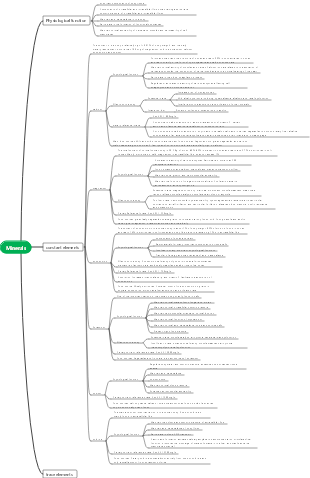
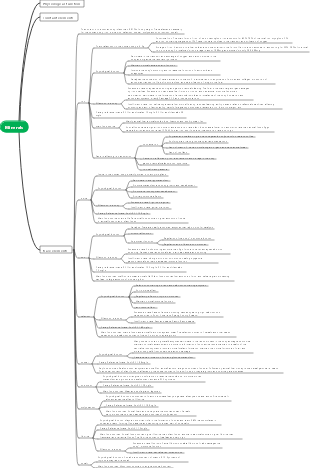
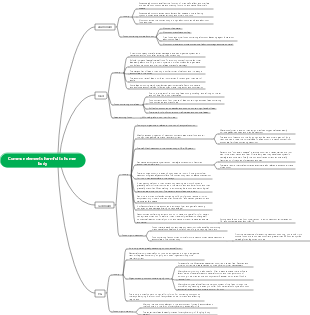
Major and trace elements of the human body
Overview
constant elements
Accounts for 99.9% of the human body
Including carbon, hydrogen, oxygen, nitrogen, phosphorus, sulfur, calcium, potassium, magnesium, sodium, chlorine, etc.
Make up body tissue and act as electrolytes in the body
trace elements
Accounting for about 0.05% of the human body
Including iron, copper, zinc, chromium, cobalt, manganese, nickel, tin, silicon, selenium, molybdenum, iodine, fluorine, vanadium, etc.
From the perspective of elemental balance medicine, illness means an imbalance of elements in the body, and treatment means supplementing or adjusting the elemental balance in the body.
constant elements
water
Hydrogen and oxygen are the main elements that make up water in the human body.
Accounting for 60% of adult body weight, it is the most essential nutrient and its importance is second only to air.
Water is the solvent for all nutrients and metabolic wastes. Water directly participates in redox reactions in the body and promotes various physiological activities and biochemical reactions.
A person needs to replenish approximately 1700mL of water a day, so instead of drinking only when you are thirsty, you should replenish water regularly.
protein
Carbon, nitrogen, oxygen, and hydrogen are the main elements that make up human proteins.
Please see the protein map for a detailed introduction, so I won’t go into details.
phosphorus
Physiological function
It exists in all cells of the human body and is an essential element in the composition of bones and teeth. It participates in almost all biochemical reactions of the human body.
Promote growth and repair of body tissues and organs
Assists in fat and starch metabolism
Provide energy and vitality
Reduce arthritis pain
Promote healthy growth of teeth and healthy development of gums
Make the heart beat regularly
Maintain normal kidney function
convey neural stimulation
Daily intake for adults
800mg~1200mg
Pregnancy and lactation periods require more
Consequences of excessive intake
Disruption of mineral balance and calcium deficiency
Osteoporosis and brittleness
tooth decay
Various symptoms of calcium deficiency
Foods high in phosphorus
Dairy products, soda, cola, yeast, animal offal, dried beans, whole grains, eggs, dried fish, etc.
sulfur
Found in every cell and one of the building blocks of amino acids
Physiological function
Helps maintain the health and luster of skin, hair and nails
Maintain oxygen balance and help brain function function normally
Foods high in sulfur
Cheese, eggs, fish, cereals, beans, meat, nuts, etc.
calcium
Introduction
Is an important component of bones and teeth
Physiological function
Prevent bone weakening and fractures caused by osteoporosis
Osteoporosis is a common disease in middle-aged and elderly people. It is characterized by the gradual thinning and fragility of bones. In the later stage, the spine is easily deformed and bent, and fractures are prone to occur, especially severely damaged hip fractures.
Supplementary method
Supplementing calcium and vitamin D at the same time has a better effect. Vitamin D can increase the absorption of calcium.
Calcium intake should be increased during puberty and development. Each person should supplement with 800ml of calcium per day, which is equivalent to 3 cups of milk. Milk contains high calcium, and the calcium to phosphorus ratio is 1.2:2, which is suitable for easy absorption and utilization.
Supplement calcium scientifically and do not overdose. Once overdose is taken, it can easily cause kidney stones and stubborn constipation.
Calcium-containing foods
Dried potatoes, potato starch, coriander, rapeseed, salted duck eggs, preserved eggs, soybeans and soybean products, marine fish, kelp, sea cucumbers, dried shrimps and green vegetables
Stewing meat and bones with vinegar can also increase the calcium in the broth.
Potassium
Physiological function
Potassium can maintain the body's ion balance, and the most important thing is to maintain body fluid balance, that is, the distribution of water in the body
maintain nerve impulse conduction
Foods rich in potassium
Millet, potato, rape, tomato, chicken, carp, etc.
magnesium
Physiological function
It is a kind of protective inorganic ion, which can be called the protective umbrella of human heart.
Heart problems can occur when magnesium levels in the blood are insufficient
Insufficient magnesium can make people emotionally tense, thereby increasing the secretion of stress hormones. The secretion of stress hormones in turn causes the loss of magnesium, and the nausea cycle results in an increased risk of heart disease.
Under normal circumstances, each person needs to consume at least 300mg~350mg of magnesium every day
Excess magnesium intake can cause blood clotting
Foods rich in magnesium
Green leafy vegetables, salmon, sardines, shellfish, shrimp, nuts, oatmeal, wheat germ, rice, brown rice, buckwheat, barley, etc.
sodium
Physiological function
Able to maintain human body ion balance
transmit biological information
Too much salt can cause an increase in body fluid and blood volume in the body, leading to increased blood pressure and increased heart burden.
Keep salt intake below 5g per person per day
salty food
Table salt is the main source
Seafood, pickled products, etc. also contain salt
chlorine
Physiological function
Combines with potassium and sodium to maintain fluid and electrolyte balance
The parts with the highest concentration of chlorine in the human body are the cerebrospinal fluid and the digestive juices in the stomach.
Foods containing chlorine
Table salt is the main source
trace elements
iron
Physiological function
Accounting for 0.006% of human body weight, the iron in the adult body is about 40g
Iron in the human body is bound to proteins and is not free
It is the main component of cytochrome enzyme, iron-sulfur protein, peroxidase, and catalase
It is the main component of hemoglobin and transports oxygen to human tissues.
If there is a lack of iron in the body, there will be less hemoglobin and less oxygen. Brain cells and other tissues will often be in a state of hypoxia, and you will feel tired and dizzy.
14.5g~15g per 100ml of blood is normal, and less than 12g indicates anemia.
Adults need 1g of iron daily, and adolescent women need 2g.
iron-containing foods
The main intake comes from food, especially animal food. Pork liver contains the most iron and has the highest absorption rate.
Meat, beans, and green vegetables also contain more iron, and cooking with iron cookware can also supplement iron.
copper
Physiological function
Copper-containing enzymes include tyrosinase, monoammonium oxidase, superoxidase, superoxide dismutase, ceruloplasmin, etc.
Copper deficiency can reduce tyrosinase activity and make hair white.
Vitiligo is a localized depigmentation of the skin surface, which is related to the lack of tyrosine, because tyrosine is a substance that can be converted into melanin, and tyrosinase is an enzyme protein combined with divalent copper ions. Yes, without copper ions, the catalytic activity is lost, so some hospitals commonly use copper sulfate to treat vitiligo.
Foods containing copper
Shrimp, oysters, jellyfish, fish, egg yolk, liver, tomatoes, beans and nuts, etc.
It should be noted that vitamin C cannot be taken immediately after a meal because vitamin C will hinder the absorption of copper.
zinc
Physiological function
The content in the human body is second only to iron
Zn²⁺ is the central ion in the human body and is present in many enzymes or proteins. Currently, there are 18 known enzymes and 14 enzymes that require Zn²⁺ activation. They are widely involved in various metabolic processes, including the synthesis and decomposition of lipids, proteins and nucleic acids. .
DNA and RNA polymerase are enzymes that synthesize nucleic acids and proteins. When base pairing errors occur, they have the function of promoting repair.
Affects taste and appetite. Zinc deficiency can lead to decreased appetite.
Maintain normal vision. Zinc deficiency can affect vision and cause night blindness.
Substances necessary to improve immunity and maintain normal immune and defense functions of the body
Inhibit lipid peroxidation, make cells more resistant to ions or free radicals, and delay aging
It is closely related to growth and development. Zinc deficiency can hinder growth and reduce fertility.
Experiments have shown that men who are deficient in zinc will lose 10% of their body weight, reduce their androgens, reduce their sperm volume by 30% to 40%, and even lose their fertility if they eat foods with low zinc content for 6 months.
Decreased fertility caused by zinc deficiency can be reversed and can be gradually restored to normal through zinc supplementation
Adults need about 15 mg of zinc every day, and children have greater needs during their growth period and adolescent sexual maturity.
zinc-containing foods
Widely found in various foods, including oysters, shrimps, oysters, animal livers, kidneys, meat, fish, chickens, ducks, etc.
Traditional Chinese medicine is also rich in polygonum multiflorum and peach kernel.
For zinc deficiency, ZnSO₄ and vitamin B can be used to make complex zinc tablets for prevention and treatment.
Zinc preparations can also be used for treatment, the more common one is oral zinc sulfate.
It needs to be used under the guidance of a doctor. Excessive use may cause adverse reactions in the digestive tract, including gastric bleeding and gastric ulcers in severe cases.
Elderly people can also buy foods with added zinc gluconate as nutrients and fortifiers, which can not only treat zinc deficiency but also prevent aging.
chromium
Physiological function
There are various oxidation states. The chromium required by the human body is Cr³⁺
Participate in the anabolism of carbohydrates, lipids and amino acids
Coordinates the action of insulin, if insufficient it can cause diabetes
Foods containing chromium
Seafood, meat and dairy products
cobalt
Physiological function
Vitamin B12 exists in the human body and is one of the most effective elements in physiologically dealing with diseases.
It can combat pernicious anemia. For example, vitamin B12 in liver preparations can combine with a mucin in gastric juice. Taking in 20 mg of vitamin B12 every day (that is, the cobalt content is about 1 mg) can control anemia.
It has a lipolytic effect and can prevent fat from accumulating in the liver.
Foods containing cobalt
It is the most common among seafood and honey, both exceeding 1 μg/g.
Rich contents include shrimp, scallops, oysters, meat, couscous and animal liver (chicken liver, beef liver), whole grains, pig kidney, fish roe, crab meat, walnuts, lettuce, peanuts, potatoes, ginger, etc.
Fermented soy products, such as stinky tofu, red bean curd, tempeh, soy sauce, etc., contain a small amount of vitamin B12
manganese
Physiological function
It is an activator of various enzymes in the human body and participates in various redox reactions.
make muscles stronger
Can affect lipid metabolism in patients with atherosclerosis
Lack of manganese can cause bone development disorders, affect vitamin synthesis in the body, and reduce disease resistance.
Foods containing manganese
Those with higher content include whole grains, beans, walnuts, peanuts, sunflower seeds, sesame seeds, tea, etc.
Green leafy vegetables also contain more manganese, but contain oxalic acid which can affect manganese absorption.
nickel
Physiological function
It is a component of nucleic acids and plays an important role in biofilm metabolism. Its deficiency can reduce the activity of related enzymes.
Foods containing nickel
Plant foods contain more, such as whole grains, dried beans, fruits, vegetables, etc.
tin
Physiological function
Related to the enzyme system of energy metabolism, it promotes tissue growth and wound healing. When lacking, growth stagnation, hair loss, fatigue, etc.
Foods containing tin
Meat, whole grains, dried beans, vegetables, etc.
silicon
Physiological function
Is an essential component for the formation of bones, cartilage, and connective tissue
Maintain blood vessel elasticity and bone calcification
Foods containing silicon
all plant foods
Milk also contains
selenium
Physiological function
Outstanding role in cancer prevention, anti-cancer, and cancer suppression
Can directly interact with carcinogens and hinder the production of carcinogens in metabolism
It is an important component of glutathione peroxidase, which can resist aging and prevent cancer.
Improve human immunity and extend life span
There are many centenarians in the northwest border area of Xinjiang, and the incidence of cancer is extremely low. One of the reasons is that this area is a high-selenium area.
It maintains the normal structure and function of the cardiovascular system and has a certain inhibitory effect on coronary heart disease and atherosclerosis. Vascular diseases are related to selenium deficiency. The reason is that selenium can inhibit lipid peroxidation and eliminate the toxic effects of free radicals, thereby protecting the myocardium. normal metabolism
Kashin joint disease is an endemic disease related to selenium deficiency
Ease or reduce the toxicity of harmful elements such as mercury and cadmium
Foods containing selenium
The standard supply of selenium recommended by the Chinese Nutrition Society is 5mg/day
The ones with higher content are seafood, meat, dairy products and grains
Selenium supplements include ginseng preparations, selenium-enriched yeast, vitamin C tablets containing inorganic selenium, etc.
molybdenum
Physiological function
It is an important component of xanthine oxidase, aldehyde oxidase, sulfite oxidase, nitrate reductase, etc.
Xanthine oxidase can catalyze the oxidative metabolism of purine compounds, eventually forming uric acid, and is closely related to iron metabolism
Aldehyde oxidase participates in the detoxification function of the body
Sulfite oxidase catalyzes the metabolism of sulfur-containing amino acids. Deficiency of this enzyme can lead to neurological disorders and, in most cases, damage to the eye lens.
Nitrate reductase has certain significance in the prevention and treatment of esophageal cancer
The molybdenum content in the body of people in areas with a high incidence of esophageal cancer or in patients with esophageal cancer is significantly lower than in areas and people with a low incidence of esophageal cancer.
Foods containing molybdenum
The human body has very little demand for molybdenum
Mainly derived from animal offal, meat, whole grains, wheat germ, eggs, leafy vegetables and yeast
iodine
Physiological function
Its only function is to synthesize iodine-containing hormone secreted by the thyroid gland - thyroid hormone
Typical symptoms of iodine deficiency are goiter (big neck disease), brittle hair, obesity and elevated blood cholesterol, hypothyroidism,
Children born to iodine-deficient pregnant women may suffer from cretinism known as dwarfism, a disease characterized by hypothyroidism, goiter, mental retardation, and growth retardation. These symptoms can be avoided by diagnosis and treatment with thyroid hormone after birth. occur
Mild iodine deficiency in adults may cause symptoms such as fatigue, muscle weakness, and excessive mucus secretion.
Excessive iodine intake, exceeding 2000 μg per day, also has the potential to cause goiter.
Foods high in iodine
Kelp and seafood
fluorine
Physiological function
Bones and teeth contain most of the fluoride in the human body
Can promote tooth enamel's resistance to bacterial acid corrosion and prevent dental caries
Water treatment plants generally add a small amount of fluorine to tap water.
In areas with high fluoride intake, the proportion of elderly people suffering from osteoporosis or the incidence of dental caries is significantly reduced.
When lacking, it can lead to tooth decay, osteoporosis, slow bone growth, and increased bone density and fragility.
May also cause infertility and anemia
Excessive fluoride can also cause poisoning, mainly manifested in skeletal fluorosis and dental fluorosis.
Foods with more fluoride
Drinking water, fluoride toothpaste
vanadium
Physiological function
The content in the human body is extremely low and is mainly distributed in the liver, kidney, thyroid and other parts of the body.
Normal human requirement 100μg/day
The absorption rate in the gastrointestinal tract is 5%. The absorption site is in the upper gastrointestinal tract and can be absorbed through the skin and lungs.
95% of the vanadium in the blood is transported in the form of free VO₂⁺ combined with transferrin, so vanadium and iron can interact with each other in the human body
It can regulate cofactors such as phosphoryl transferase, adenylyl cyclase, and protein kinases, and is closely related to the metabolism of hormones, proteins, and lipids in the body, improving hematopoietic function.
Can inhibit cholesterol synthesis and reduce the severity of atherosclerosis
It can replace hydroxyapatite in tooth enamel and teeth to prevent dental caries.
Diabetic patients have a certain relationship with reduced vanadium levels in the body
Foods high in vanadium
Cereals, root vegetables, nuts, vegetable oils, etc.