 Wondershare EdrawMind
MindMap Gallery Internal Medicine Chapter 5 Hypertension Mind Map
- 27
Internal Medicine Chapter 5 Hypertension Mind Map
This is a mind map about Chapter 5 Hypertension in Internal Medicine. Hypertension is a common chronic disease and the main risk factor for cardiovascular and cerebrovascular diseases. Including essential hypertension, secondary hypertension, etc.
Edited at 2023-11-08 16:39:25
- bacteria
This is a mind map about bacteria, and its main contents include: overview, morphology, types, structure, reproduction, distribution, application, and expansion. The summary is comprehensive and meticulous, suitable as review materials.
- Plant asexual reproduction
This is a mind map about plant asexual reproduction, and its main contents include: concept, spore reproduction, vegetative reproduction, tissue culture, and buds. The summary is comprehensive and meticulous, suitable as review materials.
- Reproductive development of animals
This is a mind map about the reproductive development of animals, and its main contents include: insects, frogs, birds, sexual reproduction, and asexual reproduction. The summary is comprehensive and meticulous, suitable as review materials.
Internal Medicine Chapter 5 Hypertension Mind Map
- bacteria
This is a mind map about bacteria, and its main contents include: overview, morphology, types, structure, reproduction, distribution, application, and expansion. The summary is comprehensive and meticulous, suitable as review materials.
- Plant asexual reproduction
This is a mind map about plant asexual reproduction, and its main contents include: concept, spore reproduction, vegetative reproduction, tissue culture, and buds. The summary is comprehensive and meticulous, suitable as review materials.
- Reproductive development of animals
This is a mind map about the reproductive development of animals, and its main contents include: insects, frogs, birds, sexual reproduction, and asexual reproduction. The summary is comprehensive and meticulous, suitable as review materials.
- Recommended to you
- Outline
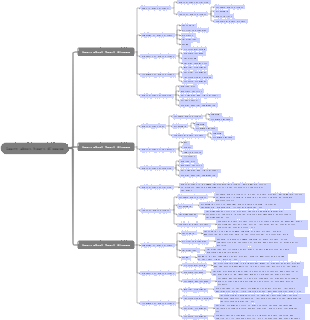
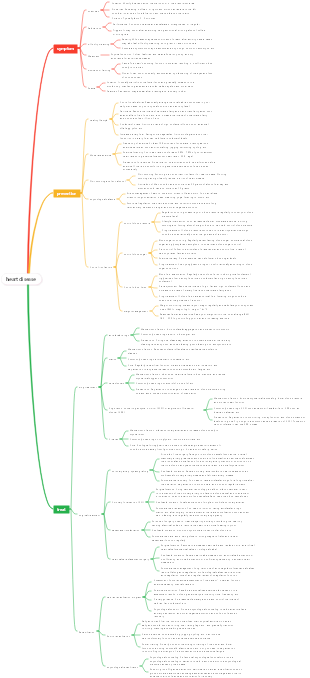

hypertension
Section 1 Essential hypertension
[Blood pressure classification and definition]
definition
Hypertension is a cardiovascular syndrome with elevated systemic arterial pressure as the main clinical manifestation
Hypertension is defined as office systolic blood pressure ≥140 mmHg and/or diastolic blood pressure ≥90 mmHg without the use of antihypertensive drugs.
Classification
Can be divided into essential hypertension and secondary hypertension
【Epidemiology】
It is higher in industrialized countries than in developing countries. The number of black people in the United States is about twice that of white people.
The prevalence, incidence and blood pressure levels of hypertension increase with age,
Hypertension is more common in the elderly, especially simple systolic hypertension.
The northern part of my country is higher than the southern one, and northern China and northeastern China are high-incidence areas; the coastal areas are higher than the inland areas; the urban areas are higher than the rural areas; and the plateau minority areas have higher incidence rates.
The overall prevalence of hypertension in my country shows a significant upward trend, and the awareness, treatment and control rates of hypertension among the Chinese population are still very low.
[Cause and pathogenesis]
(1) Factors related to the onset of hypertension
1. Genetic factors
Hypertension has obvious familial aggregation
Hypertension may be inherited in two ways: dominant gene inheritance and polygene-associated inheritance.
There is also a genetic component to blood pressure levels, the occurrence of complications, and other related factors such as obesity.
2. Environmental factors
(1) Diet
Blood pressure levels and prevalence of hypertension among people in different regions are significantly positively correlated with average sodium intake
Potassium intake is inversely related to blood pressure
Boost factor
high protein intake
A diet high in saturated fatty acids or a saturated fatty acid/polyunsaturated fatty acid ratio
The amount of alcohol consumed is linearly related to blood pressure levels, especially systolic blood pressure.
(2) Mental stress
The prevalence of hypertension among urban mental workers exceeds that among manual workers
People who live in a noisy environment for a long time and have reduced hearing sensitivity are more likely to suffer from high blood pressure.
(3) Smoking
Smoking can increase the release of norepinephrine from sympathetic nerve endings and increase blood pressure.
Impairment of nitric oxide (NO)-mediated vasodilation through oxidative stress, causing increased blood pressure
3. Other factors
(1) Weight
Weight gain is an important risk factor for increased blood pressure, and people with abdominal obesity are prone to high blood pressure.
(2) Drugs
The incidence and degree of elevated blood pressure in women taking contraceptive pills are related to the length of time they take the pills
It is usually mild and reversible. Blood pressure often returns to normal 3 to 6 months after stopping the medication.
Ephedrine, adrenocortical hormones, nonsteroidal anti-inflammatory drugs (NSAIDs), licorice, etc. can also increase blood pressure
(3) Sleep apnea hypopnea syndrome (SAHS)
50% have hypertension, and the degree of elevated blood pressure is related to the course and severity of SAHS
(2) Pathogenesis of hypertension
1. Nervous mechanism
Hyperactive sympathetic nervous system, elevated plasma catecholamine concentration, and enhanced contraction of resistance arterioles, leading to increased blood pressure
2. Kidney mechanism
Various reasons cause renal water and sodium retention, increase cardiac output, and increase peripheral vascular resistance and blood pressure through self-regulation of systemic blood flow.
Activate the pressure-natriuretic mechanism to excrete retained water and sodium
Increased secretion and release of natriuretic hormones, such as endogenous digitalis-like substances, increase peripheral vascular resistance and blood pressure while excreting water and sodium.
3. Hormone mechanism
Renin-angiotensin-aldosterone system (RAAS) activation
4. Vascular mechanism
Changes in the structure and function of large arteries and small arteries, that is, vascular remodeling, play an important role in the pathogenesis of hypertension.
5. Insulin resistance
Secondary hyperinsulinemia increases renal water and sodium reabsorption, increases sympathetic nervous system activity, and decreases arterial elasticity, thereby increasing blood pressure.
Hypersympathetic activity caused by insulin resistance increases the body's heat production, which is a negative feedback regulation of obesity. This regulation comes at the expense of increased blood pressure and dyslipidemia.
(3) Characteristics of hypertension in the Chinese population
A diet high in sodium and low in potassium is one of the main risk factors for most hypertensive patients in my country.
Overweight and obesity will become another important risk factor for the increase in the prevalence of hypertension in my country
The general lack of folic acid in the Chinese population leads to an increase in plasma homocysteine levels, which is positively correlated with the onset of hypertension.
Especially increases the risk of stroke caused by high blood pressure
【Pathophysiology and Pathology】
Hemodynamics
Blood pressure is mainly determined by cardiac output and systemic peripheral vascular resistance
Mean arterial blood pressure (MBP) = cardiac output (CO) × total peripheral vascular resistance (PR)
young hypertensive patients
The main changes in hemodynamics are increased cardiac output and aortic stiffening
Reflects overactivation of the sympathetic nervous system, usually occurs in men
Middle age (30-50 years old)
Manifested as increased diastolic blood pressure, with or without increased systolic blood pressure
Isolated diastolic hypertension is common in middle-aged men and is associated with weight gain
The main hemodynamic features are increased peripheral vascular resistance and normal cardiac output.
elderly
Isolated systolic hypertension is the most common type
Epidemiology shows that systolic blood pressure increases with age, while diastolic blood pressure gradually decreases after the age of 55.
An increase in pulse pressure indicates central arterial sclerosis and an increase in peripheral arterial echo velocity leading to an increase in systolic blood pressure.
Isolated systolic hypertension is common in the elderly and women and is one of the major risk factors for diastolic heart failure.
target organ
(1) Heart
hypertensive heart disease
Long-term increased pressure load, catecholamines and ATII can stimulate cardiomyocyte hypertrophy and interstitial fibrosis, causing left ventricular hypertrophy and dilation.
Left ventricular hypertrophy can decrease coronary blood flow reserve, especially when oxygen consumption increases, leading to subendocardial myocardial ischemia.
Hypertensive heart disease is often complicated by coronary atherosclerosis and microvascular disease
(2) Brain
Long-term hypertension causes ischemia and degeneration of cerebral blood vessels, forming microaneurysms. Once ruptured, cerebral hemorrhage may occur.
Blood pressure promotes cerebral atherosclerosis, and atherosclerotic plaque rupture can be complicated by cerebral thrombosis.
Occlusive lesions of small cerebral arteries, causing small pinpoint infarcts, are called lacunar infarctions
Cerebral vascular disease site
The lenticulostriate artery of the middle cerebral artery, the paramedian artery of the basilar artery, and the cerebellar dentate nucleus artery are common.
(3) Kidneys
Long-term sustained hypertension increases intraglomerular capsule pressure, glomerular fibrosis, atrophy, and renal arteriosclerosis, leading to renal parenchymal ischemia and nephron reduction.
Chronic renal failure is one of the serious consequences of long-term hypertension, especially when combined with diabetes
In malignant hypertension, proliferative endotitis and fibrinoid necrosis occur in the afferent arterioles and interlobular arteries, which may lead to renal failure in the short term.
(4) Retina
Retinal arterioles spasm early and develop sclerosis as the disease progresses
Keith-Wagener fundus grading
A sudden increase in blood pressure can cause retinal exudation and hemorrhage
Blood vessel
Systemic arteriole lesions are mainly caused by an increase in the wall/lumen ratio and a reduction in the lumen diameter.
Vascular endothelial dysfunction is currently considered to be the earliest and most important vascular damage caused by hypertension.
Long-term hypertension and associated risk factors can promote the formation and progression of atherosclerosis
[Clinical manifestations and complications]
(1) Symptoms
Most have a slow onset and lack special clinical manifestations
It is only discovered when measuring blood pressure or when heart, brain, kidney and other complications occur.
Common symptoms
Dizziness, headache, tight neck, fatigue, palpitations, etc.
Typical hypertension headaches disappear after blood pressure drops
If severe dizziness or vertigo occurs suddenly, please note that it may be cerebrovascular disease, excessive blood pressure reduction, or orthostatic hypotension.
Severe symptoms such as blurred vision and nosebleeds may occur
Symptoms of affected organs may occur
Such as chest tightness, shortness of breath, angina pectoris, polyuria, etc.
(2) Physical signs
Peripheral vascular pulsation, vascular murmurs, heart murmurs, etc. are key inspection items
Vascular murmurs are more common at the costovertebral angles on both sides of the neck and back, on both sides of the umbilicus in the upper abdomen, and at the costovertebral areas of the waist.
Cardiac auscultation may reveal an elevated second heart sound in the aortic valve area, systolic murmur or early systolic click.
Secondary hypertension may
Lumbar mass suggests polycystic kidney disease or pheochromocytoma
The delayed appearance or absence of femoral artery pulse, and the blood pressure of the lower limbs is significantly lower than that of the upper limbs, suggesting aortic coarctation.
Central obesity, purple striae, and hirsutism suggest hypercortisolism
【complication】
1. Cerebrovascular disease
Including cerebral hemorrhage, cerebral thrombosis, lacunar infarction, and transient ischemic attack
2. Heart failure and coronary heart disease
3. Chronic renal failure
4. Aortic dissection
【Laboratory examination】
1.Basic items
Blood biochemistry (sodium, potassium, fasting blood glucose, total cholesterol, triglycerides, HDL cholesterol, LDL cholesterol and uric acid, creatinine)
Complete blood count, hemoglobin hematocrit; urinalysis (microscopic examination of protein, sugar, and urine sediment); electrocardiogram
2. Recommended items
Ambulatory blood pressure monitoring (ABPM)
normal reference range
The average 24-hour blood pressure is <130/80mmHg, the average daytime blood pressure is <135/85mmHg, and the average nighttime blood pressure is <120/70mmHg.
significance
Can diagnose white coat hypertension and detect masked hypertension
Whether there is resistant hypertension, and evaluate the degree of blood pressure elevation, short-term variability, circadian rhythm, and treatment effect, etc.
Echocardiography, carotid artery ultrasound, 2-hour postprandial blood glucose, blood homocysteine, urine protein quantification, fundus examination, pulse wave conduction velocity and ankle-brachial blood pressure index, etc.
3. Select project
patients with secondary hypertension
Plasma renin activity, blood and urinary aldosterone, blood and urinary cortisol, blood epinephrine and norepinephrine, blood and urinary catecholamines
Arteriography, renal and adrenal ultrasound, CT or MRI
sleep breathing monitoring
Hypertensive patients with complications should undergo corresponding heart, brain and kidney examinations
【Diagnosis and Differential Diagnosis】
The diagnosis of hypertension is mainly based on blood pressure values measured in the clinic.
Measure blood pressure at the brachial artery in the upper arm while sitting quietly at rest
Hypertension can be diagnosed by measuring three blood pressure values on different days, with systolic blood pressure ≥140mmHg and/or diastolic blood pressure ≥90mmHg.
I have a history of hypertension and am taking antihypertensive drugs. Although my blood pressure is normal, I am still diagnosed with hypertension.
The blood pressure difference between the left and right upper arms is <1.33~2.66kPa (10~20mmHg)
The difference is large, it is necessary to consider that there is obstructive disease in the subclavian artery and its distal end on one side.
Patients with suspected orthostatic hypotension should also have supine and standing blood pressure measurements
【Risk Assessment and Prognosis】
The prognosis of patients with hypertension is not only related to blood pressure levels, but also to the presence of other cardiovascular risk factors and the degree of target organ damage.
Cardiovascular risk stratification should be carried out for patients with hypertension, and patients with hypertension should be divided into low risk, intermediate risk, high risk and very high risk.
See Table 3-5-2 and Table 3-5-3 on page 252 of the book
【treat】
(1) Purpose and principles
Purpose
Reduce the incidence and mortality of cardiovascular and cerebrovascular diseases in patients with hypertension
1. Therapeutic lifestyle intervention
① Lose weight: Control BMI to <24kg/m2 as much as possible
② Reduce sodium intake: The daily amount of salt per person should not exceed 6g.
③Supplement potassium salt: Eat fresh vegetables and fruits every day
④ Reduce fat intake: Reduce edible oil intake, eat less or no fat meat and animal offal
⑤Quit smoking and limit alcohol consumption
⑥ Increase exercise: Exercise can help reduce weight and improve insulin resistance, improve cardiovascular regulation and adaptability, and stabilize blood pressure levels.
⑦ Reduce mental stress and maintain a balanced mentality
⑧Supplement folic acid preparations when necessary
Suitable for all patients with hypertension
2. Target patients treated with antihypertensive drugs
①Patients with hypertension level 2 or above
②Patients with high blood pressure combined with diabetes, or patients with target organ damage or complications of the heart, brain, or kidneys
③Those whose blood pressure continues to rise and whose blood pressure has not been effectively controlled after improving their lifestyle
High-risk and very high-risk patients must be intensively treated with antihypertensive drugs
3. Blood pressure control target value
It is generally advocated that the blood pressure control target value should be <140/90mmHg
The speed of blood pressure reduction should be moderate
For patients with diabetes, chronic kidney disease, heart failure or stable coronary heart disease combined with hypertension, the blood pressure control target value is <130/80mmHg
For elderly patients with systolic hypertension, systolic blood pressure should be controlled below 150mmHg. If tolerated, it can be reduced to below 140mmHg.
4. Collaborative control of multiple cardiovascular risk factors
Taking into account the control of multiple risk factors such as blood sugar, blood lipids, uric acid and homocysteine
(2) Antihypertensive drug treatment
1. Basic principles for the application of antihypertensive drugs
(1) Small dose
A smaller effective therapeutic dose should usually be used for initial treatment and the dose should be gradually increased as needed.
(2) Give priority to long-acting preparations
Whenever possible, use long-acting drugs that have a 24-hour antihypertensive effect and are administered once a day.
Effectively control nighttime blood pressure and morning peak blood pressure, and more effectively prevent cardiovascular and cerebrovascular complications.
If medium or short-acting preparations are used, they need to be administered 2 to 3 times a day to achieve stable blood pressure control.
(3) Combined medication
Can increase blood pressure lowering effect without increasing adverse reactions
Hypertension of grade 2 or above often requires combined treatment to achieve target blood pressure.
For patients with blood pressure ≥160/100mmHg or 20/10mmHg higher than the target blood pressure or high-risk patients
From the beginning, low-dose combination therapy of two drugs can be used or a fixed compound preparation can be used
The widespread use of single-pill fixed compound preparations is beneficial to improving the blood pressure compliance rate
(4) Individualization
According to the patient's specific situation, drug effectiveness and tolerance, taking into account the patient's financial conditions and personal wishes
2. Types of antihypertensive drugs
Five major categories, namely diuretics, beta-blockers, calcium channel blockers (CCB), angiotensin-converting enzyme inhibitors (ACEI) and angiotensin II receptor blockers (ARB)
See Table 3-5-4 on page 254 of the book
3. Function characteristics of various types of antihypertensive drugs
(1) Diuretics
There are three categories: thiazides, loop diuretics and potassium-sparing diuretics
Commonly used hydrochlorothiazide
Mechanism
Mainly through sodium excretion, reducing extracellular volume and peripheral vascular resistance
For people
Mild and moderate hypertension, it has a strong antihypertensive effect on simple systolic hypertension, salt-sensitive hypertension, obesity or diabetes, menopausal women, heart failure and hypertension in the elderly.
Loop diuretics are mainly used in hypertensive patients with renal insufficiency
Adverse reactions
Hypokalemia and effects on blood lipids, blood sugar, and blood uric acid metabolism
Often occurs with high doses, so low doses are recommended
Potassium-sparing diuretics can cause hyperkalemia and should not be used in combination with ACEI and ARB. Patients with renal insufficiency should use them with caution.
Fatigue, increased urine output, etc. are contraindicated in gout patients.
(2) β-receptor antagonist
There are three categories: selective (β1), non-selective (β1 and β2) and combined α-receptor antagonism.
Mechanism
It exerts antihypertensive effects by inhibiting central and peripheral RAAS, inhibiting myocardial contractility and slowing heart rate.
Beta-receptor antagonists not only reduce resting blood pressure, but also inhibit the sharp increase in blood pressure under physical stress and exercise.
For people
Patients with varying degrees of hypertension, especially middle-aged and young patients with fast heart rates or those with angina pectoris and chronic heart failure
The effect on hypertension in the elderly is relatively poor
To treat hypertension, it is advisable to use selective β1-receptor antagonists or β-receptor antagonists with both α-receptor antagonistic effects to achieve a higher dose that can effectively slow down the heart rate.
Adverse reactions
Bradycardia, fatigue, cold limbs
Abrupt discontinuation of therapy at higher doses can lead to withdrawal syndrome
Increases insulin resistance and may mask and prolong hypoglycemic reactions. Please pay attention when using
Beta-receptor antagonists have inhibitory effects on myocardial contractility, sinoatrial node and atrioventricular node function, and can increase airway resistance.
Contraindicated in patients with acute heart failure, sick sinus syndrome, and atrioventricular block
(3) Calcium channel blockers
Dihydropyridines are divided into dihydropyridines and non-dihydropyridines. The former is represented by nifedipine, and the latter includes verapamil and diltiazem.
Mechanism
Blocking voltage-dependent L-type calcium channels reduces the entry of extracellular calcium ions into vascular smooth muscle cells, weakens excitation-contraction coupling, and reduces the contractile response of resistance vessels.
Reduce the vasoconstrictor effect of ATII and α1 adrenergic receptors and reduce renal tubular sodium reabsorption
For people
Calcium channel blockers have no significant effect on blood lipids, blood sugar, etc., and medication compliance is good
Good antihypertensive effect on elderly patients
High sodium intake and nonsteroidal anti-inflammatory drugs do not affect antihypertensive efficacy
It also has a significant antihypertensive effect on alcoholic patients
Can be used for patients with diabetes, coronary heart disease or peripheral vascular disease
Long-term treatment also has anti-atherosclerotic effects
Adverse reactions
At the beginning of treatment, reflex sympathetic activity is enhanced, causing increased heart rate, facial flushing, headache, lower limb edema, etc., especially when short-acting preparations are used.
Non-dihydropyridines inhibit myocardial contraction and conduction function and should not be used in patients with heart failure, sinus node dysfunction or heart block.
(4) Angiotensin-converting enzyme inhibitors
Mechanism
Mainly by inhibiting circulating and tissue ACE, it reduces the production of ATⅡ, while inhibiting kininase and reducing the degradation of bradykinin.
The antihypertensive effect is slow and reaches maximum effect in 3 to 4 weeks.
Restriction of sodium intake or combined use of diuretics can lead to rapid onset and enhanced effects
For people
ACEI can improve insulin resistance and reduce urinary protein, and has good curative effect on patients with obesity, diabetes, and hypertensive patients with damaged heart and kidney target organs.
Especially suitable for hypertensive patients with heart failure, myocardial infarction, atrial fibrillation, proteinuria, impaired glucose tolerance or diabetic nephropathy.
Adverse reactions
Irritating dry cough and angioedema
The incidence rate of dry cough is 10% to 20%, which may be related to the increase of bradykinin in the body and may disappear after discontinuation of use.
Patients whose serum creatinine exceeds 3mg/dl should use it with caution, and serum creatinine and potassium levels should be monitored regularly.
It is contraindicated in patients with hyperkalemia, pregnant women and patients with bilateral renal artery stenosis.
(5) Angiotensin II receptor antagonist
Mechanism
Mainly by blocking tissue ATII receptor subtype AT1, it more fully and effectively blocks the vasoconstriction, water and sodium retention and remodeling effects of ATII.
The antihypertensive effect starts slowly, but is long-lasting and smooth
A low-salt diet or combined use with diuretics can significantly enhance the efficacy
Features
There are fewer adverse reactions directly related to drugs, generally do not cause irritating dry cough, and the compliance with continuous treatment is high.
Treatment objects and contraindications are the same as ACEI
4. Antihypertensive treatment plan
Most uncomplicated patients can be treated with thiazide diuretics, beta-blockers, CCBs, ACE inhibitors, and ARBs alone or in combination, and treatment should be initiated at low doses.
combination therapy
Patients with grade 2 hypertension can be treated with a combination of two antihypertensive drugs at the beginning
Mainly recommended applications to optimize combined treatment options
ACEI/ARB dihydropyridine CCB; ARB/ACEI thiazide diuretic
Dihydropyridine CCB Thiazide diuretics; Dihydropyridine CCB beta receptor antagonist
Secondary recommended combination treatment options
Diuretics β-receptor antagonist; α-receptor antagonist β-receptor antagonist; dihydropyridine CCB potassium-sparing diuretic; thiazide diuretic potassium-sparing diuretic
Combination therapy with three antihypertensive drugs must generally include a diuretic
long term treatment
Generally, patients can reach the blood pressure control target value within 3 to 6 months of treatment.
After blood pressure is controlled, treatment should still be continued
Hypertensive patients require long-term antihypertensive treatment, especially high-risk and very high-risk patients
Improve patient treatment compliance
Maintain regular and good communication between doctors and patients; involve patients and family members in formulating treatment plans; encourage patients to self-test their blood pressure at home
Lifestyle intervention and drug treatment are fundamental treatments for patients with hypertension
Percutaneous renal artery sympathetic nerve ablation shows preliminary efficacy and promise
[Special type of hypertension]
(1) Hypertension in the elderly
Epidemiological surveys in my country show that the prevalence of hypertension among people over 60 years old is 49%
Characteristics of high blood pressure
Increased systolic blood pressure, decreased diastolic blood pressure, and increased pulse pressure
High blood pressure fluctuations, prone to postural hypotension and postprandial hypotension
Blood pressure circadian rhythm abnormalities, white coat hypertension, and pseudohypertension are relatively common
Antihypertensive plan
The blood pressure of elderly patients with hypertension should be lowered to below 150/90mmHg, and if tolerated, it can be lowered to below 140/90mmHg.
For the elderly over 80 years old, the target value for blood pressure reduction is <150/90mmHg
The antihypertensive treatment of hypertension in the elderly should emphasize reaching the systolic blood pressure target, and at the same time, excessive lowering of blood pressure should be avoided.
Gradually reduce blood pressure to reach the target on the premise that antihypertensive treatment can be tolerated, and excessive rapid blood pressure reduction should be avoided.
CCB, ACEI, ARB, diuretics or beta-blockers can all be considered
(2) Hypertension in children and adolescents
Features
Hypertension in children and adolescents is mainly essential hypertension, which manifests as mild or moderate elevation of blood pressure. It usually has no obvious clinical symptoms and is closely related to obesity.
Left ventricular hypertrophy is the most common target organ involvement
Children and adolescents with significantly elevated blood pressure are mostly secondary hypertension, with renal hypertension being the primary cause.
Antihypertensive plan
Internationally, the 90th, 95th and 99th percentiles of blood pressure for different ages and genders are uniformly used as the criteria for diagnosing "high normal blood pressure", "hypertension" and "severe hypertension"
Hypertensive children and adolescents without target organ damage should have their blood pressure lowered to below the 95th percentile
When combined with kidney disease, diabetes, or hypertensive target organ damage, blood pressure should be lowered below the 90th percentile.
If lifestyle treatment is ineffective, clinical symptoms of hypertension, target organ damage, combined with diabetes, secondary hypertension, etc. should be considered.
ACE inhibitors or ARBs and CCBs are less likely to cause adverse reactions at standard doses and are often used as the first-choice pediatric antihypertensive drugs
Diuretics are often used as second-line antihypertensive drugs or in combination with other types of drugs
Other types of drugs, such as α-receptor antagonists and β-receptor antagonists, are mostly used in combination with severe hypertension in children and adolescents due to limitations in adverse reactions.
(3) Pregnancy-induced hypertension
(4) Resistant hypertension
definition
Resistant hypertension or refractory hypertension refers to the failure of blood pressure to reach the target level despite the use of more than three appropriate doses of antihypertensive drugs (which should generally include diuretics)
The use of four or more antihypertensive drugs should also be considered as resistant hypertension if the blood pressure reaches the target.
1. Pseudo-refractory hypertension
Due to errors in blood pressure measurement, the "white coat phenomenon" or poor treatment compliance, etc.
May occur in older adults with extensive atherosclerosis and calcification
When measuring brachial artery blood pressure, the cuff pressure in the hardened arterial lumen is required to block blood flow.
Pseudohypertension should be suspected in the following situations:
Significant increase in blood pressure without target organ damage
Obvious symptoms of hypotension such as dizziness and fatigue occur after antihypertensive treatment without excessive drop in blood pressure.
Evidence of calcification in the brachial artery
Brachial artery blood pressure is higher than lower limb arterial blood pressure
severe isolated systolic hypertension
2. Lifestyle has not been effectively improved
For example, weight and salt intake are not effectively controlled, excessive drinking, failure to quit smoking, etc. make it difficult to control blood pressure.
3. Unreasonable antihypertensive treatment plan
Adopt unreasonable combination treatment plan
Use antihypertensive drugs that have significant adverse effects on some patients, resulting in the inability to increase the dose to improve efficacy and compliance.
Diuretics (including aldosterone antagonists) not included in multidrug regimens
4. Other drugs interfere with the antihypertensive effect
NSAIDs
Causes water and sodium retention, enhances vasoconstrictive response to vasopressor hormones, and can offset the effects of various antihypertensive drugs except calcium channel blockers
Sympathomimetic amines
For example, some nasal drops and appetite-suppressing diet pills
It has the effect of stimulating α-adrenergic activity. Long-term use may increase blood pressure or interfere with the effect of antihypertensive drugs.
tricyclic antidepressants
Prevent sympathetic nerve endings from uptake of antihypertensive drugs such as reserpine and clonidine
cyclosporine
Stimulates the release of endothelin, increases renal vascular resistance, and reduces water and sodium excretion
Recombinant human erythropoietin
Can directly act on blood vessels and increase peripheral vascular resistance
Oral contraceptives and corticosteroids
Can antagonize the effects of antihypertensive drugs
5. Capacity overload
Excessive dietary sodium intake counteracts the effects of antihypertensive drugs
Volume overload is common in obesity, diabetes, renal impairment, and chronic renal insufficiency
No diuretics are used, or the selection and dosage of diuretics are inappropriate
Use a short-term intensive diuretic therapy trial to determine
Observe the therapeutic effects of combined administration of long-acting thiazide diuretics and short-acting loop diuretics
6. Insulin resistance
Insulin resistance is the main cause of resistant hypertension in obese and diabetic patients
Combined use of insulin sensitizers on the basis of antihypertensive drug therapy
Obese people can significantly lower their blood pressure or reduce the number of antihypertensive drugs by losing 5kg of weight
7. Secondary hypertension
SAHS, renal artery stenosis, and primary aldosteronism are the most common causes
Based on the assessment of possible causes, carry out effective lifestyle intervention and formulate a reasonable anti-hypertensive plan
(5) Hypertensive emergencies and sub-emergencies
Overview
definition
hypertensive emergency
Patients with primary or secondary hypertension have a sudden and significant increase in blood pressure (generally exceeding 180/120mmHg) under certain inducements.
Accompanied by progressive heart, brain, kidney and other important target organ dysfunction
malignant hypertension
A few patients' condition develops rapidly, with diastolic blood pressure lasting ≥130mmHg, headache, blurred vision, fundus hemorrhage, exudation and optic disc edema.
Prominent kidney damage, persistent proteinuria, hematuria and cast urine
Hypertensive emergency
Significantly elevated blood pressure without severe clinical symptoms or progressive target organ damage
Distinguishing criteria
The degree of blood pressure elevation is not the criterion for distinguishing hypertensive emergencies from subemergencies.
Blood pressure levels are not directly proportional to the degree of acute target organ damage
The only criterion for distinguishing the two is the presence or absence of recent acute progressive target organ damage
deal with
The urgency of antihypertensive treatment differs between hypertensive emergencies and subemergencies.
The former requires rapid lowering of blood pressure and intravenous administration
The latter requires lowering blood pressure within 24 to 48 hours, and rapid-acting oral antihypertensive drugs can be used
1. Treatment principles
(1) Reduce blood pressure promptly
For hypertensive emergencies, select appropriate and effective antihypertensive drugs, administer them through intravenous drip, and monitor blood pressure at the same time.
If possible, initiate oral antihypertensive treatment as early as possible
(2) Controlled blood pressure reduction
During a hypertensive emergency, blood pressure drops sharply in a short period of time, which may significantly reduce blood perfusion of important organs. Gradual controlled blood pressure reduction should be adopted.
The goal of blood pressure control in the initial period (within minutes to 1 hour) is to reduce mean arterial pressure by no more than 25% of pre-treatment levels.
Reduce blood pressure to a safer level within the next 2 to 6 hours, usually around 160/100mmHg
If tolerated and the clinical condition is stable, it will gradually decrease to normal levels over the next 24 to 48 hours.
If signs of ischemia in important organs are found after blood pressure reduction, the blood pressure reduction should be smaller.
Over the next 1 to 2 weeks, gradually lower your blood pressure to normal levels.
(3) Reasonable selection of antihypertensive drugs
It has a rapid onset of action and reaches the maximum effect in a short time; the duration of action is short and the effect disappears quickly after stopping the drug; the adverse reactions are minor.
It is best not to significantly affect heart rate, cardiac output and cerebral blood flow during the process of reducing blood pressure.
(4) Drugs to avoid
The antihypertensive effect of intramuscular injection of reserpine has a slow onset
Repeated injections within a short period of time can lead to unpredictable accumulation effects, severe hypotension, obvious drowsiness, and interference with judgment of consciousness.
It is also not advisable to use strong diuretics at the beginning of treatment
Unless there is heart failure or significant fluid volume overload
In most hypertensive emergencies, the sympathetic nervous system and RAAS are overactivated, peripheral vascular resistance is significantly increased, circulating blood volume in the body is reduced, and strong diuresis is risky.
2. Selection and application of antihypertensive drugs
(1) Sodium nitroprusside
mechanism
Directly dilates veins and arteries at the same time, reducing pre- and afterload
For people
Can be used for various hypertensive emergencies
Adverse reactions
Mild, with nausea, vomiting, and muscle tremors
Sodium nitroprusside is metabolized in red blood cells in the body to produce cyanide. When used for a long time or in large doses, you should be aware that thiocyanate poisoning may occur, especially in people with renal impairment.
(2) Nitroglycerin
mechanism
It dilates veins and selectively dilates coronary arteries and aorta, and is less effective than sodium nitroprusside in reducing arterial pressure.
For people
Nitroglycerin is mainly used in hypertensive emergencies with acute heart failure or acute coronary syndrome
Adverse reactions
Tachycardia, facial flushing, headache and vomiting, etc.
(3) Nicardipine
mechanism
Dihydropyridine calcium channel blockers, which act quickly and last for a short time, lower blood pressure while improving cerebral blood flow.
For people
Mainly used for hypertensive emergencies combined with acute cerebrovascular disease or other hypertensive emergencies
Adverse reactions
Tachycardia, facial flushing, etc.
(4) Labelore
mechanism
β-receptor antagonists that also have α-receptor antagonism have a rapid onset of action (5 to 10 minutes) and a longer duration (3 to 6 hours)
For people
Mainly used for patients with hypertensive emergency complicated by pregnancy or renal insufficiency
Adverse reactions
Dizziness, orthostatic hypotension, heart block, etc.
(6) Hypertension combined with other clinical conditions
Hypertension can be complicated by cerebrovascular disease, coronary heart disease, heart failure, chronic renal insufficiency, and diabetes.
Blood pressure management of acute stroke
For stable patients
The goal of antihypertensive treatment is to reduce the recurrence of stroke
For elderly patients, patients with severe bilateral or intracranial artery stenosis, and patients with severe orthostatic hypotension
Antihypertensive treatment should be carried out with caution, and the antihypertensive process should be slow and steady, preferably without reducing cerebral blood flow.
Myocardial infarction and heart failure patients with hypertension
First consider choosing ACEI or ARB and β-receptor antagonist, and the target blood pressure lowering value is <130/80mmHg
Chronic renal insufficiency combined with hypertension
The purpose of antihypertensive treatment is mainly to delay the deterioration of renal function and prevent the occurrence of cardiovascular and cerebrovascular diseases.
ACEI or ARB
Can delay the deterioration of renal function in the early and mid-term
In hypovolemia or in the advanced stage of the disease (creatinine clearance <30ml/min or serum creatinine exceeding 265μml/L, ie 3.0mg/dl), it may worsen renal function.
Most patients with diabetes and hypertension
Type 1 diabetes usually has normal blood pressure before proteinuria or reduced kidney function occurs, and hypertension is a manifestation of kidney disease.
Type 2 diabetes often coexists with hypertension early in life
They often have obesity, lipid metabolism disorders and severe target organ damage at the same time, and belong to a high-risk group for cardiovascular disease.
Active antihypertensive treatment, in order to achieve the target level, usually requires combined treatment of more than two antihypertensive drugs on the basis of improving lifestyle
ACEI or ARB can effectively reduce and delay the progression of diabetic nephropathy, and the blood pressure target value is <130/80mmHg
Section 2 Secondary hypertension
Overview
Secondary hypertension refers to an increase in blood pressure caused by certain identified diseases or causes, accounting for approximately 5% of all hypertension
Such as primary aldosteronism, pheochromocytoma, renovascular hypertension, renin-secreting tumors, etc.
Can be cured or improved through surgery
Screening status
①Young patients with moderate or severe elevated blood pressure
② Symptoms, signs or laboratory tests have clues to suspicion
For example, the asymmetry of limb pulse pulses is weakened or missing, and rough vascular murmurs are heard in the abdomen;
③The effect of combined drug treatment is poor, or blood pressure was once well controlled during treatment but has increased significantly in the near future
④Malignant hypertension patients
(1) Renal parenchymal hypertension
Including acute and chronic glomerulonephritis, diabetic nephropathy, chronic nephritis, polycystic kidney disease and hypertension caused by kidney transplantation.
The most common secondary hypertension
80% to 90% of end-stage renal disease is complicated by hypertension
mechanism
Massive loss of nephrons, leading to water and sodium retention and increased extracellular volume, as well as renal RAAS activation and reduced sodium excretion
Hypertension further increases the intraglomerular capsule pressure, forming a vicious cycle and aggravating kidney disease.
the difference
essential hypertension
Significant proteinuria rarely occurs, and hematuria is not obvious
Decline in renal function first begins with the concentrating function of the renal tubules. The glomerular filtration function can remain normal or enhanced for a long time. It is not until the final stage that glomerular filtration decreases and serum creatinine increases.
Renal parenchymal hypertension
Proteinuria, hematuria, anemia, decreased glomerular filtration function, and decreased creatinine clearance are often found when blood pressure is elevated.
Renal puncture histology can help establish the diagnosis
treat
Sodium intake must be strictly limited to <3g per day
Combined use of antihypertensive drugs to control blood pressure below 130/80mmHg
If there are no contraindications to use, the combined treatment plan should generally include ACEI or ARB, which will help reduce urinary protein and delay the deterioration of renal function.
(2) Renovascular hypertension
Renovascular hypertension is high blood pressure caused by unilateral or bilateral stenosis of the main trunk or branches of the renal arteries
Common causes
Takayasu arteritis, renal artery fibromuscular dysplasia
teenager
atherosclerosis
elderly
mechanism
Renal ischemia due to renal vascular stenosis activates RAAS
Early relief of stenosis can return pressure to normal
Renal artery stenosis due to long-term or high blood pressure, blood pressure generally cannot fully return to normal after the stenosis is relieved.
Persistent and severe renal artery stenosis can lead to damage to the affected side and even overall renal function
Auxiliary inspection
During physical examination, a vascular murmur can be heard at the costovertebral angle in the upper abdomen or back
Renal artery color ultrasound, radionuclide renogram, renal artery CT and MRI examinations are helpful in diagnosis
Renal arteriography can confirm the diagnosis and location of stenosis
treat
The treatment method can be interventional surgery, surgery or drug treatment according to the condition and conditions.
Percutaneous renal angioplasty and stent implantation are relatively simple and have a better effect on unilateral non-ostial localized stenosis.
Surgical treatments include revascularization, renal transplantation, and nephrectomy for patients who are not candidates for percutaneous renal angioplasty.
Combined treatment with antihypertensive drugs
The use of ACEI or ARB is contraindicated in patients with bilateral renal artery stenosis, impaired renal function, or poor renal function on the non-stenotic side.
(3) Primary aldosteronism
Cause
This disease is caused by hyperplasia of the adrenal cortex or excessive secretion of aldosterone by tumors.
Performance
Clinically characterized by long-term hypertension accompanied by hypokalemia
Some patients have normal serum potassium
Due to electrolyte metabolism disorders, this disease may have symptoms such as muscle weakness, periodic paralysis, polydipsia, and polyuria.
Most of the blood pressure is mildly or moderately elevated, and about 1/3 shows resistant hypertension.
Auxiliary inspection
Laboratory tests include hypokalemia, hypernatremia, metabolic alkalosis, decreased plasma renin activity, and increased plasma and urinary aldosterone.
Increased plasma aldosterone/plasma renin activity ratio has higher diagnostic sensitivity and specificity
Ultrasound, radionuclide, CT, and MRI can determine the nature and location of the lesion
Selective bilateral adrenal vein blood hormone measurement has a high diagnostic value for those who have real difficulty in diagnosis.
treat
If the disease is caused by an adrenocortical adenoma or cancer, surgical removal is the best treatment.
If it is adrenal cortical hyperplasia, subtotal adrenalectomy can also be performed
The effect is relatively poor, and antihypertensive drug treatment is generally still required.
Choose an aldosterone antagonist, spironolactone, or a long-acting calcium channel blocker
(4) Pheochromocytoma
Pheochromocytoma arises from chromaffin tissue in the adrenal medulla, sympathetic ganglia, and other parts of the body
Tumors intermittent or continuous release of excess epinephrine, norepinephrine, and dopamine
Performance
Typical attacks include paroxysmal increases in blood pressure accompanied by tachycardia, headache, sweating, and pale complexion.
Auxiliary inspection
During the attack, blood or urine catecholate or its metabolite 3-methoxy-4-hydroxymandelic acid (VMA) can be measured. If there is a significant increase, it indicates pheochromocytoma.
Ultrasound, radionuclide, CT or MRI can be used for localization diagnosis
treat
Most pheochromocytoma are benign, about 10% of pheochromocytoma are malignant, and surgical resection is effective
For those who cannot undergo surgery, choose α- and β-receptor antagonists combined with antihypertensive treatment.
(5) Hypercortisolism
Cause
It is mainly caused by excessive secretion of adrenocorticotropic hormone (ACTH) leading to adrenal cortex hyperplasia or adrenocortical adenoma, which causes excessive glucocorticoids.
Performance
80% of patients have high blood pressure, as well as central obesity, moon face, buffalo back, purple lines on the skin, increased hair, and elevated blood sugar.
Auxiliary inspection
Increased 24-hour urinary 17-hydroxy and 17-ketosteroids, dexamethasone suppression test, and adrenocortical hormone stimulation test are helpful in diagnosis.
Intracranial sella X-ray examination, adrenal CT and radionuclide adrenal scan can determine the location of the lesion.
treat
Treatment mainly uses surgery, radiation and drugs to cure the disease itself
Antihypertensive treatment can use diuretics or combined with other antihypertensive drugs
(6) Aortic coarctation
Cause
Aortic coarctation is mostly congenital, and a minority is caused by Takayasu arteritis.
Performance
The blood pressure in the upper arms is increased, while the blood pressure in the lower limbs is not high or decreased
There are arterial pulses and murmurs of collateral circulation in the interscapular area, parasternal area, and axilla, and there are vascular murmurs on chest auscultation.
Auxiliary inspection
Chest X-ray examination shows notches in the ribs caused by collateral artery erosion.
Aortography confirms diagnosis
treat
Mainly using interventional expansion stent implantation or surgical method