G protein-coupled receptor-mediated signal transduction
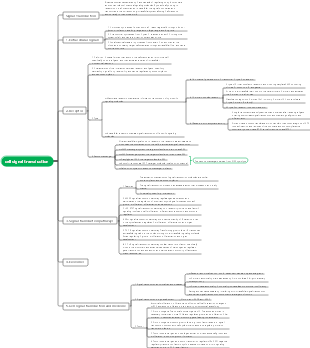
Three types of proteins required for transmembrane transduction
G protein coupled receptor
It is composed of a polypeptide chain that penetrates the membrane seven times with an a helix.
After binding to the ligand, its molecular conformation changes and is displaced on the membrane, binding to the G protein and activating it.
G protein
guanosine nucleic acid protein
It is an intermediary molecule that connects receptors and effector molecules.
There are more than 20 types of G proteins discovered so far
And the a subunit plays a switching role in the signal transduction process
G protein effector
Can directly lead to the development of channels that promote ion diffusion across membranes
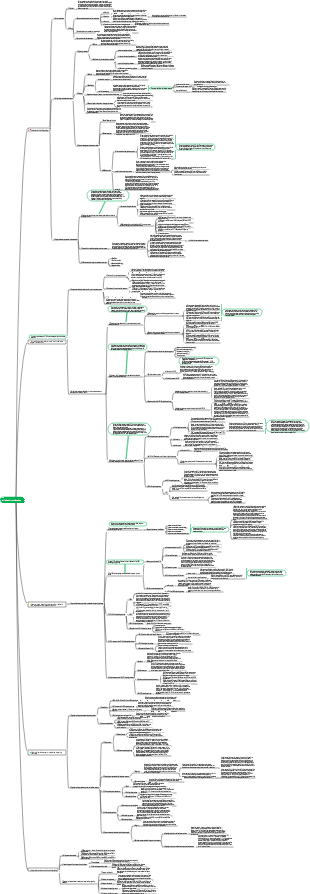
Ion channel receptor-mediated signal transduction
Ion channel receptors are membrane proteins composed of a ligand-binding part and an ion channel.
Chemically gated channel-mediated signal transduction
After a special gene or subunit with a receptor function in the structure is combined with a specific chemical signaling molecule - a ligand, the molecular conformation changes, causing the channel to open, ions to flow across the membrane, and the membrane potential to change, thereby causing changes in cell function.
For example, the N2 type acetylcholine receptor cation channel on the skeletal muscle end plate membrane
Voltage-gated channel-mediated signal transduction
There are some domains or genes that are sensitive to changes in membrane potential and act as ‘receptors’
Such as sodium ions, potassium ions, calcium ions
Mechanically gated channel-mediated signal transduction
Sensitive to mechanical stimulation. When subjected to specific mechanical stimulation, it can cause the channel to open or close, promote or hinder the movement of corresponding ions across the membrane, and the result will also lead to changes in the cell's bioelectrical activity.
Enzyme-linked receptor-mediated signal transduction
Completed by receptors and enzymes on the cell membrane
tyrosine kinase receptor mediated
Has dual functions of receptor and tyrosine kinase
Most growth factors transmit information through this type of signaling
tyrosine kinase-binding receptor-mediated
The molecule itself has no enzymatic activity, but when the receptor molecule binds to the ligand, it can bind to other intracellular tyrosine kinases and activate them, phosphorylating the tyrosine residues of the related protein molecules, thereby causing downstream signal event
For example, some hormones, such as erythropoietin, growth hormone and prolactin, all transmit signals in this way.
Guanylyl cyclase receptor mediated
Molecular structure similar to tyrosine kinase receptors
Atrial natriuretic peptide is its main ligand
serine/threonine kinase receptor mediated
Intracellular structure is different from that of tyrosine kinase receptors
Recruitment receptor-mediated signal transduction
It is a single transmembrane receptor. The intracellular domain of the receptor molecule does not have any enzymatic activity. However, once the extracellular domain of the recruiting receptor binds to the ligand, its intracellular domain can recruit kinases or adapter proteins in the cytoplasm. Activate downstream signal transduction pathways
The main ligands are cytokines
Receptors involve cytokine receptors, integrin receptors, Toll and Toll-like receptors, tumor necrosis factor receptors, and T cell receptors
Nuclear receptor-mediated signaling
It is a general term for intracellular receptors. The reason is that after the cytoplasmic receptor binds to the ligand, it usually moves into the nucleus to play its role.
For polypeptide single chain
External signals must first act on the intracellular receptors of cells or the structures in molecules that function as 'receptors', and then the biological effects are triggered by downstream signaling molecules linked to the receptors.
proteins involved in signal transduction
receptor
Proteins in cells have the function of receiving and transducing information. Receptors distributed on the cell membrane are called membrane receptors. Receptors located in the cytoplasm and nucleus are called cytoplasmic receptors and nuclear receptors respectively.
Ligand
Substances that specifically bind to receptors
Summary: Cell signal transduction mainly includes five types: G protein-coupled type, ion channel type, enzyme-linked type, recruitment type, and nuclear receptor type, all of which rely on the combination of receptors and ligands. Cell signaling is a multi-channel, multi-link, multi-level and highly complex controllable dynamic process, and the signal is a complex signaling network system, with cross-talk relationships between each signaling pathway.
Characteristics of recruiting receptors
Characteristics of nuclear receptors
The specific method of signal transmission
Ion channel signaling type
 Wondershare EdrawMind