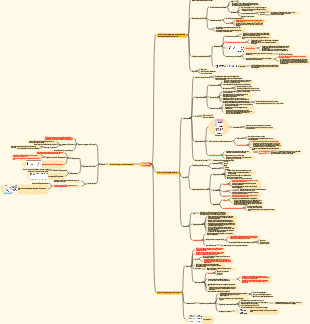
MindMap Gallery Swallowing disorder
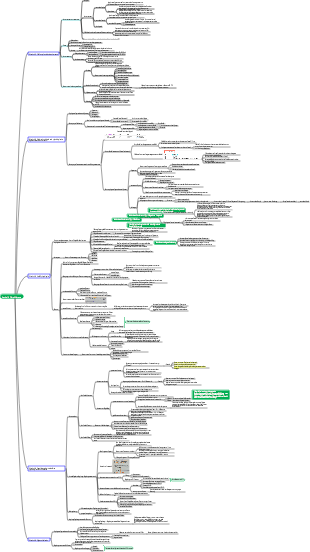
Swallowing disorder refers to the difficulty in swallowing during eating due to various reasons, which can lead to malnutrition, dehydration, aspiration pneumonia and other problems.
Edited at 2023-11-01 01:06:49This is a mind map about bacteria, and its main contents include: overview, morphology, types, structure, reproduction, distribution, application, and expansion. The summary is comprehensive and meticulous, suitable as review materials.
This is a mind map about plant asexual reproduction, and its main contents include: concept, spore reproduction, vegetative reproduction, tissue culture, and buds. The summary is comprehensive and meticulous, suitable as review materials.
This is a mind map about the reproductive development of animals, and its main contents include: insects, frogs, birds, sexual reproduction, and asexual reproduction. The summary is comprehensive and meticulous, suitable as review materials.
This is a mind map about bacteria, and its main contents include: overview, morphology, types, structure, reproduction, distribution, application, and expansion. The summary is comprehensive and meticulous, suitable as review materials.
This is a mind map about plant asexual reproduction, and its main contents include: concept, spore reproduction, vegetative reproduction, tissue culture, and buds. The summary is comprehensive and meticulous, suitable as review materials.
This is a mind map about the reproductive development of animals, and its main contents include: insects, frogs, birds, sexual reproduction, and asexual reproduction. The summary is comprehensive and meticulous, suitable as review materials.
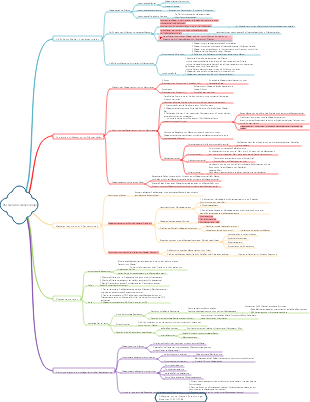
Swallowing disorder
definition
It refers to the difficulty in swallowing during eating due to various reasons, which can lead to malnutrition, dehydration, aspiration pneumonia and other problems.
Classification
Neurological factors: Such as stroke, brain trauma, neurological disease, etc.
structural factors Such as lesions or injuries in the mouth, throat, esophagus, etc.
functional factors Such as muscle function decline, oral sensitivity reduction, etc.
Influence
Undernutrition Due to difficulty in swallowing and singing. Patients may not be able to get enough nutrients, resulting in malnutrition
dehydration Due to insufficient water intake, patients may experience symptoms of dehydration
aspiration pneumonia When food accidentally enters the trachea, it can cause aspiration pneumonia, which can endanger your health in severe cases.
psychological stress Long-term difficulty in singing will cause psychological stress to patients and affect their quality of life.
Swallowing process and stages
1. Pre-cavity stage: patients perceive food through vision and smell
2. Oral stage: When food enters the mouth, it is processed through repeated chewing. Mainly assess the mobility of the patient’s teeth and tongue
3. Swallowing phase: refers to the swallowing process in the throat, that is, food is swallowed from the mouth to the throat. It is mainly used to evaluate whether the patient has a disease and whether there is any obstruction in the swallowing process.
4. The period of transporting food from the throat to the intestines: the process of transporting food to the gastrointestinal area and the corresponding reflex activities
5. Esophageal stage: After the esophagus receives food, it will regularly squeeze the food into the stomach one by one.
Innervation of the swallowing process
Oral stage Fifth pair of nerves (trigeminal nerve): touch and proprioception, movement. Seventh cranial nerve (facial nerve); taste and movement
Pharyngeal stage Ninth cranial nerve (glossopharyngeal nerve): taste, pharyngeal peristalsis, sleep fluid secretion Tenth pair of cranial nerves (vagus nerve): taste and movement, pharyngeal muscles proper, pharyngeal peristalsis and swallowing initiation The eleventh pair of nerves (accessory nerves): movement and stability of the head and neck
Oral and pharyngeal stages Twelfth cranial nerve (hypoglossal nerve): movement of tongue, larynx and hyoid bone
purpose of assessment
1. Screen for risk factors of aspiration and swallowing
2. Make it clear whether difficulty in swallowing is present
3. Find out the cause of dysphagia
4. Analyze the degree of swallowing dysfunction and determine compensatory ability
5. Formulate rehabilitation plan and evaluate prognosis
Assessment of Swallowing Disorders
Swallowing function test
Kubota drinking water test
Ask the patient to drink 30m of water as usual, observe and record the drinking time, whether there is choking, drinking status, etc., and record whether the patient has the following symptoms, such as slurping, slurping, water flowing out of the corner of the mouth, and asking for food while eating. Continue to drink reluctantly, drink cautiously, etc., and grade and judge them.
Grading
l: You can drink it in one sitting without choking.
ll: Drink it in two or more times without choking.
Ⅲ: Can drink it all in one sitting, but may choke
IV: Drink it in two or more times, and you get choked.
V: I often choke and find it difficult to finish the drink.
judge
Normal: Level 1, completed within 5 seconds
Suspicious: level l, completed in more than 5 seconds: level ll
Abnormality: Level III, IV, V
Repeated Saliva Swallowing Test (PSST)
Operation steps: Take a sitting position, the examiner places the index finger transversely on the upper edge of the patient's thyroid cartilage, and instructs him to make swallowing movements. When it is confirmed that the larynx rises with the swallowing movement, passes over the index finger and then resets, it is judged that a swallowing reflex has been completed. When the patient complains of dry mouth and difficulty in swallowing, a little water can be poured on the tongue to facilitate swallowing. Swallow repeatedly as quickly as possible and record the number of completed swallows
Assessment criteria: Swallowing dysfunction is abnormal if the number of swallows is less than 3 times within 30 seconds.
Simple swallowing elicitation test
Suitable for bedridden people
Swallowing stain test
Determine whether the patient has aspiration. If there is aspiration, a swallowing imaging examination should be performed.
laboratory tests
Video fluorescein swallowing examination (VFSS)
Considered the "ideal method" for dysphagia examination and the "gold standard" for diagnosis
Main observations
upright image Mainly observe whether there is any residue in the vallecula of the epiglottis and unilateral or bilateral pyriform fossae, and identify whether the functions of the pharyngeal wall and vocal cords are symmetrical
lateral image Mainly determine the changes in organ structure and physiological abnormalities in each stage of swallowing
VFSS manifestations of dysphagia
stay Residue overflow Aspiration Timing and coordination cricopharyngeal muscle dysfunction
Video endoscopic swallowing function test (VESS)
It uses a laryngoscope to observe the anatomical structures of the pharynx and larynx such as the epiglottis cartilage, spoon-shaped cartilage, and vocal cords under direct vision, as well as the functional status of saliva retention, saliva flow into the larynx, and glottis atresia.
Treatment of dysphagia
Oral Organ Movement Technology
(1) Purse your lips, say "um", hold for 5 seconds, do 5 times (2) Pout your lips, say "wu", hold for 5 seconds, do 5 times (3) Say "Hmm", then "Uh", then relax and repeat 5 to 10 times quickly in turn (4) Close your lips, hold the pressure for 5 seconds, relax, and repeat 5 to 10 times (5) Hold the tongue depressor with your lips, close it tightly, pull out the tongue depressor, use force against your lips, do resistance training, hold for 5 seconds and then relax, repeat 5 to 10 times (6) Progressive soap bubble blowing training (7) Progressive whistle training (8) Lip clip button training: Place a threaded button between the lips and teeth. The examiner gently pulls the thread to allow the lips to perform resistance movements to enhance the strength of the lips.
Jaw, face and cheek exercises
Tongue training
Lateral movements of tongue muscles Practice actions such as raising the tip of the tongue and the tongue body toward the back of the mouth, inhaling the cheek, curling the tongue body, and resisting resistance.
Oral organ sensory training
Deep pharyngeal muscle nerve and muscle stimulation
It uses frozen lemon sticks to stimulate the reflex function of the throat, focusing on three reflex areas: the soft base of the tongue, the upper pharyngeal constrictor muscles and the middle pharyngeal constrictor muscles, so as to strengthen the oral muscle function and throat reflexes and improve the swallowing function.
Sensory stimulation
Use modified vibrator, fingers, ice cotton swabs to stimulate lips, cheeks, tongue, throat wall, soft tissue and other parts
Pharyngeal function training
Maseko swallowing training method (tongue immobilization swallowing method)
Specific method: When swallowing, fix a small part of the tongue body behind the tip of the tongue between the teeth or the therapist pulls out a small part of the tongue body by hand, and then ask the patient to make swallowing movements to make the patient's pharyngeal wall contract forward.
This method is mainly used in patients with dysphagia who have weak forward movement of the posterior pharyngeal wall.
shakerll training method (head raising training)
Specific method: Let the patient lie on his back on the bed, raise his head as much as possible so that his eyes can look at his toes, but his shoulders cannot leave the bed, repeat several times
This action can make the suprahyoid muscle and other muscles such as the myoglossus muscle, thyrohyoid muscle, and digastric muscle move the hyoid bone and larynx joint upward and downward, and exert an upward and forward pulling force on the pharyngeal esophageal segment. The upper esophageal sphincter is opened, thereby reducing the occurrence of food residue and aspiration after swallowing due to poor opening of the upper esophageal sphincter.
Throat function exercises
Practice pronunciation of the sound flute with your mouth in your mouth
voice training
Hyoid-laryngeal complex training
Breathing training
abdominal breathing
pursed lip breathing
Strengthen glottal atresia
Breathing trainer
Airway protection swallowing technique training
glottis swallowing method
Operation method: Take a deep breath and then hold your breath - keep your breath closed, and at the same time eat a mouthful of food - swallow - after exhaling a breath, cough immediately - swallow again - breathe normally through your mouth.
Ultrasound supraportal swallowing method
Inhale and hold the breath tightly, pressing down firmly. Hold your breath while swallowing and press down, then cough immediately when swallowing is completed
Mendelssohn method
(1) For patients whose larynx can be raised, when swallowing, ask the patient to press the tongue against the hard object and hold his breath. Hold this position for a few seconds. At the same time, let the patient place his index finger above the thyroid cartilage and his middle finger on the cricoid cartilage to feel the Adam's apple. Lift up
(2) For patients who are unable to lift, the therapist pushes their throat with hands to promote swallowing. That is, as soon as the larynx starts to rise, the therapist places the thumb and index finger under the cricoid cartilage, gently pinches the larynx and pushes up the larynx, and then fixes it. It is important to first let the patient feel the larynx rising. After the larynx is gradually induced, the patient can then consciously maintain the raised position.
Swallowing forcefully
The patient sits on a chair, relaxes the body, straightens the body, relaxes the shoulders, relaxes the body, swallows saliva hard, and feels the force in the throat area. Practice 5 to 10 times each time. During the process of swallowing saliva, the patient needs to Use your fingers to feel the movement of the throat, and control your fingers to help the throat move. After the exercise, the patient needs to perform deep breathing and relaxation exercises.