MindMap Gallery Gastroenterology
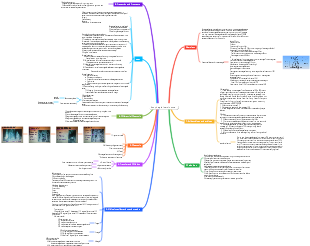
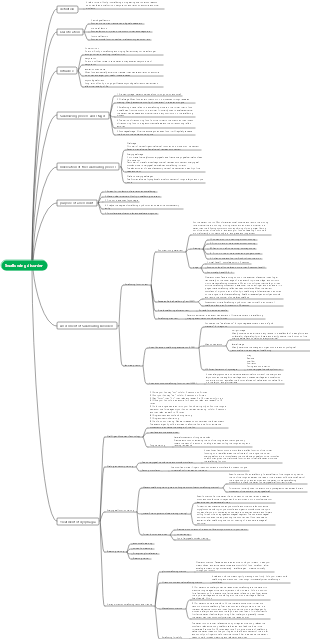
This is a mind map about gastroenterology. The main contents include: Chapter 2 Esophageal Cancer, Chapter 1 Gastroesophageal Reflux Disease. The introduction is detailed and the knowledge is comprehensive. I hope it can be helpful to everyone!
Edited at 2024-10-29 18:21:52Chronische Herzinsuffizienz ist nicht nur ein Problem der Geschwindigkeit der Herzfrequenz! Es wird durch die Abnahme der Myokardkontraktion und der diastolischen Funktion verursacht, was zu unzureichendem Herzzeitvolumen führt, was wiederum Staus im Lungenzirkulation und Stau der systemischen Zirkulation verursacht. Aus den Ursachen sind die pathophysiologischen Prozesse der Herzinsuffizienz für Kompensationsmechanismen komplex und vielfältig. Durch die Kontrolle von Ödemen, die Reduzierung der Vorder- und Nachlast des Herzens, die Verbesserung der Herzkomfortfunktion und die Verhinderung und Behandlung grundlegender Ursachen können wir auf diese Herausforderung effektiv reagieren. Nur durch das Verständnis der Mechanismen und klinischen Manifestationen von Herzinsuffizienz und Beherrschung der Präventions- und Behandlungsstrategien können wir die Herzgesundheit besser schützen.
Ischämie-Reperfusionsverletzung ist ein Phänomen, dass sich die Zellfunktion und Stoffwechselstörungen und strukturelle Schäden verschlimmern, nachdem Organe oder Gewebe die Blutversorgung wiederhergestellt werden. Zu den Hauptmechanismen gehören eine erhöhte Erzeugung des freien Radikals, die Kalziumüberladung sowie die Rolle von mikrovaskulären und Leukozyten. Das Herz und das Gehirn sind häufige beschädigte Organe, die sich als Veränderungen des Myokardstoffwechsels und ultrastrukturelle Veränderungen, verringerte Herzfunktion usw. manifestieren usw. umfassen die Entfernung von freien Radikalen, die Verringerung der Kalziumüberlastung, die Verbesserung des Stoffwechsels und die Kontrolle von Reperfusionsbedingungen, z.
Stress ist ein unspezifischer Schutzmechanismus, der im Körper unter interner und externer Umweltstimulation auftritt, aber übermäßiger Stress kann zu internen Umweltstörungen und -krankheiten führen. Die Stressreaktion beinhaltet mehrere Systeme wie neuroendokrine, zelluläre und körperliche Flüssigkeiten, und seine Hauptmanifestationen umfassen emotionale Reaktionen, Veränderungen der kognitiven Fähigkeiten und Veränderungen des sozialen Verhaltens. Übermäßige Konzentration von Katecholamin ist einer der Hauptmechanismen des Stresses, die körperliche Erkrankungen wie Herz -Kreislauf -Erkrankungen, Stressgeschwüre und psychische Probleme wie traumatische Belastungsstörungen verursachen können. Das Verständnis des Stadiums und des Aufprallmechanismus von Stress kann dazu beitragen, Stress besser zu bewältigen und die körperliche und psychische Gesundheit aufrechtzuerhalten.
Chronische Herzinsuffizienz ist nicht nur ein Problem der Geschwindigkeit der Herzfrequenz! Es wird durch die Abnahme der Myokardkontraktion und der diastolischen Funktion verursacht, was zu unzureichendem Herzzeitvolumen führt, was wiederum Staus im Lungenzirkulation und Stau der systemischen Zirkulation verursacht. Aus den Ursachen sind die pathophysiologischen Prozesse der Herzinsuffizienz für Kompensationsmechanismen komplex und vielfältig. Durch die Kontrolle von Ödemen, die Reduzierung der Vorder- und Nachlast des Herzens, die Verbesserung der Herzkomfortfunktion und die Verhinderung und Behandlung grundlegender Ursachen können wir auf diese Herausforderung effektiv reagieren. Nur durch das Verständnis der Mechanismen und klinischen Manifestationen von Herzinsuffizienz und Beherrschung der Präventions- und Behandlungsstrategien können wir die Herzgesundheit besser schützen.
Ischämie-Reperfusionsverletzung ist ein Phänomen, dass sich die Zellfunktion und Stoffwechselstörungen und strukturelle Schäden verschlimmern, nachdem Organe oder Gewebe die Blutversorgung wiederhergestellt werden. Zu den Hauptmechanismen gehören eine erhöhte Erzeugung des freien Radikals, die Kalziumüberladung sowie die Rolle von mikrovaskulären und Leukozyten. Das Herz und das Gehirn sind häufige beschädigte Organe, die sich als Veränderungen des Myokardstoffwechsels und ultrastrukturelle Veränderungen, verringerte Herzfunktion usw. manifestieren usw. umfassen die Entfernung von freien Radikalen, die Verringerung der Kalziumüberlastung, die Verbesserung des Stoffwechsels und die Kontrolle von Reperfusionsbedingungen, z.
Stress ist ein unspezifischer Schutzmechanismus, der im Körper unter interner und externer Umweltstimulation auftritt, aber übermäßiger Stress kann zu internen Umweltstörungen und -krankheiten führen. Die Stressreaktion beinhaltet mehrere Systeme wie neuroendokrine, zelluläre und körperliche Flüssigkeiten, und seine Hauptmanifestationen umfassen emotionale Reaktionen, Veränderungen der kognitiven Fähigkeiten und Veränderungen des sozialen Verhaltens. Übermäßige Konzentration von Katecholamin ist einer der Hauptmechanismen des Stresses, die körperliche Erkrankungen wie Herz -Kreislauf -Erkrankungen, Stressgeschwüre und psychische Probleme wie traumatische Belastungsstörungen verursachen können. Das Verständnis des Stadiums und des Aufprallmechanismus von Stress kann dazu beitragen, Stress besser zu bewältigen und die körperliche und psychische Gesundheit aufrechtzuerhalten.
Gastroenterology
Chapter 1 Gastroesophageal Reflux Disease
Cause
1. Abnormal structure and function of anti-reflux barrier
Postoperative achalasia, hiatal hernia, increased intra-abdominal pressure (such as pregnancy, obesity, abdominal effusion, constipation, vomiting, weight-bearing labor, etc.) and long-term increased intragastric pressure (delayed gastric emptying, gastric dilatation, etc.) )
2. Reduced esophageal clearance
Common diseases involving abnormal esophageal motility and decreased saliva secretion
3. Reduced esophageal mucosal barrier function
Long-term drinking, smoking, irritating foods or drugs can impair the barrier function of the esophageal mucosa against reflux material.
clinical manifestations
Esophageal symptoms
Typical symptoms
Acid reflux and heartburn often occur one hour after a meal, and may be aggravated when lying down, bending over, or when intra-abdominal pressure increases. In some patients, they may also occur during sleep at night.
Atypical symptom
Chest pain is caused by reflux material irritating the esophagus. It occurs behind the sternum. In severe cases, it manifests as severe stabbing pain, which can radiate to the precordium, back, shoulders, and behind the ears. Sometimes it resembles angina pectoris, with or without reflux and heartburn. .
Extraesophageal symptoms
Caused by reflux that irritates or damages unintentional tissues or organs in the esophagus, such as pharyngitis, chronic cough, asthma, and dental erosion
complication
1. Upper gastrointestinal bleeding
Esophageal mucosal erosion and ulcers can lead to vomiting blood or black stools
2. Esophageal stenosis
Recurrent esophagitis causes fibrous tissue hyperplasia, eventually leading to scar stenosis
3. Barrett’s esophagus
Auxiliary inspection
1. Gastroscopy
2. 24-hour esophageal pH monitoring
3. Barium esophagography
4. Esophageal manometry
Diagnosis and Differential Diagnosis
Reflux esophagitis
①Have symptoms of reflux or heartburn
②Reflux esophagitis found under gastroscopy
gastroesophageal reflux disease
①Have symptoms of reflux or heartburn
②Gastroscopy negative
③24-hour gastric tube
④PPI treatment is effective
Differential diagnosis
Infectious esophagitis, eosinophilic esophagitis, drug-induced esophagitis, achalasia, esophageal cancer, peptic ulcer, biliary tract disease, etc.
treat
drug treatment
Acid suppressants
PPI (proton pump inhibitor): omeprazole, lansoprazole, pantoprazole, rabeprazole, esomeprazole, ilaprazole sodium
Histamine H2 receptor antagonists: cimetidine, ranitidine, famotidine
Gastrointestinal motility drugs
Domperidone, mosapride, etopride, etc.
antacids
Used to temporarily relieve symptoms of mild to moderate symptoms
Refractory GERD
Maintenance treatment
patient education
You should not lie down in bed immediately after eating. You should not eat 2 hours before going to bed. You can raise the head of the bed 15-20cm while sleeping.
Reduce factors that cause increased intra-abdominal pressure: constipation, obesity, tight belts, etc.; avoid eating high-fat, chocolate, coffee, strong tea, etc.; use nitroglycerin and calcium channel blockers (nifedipine, benzenesulfonic acid) with caution Amlodipine, nimodipine, verapamil extended-release tablets, felodipine), anticholinergic drugs (atropine, anisodamine, scopolamine, probenzoline, belladonna)
Antireflux surgical treatment
laparoscopic fundoplication
Treatment of complications
upper gastrointestinal bleeding
Esophageal stricture
endoscopic esophageal dilation
Barrett's esophagus
Chapter 2 Esophageal Cancer
Cause
1. Nitrosamine compounds and mycotoxins
Mycotoxins: Fungi such as aflatoxin and Fusarium in moldy food can not only reduce nitrates to nitrites, but also promote the synthesis of carcinogens such as nitrosamines, and often collaborate with nitrosamines to cause cancer.
2. Chronic physical chemical stimulation and inflammation
Chronic physical and chemical irritation to the esophageal mucosa, such as long-term smoking and drinking, eating rough and hot foods, and inflammation caused by chronic esophageal diseases such as gastroesophageal reflux disease, corrosive esophageal burns and strictures, achalasia, and esophageal diverticula can all cause Causes increased incidence of esophageal cancer
3. Nutritional factors
Risk factors for esophageal cancer when micronutrients such as vitamins (A, B2, C, E, folic acid, etc.), zinc, selenium, and molybdenum are deficient
4. Genetic factors
The paternal line is the highest, the maternal line is second, and the collateral line is the lowest
pathology
Gross pathology
Early esophageal cancer
The lesions were limited to the mucosa and superficial submucosal layers without lymph node metastasis. Gastroscopy showed congestion, plaque, erosion and papillary appearance. Congestive type is mostly carcinoma in situ, which is an early manifestation of esophageal cancer; plaque type is the most common, with well-differentiated cancer cells; erosive type is the second most common, with poorly differentiated cancer cells; papillary type is mainly early invasive cancer, with average cancer cell differentiation. better.
Intermediate and advanced esophageal cancer
The cancerous tissue gradually involves the entire circumference of the esophagus, protrudes into the cavity, or penetrates the wall to invade adjacent organs. It is classified into medullary type, mushroom type, ulcer type and constriction type.
Tissue pathology
90% of esophageal cancers are squamous cell carcinomas, and a small number are adenocarcinomas (mostly related to Barrett's esophagus)
How esophageal cancer spreads and metastases
1. Direct spread: first infiltrates into the submucosa and muscle layer, penetrates the esophageal wall and then spreads to surrounding tissues and organs
2. Lymphatic metastasis: main mode of transfer
3. Hematogenous metastasis: in the late stage, it often metastasizes to the liver, lungs, bones, etc.
clinical manifestations
Early symptoms
Retrosternal discomfort, burning sensation, and pinprick or pulling-like pain, which may include slow passage of food, retention, or mild choking sensation
Middle and late symptoms
1. Progressive dysphagia: typical symptoms of intermediate and advanced esophageal cancer
2. Food reflux
3. Pain in swallowing
4. Other symptoms: Tumor compression of the recurrent laryngeal nerve can cause hoarseness and coughing; invasion of the phrenic nerve can cause hiccups; liver metastasis can cause jaundice; bone metastasis can cause pain; invasion of the trachea and bronchi can cause esophageal-bronchial fistula, Mediastinal abscess, pneumonia, lung abscess, etc.; invasion of the aorta can cause fatal bleeding.
symptom
In the late stage, weight loss, anemia, malnutrition, dehydration or cachexia may occur. After metastasis occurs, swollen and hard superficial lymph nodes or swollen and nodular liver are often touched. A few patients may develop abdominal or pleural effusion.
Auxiliary inspection
1. Gastroscopy
2. Barium esophagography
3. CT
4. EUS
5. Other examinations: PET-CT
Diagnosis and Differential Diagnosis
1. Achalasia: intermittent dysphagia, food regurgitation and retrosternal discomfort or pain, with a long course and generally no progressive weight loss
2. Gastroesophageal reflux disease
3. Benign esophageal stricture: history of corrosive or reflux esophagitis, long-term indwelling gastric tube or esophageal-related surgery
4. Globus hysteria: more common in women. The main symptom is a foreign body sensation in the pharynx, which disappears when eating. It is often induced by mental factors and often has no organic esophageal disease.
5. Others: Esophageal leiomyoma, hiatal hernia, esophageal varices, mediastinal tumors, periesophageal lymph node enlargement, left atrial enlargement, aortic aneurysm and other diseases that cause dysphagia
treat
Endoscopic treatment
early esophageal cancer
①Endoscopic mucosal resection
②Multiple ring ligation mucosal resection
③ Endoscopic mucosa stripping surgery
④ Endoscopic non-resection treatment: radiofrequency ablation, photodynamic therapy, argon ion coagulation and laser therapy
advanced esophageal cancer
①Simple dilation: Relieving symptoms lasts only a short time and requires repeated dilation. It is not suitable for those with a wide range of lesions.
② Intraesophageal stent placement: Endoscopic placement of a stent can relieve obstruction for a longer period of time
③Endoscopic cancer ablation: can be used for palliative treatment of intermediate and advanced esophageal cancer
Operation
The resection rate is 58%~92%, and early resection can achieve a radical cure effect.
radiotherapy
It is mainly suitable for patients with upper esophageal cancer and those with contraindications for surgery. It can also be used for preoperative or postoperative treatment.
Chemotherapy
prognosis
The prognosis of early-stage esophageal cancer is good if it is cured promptly and radically. The 5-year survival rate of endoscopic or surgical resection is greater than 90%. Symptomatic and untreated esophageal cancer patients generally die within 1 year. If the lesion is located in the upper esophagus, the length of the lesion exceeds 5 cm, has invaded the esophageal muscle layer, and the cancer cells are poorly differentiated or accompanied by metastasis, the prognosis is poor.