MindMap Gallery Care of injured patients
In the care of patients with burns and snake bites, wound repair is completed by the proliferation of cells and intercellular matrix in the injured area to fill, connect the wound or replace the defective tissue.
Edited at 2023-10-23 20:33:04This is a mind map about bacteria, and its main contents include: overview, morphology, types, structure, reproduction, distribution, application, and expansion. The summary is comprehensive and meticulous, suitable as review materials.

This is a mind map about plant asexual reproduction, and its main contents include: concept, spore reproduction, vegetative reproduction, tissue culture, and buds. The summary is comprehensive and meticulous, suitable as review materials.
This is a mind map about the reproductive development of animals, and its main contents include: insects, frogs, birds, sexual reproduction, and asexual reproduction. The summary is comprehensive and meticulous, suitable as review materials.
This is a mind map about bacteria, and its main contents include: overview, morphology, types, structure, reproduction, distribution, application, and expansion. The summary is comprehensive and meticulous, suitable as review materials.
This is a mind map about plant asexual reproduction, and its main contents include: concept, spore reproduction, vegetative reproduction, tissue culture, and buds. The summary is comprehensive and meticulous, suitable as review materials.
This is a mind map about the reproductive development of animals, and its main contents include: insects, frogs, birds, sexual reproduction, and asexual reproduction. The summary is comprehensive and meticulous, suitable as review materials.
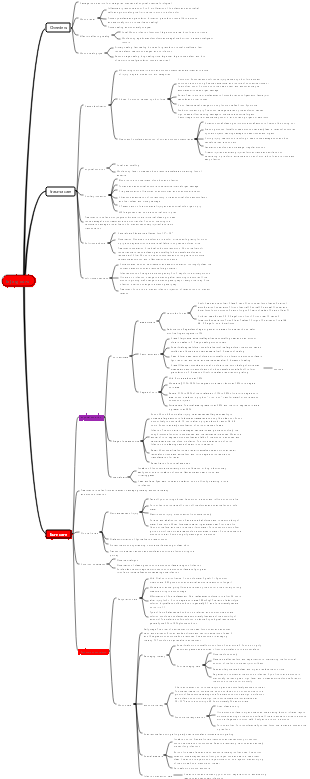
Care of injured patients
Overview
Classification of Trauma
Integrity Classification
open injury
① abrasion, ② stab wound, ③ cut wound, ④ laceration, ⑤ avulsion wound
closed injury
① Contusion, ② Sprain (joint rotation), ③ Crush injury (in severe cases, acute renal failure and shock characterized by myoglobinuria and hyperkalemia may occur, that is, crush syndrome) ④ Blast injury
Part classification
Cranium, chest, abdomen, pelvis, limbs, spine, spinal cord
Severity classification of illness
Mild and self-repairable
Moderate, generally not life-threatening
Severe, life-threatening or severely disabled after recovery
Pathophysiology
Local reaction: Exudation, swelling, leukocytes and other chemokines accumulate in the injured area, which is the same as inflammatory reaction.
Systemic reaction (1) Fever reaction: inflammatory mediators, cytokines, etc. act on the hypothalamic body regulation center. (2) Neuroendocrine response: Increased catecholamines, glucocorticoids, growth hormone, and glucagon. (3) Metabolic reaction: The catabolism of the three major substances is enhanced. (4) Immune response: immunity is reduced.
Repair of damage
Overview The repair of wounds is caused by the proliferation of cells and intercellular matrix in the injured area. Completed by filling, connecting wounds or replacing missing tissue.
Repair process Inflammation phase: The period when blood is filled, inflammation occurs, and fibrin is added. Stop bleeding and seal wounds. About 3~5 days Proliferative phase: Granulation tissue proliferates to fill the wound (fibroblast C, endothelium C, new capillaries), and fibroblast C synthesizes collagen f to form scar. 1~2 weeks> Shaping phase: Excessive scar tissue is decomposed and absorbed under the action of enzymes, making the shape close to normal and adapting to functional needs. 1 year
Types of wound healing: primary healing (primary healing): small tissue damage, neat wound edges, and no infection. Tissue repair is based on native cells Second-stage healing (scar healing): there are many tissue defects, uneven wound edges, or infection. Tissue repair is mainly fibrous tissue
Factors affecting wound healing Local factors: Wound infection is the most common
nursing assessment
Treatment points: Principles of treatment of open injuries: debridement 6-8 hours after injury. For open injuries of the head, face and joints, the debridement time can be appropriately relaxed. The principles of systemic treatment include active anti-shock, protection of important organ functions, supportive therapy, prevention of infection, etc.
Treatment Principles First Aid Principles: Save life first, restore function second, and preserve anatomical integrity third.
Nursing measures
emergency care
1. Quickly save lives 2. Maintain smooth respiratory tract 3. Bandage the wound and stop bleeding to protect the wound to prevent aggravation of contamination. Relax once every 0.5-1 hour or so, for 2-3 minutes each time. 4. Properly fix fractures. Patients with fractures,
Nursing Care of Closed Soft Tissue Trauma
1. General care: local immobilization, raising the affected limb 15°~30° 2. Condition observation: Patients with crush injuries should observe urine output, urine color, urine specific gravity, and pay attention to whether acute renal failure occurs. 3. Treatment cooperation: Apply local cold compress to the injured area within 24 hours
Care of burn patients
Overview Burn: refers to the damage to the skin and even deep tissue caused by the action of heat (flames, hydrothermal liquids, steam and high-temperature solids), electric current, radiation or chemical substances on the human body. Overview Burns in a narrow sense: refer to tissue damage caused by heat, which is the most common clinically
pathophysiological changes
Acute body fluid exudation stage: shock stage, life depends on it, Within 48 hours after injury, life depends on it Cause: Extravasation of body fluids Body fluid extravasation occurs 2 to 3 hours after injury, with the fastest leakage occurring at 6 to 8 hours, and peaking at 36 to 48 hours. Shock is an early complication or cause of death in burn patients (within 48 hours)
Infectious period
Early infection: 3 to 7 days after injury. Cause: Exudate reabsorption Mid-term infection: 2 to 3 weeks after injury. Cause: eschar falling off Late infection: 1 month after injury. Reason: The wound does not heal for a long time and the resistance decreases Infection is the main complication or cause of death in burn patients
Repair period
From 5 to 8 days after the injury until the wound heals Superficial second-degree burns leave no scar; Deep second-degree burns leave scars; Third degree burns require skin grafting
recovery period
Later recovery from extensive or severe burns. Sweat glands are destroyed, and it takes 2-3 years for the body's heat regulation to adjust; Itching and pain caused by second or third degree
nursing assessment
burn area
palm technique Use the patient's own palm as a measure, That is, the area of the patient's palm after the five fingers are put together is approximately 1% of body surface area. Commonly used for small area burns estimate
depth of burn
First degree burns: also known as erythema burns Nursing exam points Only the epidermal layer is injured, causing Hair layer exists. Manifested as burning pain; The wound skin is red, dry and dehydrated Blisters, local temperature is slightly higher.
Second degree burns: also known as blister burns Superficial second-degree burns: Injure the germinal layer of the epidermis and the superficial dermis. It manifests as severe pain; there are blisters of different sizes on the wound surface, with thin walls, yellow clear liquid inside, flush and moist base, edema, and increased local temperature. Deep second-degree burns: Injure the deep layers of the dermis. It manifests as dull pain; there are blisters on the wound surface, with thicker wall, smaller blisters, pale and flushed base, slightly moist, and slightly low local temperature.
Third degree burn: also called eschar burn Injury to the entire thickness of the skin, including subcutaneous, muscle or bone. It manifests as loss of pain; the wound surface has no blisters, no elasticity, is dry like leather, or waxy white, burnt yellow, or even carbonized into eschar, with edema under the scab, and dendritic embolized blood vessels can be seen.
severity of burn
(1) Mild burns: II° burn area less than 10% (inclusive of 10%) (2) Moderate burns: 11%~30% of II° burn area or III° burn area The total amount is less than 10% (including 10%) (3) Severe burns: the total burn area reaches 31%-50% or the III° area reaches 11%-20% or the total burn area does not reach the above percentage, but shock or inhalation injury or more serious compound injury has occurred. (4) Extremely severe burns: total burn area >50% or III° >20%L
Auxiliary inspection
laboratory tests (1) Routine blood examination: When body fluids are insufficient, the blood becomes concentrated; during infection, white blood cells and neutrophils increase. (2) Electrolyte and blood gas analysis and examination: Understand whether the patient has imbalances in water, electrolyte, and acid-base balance.
psychological condition The patient's psychological tolerance for changes in appearance and body shape caused by burns and concerns about permanent disability should be assessed;
Common nursing diagnoses
1. Pain is related to tissue damage, infection and other factors 2. Impaired skin integrity is related to tissue destruction caused by burns 3. Insufficient body fluids are related to excessive exudation from burn wounds 4. Malnutrition and lower than body requirements are related to factors such as high metabolic state of burn patients, protein leakage from the wound surface, and digestive disorders. 5. The risk of suffocation is related to burns on the head, face and neck, and local tissue edema caused by inhalation burns. Nursing exam points 6. Anxiety: fear related to accidental injury stimuli, fear of disfigurement or disability 7. Potential complications such as shock, infection, limb deformity, etc.
Nursing measures
On-site emergency care
1. Get rid of the pyrogen quickly 2. To save lives, first deal with critical situations such as suffocation, cardiac arrest, massive bleeding, shock, open or tension pneumothorax, etc. 3. Prevent shock, stabilize the patient's mood, calm down and relieve pain, implement rehydration as soon as possible, avoid drinking boiled water as much as possible, take light saline orally, and open intravenous access for moderate or above burns. 4. Protect burn wounds 5. Sedation and analgesia 6. Forward as soon as possible
Closely observe changes in condition
Closely observe changes in the patient's consciousness, respiration, blood pressure, pulse, urine output, body temperature and other indicators to determine whether there is shock or systemic infection.
intravenous fluids
Within 48 hours after burn injury, shock is the main problem for patients. The main nursing measures at this stage are to establish intravenous access and follow the doctor's instructions to replenish the patient's blood volume. You should understand how much fluid to replenish, what fluid to replenish, and how to replenish fluid. The main nursing measure at this stage is to establish intravenous access and follow the doctor's instructions to replenish the patient's blood volume. You should understand three aspects: how much fluid to replenish, what fluid to replenish, and how to replenish fluid.
Calculation of fluid replacement volume
Fluid replacement volume in the first 24 hours after injury (ml) = (1° I°) burn area ).
Type of liquid
Crystalloid: colloid = 2:1, 1:1 for extremely severe burns. Crystalloids: Balanced salt solutions are preferred, followed by physiological saline and isotonic sodium-containing solutions. Colloidal fluid: Plasma is the first choice. When plasma cannot be obtained for emergency rescue, low molecular weight plasma substitutes can be used, but the dosage generally does not exceed 1000ml. For severe burns, consider using an appropriate amount of whole blood Physiological requirements: 500ml normal saline, 5% glucose 1500ml
Rehydration arrangement
1/2 of the estimated fluid loss should be administered during the first 8 hours after injury The remaining 1/2 should be entered in the 2nd and 3rd 8 hours after the injury. Physiological requirements should be administered evenly throughout the 24 hours Note: The starting time for rehydration in burns is when the burn occurs. Principles of rehydration: Crystal first and then glue; salt first and then sugar; first fast and then slow; liquid types alternate.
Fluid replacement and observation
Indicators of effective rehydration The urine output per hour for adults is 30ml~50m
Wound care
Proper wound management is key to healing burns. Purpose: Protect the wound, prevent and treat infection, promote healing, and restore function to the maximum extent.
Special area burns
Respiratory burns: You must be vigilant at all times, strengthen observation, and keep the respiratory tract open.
convalescent care
Assist and guide the patient to maintain functional postures. If the neck is burned, the patient should be in the extended position. If the limbs are burned, the patient should be in the straight position. The hand should be fixed in a half-fist position and oil gauze should be placed between the fingers to prevent adhesion.
Nursing care of snake bite patients
Classification of snake venom
subtopic
Effect on human body
neurotoxin
Local: Local redness and swelling are not obvious, pain is mild, bleeding is small, no exudate, only numbness and swelling, spreading to the proximal limbs. Whole body: dizziness, drowsiness, drooling, hoarseness, difficulty speaking and swallowing, blurred vision, difficulty breathing, unsteady standing, in severe cases, inability to move limbs, paralysis, and involuntary twitching of hands and feet.
blood toxins
Local: Severe pain in the wound, non-stop bleeding, obvious swelling, rapidly spreading to the proximal end, skin purpura and bloody blisters. Whole body: fever, rapid heartbeat, irritability, delirium, extensive bleeding, hemolysis, arrhythmia, shock, etc., which can eventually lead to heart, kidney, brain and other organ failure.
mixed toxins
A combination of both, and the patient eventually dies from respiratory paralysis and circulatory failure.
emergency care
brake Rest in place without running to reduce toxin absorption. It is best to place the affected limb in a low position tying Bandage 5-10cm proximal to the injured limb or the root of the wound, and relax for 1 to 2 minutes every 15 to 30 minutes. rinse It is best to rinse the wound with 3% hydrogen peroxide solution or 1:5000 potassium permanganate solution to wash away the remaining snake venom. Detox Expand the wound to allow venom to escape. Squeeze from top to bottom with your hands to accelerate the discharge of tissue fluid containing snake venom.
transport
Position: Keep the injured limb hanging down
Detoxification measures
Trypsin can directly decompose snake venom