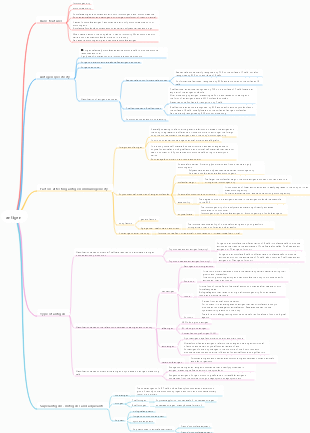
MindMap Gallery immune organs and tissues
The mind map of immune organs and tissues mainly refers to the mucosa of the digestive tract, respiratory tract and genitourinary tract, the unencapsulated lymphoid tissue scattered under the lamina propria and epithelial cells, as well as some organized lymphoid tissue with germination centers.
Edited at 2023-10-17 20:57:26This is a mind map about bacteria, and its main contents include: overview, morphology, types, structure, reproduction, distribution, application, and expansion. The summary is comprehensive and meticulous, suitable as review materials.

This is a mind map about plant asexual reproduction, and its main contents include: concept, spore reproduction, vegetative reproduction, tissue culture, and buds. The summary is comprehensive and meticulous, suitable as review materials.
This is a mind map about the reproductive development of animals, and its main contents include: insects, frogs, birds, sexual reproduction, and asexual reproduction. The summary is comprehensive and meticulous, suitable as review materials.
This is a mind map about bacteria, and its main contents include: overview, morphology, types, structure, reproduction, distribution, application, and expansion. The summary is comprehensive and meticulous, suitable as review materials.
This is a mind map about plant asexual reproduction, and its main contents include: concept, spore reproduction, vegetative reproduction, tissue culture, and buds. The summary is comprehensive and meticulous, suitable as review materials.
This is a mind map about the reproductive development of animals, and its main contents include: insects, frogs, birds, sexual reproduction, and asexual reproduction. The summary is comprehensive and meticulous, suitable as review materials.
immune organs and tissues
central immune organ primary lymphoid organ
It is the main place for cell generation, differentiation, development and maturation
marrow
Red bone marrow (hematopoietic function)
yellow bone marrow
Function
1. The place where various types of blood cells and immune cells occur
2. Place where B cells and NK cells differentiate and mature.
3. The main site of antibody production in the humoral immune response
Thymus
structure
Thymocytes
Thymic stromal cells
Function
1. The place where T cells develop, differentiate and mature
2. Establishment and maintenance of self-tolerance
peripheral immune organs
Lymph nodes
cortex
Superficial cortical area
Where B cells colonize
deep cortical area
The site where T cells colonize, called the thymus-dependent zone
Postcapillary venules are also called high endothelial venules (HEV)
medulla
Filtration (macrophages)
Function
1. The settlement place of T cells and B cells
T cells account for 75% of the total lymphocytes in lymph nodes, and B cells account for 25%.
2. Immune response site
3. Filtration and purification
4. Participate in lymphocyte recycling
Spleen (solid organ)
The largest peripheral immune organ in the human body
Red pith
It is rich in T cells
white marrow
Mainly contains B cells
Function
1.T and B’s settlement place
2. Immune response site
3. Filtering effect
Filtration removes pathogens
4. Synthesis of certain biologically active mediators
Mucosa-associated lymphoid tissue (MALT) Also known as mucosal immune system MIS
distributed
gut-associated lymphoid tissue
nasal associated lymphoid tissue
bronchial associated lymphoid tissue
M cells, also known as microfold cells, are specialized antigen transport cells
Lymphocyte homing and recycling
definition
Lymphocyte homing refers to the process by which lymphocytes in the blood selectively migrate and settle in certain specific areas of peripheral immune organs or tissues.
Lymphocyte recirculation refers to the process of repeated circulation of lymphocytes between blood, lymph, lymphoid organs or tissues
Mainly refers to the mucosa of the digestive tract, respiratory tract and genitourinary tract Scattered unencapsulated lymphoid tissue beneath the lamina propria and epithelial cells and certain organized lymphoid tissues with germinal centers
It is the place where T cells differentiate, mature and develop
The largest hematopoietic organ in the human body